Precision Mapping: How to Archive Productive Structure with Buckeye Hunter Hub
Mapping Your Way to Consistent Success
Every seasoned angler knows the frustration of finding a honey hole—a hidden brush pile holding massive crappie or a steep drop-off where walleye congregate—only to realize they can't quite find the exact coordinates on their next outing. Without a reliable way to catalog these structures, you are essentially starting from scratch every time you trailer the boat. The provided by Buckeye Hunter Hub changes the game by giving you a digital ledger to store your most valuable underwater intelligence.
Get in the Community feed
Hunters and anglers nationwide posting bucks, catches, trail cam pics and what's working right now.


Why Structure Matters More Than Luck
Fish are creatures of habit. While water temperatures and bait movement shift throughout the seasons, structural elements like submerged timber, rock piles, and significant depth changes remain constant. When you identify a productive brush pile or a ledge, you have found a location that will likely hold fish year after year. By using our mapping tools to archive these locations, you transition from a recreational caster to a strategic hunter. Before you hit the water, it is always a good idea to check local regulations through state fishing resources to ensure you are fishing within the legal framework for your specific area.
Step-by-Step: Marking Your Hidden Assets
The Buckeye Hunter Hub interface is designed to be intuitive, allowing you to focus on the water rather than the technology. Follow these steps to build your personal database of fishing spots:
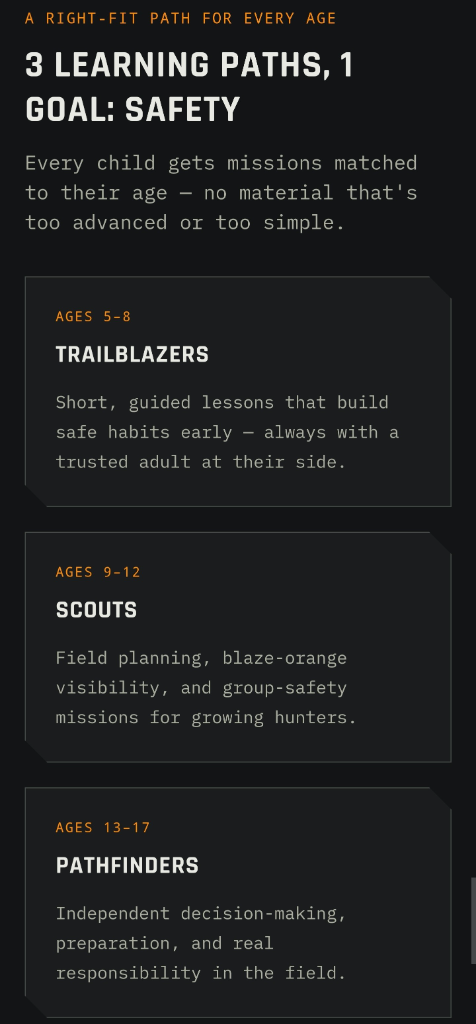
Raise a safe, confident young hunter.
Guide your kids ages 5–17 through interactive hunting safety missions, real decision drills, and earned trophies — all from one free parent account.
Bonus: every $10 you spend in the BHH shop earns a free seat (up to 5). Use them or share them.



1. Identify Your Target Zone
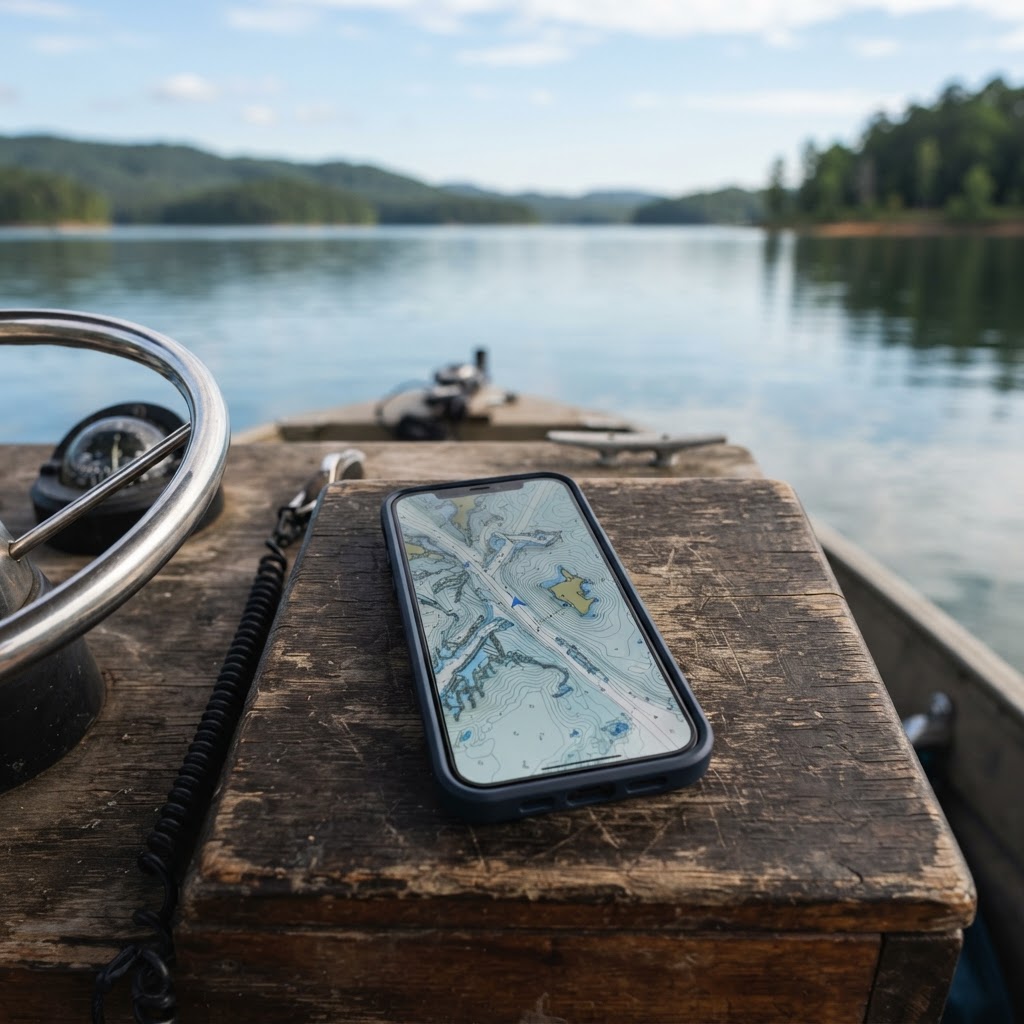
Use the satellite and topographical overlays to scan the lake bottom. Look for high-contrast areas where the topography suggests a sudden shift in depth. These transitions are prime territory for ambush predators. If you are scouting a new reservoir, you can cross-reference your findings with to see if there are any artificial reef or fish habitat improvement projects that have been officially documented.
2. Pinning the Coordinates
Once you have found a promising feature on the , click the marker tool. A custom icon will allow you to label the spot specifically, such as "Deep Brush Pile 15ft" or "Sharp Drop-off Point." By naming these clearly, you eliminate the guesswork on busy mornings when you only have a few hours to hit your best spots.
3. Creating a Navigational Loop
Don't just mark one spot; mark the boat ramp, the transition zones, and the primary structure. This allows you to plan a logical, fuel-efficient route. By treating your map as a mission plan, you spend less time idling around and more time with your line in the water.
Turning Data Into Trophy Photos
Efficiency is the greatest multiplier of catch success. When you know exactly where a drop-off begins and where the brush pile lies, you can approach the area with the correct boat angle and casting trajectory without spooking the fish. This precision is often the difference between a blank day and a photo-worthy catch that deserves a spot on the .
If you find yourself struggling to understand the nuances of a specific fishery, browse for deeper insights into seasonal patterns and bait presentations. Combining structural knowledge with seasonal bait movement is the cornerstone of advanced angling.
Managing Your Digital Logbook
As your list of marked spots grows, so does your competitive advantage. Periodically revisit your saved pins on the map during the off-season. Ask yourself: Why was that brush pile productive in July? Was it the depth, the proximity to a main channel, or the nearby bait forage? Refining your mental database alongside your digital one is how you grow as an angler. Always ensure you are syncing your data to your account so that your hard work isn't lost if you switch devices.
Conclusion: Start Mapping Today
Fishing is as much a mental game as it is a physical one. By taking the time to mark your findings on the Buckeye Hunter Hub map, you are building a legacy of successful trips. You are no longer just guessing where the fish might be; you are systematically returning to the locations where the odds are tilted heavily in your favor. Whether you are chasing deep-water walleye or tucked-away largemouth, the path to a productive day starts with a plan. Open the map, pin your first spot, and start mastering your local waters with confidence.
Catch more these fish — free
Create a free account and unlock the full angling toolkit: