
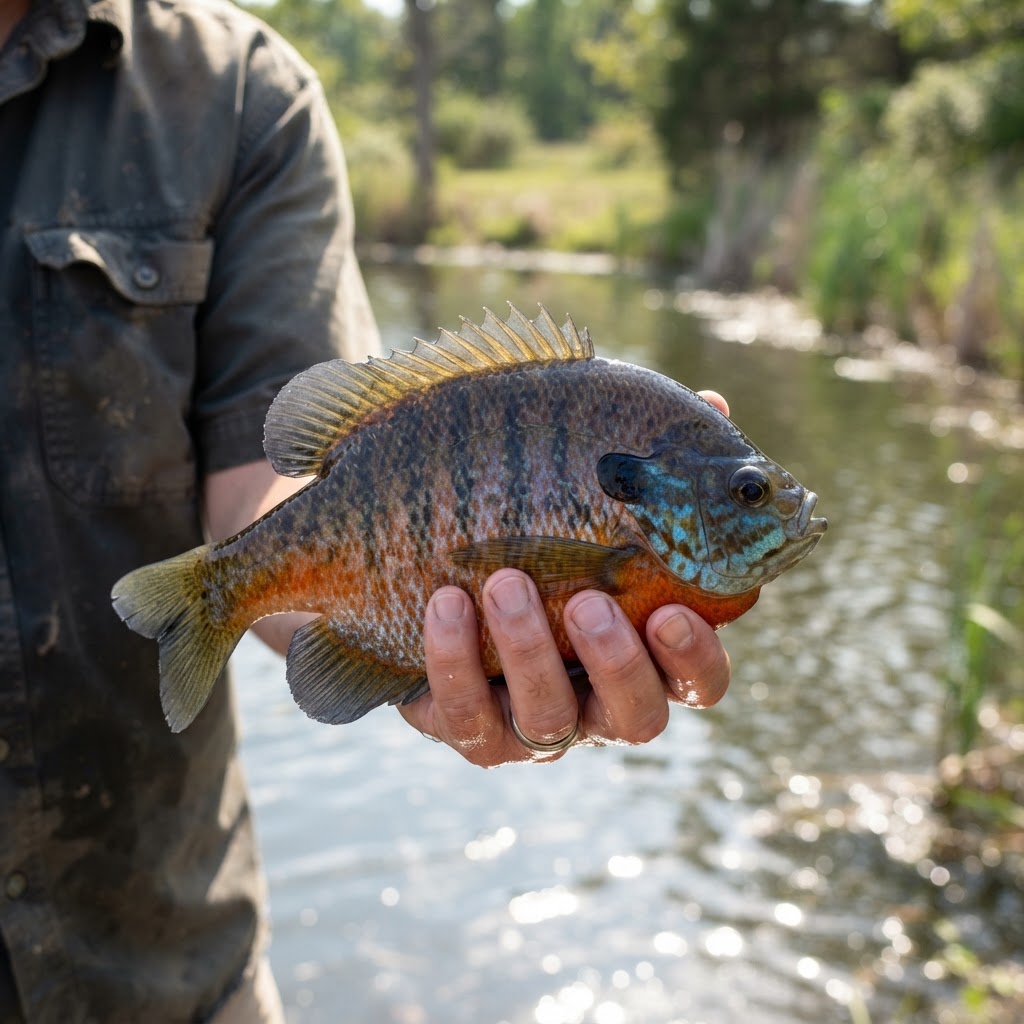
Panfish Persistence: A Tactical Approach to Targeting Bluegill and Sunfish
Understanding the Bluegill Mindset
Bluegill and their panfish cousins—including pumpkinseeds, redears, and green sunfish—are often the gateway species for every young angler, but they remain a primary target for experts due to their aggressive nature and incredible fighting power pound-for-pound. At Buckeye Hunter Hub, we believe that understanding the biology of these fish is the first step toward moving from a casual afternoon hobbyist to a seasoned panfish pro. Bluegill are social, sight-oriented predators that rely on structural cover to ambush small aquatic insects, crustaceans, and minnows. They are notorious for their 'bumping' bite, often testing an offering before fully committing to the strike.
Get in the Community feed
Hunters and anglers nationwide posting bucks, catches, trail cam pics and what's working right now.


Habitat Selection: Finding the Honey Holes
Panfish are creatures of habit. Throughout the spring, you will find them aggressively defending nesting sites in shallow, sandy, or muddy bottoms. As the water temperatures climb into the mid-summer, these fish retreat to deeper transitions where vegetation meets open water. A critical tool for any angler is using a to identify these submerged weed edges and drop-offs. Always look for docks, submerged timber, and bridge pilings; these act as natural 'highways' for panfish moving between shallow feeding grounds and deeper, cooler water. For specific regulations regarding seasonal closures in your area, consult the provided by your local wildlife agency, such as the Florida Fish and Wildlife Conservation Commission.
The Technical Arsenal: Lures and Live Bait
When targeting trophy-sized bluegill, the presentation often matters more than the specific bait. While a simple bobber and worm setup is classic, it is rarely the most effective method for active, larger panfish.
Raise a safe, confident young hunter.
Guide your kids ages 5–17 through interactive hunting safety missions, real decision drills, and earned trophies — all from one free parent account.
Bonus: every $10 you spend in the BHH shop earns a free seat (up to 5). Use them or share them.




The Finesse Micro-Jigging Approach
For experienced anglers, switching to 2-pound to 4-pound test monofilament or fluorocarbon is a game changer. A 1/32-ounce or 1/64-ounce tungsten jig head paired with a soft plastic micro-grub or a tiny creature bait allows for a more natural sink rate. The key here is 'pendulum fishing'—letting the jig swing into the zone where the fish are holding rather than pulling it vertically. If you are struggling to find the fish, you can browse for more insights on micro-presentation adjustments.
The Power of Live Presentation
Nothing beats a live cricket or a wax worm when the bite gets tough. When using live bait, use the smallest hook possible. A size 8 or 10 Aberdeen hook is often sufficient. If you are fishing in dense cover, consider a slip-bobber rig, which allows you to set the depth precisely to hover your bait just above the weed tops where the largest 'slabs' reside.
Seasonal Shifts and Tactics
Panfish behavior changes drastically with the calendar. During the early spring, focus on the north ends of lakes that warm up fastest. During the post-spawn, follow the baitfish migration as they move toward mid-depth structure.
- Morning/Evening: Focus on the shallows. During low-light conditions, large bluegill will venture into remarkably thin water to feed on topwater insects and small fry.
- Mid-Day: Retreat to the shade. Under a bright sun, look for fish hovering directly beneath floating mats of lily pads or deep under docks.
Expert Tips for Consistent Success
- The Stealth Factor: Panfish are extremely sensitive to vibration and movement. When fishing from a boat or kayak, limit your trolling motor speed and keep movement in the cockpit to a minimum. A slight thump against the hull can spook an entire school.
- Color Selection: Start with natural, earthy tones like motor oil, pumpkinseed, or brown when the water is clear. Switch to bright, high-visibility colors like chartreuse or pink when the water is stained or overcast.
- Stay Mobile: If you don't get a bite within 15 minutes, you are likely not in the right zone. Panfish tend to school tightly by size; if you are catching small 'dinks,' move on. The larger, more mature fish usually occupy the prime structural areas just a few yards away.
Joining the Community
There is no better way to learn than by observing what others are catching. Whether you are landing a trophy redear or a standard bluegill, documenting your success helps build a better picture of the local fishery. Share your success with fellow anglers on our to compare patterns and learn from the catches of others across the country. Remember, panfish are not just a starter fish; they are a sophisticated quarry that rewards patience, precision, and an intimate knowledge of the environment. By focusing on structural details and fine-tuning your terminal tackle, you will find that these pint-sized predators provide some of the most consistent and rewarding fishing action you can find in any body of water.
Catch more these fish — free
Create a free account and unlock the full angling toolkit: