
Mastering the Drop-Shot: The Ultimate Guide to Finesse Bass Fishing
Why the Drop-Shot Reigns Supreme
In the world of bass fishing, there are days when you can burn a spinnerbait or crank a shallow ledge with reckless abandon. Then, there are those days when the water is crystal clear, the sun is high, and the bass are glued to the bottom, refusing to budge. This is where the drop-shot rig shines. At Buckeye Hunter Hub, we believe that every angler should have a finesse arsenal, and the drop-shot is its undisputed crown jewel. It allows you to keep your lure in the strike zone longer than any other technique, twitching right in the face of finicky fish until they simply cannot resist.
Get in the Community feed
Hunters and anglers nationwide posting bucks, catches, trail cam pics and what's working right now.


The Anatomy of the Perfect Rig
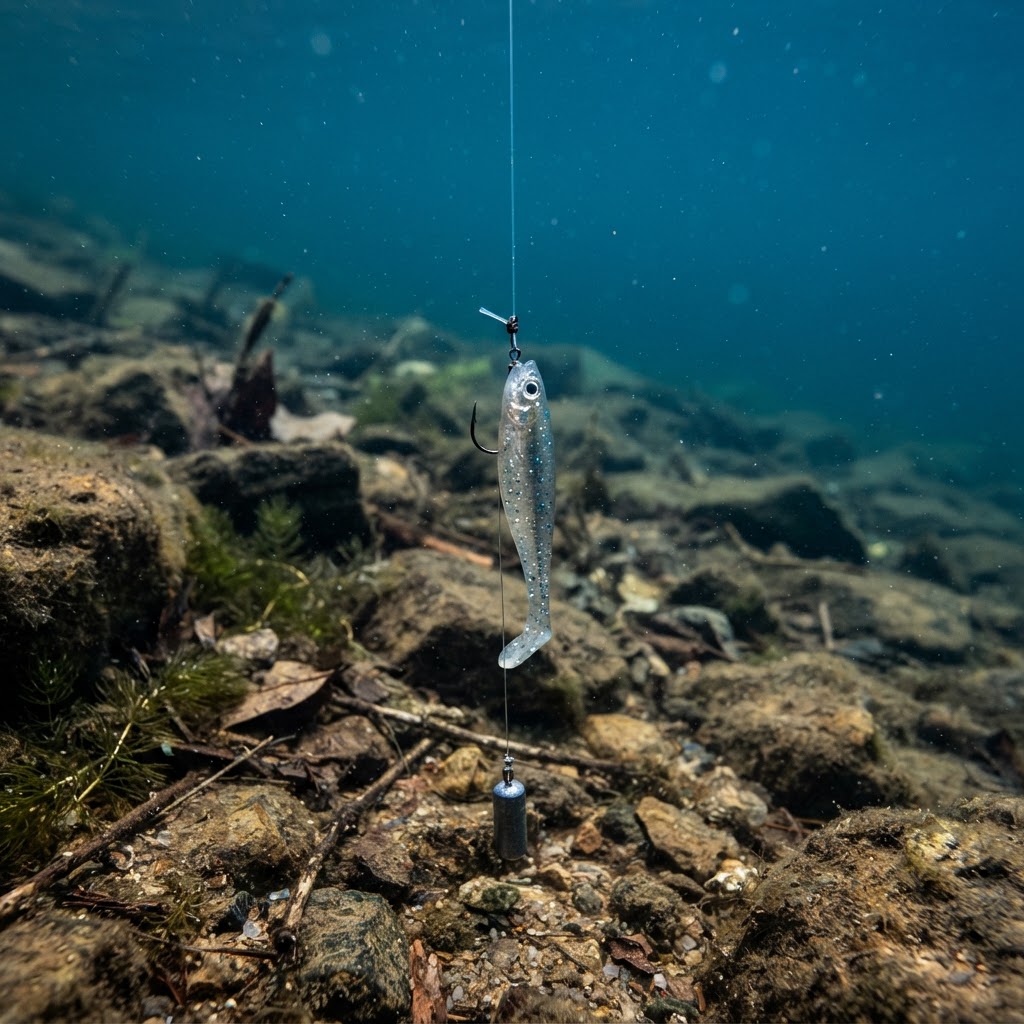
To effectively master the drop-shot, you must understand its components. Unlike traditional rigs where the weight goes in front, the drop-shot places the weight at the terminal end, with your hook tied directly to the main line anywhere from 6 to 18 inches above it. This vertical orientation allows the bait to hover slightly off the bottom, perfectly imitating a dying minnow or a stationary crawfish.
Essential Gear Selection
- Rod: You need a medium-light or light power spinning rod with a fast action tip. This sensitivity allows you to feel the slightest 'tick' of a bass inhaling your plastic.
- Reel: A high-quality 2500-size spinning reel spooled with 10-15 lb braided line is essential. Always use a fluorocarbon leader (6-8 lb test) to ensure invisibility in clear water.
- Hooks: Choose a small #1 or #2 drop-shot or finesse hook. Nose-hooking your soft plastics is the standard, as it provides the most natural action.
- Weights: Use cylinder-shaped tungsten weights. Tungsten is denser than lead, allowing you to feel every pebble and piece of structure on the lake floor.
Raise a safe, confident young hunter.
Guide your kids ages 5–17 through interactive hunting safety missions, real decision drills, and earned trophies — all from one free parent account.
Bonus: every $10 you spend in the BHH shop earns a free seat (up to 5). Use them or share them.




If you are planning a trip to a new body of water, be sure to check our to identify deep-water transitions and secondary points where this technique thrives. For specific regulations or seasonal closures in your area, always consult before heading out.
Reading the Water and Positioning
Drop-shotting is a patient person's game. It is primarily a vertical or near-vertical technique. You are looking for fish positioned on deep humps, along the edges of steep drop-offs, or suspended near bridge pilings. Once you mark fish on your electronics, drop your rig directly into the zone. The key here is 'shaking' the line without moving the weight. By simply vibrating your rod tip, you create a subtle, enticing motion in the bait that mimics a small fish struggling in place.
Don't be afraid to experiment with your lead length. If the bass are suspended higher in the water column, lengthen your leader so the bait stays at their eye level. For more advanced tips on reading seasonal patterns, head over to for our deep dive into thermoclines and bass behavior.
Advanced Presentation Techniques
While the basic shake is effective, versatility is what separates the pros from the casuals. Try the 'dead-sticking' method—cast the rig, let it hit the bottom, and let it sit completely motionless for 30 seconds. Often, the bass has been watching the bait for a while and is waiting for it to finally 'give up.'
Furthermore, consider the environment. In heavily pressured lakes where bass have seen every worm in the tackle shop, use a smaller 3-inch finesse minnow or a hand-poured soft plastic with a neutral color profile. If you are fishing a large reservoir, it is always a good idea to reference the U.S. Fish and Wildlife Service for specific conservation guidelines and native fish management programs to understand what the local forage base might be.
Common Mistakes to Avoid
One of the biggest mistakes anglers make is using too heavy a weight. You want just enough weight to maintain contact with the bottom. Anything heavier will deaden the action and make it difficult to detect those light bites. Additionally, remember that the drop-shot requires a 'reel-set' rather than a violent hook set. When you feel that pressure, keep reeling until you feel the weight of the fish, then lift the rod tip firmly.
Mastering the drop-shot takes time, but it is a technique that will pay dividends when others are getting skunked. Practice your knot tying, keep your line tension tight, and stay patient. Before you know it, you will be the one landing the heavy hitters on those tough, sunny afternoons.
Catch more these fish — free
Create a free account and unlock the full angling toolkit: