When Do Ducks Migrate? A Timeline of the Fall Waterfowl Migration
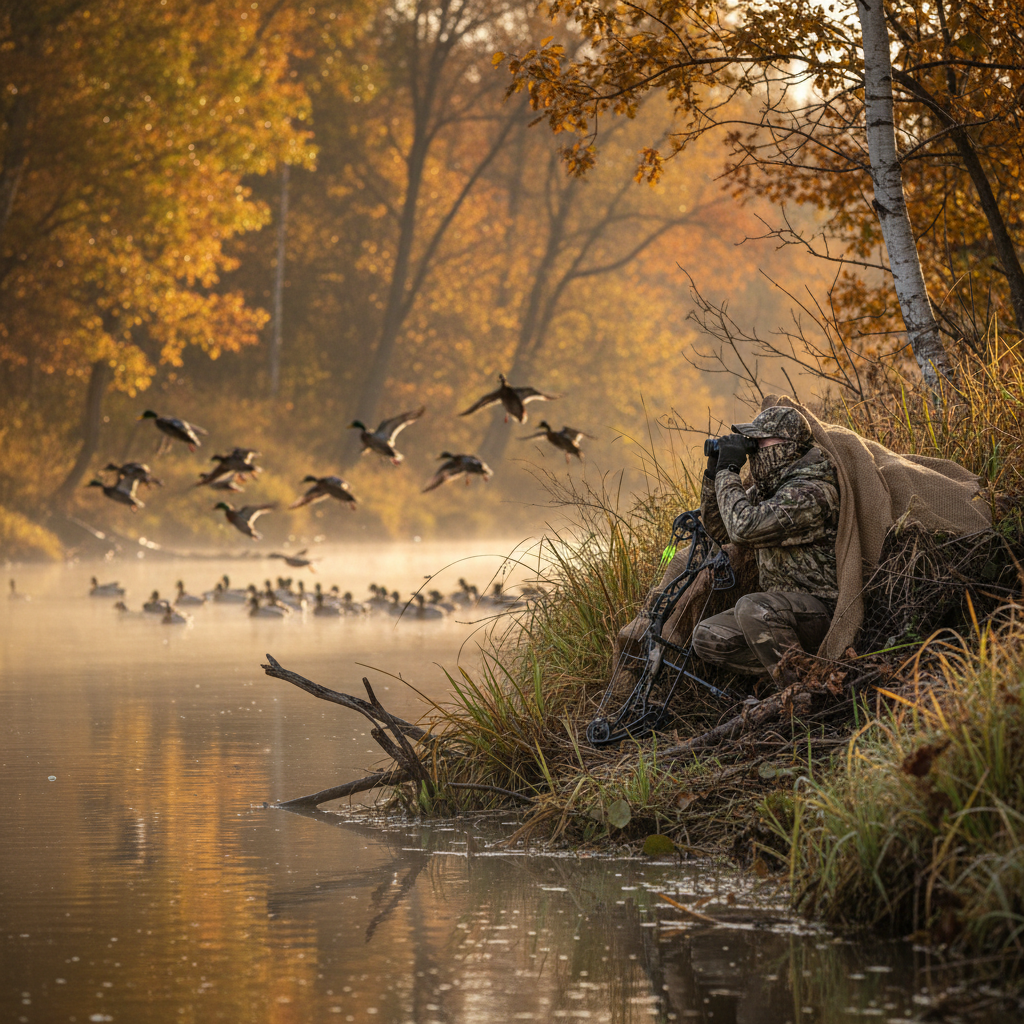
When Do Ducks Migrate? A Timeline of the Fall Waterfowl Migration
As the crisp autumn air settles in, waterfowl enthusiasts across the United States prepare for the thrilling experience of duck hunting. But knowing when ducks migrate is crucial for optimizing your hunting success. Here’s a comprehensive guide to understanding the migration patterns of ducks and essential strategies for an effective hunt.
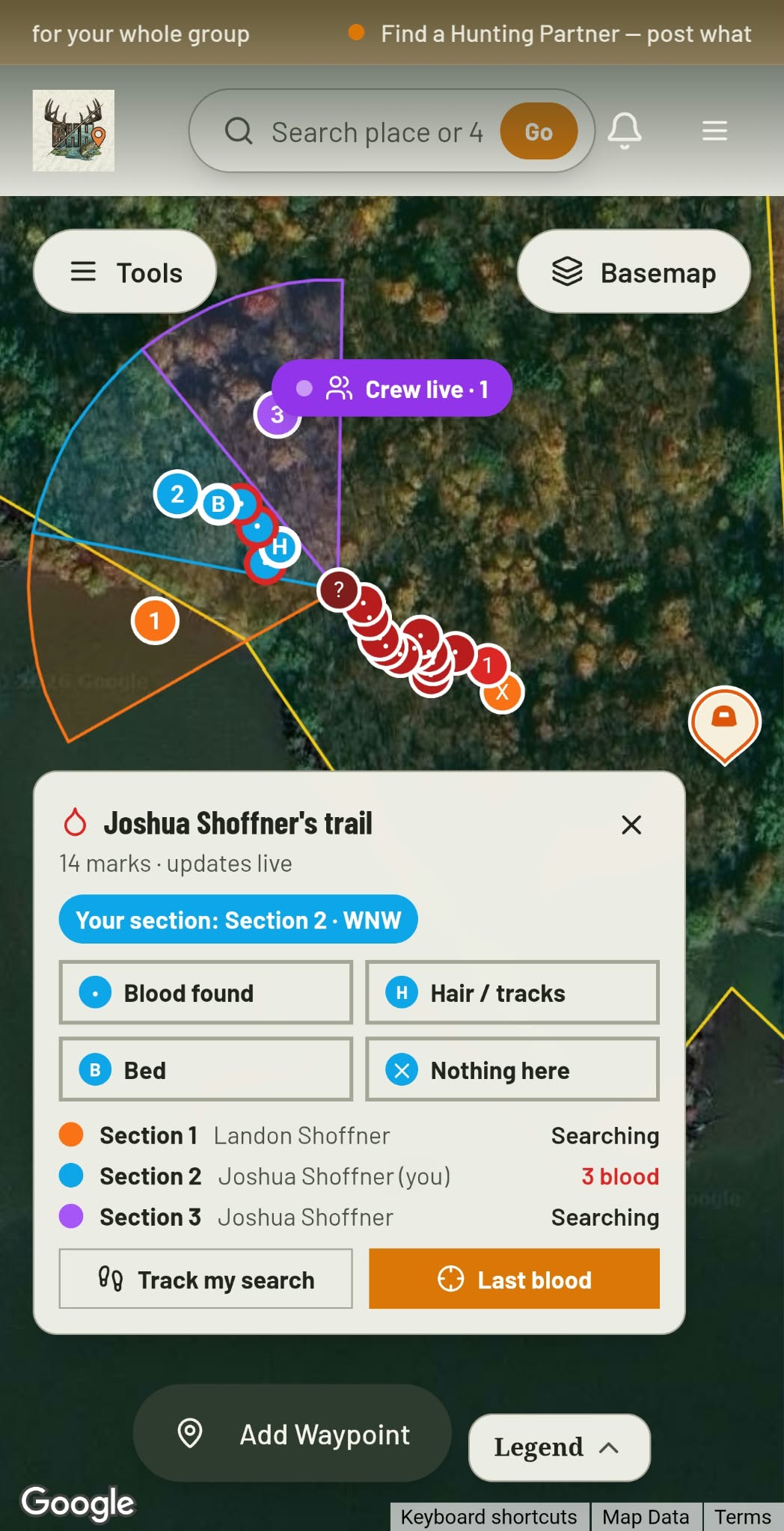
Blood Trail + Search Grid · Free
Hit one? Call in the crew.
Give every buddy a search section and see each drop they find, live.
See how it worksThe Migration Phenomenon
Ducks are driven by instinct and environmental cues to migrate. Unlike other wildlife, they follow established flyways, which are crucial migration routes that align with weather patterns. These flyways can be affected by several factors, including cold fronts, barometric pressure changes, and snow.
-
Cold Fronts: Ducks are highly sensitive to temperature changes. As cold fronts move through, they trigger migration. Generally, the first major cold front of the season sends birds southward. In the Midwest, this typically begins in late September to early October.
-
Barometric Pressure: Falling barometric pressure can signal a change in weather, prompting ducks to move. When a front approaches, hunters can expect increased activity.
-
Wind: Ducks favor winds between 10 and 20 mph for migration. If you're scouting and notice these wind conditions along with a cold front, be prepared for flight activity.
-
Snow and Freeze-Ups: As water bodies freeze, ducks are forced to seek out open water. In many cases, when the northern regions experience snowfall, ducks will move south to milder climates.
Key Migration Dates
Migration timelines can vary by species and geographical location, but here are some general guidelines:
- Late September: Early migrators, including Northern Pintails and Gadwalls, start appearing.
- October: Peak migration for Mallards, American Black Ducks, and Canvasbacks typically occurs during this month, as colder temperatures push them south.
- November: The migration slows but can pick up again with strong cold fronts moving through. Diving ducks, such as Redheads, are often seen during this time.
- December: By early December, most waterfowl have settled into their wintering grounds, but a few late migrants may still be observed.
Make sure to check the to stay updated on specific patterns in your region!
Essential Hunting Strategies
E-Tag States

Harvest Tags
E-check means you supply the tag. Printed with the exact fields your state requires.
3-pack $19.95
With a solid understanding of migration timelines, it’s time to focus on practical hunting strategies.
Decoy Spreads
Selecting the right decoy spread can significantly influence your hunting success. Here are a few tips:
- Diversity in Decoys: Use a mix of species decoys to attract a variety of ducks. This not only increases your chances but also makes your spread more realistic.
- Water Depth Consideration: Place decoys at varying distances from your blind. Close in for faster recognition and further out for birds that may be more cautious.
- Consult the for layout ideas that have proven effective in various conditions.
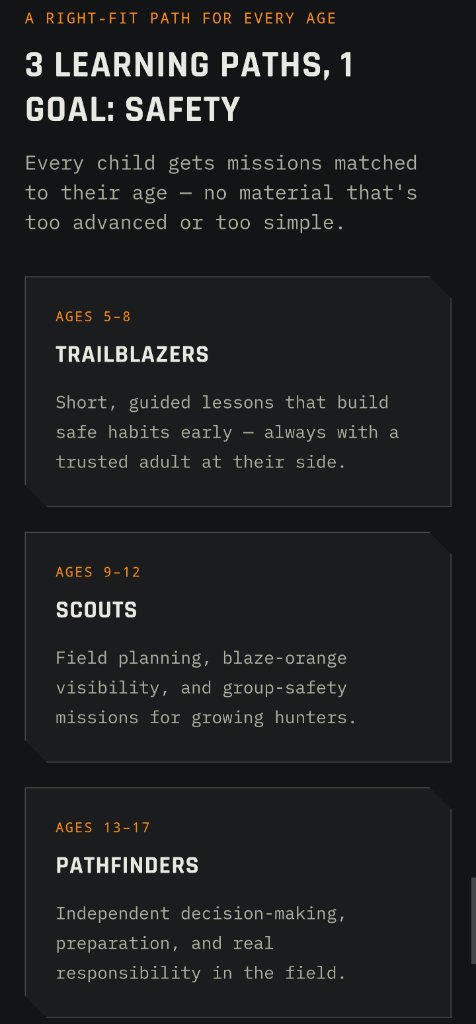
Raise a safe, confident young hunter.
Guide your kids ages 5–17 through interactive hunting safety missions, real decision drills, and earned trophies — all from one free parent account.



Blind Placement and Concealment
A well-placed blind can make or break your hunt. Here’s how to optimize it:
- Natural Cover: Always choose a location with natural cover to blend your blind seamlessly into the environment. Excessive clearing can scare off birds.
- Visibility from Water: Position your blind near water sources, but avoid being directly visible from above. Ducks spot movement easily, so remain concealed.
Calling Techniques
Proper calling can lure ducks into your set-up. Here are a few tips to ensure your calls are effective:
- Know the Species: Different ducks respond to different calls. The can help you identify the types of calls needed.
- Practice Makes Perfect: Ensure you practice your calls to provide realistic sounds, as this can significantly improve responsiveness.
Scouting
Finally, scouting is a vital element in successful waterfowl hunting. Use interactive hunting maps to assist in finding potential hotspots. Look for areas with abundant food sources and open water, as these will attract migrating birds.
Additionally, utilize modern digital tools to aid in planning your hunting trips by providing valuable weather intel and optimizing your scouting efforts.
Embrace the Hunt
Waterfowl hunting during migration season is exhilarating, and knowing when to hunt and employing practical strategies can elevate your experience. Stay aware of changing weather conditions by tracking cold fronts and utilizing our resources for hunting strategies. Most importantly, enjoy the camaraderie and connection with nature that comes with each hunt to share experiences and tips.
You can also check with your local DNR for specific migration data relevant to your area, like the U.S. Fish and Wildlife Service for conservation updates and hunting regulations.
Wishing you a successful and safe waterfowl hunting season! Stay informed, stay stealthy, and happy hunting!
Explore More on Buckeye Hunter Hub
Free hunting map, zones & 50-state resources
Save your spots, share zones with your group, and get deer & waterfowl movement forecasts — free.
Join 265 hunters and anglers on Buckeye Hunter Hub — free.
Latest from the Community



New drop
Fresh Buckeye Hunter Hub tees & hoodies


Everything you need to hunt smarter — free
Buckeye Hunter Hub is a free, nationwide platform. Create an account and unlock the full toolkit:
Free Interactive Hunting Map
Mark stands, cameras, and sign. Draw hunting zones with public land & county overlays across all 50 states.
Zones with Group Sharing
Share zones with your hunting group, split property into sections, assign stands, and check in — all in one place.
50 States of Hunting Resources
Season dates, license links, and DNR regulations for every state, kept current so you never miss an opener.
Deer Movement Forecast
Data-driven daily movement predictions using wind, moon, and pressure — know when to sit before you go.
Waterfowl Movement & Tools
Flight-potential forecasts, migration numbers, decoy spread planner, and a full species field guide.
From the Maker Bench

Taggart Outdoors
Padded Rifle Sling
Hand-built in the USA · $134.99
Shop the MakerNew drop
Fresh Buckeye Hunter Hub tees & hoodies
Shop This

StopBox Pro Ward | Wall-Mounted
$179.00$199.99

StopBox Pro Compact
$159.00$179.99

Buckeye Hunter Hub Tee — No Tag Left Behind
$20.55

Buckeye Hunter Hub Hoodie — No Tag Left Behind
$32.87
E-Tag States
Harvest Tags
E-check means you supply the tag. Printed with the exact fields your state requires.
3-pack $19.95
More Articles
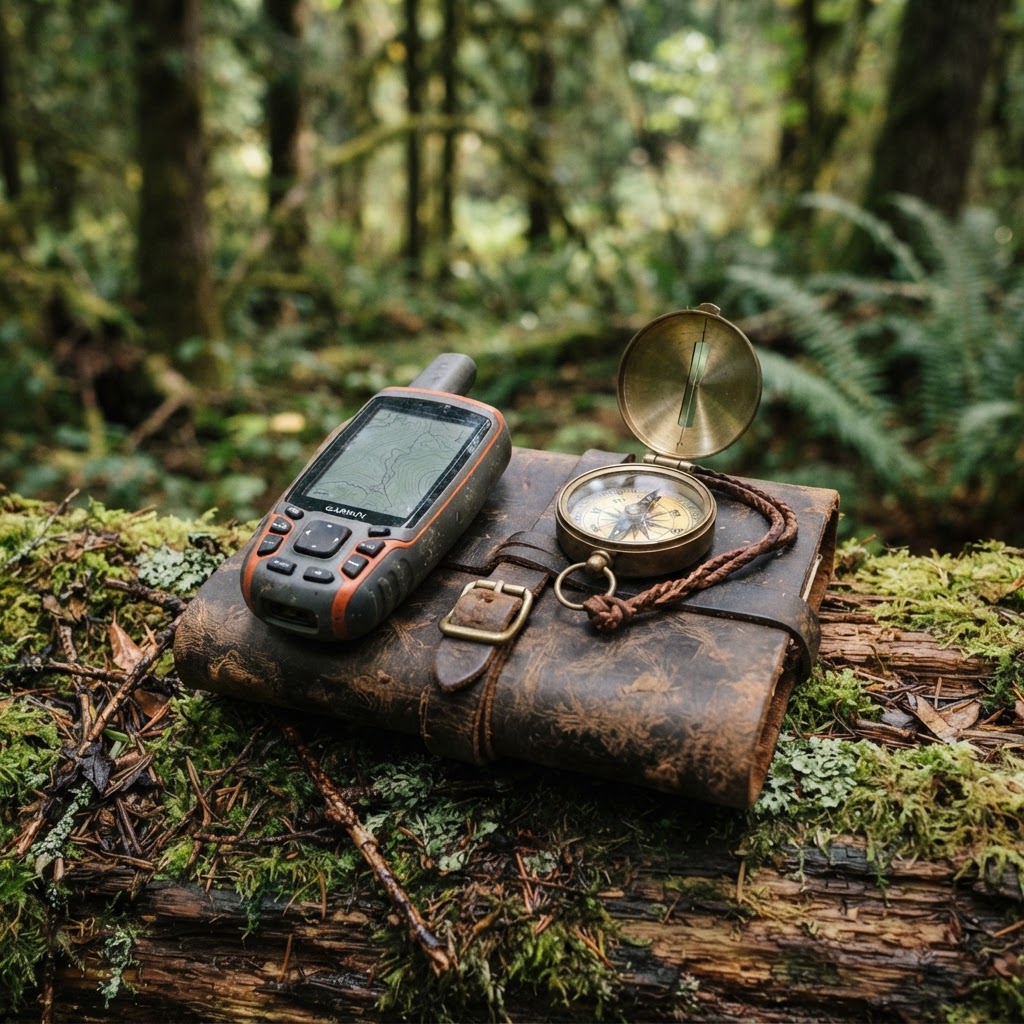
Precision Scouting: Mapping Your Setup for a More Efficient Season
Stop wandering the woods aimlessly and start hunting with purpose by mastering waypoint management for your gear and observations.
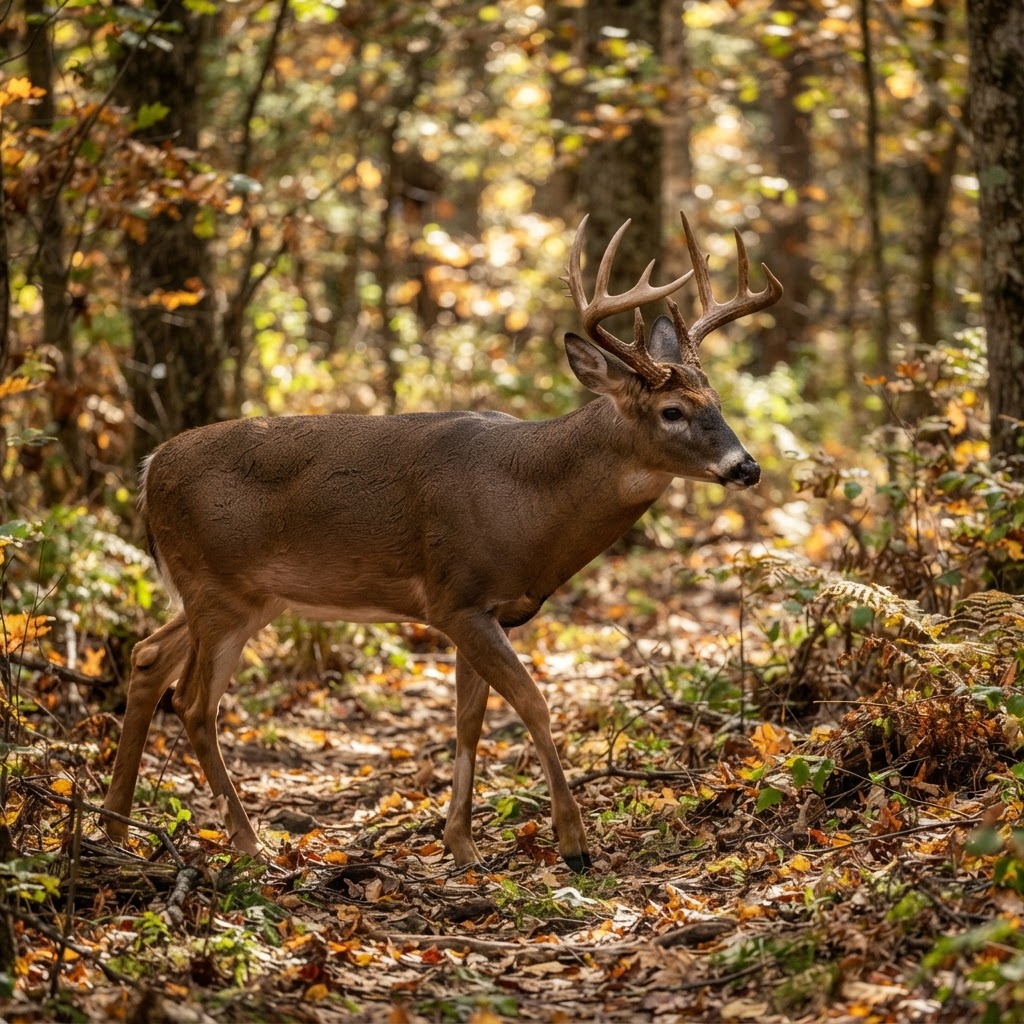
Data-Driven Scouting: Leveraging AI for Intelligent Deer Analysis
Tired of sorting through thousands of empty trail camera frames? Discover how to use automated AI analysis to pinpoint deer movement, categorize bucks, and reclaim your scouting time.
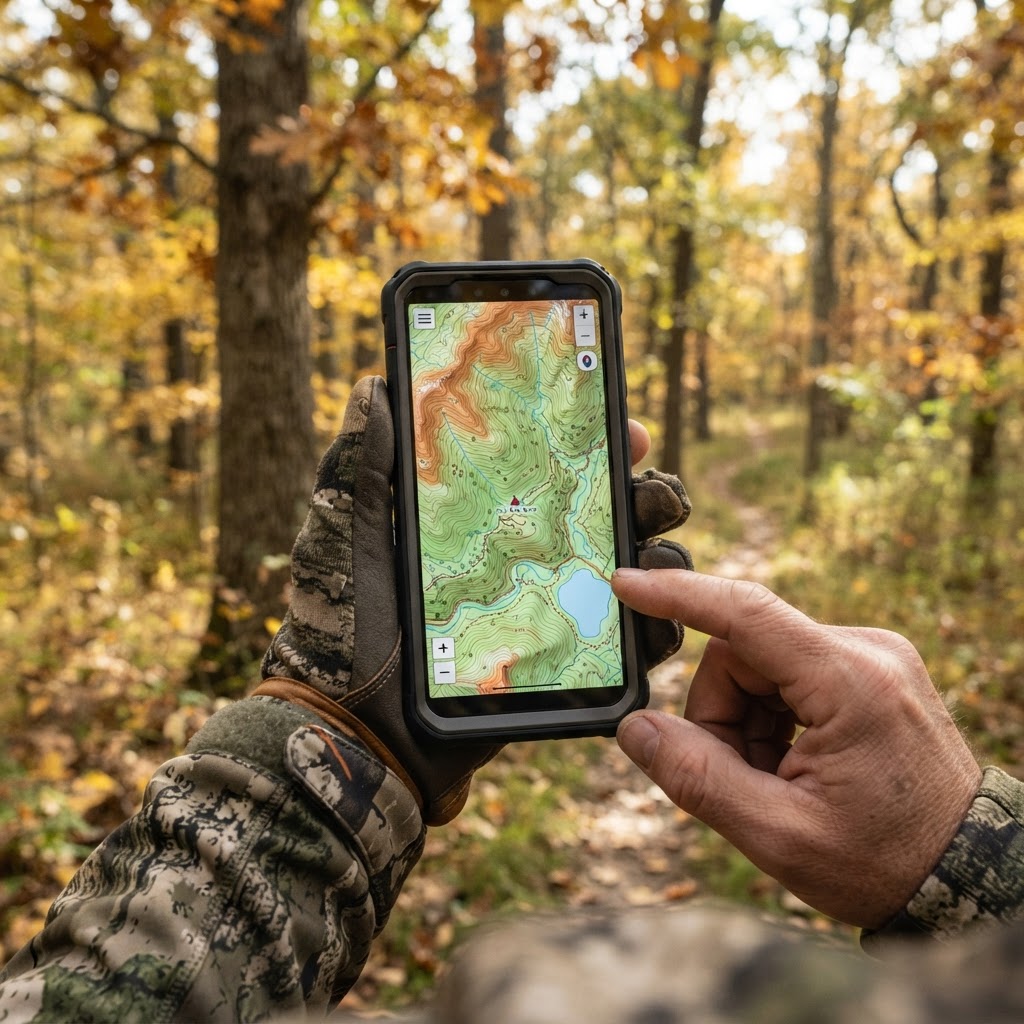
Digital Precision: Mastering Waypoint Management for Better Scouting
Take the guesswork out of your next hunt by learning to organize your stands, blinds, and trail cameras using digital mapping tools.
Desert Pursuits: A Comprehensive Guide to Arizona Big Game Hunting
From the high-country pines to the cactus-studded basins, Arizona offers some of the most challenging and rewarding hunting experiences in the American Southwest.