Unveiling the Timber: Tactical Field Interpretation of Whitetail Sign
Decoding the Landscape: Beyond Basic Scouting
Every square inch of a whitetail’s home range tells a story. While technology and provide the foundation for your strategy, there is no substitute for boots-on-the-ground intuition. Understanding how to read the physical sign left by bucks and does is the final piece of the puzzle that separates successful hunters from those who simply watch the leaves fall.
Free hunting map, zones & 50-state resources
Save your spots, share zones with your group, and get deer & waterfowl movement forecasts — free.
The Anatomy of a Rub: Reading Intent and Size
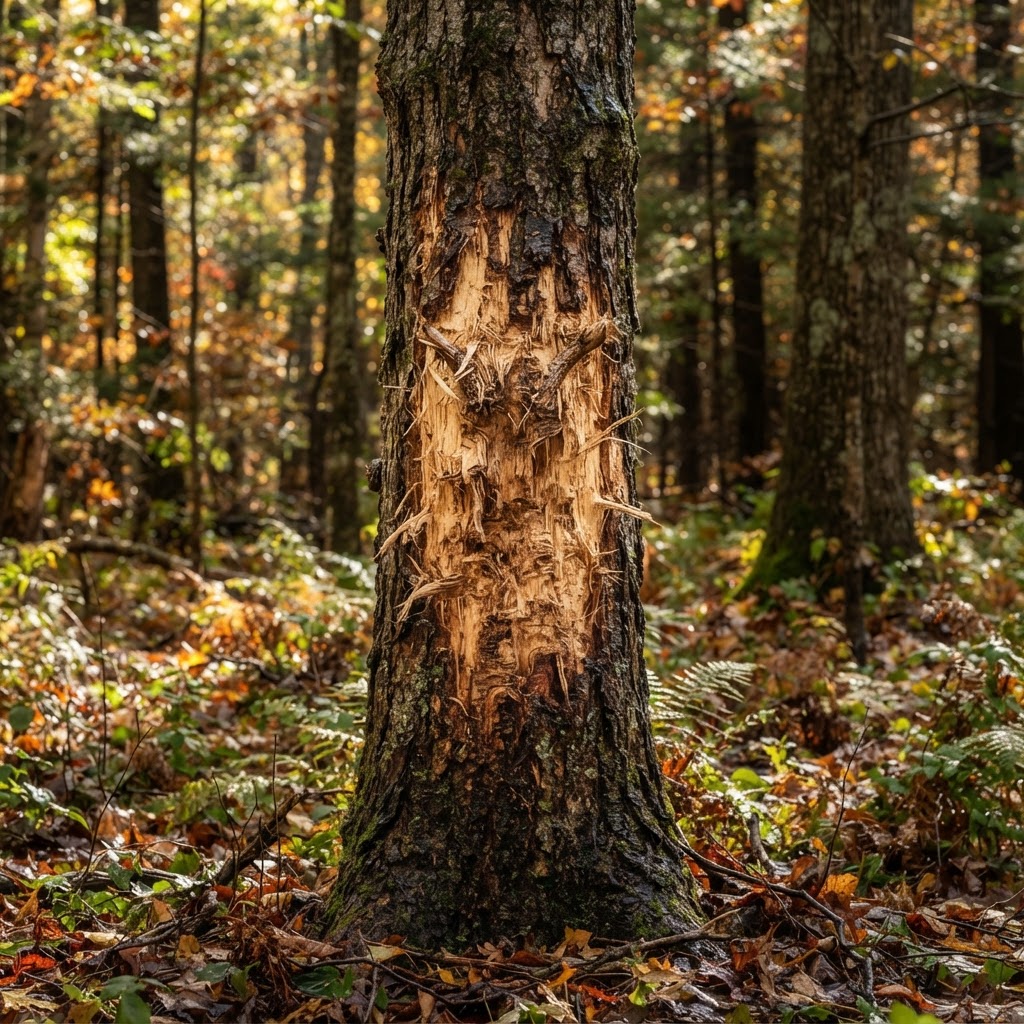
Many hunters overlook rubs as incidental, but these marks are vital communication tools and markers of territory. A rub isn’t just a buck cleaning velvet; it is a signpost. When evaluating a rub, look at the height and the degree of damage to the tree.
Small, sporadic rubs on thin saplings often indicate a younger buck clearing his frustration or marking his presence casually. However, a 'rub line'—a series of marked trees leading in a specific direction—is a tactical goldmine. These lines usually follow travel corridors between bedding areas and food sources. If you find a rub on a tree that is four inches or wider in diameter, you have likely identified a core area for a mature buck. Approach these zones with extreme caution; if you bump a deer near a primary rub line, he may abandon that circuit for the remainder of the season.
Scrapes: The Seasonal Calendar of the Woods
Scrapes are the social hubs of the deer woods. Understanding the difference between a solitary scrape and a 'community scrape' is essential. A solitary scrape found in thick cover is often just a quick scent deposit, but a community scrape—typically found under an overhanging branch in a slightly more open area—is visited by multiple deer.
Monitor the 'licking branch' above the scrape. If the branch is broken or heavily frayed, it is a high-traffic intersection. During the pre-rut, these are the best locations to position yourself. If you are struggling to predict when to hunt these spots, cross-referencing your findings with our can help you determine if the current weather patterns are likely to trigger peak activity at these social hubs.
Identifying Bedding Areas without Intrusion
E-Tag States

Harvest Tags
E-check means you supply the tag. Printed with the exact fields your state requires.
3-pack $22.95
Bedding areas are the sanctuary. If you are standing in a buck’s bed, you have already pushed too far. Instead, look for the 'front porch' of these areas. Mature bucks prefer to bed in terrain that provides a tactical advantage: elevated benches on ridges, the downwind side of thick thermal cover, or islands of brush in marshy areas.
Look for depressions in the leaves or matted grass, but pay closer attention to the exits. Bucks usually bed with their backs to a solid object or a steep incline, facing their primary escape route or an area where they can smell danger approaching. If you identify a cluster of beds, don't hunt the beds themselves. Hunt the transitional corridors—the bottlenecks or pinch points leading from these beds to the nearest food source—about 100 to 200 yards away.
Connecting the Dots to Your Stand Placement
Raise a safe, confident young hunter.
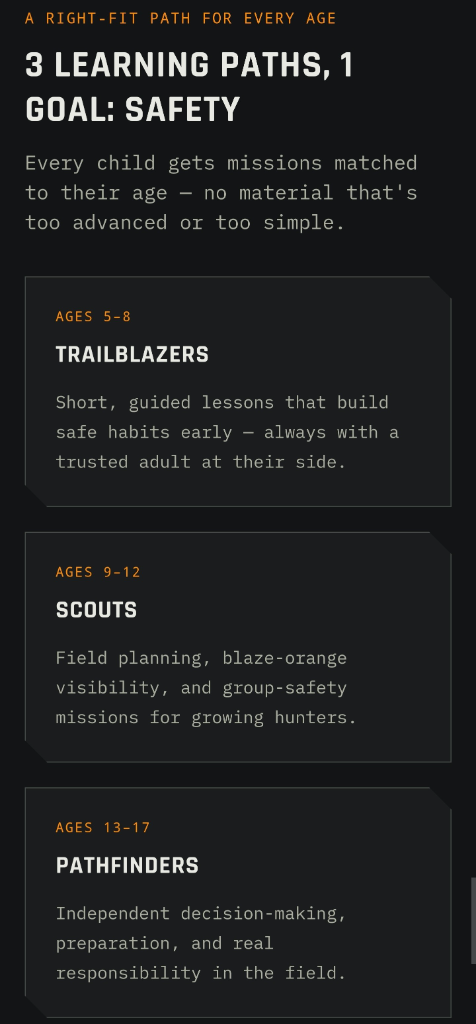
Guide your kids ages 5–17 through interactive hunting safety missions, real decision drills, and earned trophies — all from one free parent account.
Bonus: every $10 you spend in the BHH shop earns a free seat (up to 5). Use them or share them.



Once you have identified the primary bedding areas, the main rub lines, and the active scrapes, you need to synthesize this information. Strategy is about efficiency. If you find a major rub line intersecting with a well-used trail that leads toward an open food source, you have found a high-probability hunt location.
Don’t forget that even the best sign is useless if you can’t get in and out of the woods undetected. Keep your entry routes into these zones as quiet as possible, and remember that deer patterns shift as the season progresses. Regularly checking your findings against the or re-scouting during the transition from early season to the rut will ensure your tactics remain adaptive.
For those who hunt across diverse US landscapes, from the thickets of the Southeast to the expansive timber of the North, the principles of reading sign remain universal. Deer are creatures of habit, but they are also masters of evasion. By reading the physical clues—the height of the rub, the activity at the scraping branch, and the tactical positioning of a bed—you move from being a passenger in the woods to an active participant in the hunt. Stay observant, keep your impact low, and let the landscape tell you exactly where the buck is moving.
Join 708 hunters and anglers on Buckeye Hunter Hub — free.
Latest from the Community


Everything you need to hunt smarter — free
Buckeye Hunter Hub is a free, nationwide platform. Create an account and unlock the full toolkit:
Free Interactive Hunting Map
Mark stands, cameras, and sign. Draw hunting zones with public land & county overlays across all 50 states.
Zones with Group Sharing
Share zones with your hunting group, split property into sections, assign stands, and check in — all in one place.
50 States of Hunting Resources
Season dates, license links, and DNR regulations for every state, kept current so you never miss an opener.
Deer Movement Forecast
Data-driven daily movement predictions using wind, moon, and pressure — know when to sit before you go.
Waterfowl Movement & Tools
Flight-potential forecasts, migration numbers, decoy spread planner, and a full species field guide.
From the Maker Bench

SE Ohio Outdoors
Euro Mount Hook
Hand-built in the USA · $8.00
Shop the MakerBHH Partner

Firearms, ammo and gear from a local Ohio shop in Grafton. Stop in before the season.
dnaarmory.comShop This

StopBox Pro Ward | Wall-Mounted
$179.00$199.99

StopBox Pro Compact
$159.00$179.99

Get Well Card — Pole Down Week
$6.99

Christmas Card — Christmas Morning Perch
$6.99
E-Tag States
Harvest Tags
E-check means you supply the tag. Printed with the exact fields your state requires.
3-pack $22.95
More Articles

Sun, Sage, and Strategy: A Practical Guide to Arizona Hunting
Arizona offers some of the most unique hunting experiences in the American Southwest, from high-altitude elk hunts to desert bighorn sheep pursuits. Master the complexities of the Grand Canyon State with this tactical guide.
Beyond the Blind: Building a Better Hunt Through Collective Wisdom
Hunting is often seen as a solitary pursuit, but the modern outdoorsman knows that your success is tied to your network. Discover how leveraging the Buckeye Hunter Hub groups can sharpen your skills and elevate your time in the field.

Canvas of the Wild: The Artistry Behind the Buckeye Hunter Hub Heritage Collectible Series
Discover how the Buckeye Hunter Hub Heritage Collectible Series captures the raw spirit of the hunt through retro screen-print aesthetics, bringing the field to your fingertips.
Pressure Points: Decoding Barometric Shifts for Mature Whitetails
Forget the old wives' tales about moon phases. We break down the peer-reviewed telemetry data to explain how barometric pressure truly drives deer movement and when you should be in the stand.