The Ultimate Guide to Elk Hunting in the United States
Understanding Elk: Biology and Behavior
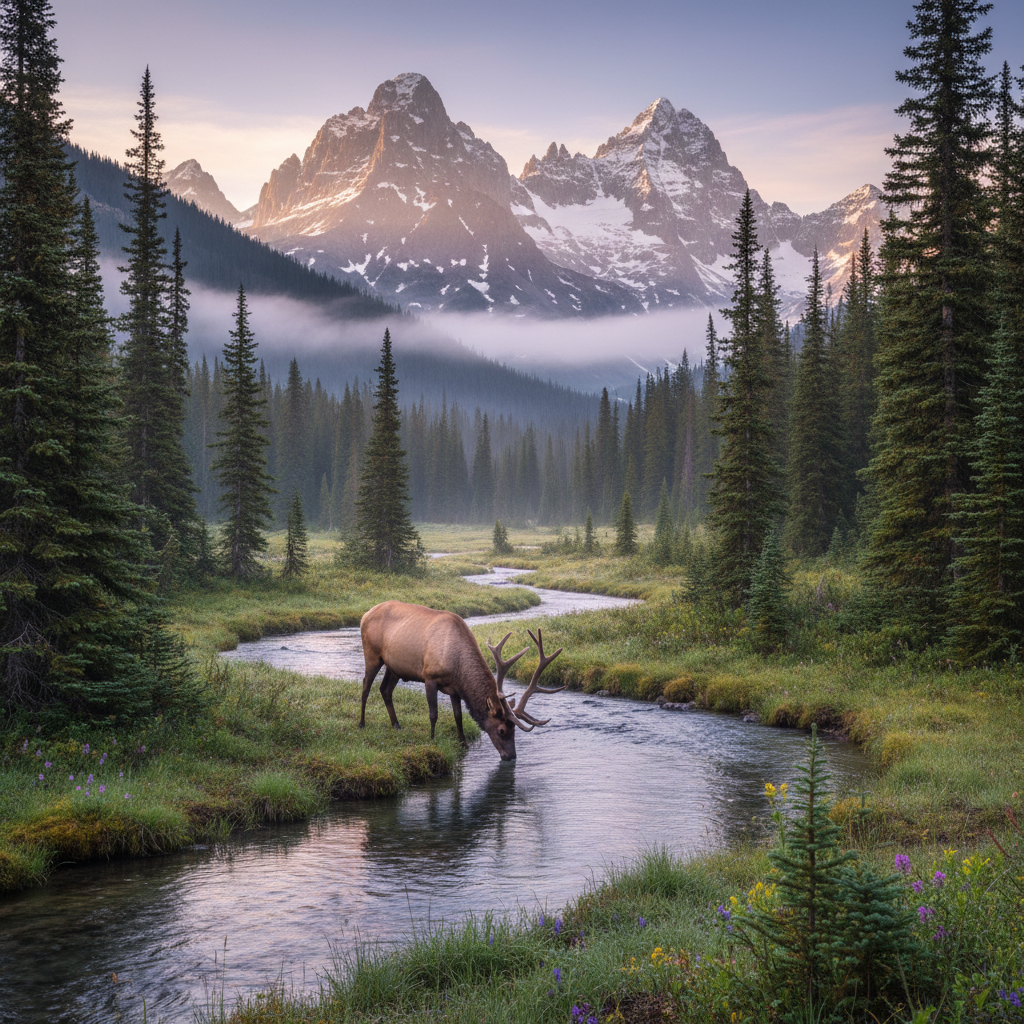
Elk, scientifically known as Cervus canadensis, are one of the largest species of deer and are renowned for their impressive antlers and beautiful calls. Males can weigh between 600-1,100 pounds and can possess antlers that span up to four feet wide, making them a majestic sight in the wild.
Behavioral Traits: Elk are social creatures typically found in herds. During the rutting season in the fall, you can observe their vocalizations, known as bugling, which are used for both mating calls and asserting dominance. Their diet mainly consists of grasses, shrubs, leaves, and bark, changing according to the season and availability.
Free hunting map, zones & 50-state resources
Save your spots, share zones with your group, and get deer & waterfowl movement forecasts — free.
Habitat and Range
Elk are adaptable and can thrive in a variety of habitats, from mountainous regions to open plains. They are predominantly found in the western United States and parts of the Rocky Mountains, including states like Colorado, Wyoming, and Montana. These environments provide the necessary forage for their diet and cover from predators.
During the summer, elk tend to reside at higher elevations, while in winter, they descend to lower valleys or foothills in search of food. It’s crucial to check state hunting resources to find specific areas where elk populations are concentrated.
Effective Tactics for Elk Hunting
1. Scouting and Preparation
Before the hunting season begins, take advantage of interactive hunting maps to scout prime locations and get a sense of elk movement patterns. This information is vital for deciding where to set up your gear. Look for signs such as tracks, droppings, and chewed plants, which indicate current elk activity.
2. Call Techniques
Using calls can significantly increase your chances of attracting elk. Employing a bugle or a cow call can mimic natural elk sounds, especially during the peak rut in September and October when elk are actively seeking mates. Practice these calls ahead of time so you're prepared to communicate effectively with the herd.
3. Stalking & Ambush
Elk have excellent eyesight; approaching them can be tricky. Stalking close to elk requires stealth and patience. If you can set an ambush point near water sources or feeding areas as they move to and from their feeding grounds, your chances increase. Use natural terrain to hide your movements and remain as quiet as possible.
Essential Gear for Elk Hunting
When preparing to hunt elk, it’s important to equip yourself with the right gear.
1. Weapons
A reliable rifle or bow is essential; most elk hunters prefer calibers between .270 and .300 for effective stopping power. Ensure your equipment is well maintained and zeroed before the hunt.
E-Tag States

Harvest Tags
E-check means you supply the tag. Printed with the exact fields your state requires.
3-pack $22.95
2. Clothing
Layer your clothing properly to handle the varying weather conditions commonly found in elk habitats. Thermal layers, waterproof outerwear, and good-quality camouflage are all necessary.
3. Gear Options
A quality backpack to carry essentials, binoculars for scouting, and a first-aid kit can be lifesavers on longer treks. For gear and supplies, check out our shop for top recommendations.
Timing Your Hunt
The best times to hunt elk are typically during the fall hunting season, primarily from September through November. This period coincides with the rutting season when elk are most vocal and moving actively. Preparing well by consulting the hunting season calendar can help you plan your trips effectively to hit peak times.
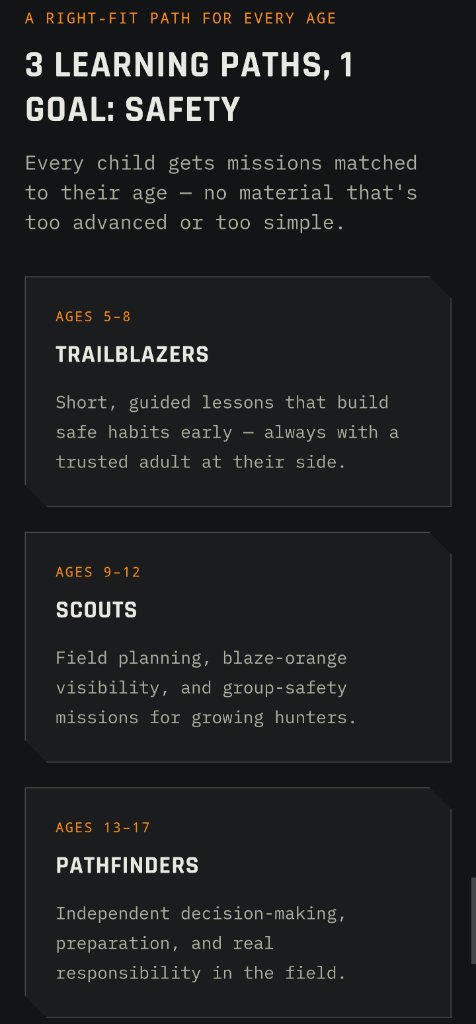
Raise a safe, confident young hunter.
Guide your kids ages 5–17 through interactive hunting safety missions, real decision drills, and earned trophies — all from one free parent account.



1. Early Morning and Late Evening
Elk tend to be more active during the early morning and late evening hours. Plan your hunts around these times for optimal chances of encountering elk.
Tips for New and Experienced Hunters
New Hunters
- Join a Community: Connect with other hunters by joining hunting community groups. Networking can provide valuable tips and mentorship opportunities.
- Learn from Experts: Consider going with experienced elk hunters to learn valuable skills in the field.
Experienced Hunters
- Adapt Methods: Don’t hesitate to adapt your tactics based on weather conditions. Elk behavior can change, so being flexible is key.
- Trail Cameras: Use trail cameras to monitor elk patterns and behavior in the areas you plan to hunt; this knowledge can give you a substantial edge.
Utilize Technology
Modern tools can aid in planning your elk hunts. With features for tracking location conditions and predicting elk movement patterns, this resource can be invaluable for any elk hunter.
Conclusion
Hunting elk in the United States is a rewarding and challenging experience. With knowledge of their biology and behavior, understanding their habitat, employing effective tactics, and using the right gear, you can dramatically increase your chances of success. Stay connected with resources and join a community of passionate hunters; your journey in elk hunting will be fulfilling.
For further research and insights, consider visiting authoritative sites such as the Rocky Mountain Elk Foundation or your local state's Department of Natural Resources.
Explore More on Buckeye Hunter Hub
Join 276 hunters and anglers on Buckeye Hunter Hub — free.
Latest from the Community



New drop
Fresh Buckeye Hunter Hub tees & hoodies


Everything you need to hunt smarter — free
Buckeye Hunter Hub is a free, nationwide platform. Create an account and unlock the full toolkit:
Free Interactive Hunting Map
Mark stands, cameras, and sign. Draw hunting zones with public land & county overlays across all 50 states.
Zones with Group Sharing
Share zones with your hunting group, split property into sections, assign stands, and check in — all in one place.
50 States of Hunting Resources
Season dates, license links, and DNR regulations for every state, kept current so you never miss an opener.
Deer Movement Forecast
Data-driven daily movement predictions using wind, moon, and pressure — know when to sit before you go.
Waterfowl Movement & Tools
Flight-potential forecasts, migration numbers, decoy spread planner, and a full species field guide.
From the Maker Bench

Taggart Outdoors
Padded Rifle Sling
Hand-built in the USA · $134.99
Shop the MakerNew drop
Fresh Buckeye Hunter Hub tees & hoodies
Shop This

StopBox Pro Ward | Wall-Mounted
$179.00$199.99

StopBox Pro Compact
$159.00$179.99

Buckeye Hunter Hub Tee — No Tag Left Behind
$20.55

Buckeye Hunter Hub Hoodie — No Tag Left Behind
$32.87
E-Tag States
Harvest Tags
E-check means you supply the tag. Printed with the exact fields your state requires.
3-pack $22.95
More Articles
Cornfield Kingdom: Navigating Iowa’s Premier Public Land Opportunities
Iowa is more than just rolling farmland; it is a legendary destination for public land hunters willing to put in the work. Learn how to unlock the Hawkeye State’s best kept secrets.
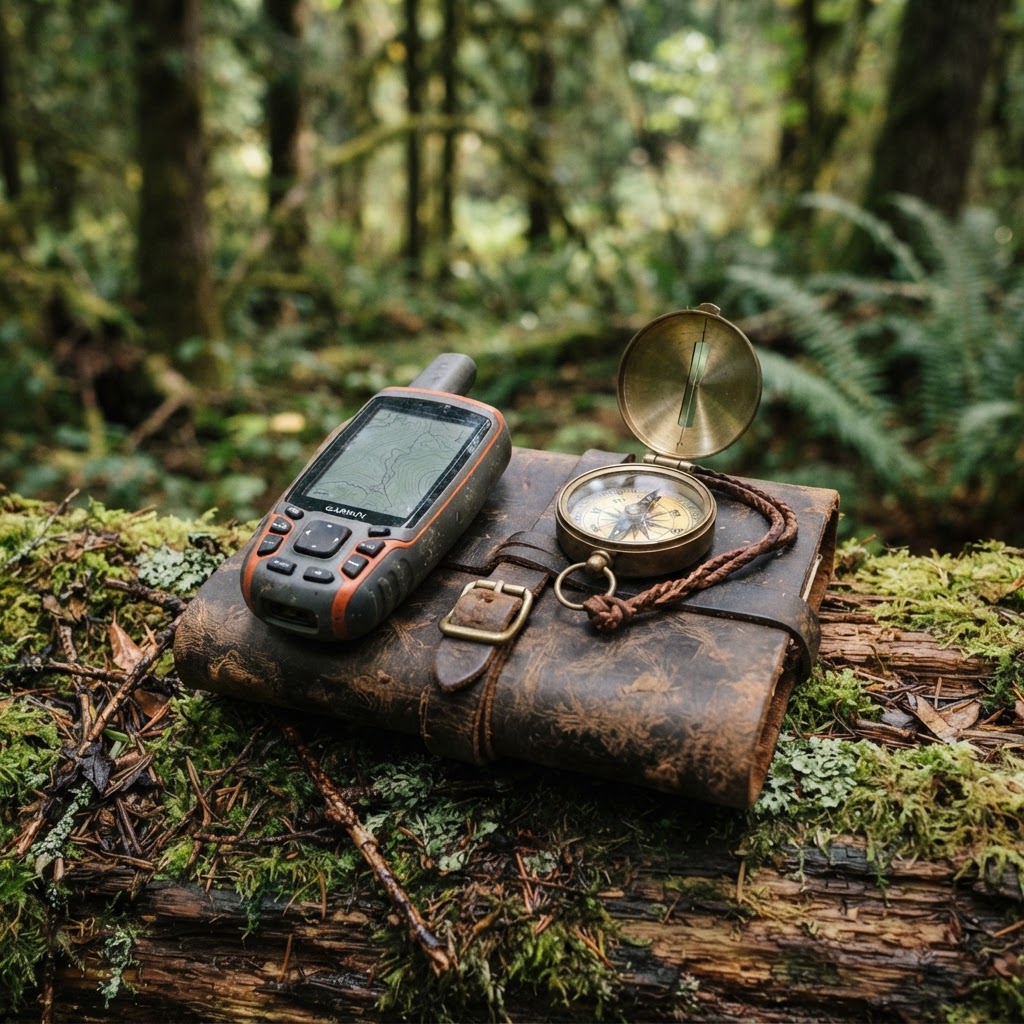
Precision Scouting: Mapping Your Setup for a More Efficient Season
Stop wandering the woods aimlessly and start hunting with purpose by mastering waypoint management for your gear and observations.
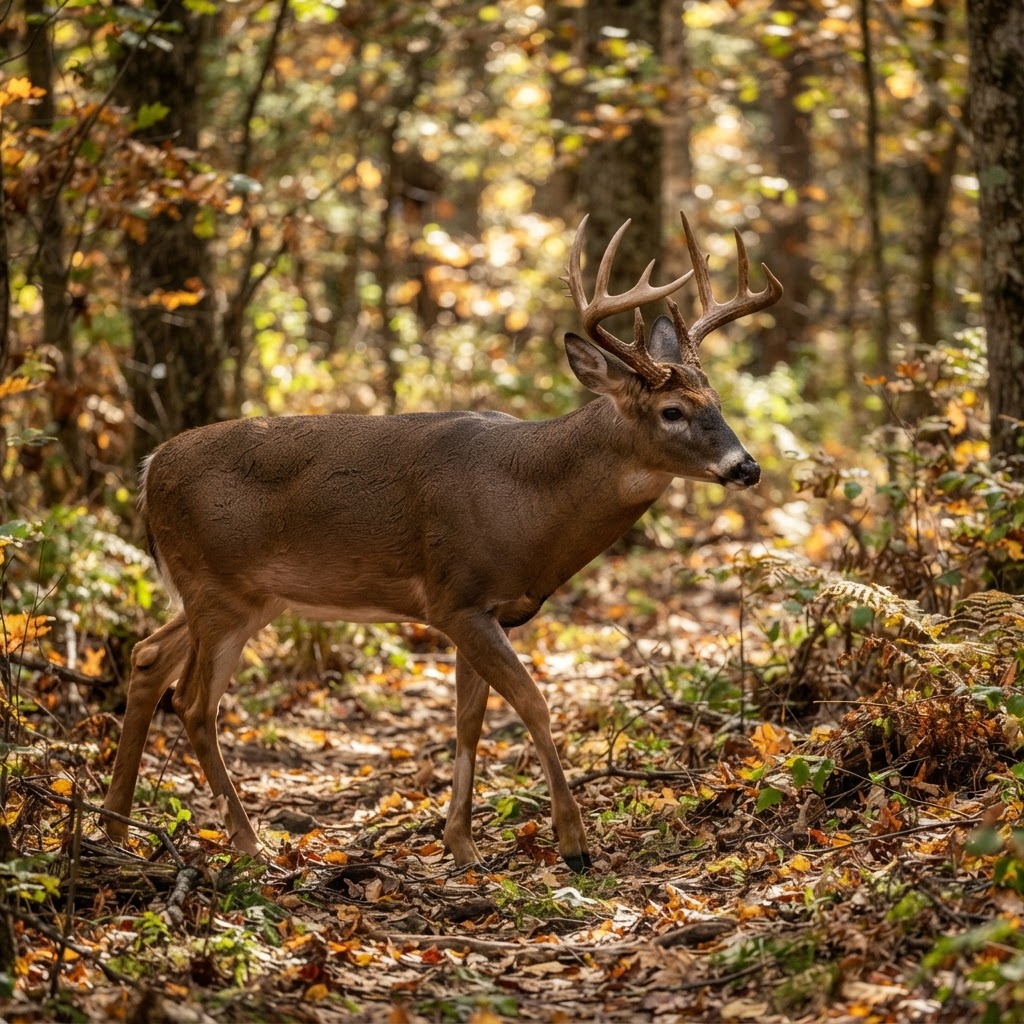
Data-Driven Scouting: Leveraging AI for Intelligent Deer Analysis
Tired of sorting through thousands of empty trail camera frames? Discover how to use automated AI analysis to pinpoint deer movement, categorize bucks, and reclaim your scouting time.
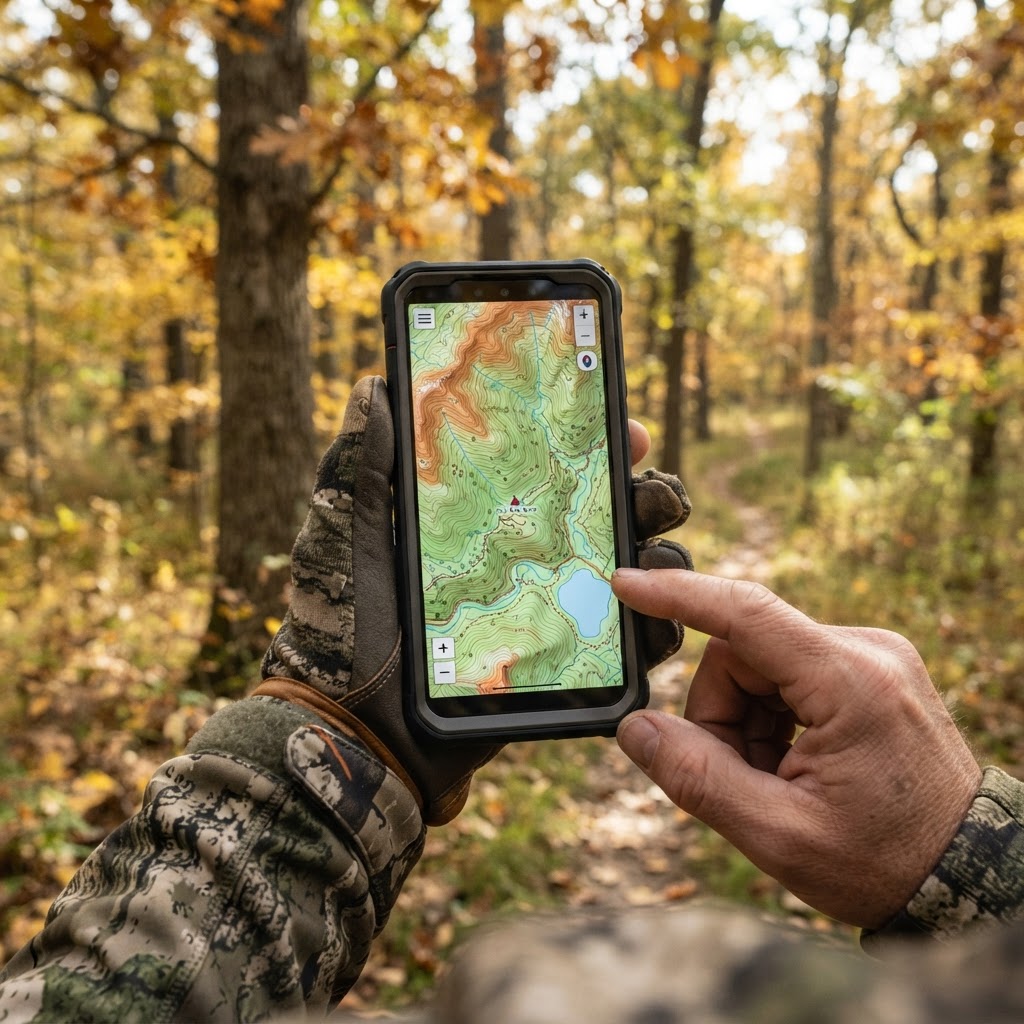
Digital Precision: Mastering Waypoint Management for Better Scouting
Take the guesswork out of your next hunt by learning to organize your stands, blinds, and trail cameras using digital mapping tools.