
The Four Flyways Explained: Where Ducks and Geese Migrate and Why
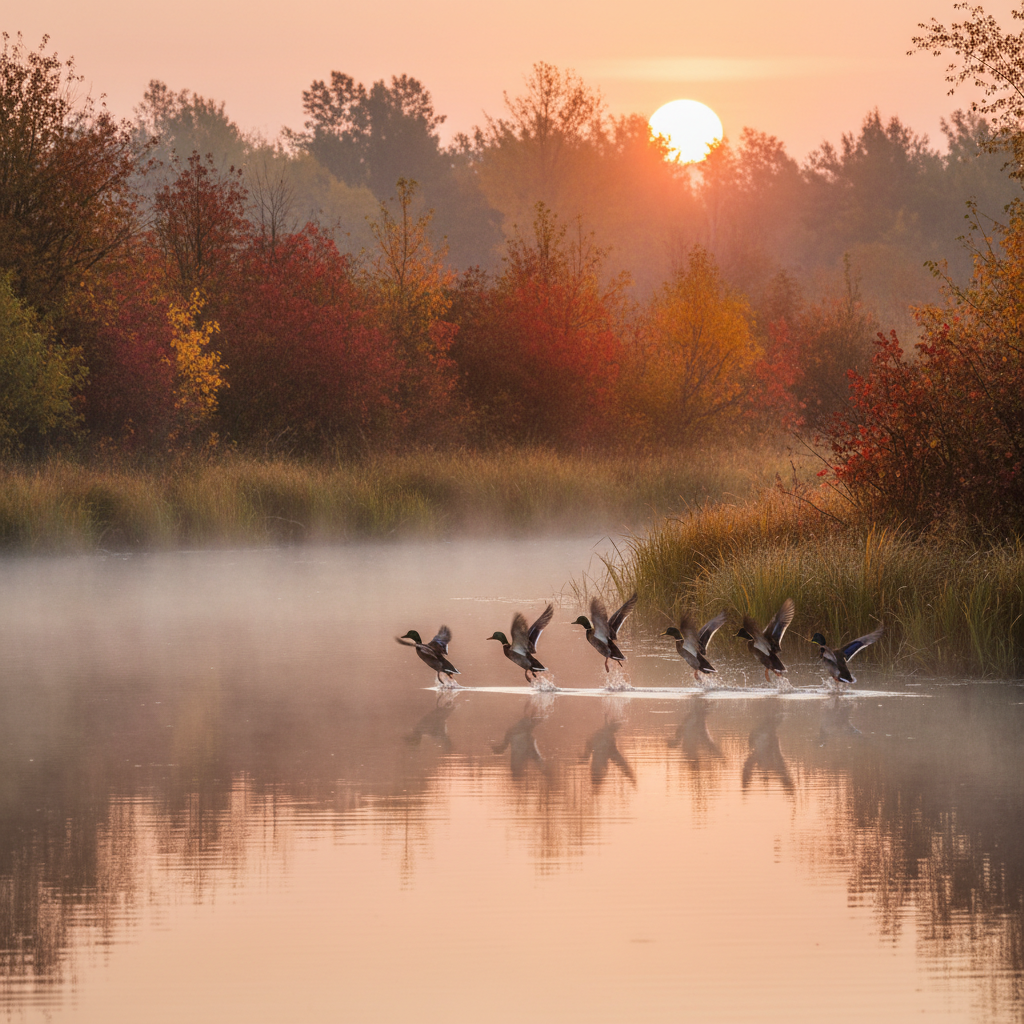
The Four Flyways Explained: Where Ducks and Geese Migrate and Why
As waterfowl hunters, understanding where ducks and geese migrate is essential for a successful hunt. In North America, four significant migratory routes, known as flyways, guide these birds: the Atlantic, Mississippi, Central, and Pacific Flyways. Each route encompasses distinct weather patterns and geographical features that influence the migration behaviors of various waterfowl species. This article will delve into these flyways, the weather conditions driving movement, and actionable strategies to enhance your hunting success.
Free hunting map, zones & 50-state resources
Save your spots, share zones with your group, and get deer & waterfowl movement forecasts — free.
Understanding the Flyways
1. Atlantic Flyway
The Atlantic Flyway encompasses the eastern seaboard and stretches from eastern Canada to Florida. This route is heavily influenced by the weather along the coast, particularly cold fronts moving southward from Canada. Ducks and geese use this corridor to find food in agricultural fields and wetlands.
2. Mississippi Flyway
Spanning from central Canada down to the Gulf of Mexico, the Mississippi Flyway is one of the most heavily traveled. This path is characterized by the vast Mississippi River and its tributaries, providing crucial habitats for waterfowl during their migratory journeys. Cold fronts often trigger mass movements, especially when combined with falling barometric pressure, signaling the birds to migrate south toward warmer wintering grounds.
3. Central Flyway
Covering the central United States and parts of Canada, the Central Flyway is vital for numerous species like mallards and northern pintails. Scouting this flyway often reveals that the birds prefer habitats created by either additional agricultural lands or natural wetlands. The timing of migration here tends to coincide with the onset of winter weather, making it essential for hunters to keep an eye on local forecasts.
4. Pacific Flyway
The Pacific Flyway runs from northern Alaska down to southern California. Unlike the other flyways, it has a milder climate, which affects both the migration timing and the types of species that pass through. Cold fronts do push some birds south, but the presence of water and food sources often leads many to linger longer in productive areas.
Weather Patterns and Waterfowl Movement
Weather is the primary driver behind waterfowl migration. Key factors include:
- Cold Fronts: A sudden drop in temperature causes birds to move south rapidly.
- Falling Barometric Pressure: This signals shifting weather, compelling birds to migrate before unpleasant conditions set in.
- Wind Conditions: Ideal wind speeds of 10–20 mph can aid migration. Strong tailwinds can enhance travel rates significantly, which is why birds often move during storms when winds change.
- Snow and Freeze-Ups: Harsh winter conditions force birds to seek out open water and food sources, so when freezing occurs, you can anticipate movement.
Practical Hunting Strategies
Understanding waterfowl migration is only the beginning. Here are practical strategies to boost your chances:
E-Tag States

Harvest Tags
E-check means you supply the tag. Printed with the exact fields your state requires.
3-pack $22.95
1. Decoy Spreads
Properly setting your decoys is crucial to imitate natural behavior. Consider using a mix of species to create realism. A can help you visualize optimal spread patterns depending on local conditions.
2. Blind Placement and Concealment
Choosing effective blind placement requires research and scouting. Set your blinds near natural cover and within sightlines of where birds typically land. Investing time in scouting helps identify their flight paths.
3. Calling Techniques
Effective calling can attract birds to your hunting area. Utilize realistic calls and familiarize yourself with the various sounds of different species to lure them in closer. Remember, over-calling often pushes birds away. Practice moderation to see how your calls influence bird behavior.
Raise a safe, confident young hunter.
Guide your kids ages 5–17 through interactive hunting safety missions, real decision drills, and earned trophies — all from one free parent account.
Bonus: every $10 you spend in the BHH shop earns a free seat (up to 5). Use them or share them.




4. Scouting and Real-Time Updates
Keeping track of movements and food availability is vital for success. Utilize real-time weather intel and migratory updates to enhance your scouting efforts.
Conclusion: Timing is Everything
Not only should you pay attention to local weather, but you should also align your hunting schedule with key migratory dates from your state hunting resources. As the hunting season approaches, reference the to plan your trips effectively. Each flyway has its nuances, and by leveraging this knowledge alongside keen observation of conditions, you can enjoy more successful hunting adventures.
Ultimately, becoming a well-rounded waterfowl hunter means understanding the environmental variables driving migration. Ensure you’re equipped with necessary insights and visit resources like our for a comprehensive understanding of the birds you’ll be chasing.
Happy hunting!
Explore More on Buckeye Hunter Hub
Join 420 hunters and anglers on Buckeye Hunter Hub — free.
Latest from the Community


New drop
Fresh Buckeye Hunter Hub tees & hoodies


Everything you need to hunt smarter — free
Buckeye Hunter Hub is a free, nationwide platform. Create an account and unlock the full toolkit:
Free Interactive Hunting Map
Mark stands, cameras, and sign. Draw hunting zones with public land & county overlays across all 50 states.
Zones with Group Sharing
Share zones with your hunting group, split property into sections, assign stands, and check in — all in one place.
50 States of Hunting Resources
Season dates, license links, and DNR regulations for every state, kept current so you never miss an opener.
Deer Movement Forecast
Data-driven daily movement predictions using wind, moon, and pressure — know when to sit before you go.
Waterfowl Movement & Tools
Flight-potential forecasts, migration numbers, decoy spread planner, and a full species field guide.
From the Maker Bench

Taggart Outdoors
Padded Rifle Sling
Hand-built in the USA · $134.99
Shop the MakerNew drop
Fresh Buckeye Hunter Hub tees & hoodies
Shop This

StopBox Pro Ward | Wall-Mounted
$179.00$199.99

StopBox Pro Compact
$159.00$179.99

The rut is on
$20.55

Buckeye Hunter Hub Hoodie — Feet Down
$32.87
E-Tag States
Harvest Tags
E-check means you supply the tag. Printed with the exact fields your state requires.
3-pack $22.95
More Articles

Introducing the BHH Gobble Stance Turkey Hoodie: Gear Up for Spring
Get ready for the turkey woods with our new BHH Gobble Stance Turkey Hoodie, designed for those who live for the outdoor lifestyle.

Introducing the BHH Gobble Stance Turkey Tee: Your New Favorite Field-to-Town Staple
Gear up for spring turkey season with the new BHH Gobble Stance Turkey Tee, the perfect blend of comfort and outdoor passion.

Gear Up for the Season: Introducing the New BHH Bugle Bull Elk Hoodie
Meet the ultimate layer for your next adventure. Our new Bugle Bull Elk Hoodie is designed for those who live for the woods, the water, and the wild.

Introducing the BHH Bugle Bull Elk Tee: Your New Favorite Field Companion
Upgrade your outdoor wardrobe with our brand new Bugle Bull Elk Tee, designed for the rugged hunter and angler who demands comfort both at camp and in town.