Puddle Ducks vs. Divers: How to Hunt Each the Right Way
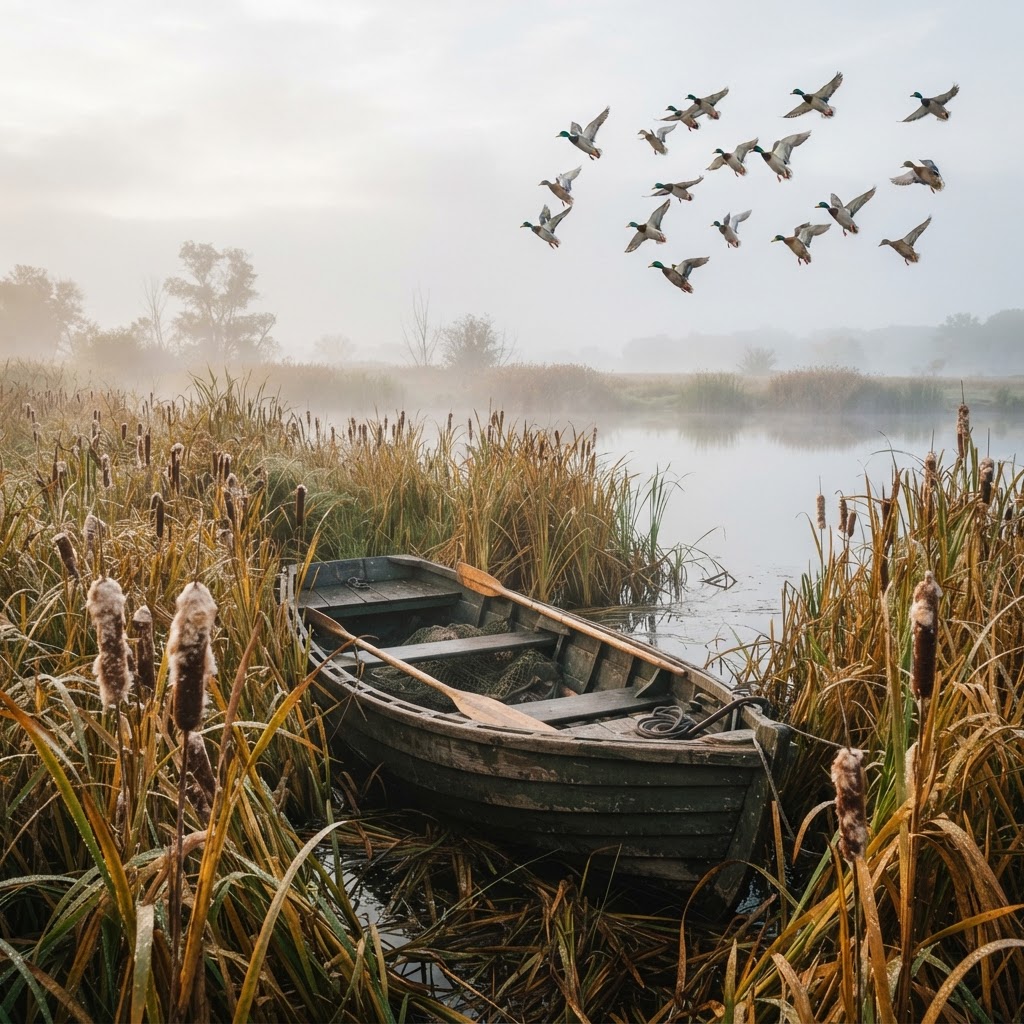
Understanding the Divide: Puddle Ducks vs. Divers
Waterfowl hunting is often simplified into one category, but seasoned hunters know that puddle ducks—like Mallards, Wood Ducks, and Teal—and diving ducks—such as Canvasbacks, Redheads, and Bluebills—require entirely different playbooks. Understanding their biology, flight paths, and feeding habits is the cornerstone of success for any serious waterfowler. Whether you are hunting the marshy backwaters or large, open-water reservoirs, your approach must shift to match the species.
Free hunting map, zones & 50-state resources
Save your spots, share zones with your group, and get deer & waterfowl movement forecasts — free.
The Puddle Duck Mindset: Precision and Patience
Puddle ducks are dabblers. They feed in shallow water by tipping up, keeping their tails in the air as they forage for aquatic vegetation and invertebrates. Because they live in smaller, more sheltered habitats, they rely on visual cues for safety.
Scouting and Placement
Scouting is vital for puddle ducks. You need to find their 'X'—the specific shallow bay or harvested cornfield where they are feeding. Use to identify high-potential marshes and wetlands in your area. Unlike divers, puddle ducks are easily spooked by erratic movement and poor concealment. When setting up, focus on blending into the natural shoreline vegetation. If you are in the marsh, use tall grasses or cattails to break up your silhouette. Remember, when the wind kicks up between 10–20 mph, these birds become more active and tend to decoy much more readily as they seek refuge in sheltered pockets.
Decoy Spreads and Calling
For puddle ducks, a smaller, more realistic spread often beats a massive one. Focus on 'landing holes' in your . Use a 'J-hook' or 'U-shape' pattern to funnel the birds into a specific zone in front of your blind. Calling should be conversational. Don't over-call; mimic the sounds you hear on the water. A soft feed chuckle and a few contented quacks are often more effective than aggressive hail calls, especially on pressured birds.
The Diving Duck Strategy: Speed and Open Water
Diving ducks are the fighter jets of the waterfowl world. They congregate on large, deep bodies of water and require a running start to take flight. When a cold front pushes through and creates falling barometric pressure, watch for divers to move aggressively ahead of the storm. They are built for big water and heavy winds.
Scouting and Tactics
Divers are far less wary of boat traffic and large, visible spreads than puddle ducks. You can often get away with a massive decoy rig—sometimes 50 to 100 decoys—to simulate a large raft of birds. When hunting divers, location is usually about being in the 'travel lane' between their loafing area and their feeding grounds. Study to understand when the big flights of Bluebills or Canvasbacks are likely to pass through your latitude.
E-Tag States

Harvest Tags
E-check means you supply the tag. Printed with the exact fields your state requires.
3-pack $22.95
Rigging for the Deep
When hunting divers, motion is your best friend. Use gang lines with long-line clips so you can deploy large numbers of decoys quickly. Because divers spend their time in open water, they are accustomed to seeing large groups of birds. Use flashier decoys—those with high-contrast paint schemes or even 'diver jerk-rigs' to simulate the movement of birds feeding or diving. When the wind hits that 15-20 mph mark, look for birds to stick tight to the waves. Be prepared for high-speed, 'all-or-nothing' shots that test your marksmanship.
Weather: The Great Equalizer
Regardless of the species, weather is the primary catalyst for movement. A massive freeze-up to your north will force birds to move rapidly, creating 'migration days' where the skies are thick with waterfowl. During these times, look for the leading edge of a cold front. As the barometer falls, birds get restless and begin to feed heavily. This is when you should be in the field. Conversely, during bluebird days with high pressure, birds tend to sit tight. Use these slower days to check your and brush up on your bird identification skills to ensure you stay within your daily bag limits.
Raise a safe, confident young hunter.
Guide your kids ages 5–17 through interactive hunting safety missions, real decision drills, and earned trophies — all from one free parent account.
Bonus: every $10 you spend in the BHH shop earns a free seat (up to 5). Use them or share them.



Actionable Takeaways for Success
- Match the Environment: Never hunt a diver spread in a shallow marsh, and don't try to hunt puddle ducks in the middle of a big, open lake without significant structural cover.
- Wind is Your Ally: Both species decoy better in 10-20 mph winds. Use the wind to your advantage to dictate the bird's approach angle.
- Concealment Matters: You can get away with a bigger spread for divers, but you can never get away with poor concealment, regardless of the species. Brush your blinds thoroughly.
- Stay Mobile: If the birds aren't flying to your spot, be prepared to move. Use to scout secondary locations before the morning flight begins.
By respecting the differences between puddle ducks and divers, you transform from a casual observer into a tactical hunter. Keep an eye on the weather, keep your decoys clean, and always hunt with a conservation-first mindset.
Join 887 hunters and anglers on Buckeye Hunter Hub — free.
Latest from the Community


Preorder · 13 days left
Buckeye Hunter Hub Camo Trucker Hat — Treeline Logo
Includes 50% off Lifetime Pro
Everything you need to hunt smarter — free
Buckeye Hunter Hub is a free, nationwide platform. Create an account and unlock the full toolkit:
Free Interactive Hunting Map
Mark stands, cameras, and sign. Draw hunting zones with public land & county overlays across all 50 states.
Zones with Group Sharing
Share zones with your hunting group, split property into sections, assign stands, and check in — all in one place.
50 States of Hunting Resources
Season dates, license links, and DNR regulations for every state, kept current so you never miss an opener.
Deer Movement Forecast
Data-driven daily movement predictions using wind, moon, and pressure — know when to sit before you go.
Waterfowl Movement & Tools
Flight-potential forecasts, migration numbers, decoy spread planner, and a full species field guide.
From the Maker Bench

SE Ohio Outdoors
Euro Mount Hook
Hand-built in the USA · $8.00
Shop the MakerBHH Partner

Firearms, ammo and gear from a local Ohio shop in Grafton. Stop in before the season.
dnaarmory.comShop This

StopBox Pro Ward | Wall-Mounted
$179.00$199.99

StopBox Pro Compact
$159.00$179.99

BHH Blackwood Camo Tee
$29.31

BHH Ember Camo Tee
$29.31
E-Tag States
Harvest Tags
E-check means you supply the tag. Printed with the exact fields your state requires.
3-pack $22.95
More Articles
From Chaos to Clarity: Sorting Your Trail Cam Intel
Drowning in thousands of trail camera images? Learn how to stop manual sorting and start building a real-time intel network on your property.

High Country Tactics: Mastering Colorado Public Land Hunting
Colorado’s rugged peaks and vast public expanses offer a lifetime of adventure, but success requires more than just a tag. Learn how to navigate the unique challenges of the Rockies with these expert field strategies.

Wear Your Hunt Zone: Build a Private Map Shirt With Your Own Slogan
Turn your saved hunt zone and waypoint pins into a one-of-a-kind topo map tee or hoodie with your own slogan. Only you can see it or order it.
Data-Driven Decisions: Refining Your Herd Strategy with Automated Image Categorization
Tired of scrolling through thousands of empty trail camera frames to find one shooter buck? Discover how automated filtering can transform your raw camera data into a precise seasonal hunting plan.