
Puddle Ducks vs. Divers: How to Hunt Each the Right Way
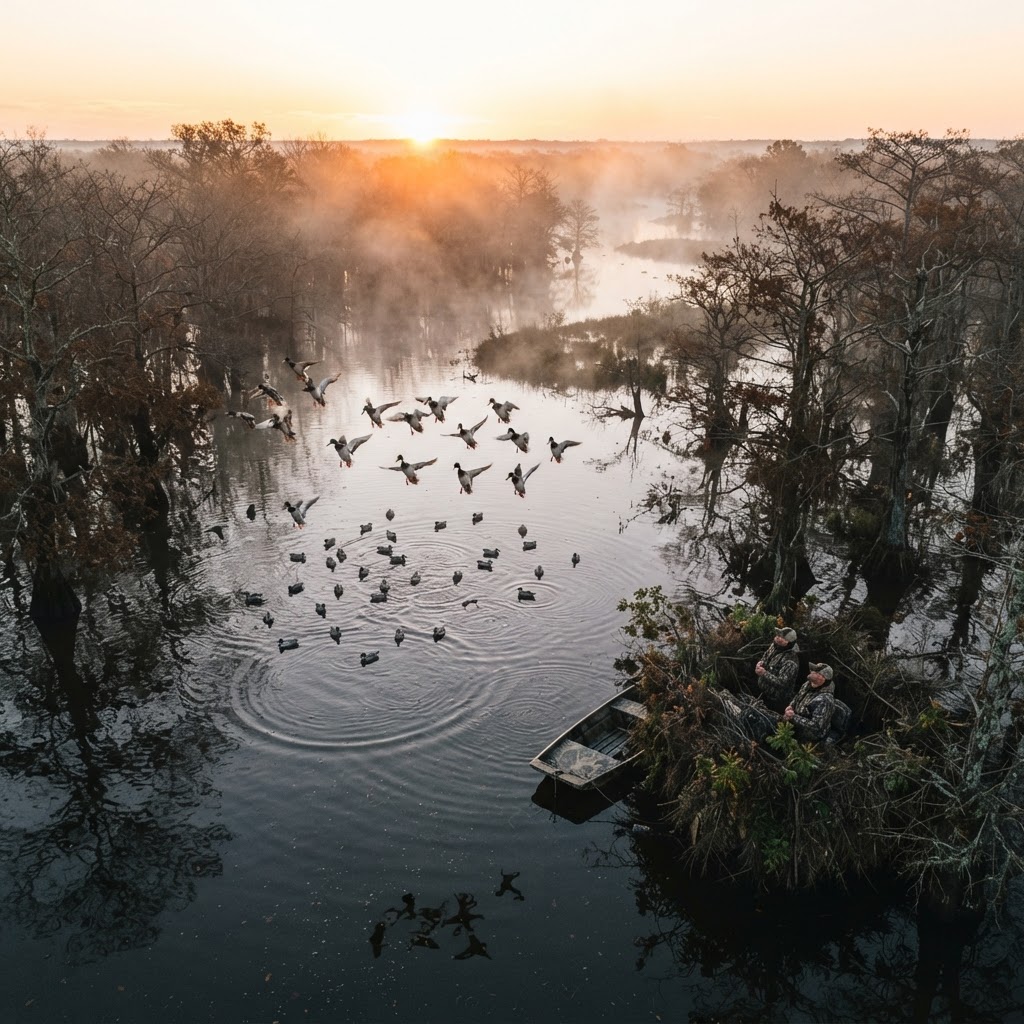
Puddle Ducks vs. Divers: How to Hunt Each the Right Way
Not all ducks are created equal, and any seasoned waterfowler will tell you that hunting mallards in a flooded timber slough is a completely different game than chasing bluebills on a windswept big-water bay. Puddle ducks and diving ducks behave differently, react to weather differently, and demand entirely different approaches when it comes to decoy spreads, blind placement, calling, and scouting. If you're treating them the same, you're leaving birds on the water.
Free hunting map, zones & 50-state resources
Save your spots, share zones with your group, and get deer & waterfowl movement forecasts — free.
At Buckeye Hunter Hub, we believe in hunting smarter, not harder — so let's break down how to read each group and hunt them the right way.
Know Your Birds: Puddle Ducks vs. Divers
Puddle ducks — mallards, pintails, gadwall, teal, wigeon, shovelers — are shallow-water dabblers. They feed by tipping up in flooded timber, moist-soil units, flooded ag fields, and shallow marsh edges. They prefer calm, shallow water and are highly responsive to calling and decoy motion.
Divers — bluebills (lesser scaup), canvasbacks, redheads, ringnecks, goldeneyes, buffleheads, and mergansers — are built for big, open water. They dive for food, tolerate rough conditions, and often move in large, rafting flocks. They're far less vocal and respond more to big numbers and visibility than to persuasive calling.
Before you pattern any field or marsh, check our to confirm what you're targeting and what's currently moving through your flyway.
How Weather Drives Waterfowl Movement
Both puddle ducks and divers are migratory, but they key in on different weather signals.
Cold Fronts and Falling Barometric Pressure
A strong cold front with falling barometric pressure is the single best duck-hunting trigger in the lower 48. Birds feel the pressure drop and instinctively feed aggressively ahead of the front. Puddle ducks will pour into shallow flooded fields and timber to carb-load; divers will slide into shallower bays and feed heavily. Our is built to help you time these fronts and track real migration progress across each flyway.
Wind: 10–20 mph Is the Sweet Spot
Birds want wind — but not a hurricane. Ten to twenty miles per hour is the sweet spot. Wind creates decoy motion, breaks up silhouettes, and pushes birds into protected lee shores where you can intercept them. Light wind is a killer for diver hunters on big water; too much wind makes puddle ducks wary and keeps them off open flats. Check wind direction against shoreline contours before you set up.
Snow and Freeze-Ups
Shallow water freezes first, which pushes puddle ducks out of timber and marsh ponds onto flowing rivers, spring holes, and open ag fields. Divers, being cold-hardy, often hold tight until hard ice locks up the bays. After a hard freeze, concentrate on moving water and any open hole you can keep from icing — that's where pressured birds will pile in.
Flyway Migration Timing
Migration is a wave, not an event. Early season brings teal and local wood ducks; mid-season pushes pintails, gadwall, and early divers; the back end is mallards, black ducks, and the big diver rafts. Use to stay legal, and check for zone boundaries and daily bag limits.
Hunting Puddle Ducks the Right Way
E-Tag States

Harvest Tags
E-check means you supply the tag. Printed with the exact fields your state requires.
3-pack $22.95
Scouting and Habitat
Puddle ducks are where the food is — flooded corn, rice, soybeans, oak flats with acorns, and moist-soil plants like smartweed and millet. Scout mornings and evenings from a distance with binoculars, and mark exactly where birds want to be. Use our tools to help log roosts, feeding fields, and travel corridors.
Decoy Spreads for Puddle Ducks
Less is often more with puddlers. A tight, natural-looking spread of 12–36 decoys works in timber and small potholes; field hunting may require 60–150 to pull high-flying migrants. Use a feeder-and-loaf mix with a small landing hole positioned downwind of your blind. Motion is critical — a jerk cord or spinning wing decoy can close the deal on slow days. Build your setup with our .
Calling Puddle Ducks
Puddle ducks are vocal and social. A confident hen mallard call — greeting call, then feeding chuckle, then comeback call if they're circling — is gold. Read the birds: if they lock up, stop calling; if they're sliding off, hit them with a comeback. Over-calling is the number-one mistake in pressured public marshes.
Raise a safe, confident young hunter.
Guide your kids ages 5–17 through interactive hunting safety missions, real decision drills, and earned trophies — all from one free parent account.




Blind Placement and Concealment
Puddle ducks are sharp-eyed and pattern-savvy. Set the blind where the sun is behind you, the wind is at your back or crossing, and the landing hole is in kill range. In timber, brush in hard with native branches; in fields, use layout blinds with stubble that matches the cut. If birds flare, your hide is the problem, not your calling.
Hunting Divers the Right Way
Scouting and Habitat
Divers want open water — big lakes, reservoirs, river mouths, coastal bays, and the Great Lakes. Look for submerged vegetation, mussel beds, and shallow flats adjacent to deep water. Scout for rafting flocks and note the shoreline points and lee coves where they feed. The U.S. Fish & Wildlife Service's North American Waterfowl Management Plan is a good reference for understanding how habitat drives diver distribution.
Decoy Spreads for Divers
Divers respond to big numbers and long lines. Think 50 to 200+ decoys, set in long lines running downwind toward your blind, with a large landing pocket in close. Bluebill, canvasback, and redhead blocks should dominate; a few goldeneye or bufflehead confidence decoys on the edge add realism. Flagging works better than spinners here — diver hunters have flagged in birds for generations.
Calling Divers
Calling divers is mostly a waste of breath. A few low guttural grunts or diver-specific calls can help on close passes, but visibility, numbers, and motion are what bring them. Focus your effort on the spread and the hide.
Blind Placement and Concealment
Divers move fast and low over the water, often committing hard once they drop. A shoreline blind on a point, a floating blind over a shallow flat, or a layout boat in the decoys all work. Brush with cattails or native grasses and keep silhouettes broken up against the sky. Big water is unforgiving — prioritize safety, always wear a PFD, and never run a diver spread alone if the forecast calls for shifting winds.
Putting It All Together
Whether you're chasing greenheads in a flooded oak flat or bluebills on a November bay, the fundamentals are the same: read the weather, scout hard, set a believable spread, and hide like your life depends on it — because to a duck, it does. Lean on our tools, tap into our blog for in-depth tactics, and check out available resources if you're looking to lock down your own duck hole.
When you're ready to gear up, shop for the essentials. Hunt hard, hunt safe, and we'll see you in the blind.
Explore More on Buckeye Hunter Hub
<!-- links-cleaned -->Join 298 hunters and anglers on Buckeye Hunter Hub — free.
Latest from the Community


New drop
Fresh Buckeye Hunter Hub tees & hoodies


Everything you need to hunt smarter — free
Buckeye Hunter Hub is a free, nationwide platform. Create an account and unlock the full toolkit:
Free Interactive Hunting Map
Mark stands, cameras, and sign. Draw hunting zones with public land & county overlays across all 50 states.
Zones with Group Sharing
Share zones with your hunting group, split property into sections, assign stands, and check in — all in one place.
50 States of Hunting Resources
Season dates, license links, and DNR regulations for every state, kept current so you never miss an opener.
Deer Movement Forecast
Data-driven daily movement predictions using wind, moon, and pressure — know when to sit before you go.
Waterfowl Movement & Tools
Flight-potential forecasts, migration numbers, decoy spread planner, and a full species field guide.
From the Maker Bench

Taggart Outdoors
Padded Rifle Sling
Hand-built in the USA · $134.99
Shop the MakerNew drop
Fresh Buckeye Hunter Hub tees & hoodies
Shop This

StopBox Pro Ward | Wall-Mounted
$179.00$199.99

StopBox Pro Compact
$159.00$179.99

Buckeye Hunter Hub Tee — No Tag Left Behind
$20.55

Buckeye Hunter Hub Hoodie — No Tag Left Behind
$32.87
Washington · E-Tag State

Washington Harvest Tags
E-check means you supply the tag. Printed with the exact fields Washington requires.
3-pack $22.95
More Articles
Master Your Home Defense: The StopBox Advantage
When seconds count, reliable access to your firearm is vital. Explore the StopBox lineup at Buckeye Hunter Hub to secure your home defense setup today.
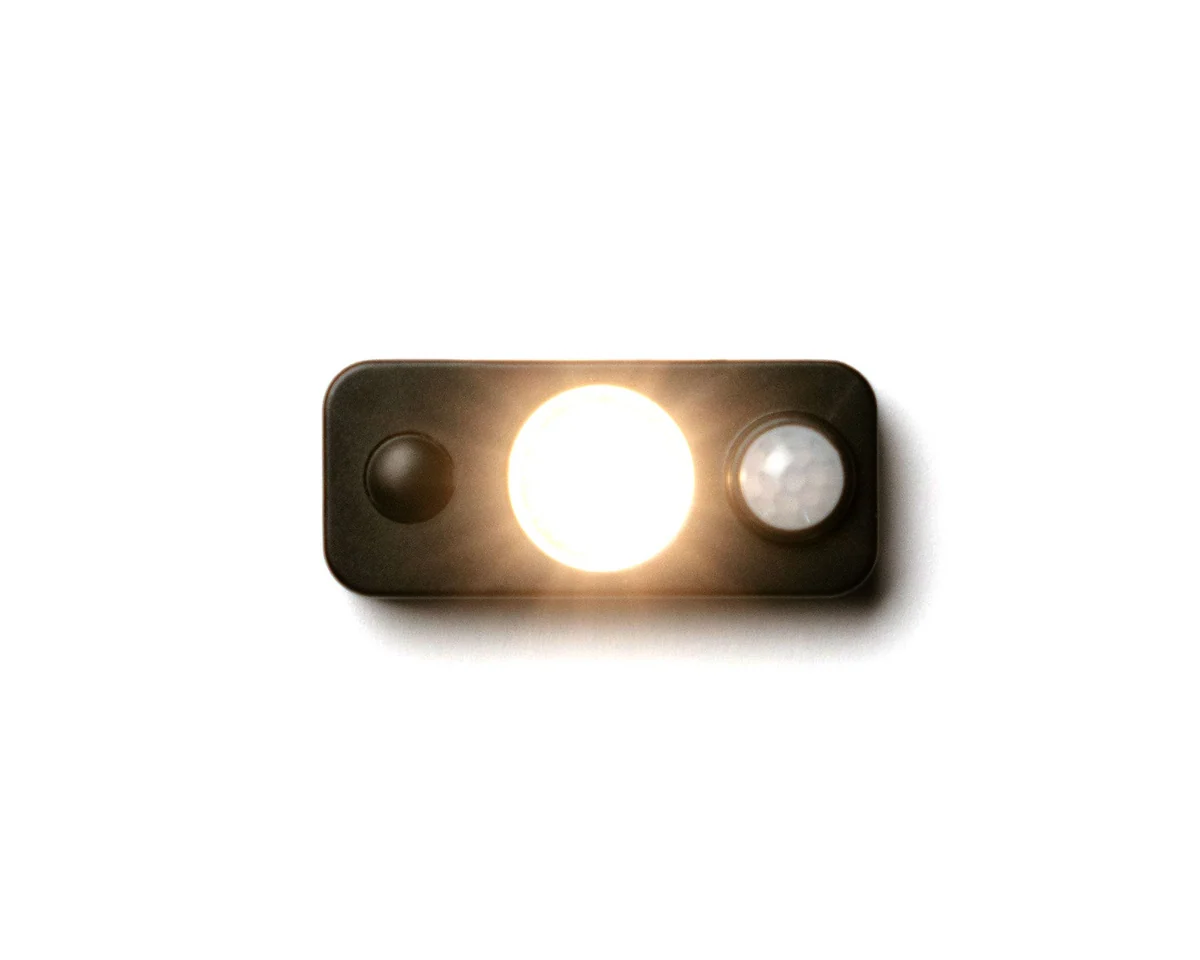
Elevating Retail Security: Partnering with Buckeye Hunter Hub for StopBox Distribution
Expand your inventory with top-tier firearm storage solutions. Buckeye Hunter Hub is now offering a streamlined wholesale program for retailers to stock StopBox products.
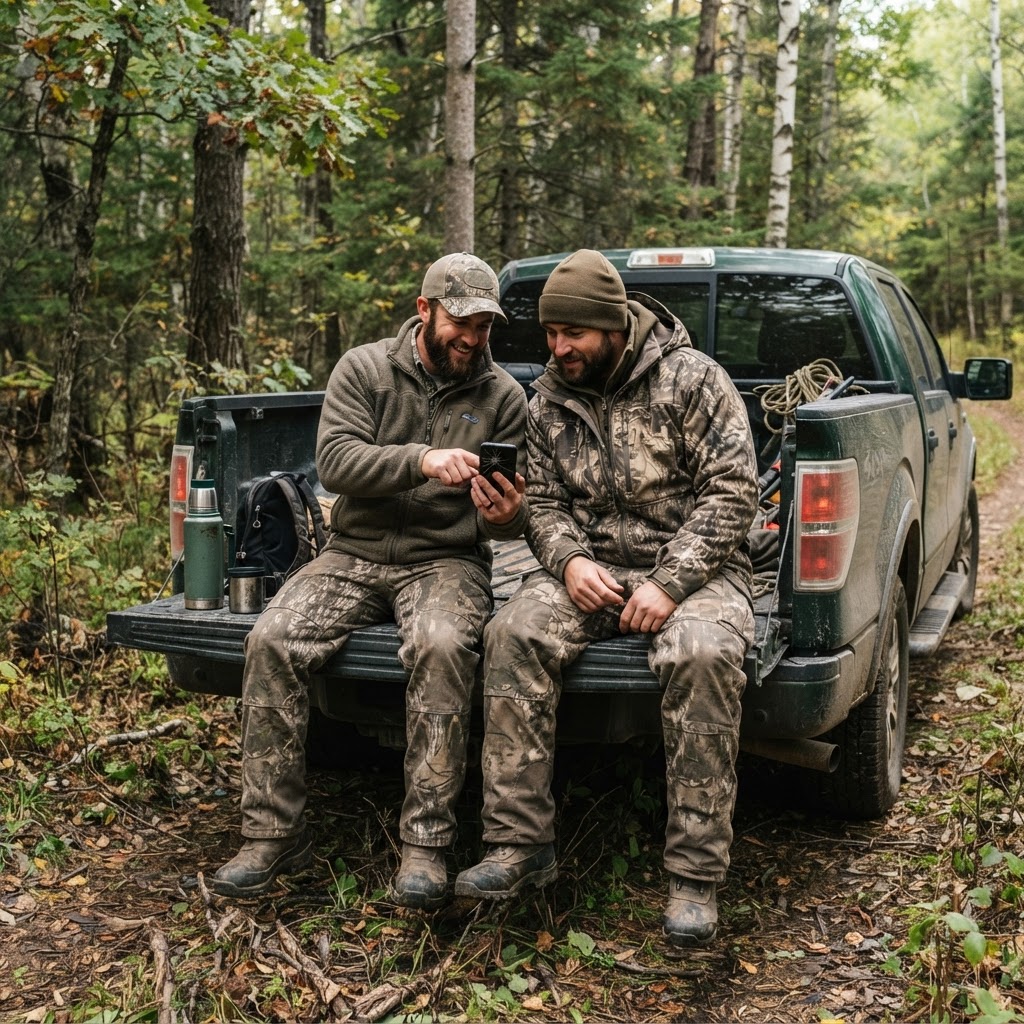
Cultivating Connection: How to Thrive Within the Buckeye Hunter Hub Groups
Hunting is often a solitary pursuit, but the depth of your success depends on the network you build. Discover how to leverage the Buckeye Hunter Hub groups to sharpen your skills and elevate your time in the field.
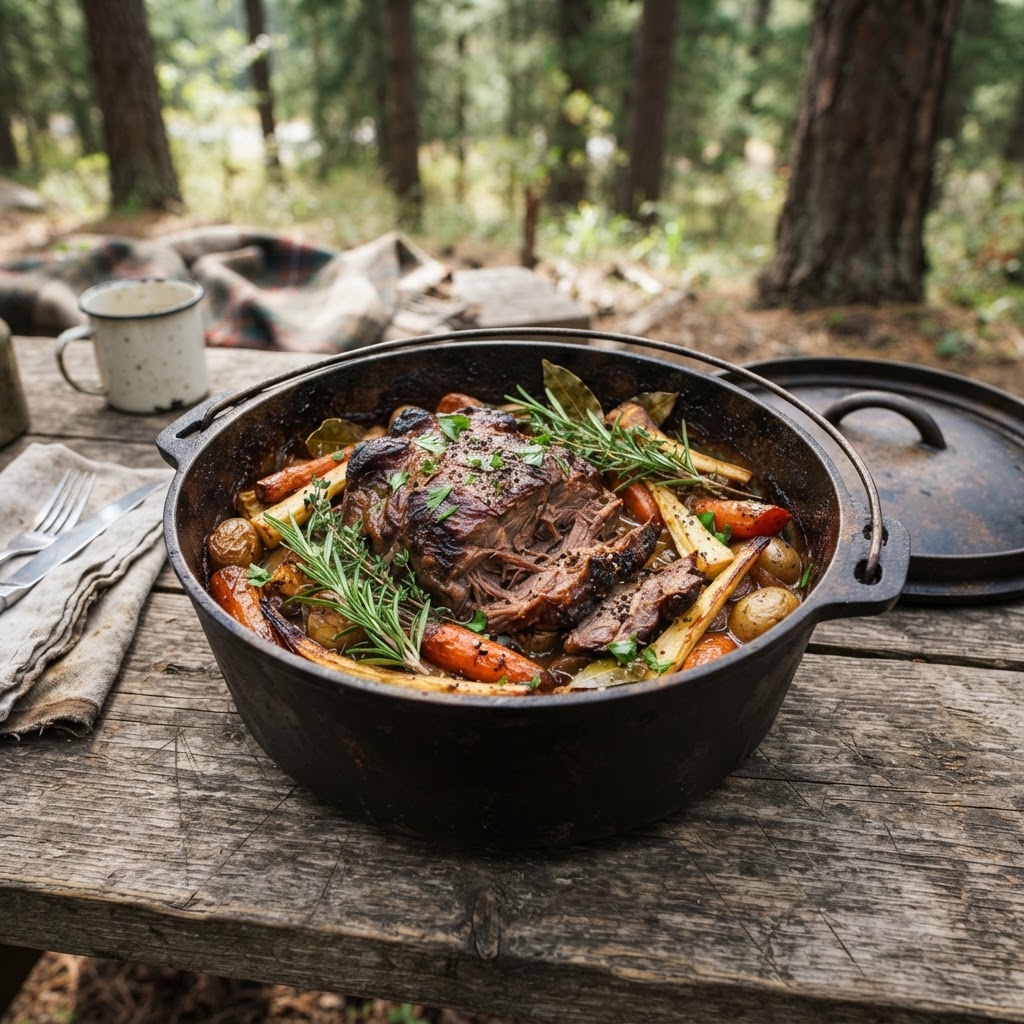
Field to Table: Mastering the Slow-Roasted Bear and Root Vegetables
Transform your fall harvest into a rustic masterpiece with this foolproof bear roast recipe that highlights the richness of wild-harvested meat.