Mastering the Woods: How to Read Deer Sign to Improve Your Odds
Decoding the Language of the Whitetail
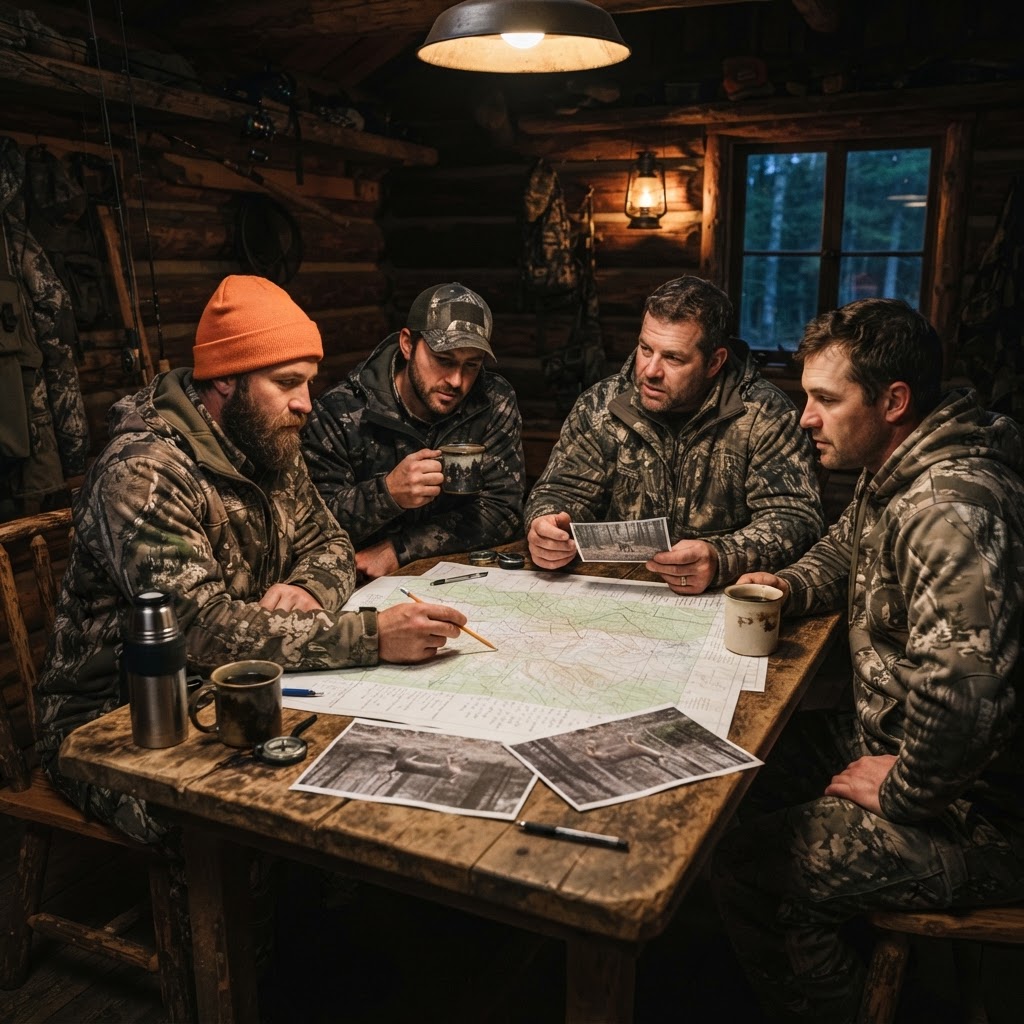
For many hunters, the transition from being a passive observer to a successful harvester begins the moment they learn to read the forest floor. A deer’s environment is a complex map of social interactions, survival necessities, and behavioral patterns. By understanding how to interpret rubs, scrapes, and bedding areas, you can turn a walk through the woods into a masterclass in deer movement. At Buckeye Hunter Hub, we believe that the best hunt starts with intelligence, not just luck.
Free hunting map, zones & 50-state resources
Save your spots, share zones with your group, and get deer & waterfowl movement forecasts — free.
The Rub: Signs of Dominance
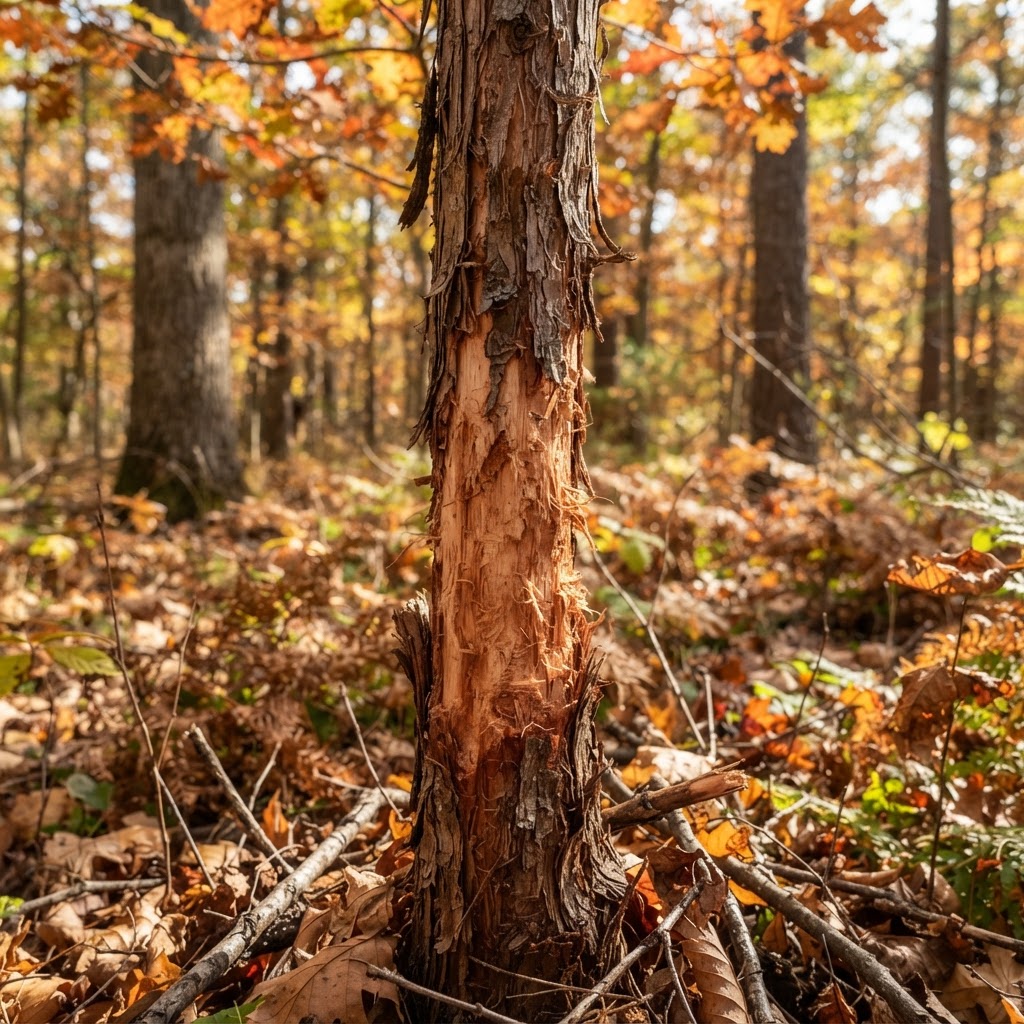
Tree rubs are more than just cosmetic damage to saplings; they are a deer’s way of marking territory and venting frustration. When a buck strips the bark off a tree, he is creating a visual and olfactory beacon for other deer.
How to Read a Rub
- Size Matters: The diameter of the tree and the height of the rub tell a story. A thick, shoulder-height rub on a sturdy tree is usually the work of a mature, dominant buck.
- Freshness: A bright, light-colored wood scar indicates the rub happened within the last 24 to 48 hours. If the wood is dark or weathered, it is an older sign that may not indicate current travel patterns.
- The Line of Travel: Rubs often appear in lines along travel corridors. When you find one, scan the area for more in a straight line; this is likely the buck’s path between bedding and feeding areas. If you're struggling to track these patterns, checking the can help you visualize the terrain features these bucks are using to move safely.
The Scrape: The Social Hub
Scrapes are arguably the most important piece of evidence you can find during the pre-rut and rut. Think of a scrape as a community bulletin board where deer leave scent to communicate their status, health, and availability.
Where to Find Them
E-Tag States

Harvest Tags
E-check means you supply the tag. Printed with the exact fields your state requires.
3-pack $22.95
Look for scrapes along the edges of timber, in creek bottoms, or near field corners—anywhere there is a "licking branch" hanging overhead. The licking branch is critical; deer deposit scent from their pre-orbital glands here. A scrape without a licking branch is often just a curiosity, but a well-used scrape with a frayed branch is a goldmine.
When you find a primary scrape, don't hunt directly on top of it unless you have perfect wind conditions. Instead, set up your stand 50 to 100 yards downwind on the primary trail leading to it. Understanding confirms that mature bucks often check these areas from downwind to keep themselves undetected.
Bedding Areas: Respecting the Sanctuary
Raise a safe, confident young hunter.
Guide your kids ages 5–17 through interactive hunting safety missions, real decision drills, and earned trophies — all from one free parent account.
Bonus: every $10 you spend in the BHH shop earns a free seat (up to 5). Use them or share them.



Finding a bed is like finding a deer’s living room. It’s where they feel secure. Bedding areas are usually located in thick cover, on benches in hilly terrain, or on small islands of brush in larger fields.
Reading the Bed
- Size and Shape: A large, oval-shaped depression often indicates a buck, while smaller, more compact beds are typically from does.
- Wind Advantage: A deer will almost always bed with its back to an obstacle or a cliff and its face toward its backtrail, allowing it to see incoming predators while smelling anything approaching from downwind.
If you locate a high-traffic bedding area, the rule is to stay out. Over-hunting a bedroom will push the deer out of your entire property. Instead, identify the transition zones between these beds and the nearest food source. These corridors are the most efficient places to intercept a buck as he heads out to feed in the evening or returns to his sanctuary at dawn.
Putting It All Together
When you combine rubs, scrapes, and bedding areas, you start to see a complete picture of the landscape. A buck uses rubs to display dominance, scrapes to communicate, and specific beds to survive. By overlaying this information with a tool like our , you can identify the exact time of day these signs are most likely to be refreshed.
Always remember to check your to ensure you are familiar with the specific regulations for the area you are hunting. Different regions require different approaches to sign reading, but the fundamentals of patience and observation remain the same. The woods are constantly talking—you just have to learn how to listen.
Join 737 hunters and anglers on Buckeye Hunter Hub — free.
Latest from the Community


Everything you need to hunt smarter — free
Buckeye Hunter Hub is a free, nationwide platform. Create an account and unlock the full toolkit:
Free Interactive Hunting Map
Mark stands, cameras, and sign. Draw hunting zones with public land & county overlays across all 50 states.
Zones with Group Sharing
Share zones with your hunting group, split property into sections, assign stands, and check in — all in one place.
50 States of Hunting Resources
Season dates, license links, and DNR regulations for every state, kept current so you never miss an opener.
Deer Movement Forecast
Data-driven daily movement predictions using wind, moon, and pressure — know when to sit before you go.
Waterfowl Movement & Tools
Flight-potential forecasts, migration numbers, decoy spread planner, and a full species field guide.
From the Maker Bench

SE Ohio Outdoors
Euro Mount Hook
Hand-built in the USA · $8.00
Shop the MakerBHH Partner

Firearms, ammo and gear from a local Ohio shop in Grafton. Stop in before the season.
dnaarmory.comShop This

StopBox Pro Ward | Wall-Mounted
$179.00$199.99

StopBox Pro Compact
$159.00$179.99

BHH Speckle Camo Hoodie
$53.36

BHH Blackwood Camo Hoodie
$53.36
E-Tag States
Harvest Tags
E-check means you supply the tag. Printed with the exact fields your state requires.
3-pack $22.95
More Articles
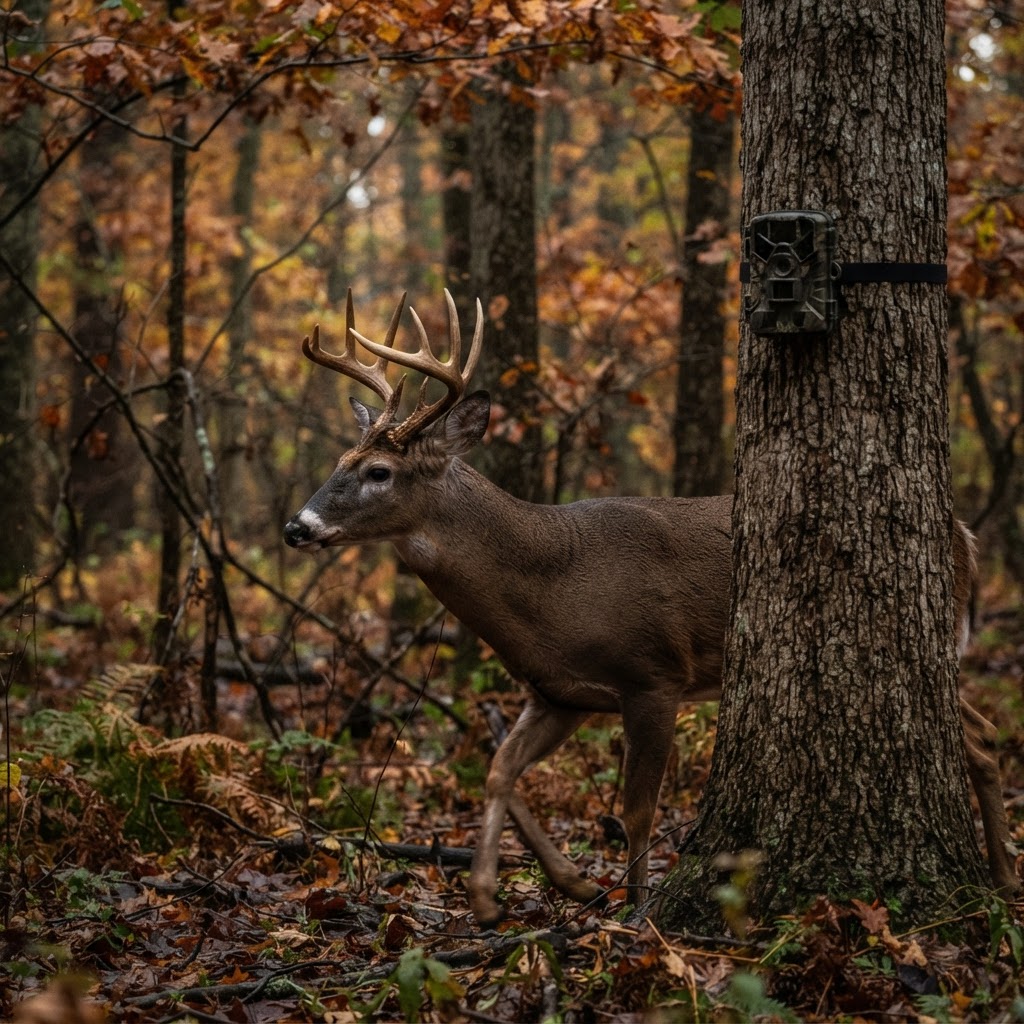
Automating the Audit: How to Use AI for Faster Trail Camera Analysis
Stop spending hours scrolling through thousands of empty trail camera images. Learn how to leverage AI to instantly identify bucks, does, and movement trends in the Buckeye Hunter Hub app.
The Power of the Pack: Maximizing Value in Buckeye Hunter Hub Community Groups
Solo hunting has its merits, but modern hunters know that collective wisdom is the ultimate competitive advantage. Here is how to harness the Buckeye Hunter Hub community to sharpen your skills and improve your success in the field.

Introducing the BHH Tundra Camo Hoodie: Performance Meets Rugged Style
Gear up for your next adventure with the all-new BHH Tundra Camo Hoodie, designed for the serious outdoorsman who demands style at camp and performance in the field.

Introducing the BHH Tundra Camo Tee: Gear Up for Your Next Pursuit
Meet the new BHH Tundra Camo Tee, built for the open country and designed for those who live for the outdoors. Whether you're glassing from a ridgeline or heading to the boat ramp, this shirt is your new go-to.