
Mastering the Woods: How to Read Deer Sign Like a Professional
Decoding the Landscape: A Hunter's Guide to Deer Sign
For many hunters, the woods can seem like a chaotic jumble of trees, leaves, and shadows. However, to the seasoned woodsman, the forest floor is a newspaper written in the language of whitetails. If you want to increase your success rate this season, you must learn to read the biological breadcrumbs left behind by the deer you are chasing. Understanding the nuances of rubs, scrapes, and bedding areas is the difference between a long, quiet sit and a successful harvest. At Buckeye Hunter Hub, we believe that woodsmanship is a skill set that must be practiced year-round.
Free hunting map, zones & 50-state resources
Save your spots, share zones with your group, and get deer & waterfowl movement forecasts — free.
Rubs: The Signposts of Dominance
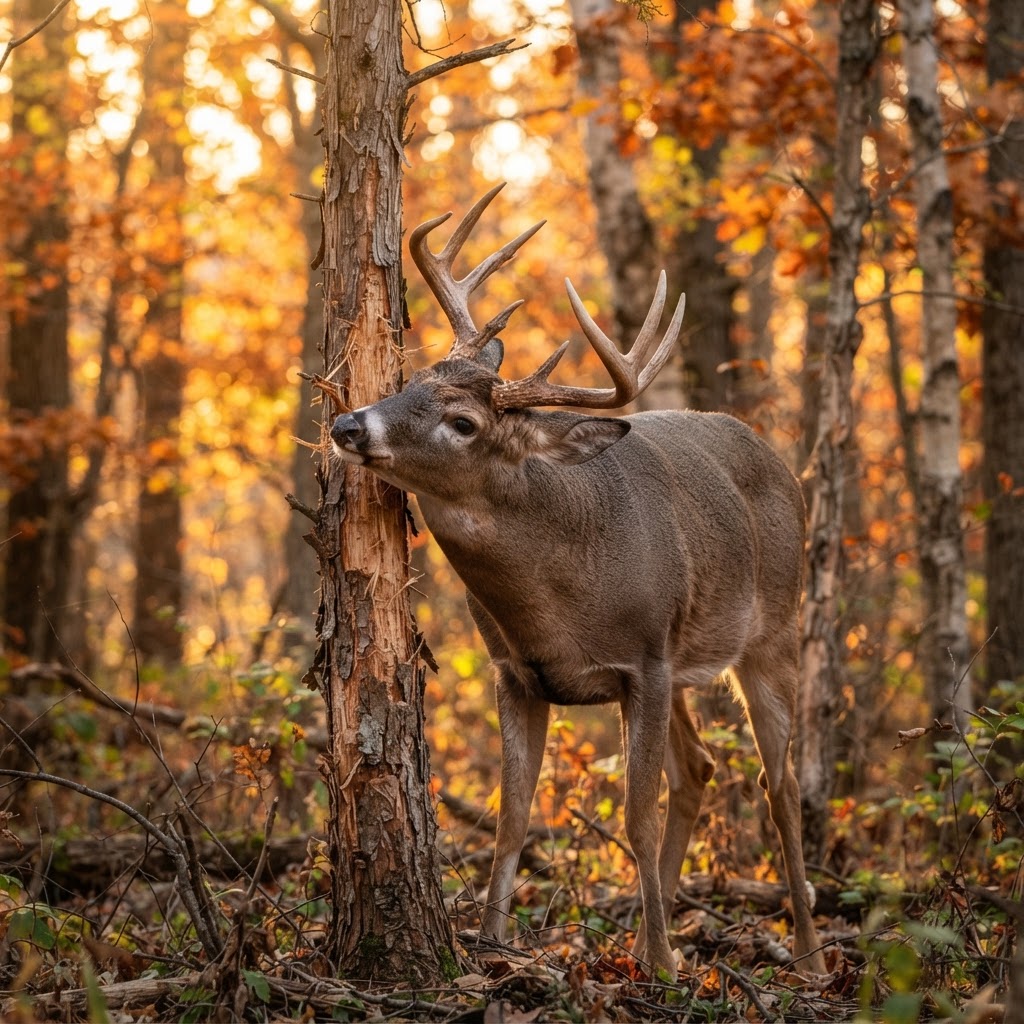
Rubs are perhaps the most misunderstood form of deer sign. Many hunters assume a rub is simply a place where a buck felt an itch, but these markings serve a complex social function. A rub is a visual and olfactory signpost used by bucks to announce their presence and status in the territory.
Identifying Fresh Rubs
When scanning a ridge or a transition line, look for the color of the exposed wood. If the wood is bright, white, and wet—or if there are shavings at the base of the tree—that rub was made within the last 24 hours. Darker, weathered rubs indicate older sign that may not be relevant to your current hunt. When you find a line of heavy rubs on a single tree or a series of trees, you have likely found a buck's travel corridor.
If you are struggling to understand why deer are moving through a specific area, consider reviewing to better correlate your findings with the biological triggers that govern buck activity. Placing a stand near a large, recurring rub line is a classic tactic for catching a dominant buck patrolling his core area.
Scrapes: The Communication Hubs
Scrapes are the social centers of the whitetail world. A scrape is an area where a buck has cleared away debris to expose the soil, often accompanied by a 'licking branch' above it. Throughout the pre-rut and the rut, bucks and does use these spots to communicate their breeding status.
E-Tag States

Harvest Tags
E-check means you supply the tag. Printed with the exact fields your state requires.
3-pack $22.95
Reading the Scrape
Not all scrapes are created equal. A 'primary' scrape is one that is used repeatedly by multiple deer throughout the season. These are typically located in high-traffic areas, such as the edge of a field or a major trail intersection. A 'secondary' or 'random' scrape is often a one-off mark that may not be visited again. To maximize your efficiency, prioritize setting up on primary scrapes. If you find a cluster of fresh, active scrapes, check the to see if local environmental conditions are lining up to put these deer on their feet during daylight hours.
Bedding Areas: The Heart of the Sanctuary
Finding a buck’s bed is the ultimate goal, but it is also the easiest way to spook your target deer for the rest of the season. A buck's bed is his sanctuary. It is usually placed in thick cover where the deer has the wind in his favor and a clear view of his backtrail.
Raise a safe, confident young hunter.
Guide your kids ages 5–17 through interactive hunting safety missions, real decision drills, and earned trophies — all from one free parent account.




Proximity and Pressure
When you locate bedding areas—identified by flattened grass, heavy concentrations of droppings, and the occasional patch of hair—do not hunt directly over them. Instead, identify the transition zones between the bedding area and the food source. This is where you can intercept a buck as he moves out in the evening or returns in the morning. If you are scouting new territory, consult to understand the land layout and terrain features that generally hold deer. Always remember that the best way to preserve a bedding area is to hunt the perimeter, keeping your scent downwind of the target zone.
Putting It All Together
Reading sign is an iterative process. It requires boots on the ground and a commitment to observing the 'why' behind the sign. Are the deer feeding? Are they rutting? Are they avoiding high-pressure areas? As you gather this data, keep track of your findings using to visualize the movement patterns of your target herd.
Remember that while technology and strategy are vital, the most effective tool in your kit is your patience. By focusing on fresh sign, understanding the function of the markers you find, and respecting the deer’s need for security in their bedding areas, you move from being a passenger in the woods to a predator who understands the rhythm of the game. Stay consistent, keep your scent control tight, and let the deer tell you exactly where they want to be.
Join 331 hunters and anglers on Buckeye Hunter Hub — free.
Latest from the Community
The hunt
Posted
The hunt
Jesse O · 2h ago

Trophy
2021 Spring Turkey
Richard Taggart · 6h ago

Trophy
2025 Spring Turkey
Richard Taggart · 10h ago

Trophy
2025 Buck… A Buck named King
fsufootball55 · 10h ago

Posted
Western hunting units map layer
Admin Josh · 11h ago

Posted
Rifle Slings and Leather Goods
Richard Taggart · 14h ago
New drop
Fresh Buckeye Hunter Hub tees & hoodies


Everything you need to hunt smarter — free
Buckeye Hunter Hub is a free, nationwide platform. Create an account and unlock the full toolkit:
Free Interactive Hunting Map
Mark stands, cameras, and sign. Draw hunting zones with public land & county overlays across all 50 states.
Zones with Group Sharing
Share zones with your hunting group, split property into sections, assign stands, and check in — all in one place.
50 States of Hunting Resources
Season dates, license links, and DNR regulations for every state, kept current so you never miss an opener.
Deer Movement Forecast
Data-driven daily movement predictions using wind, moon, and pressure — know when to sit before you go.
Waterfowl Movement & Tools
Flight-potential forecasts, migration numbers, decoy spread planner, and a full species field guide.
From the Maker Bench

Taggart Outdoors
Padded Rifle Sling
Hand-built in the USA · $134.99
Shop the MakerNew drop
Fresh Buckeye Hunter Hub tees & hoodies
Shop This

StopBox Pro Ward | Wall-Mounted
$179.00$199.99

StopBox Pro Compact
$159.00$179.99

Buckeye Hunter Hub Tee — Riding Shotgun
$20.55

Buckeye Hunter Hub Hoodie — Riding Shotgun
$32.87
E-Tag States
Harvest Tags
E-check means you supply the tag. Printed with the exact fields your state requires.
3-pack $22.95
More Articles
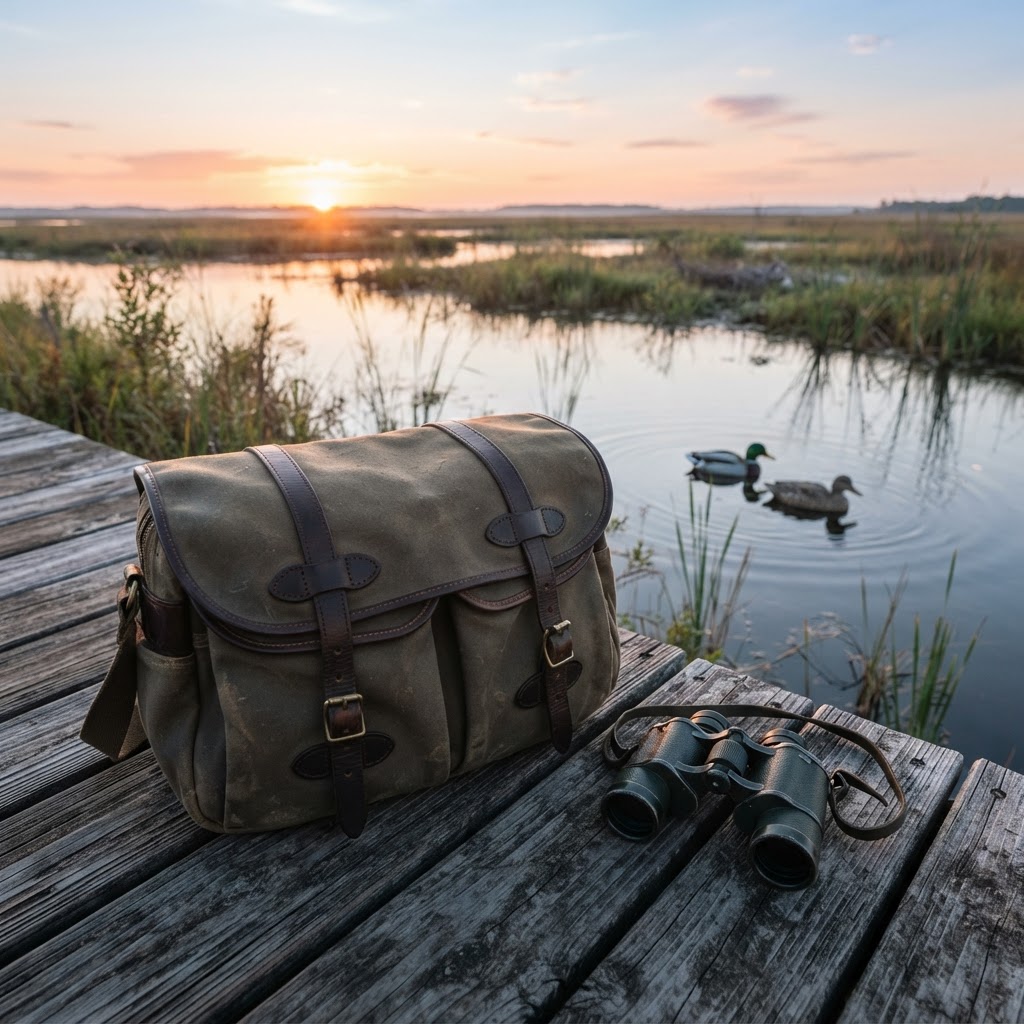
Digital Heritage: Bringing the Marsh and Field to Your Screen with Hunter-Centric Art
Upgrade your digital workspace with our new retro-style wildlife wallpapers, featuring the iconic species that define our time spent in the blind and the timber.
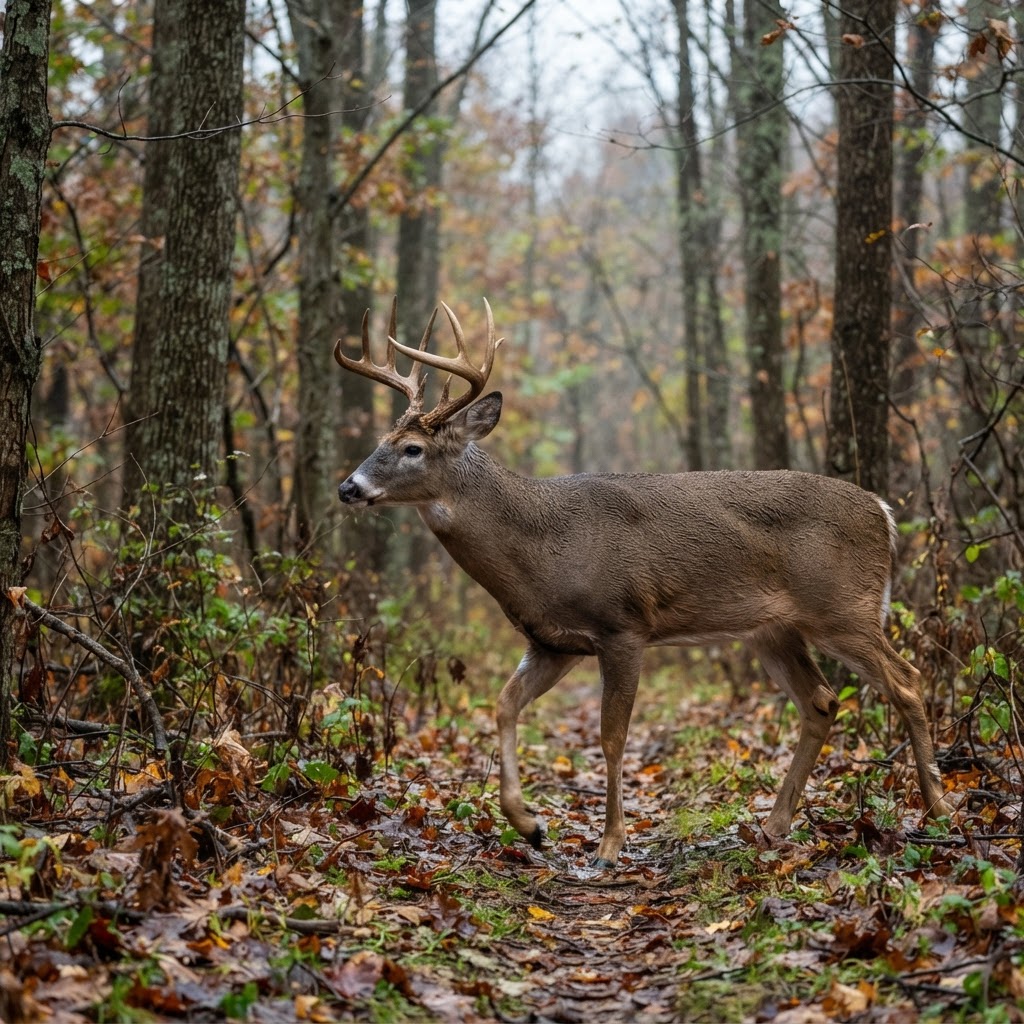
Best Barometric Pressure for Deer Hunting: What the Data Really Says
Move beyond the myths and understand how atmospheric pressure actually influences whitetail movement based on modern telemetry data.
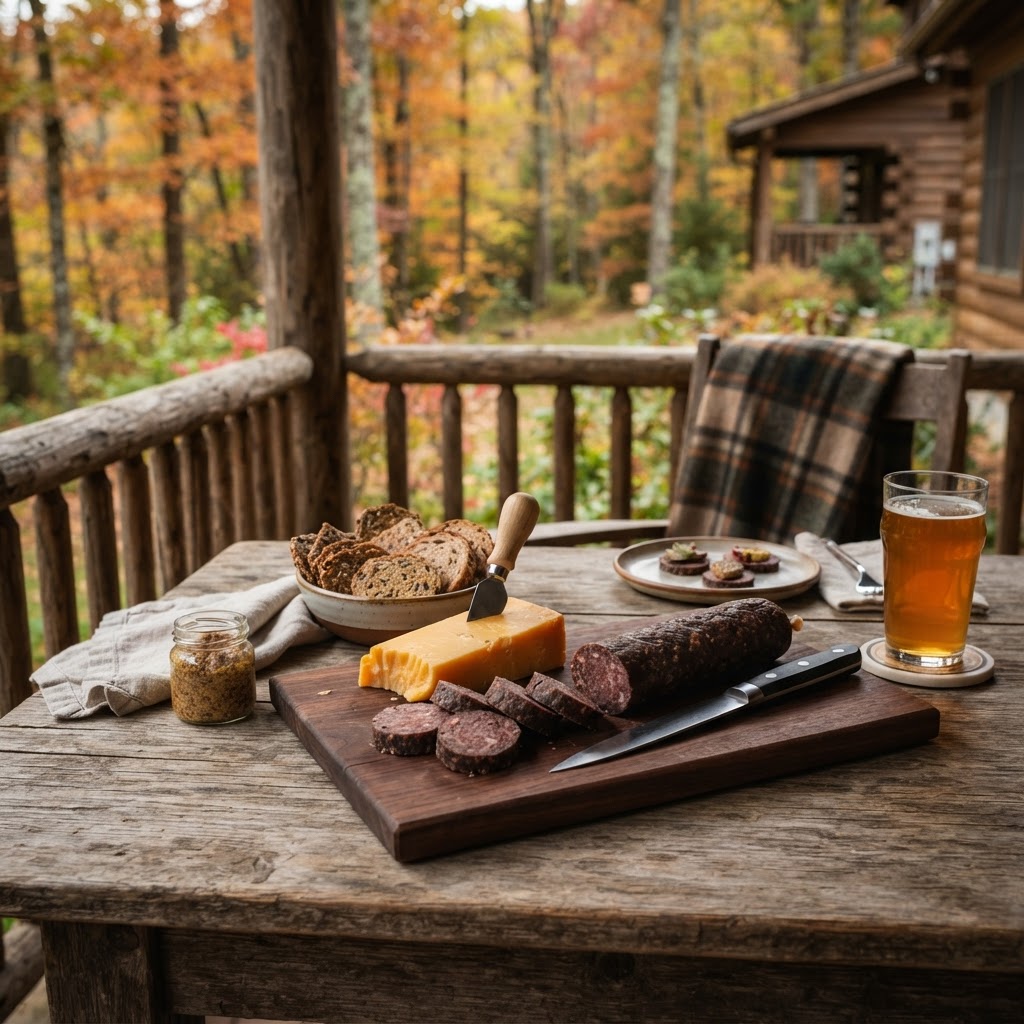
Crafting Perfection: A Guide to Homemade Venison Summer Sausage
Turn your hard-earned harvest into a kitchen staple with this step-by-step guide to making professional-grade venison summer sausage at home.

Lessons From My First Ram: A Big Game Hunting Memoir
Looking back on my first ram hunt in Colorado, I share the challenges of my youth and the lessons that defined my path as a hunter.