
Mastering the Woods: A Practical Guide to Interpreting Deer Sign
Deciphering the Language of the Whitetail
For many hunters, the woods are a mysterious place filled with random shadows and rustling leaves. But for the seasoned woodsman, the forest floor is a giant bulletin board telling a story of exactly where, when, and how deer are moving through the area. Mastering the art of reading deer sign is the single most effective way to improve your harvest success, regardless of whether you are hunting the deep timber of the North or the agricultural fringes of the Midwest. At Buckeye Hunter Hub, we believe that understanding the biology and habits of the animal is more important than any piece of expensive gear. Here is how you can stop guessing and start scouting with purpose.
Free hunting map, zones & 50-state resources
Save your spots, share zones with your group, and get deer & waterfowl movement forecasts — free.
Identifying and Analyzing Rubs
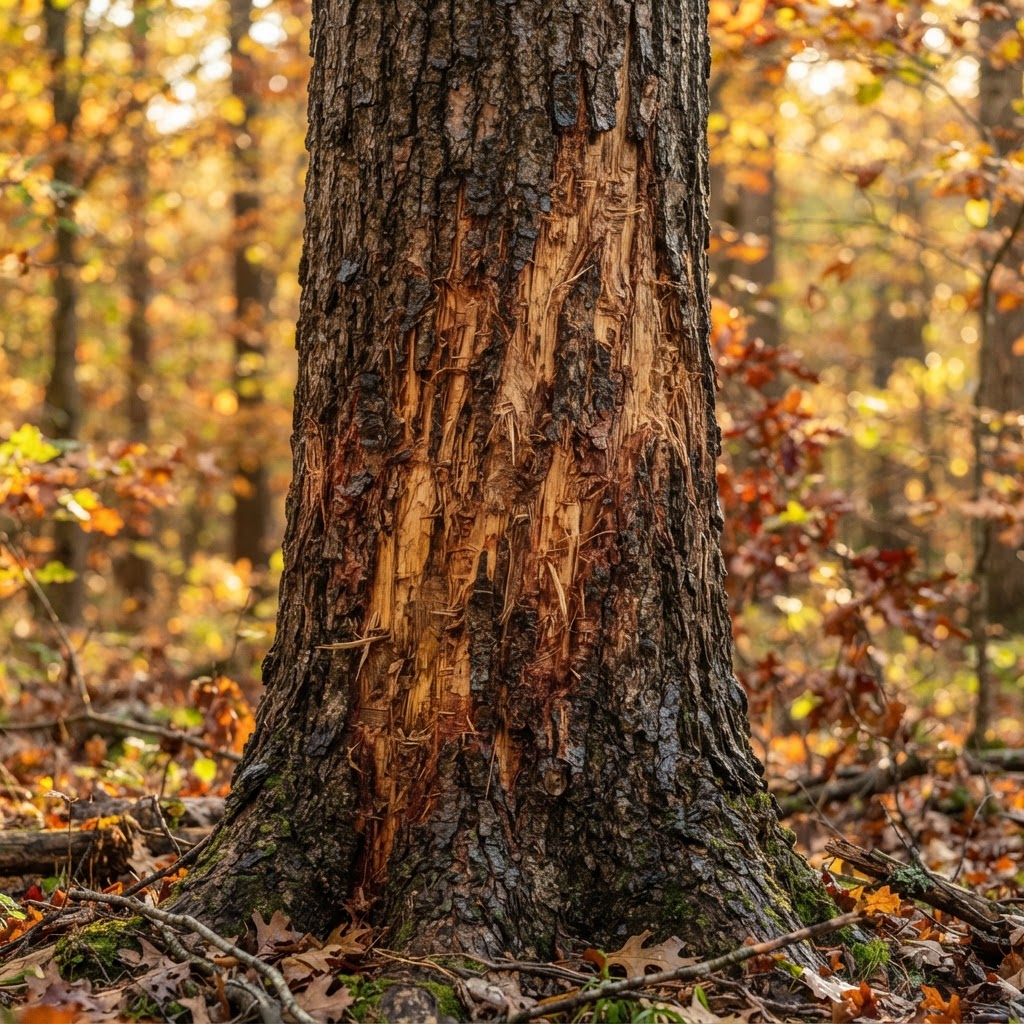
Rubs are the most obvious signs of a buck’s presence. When a buck rubs his antlers against a sapling to remove velvet or mark his territory, he leaves a physical scar on the landscape. However, not all rubs are created equal. A small, shredded bush is often the sign of a younger buck, while a thick tree with bark ripped away at head-height indicates a dominant, mature buck.
When you find a rub line—a series of rubs leading in a specific direction—do not just hunt the tree itself. Instead, look at the orientation of the rub. A rub typically shows which way the buck was traveling. By connecting the dots between several rubs, you can map out a travel corridor. If you find multiple heavy rubs in one localized area, it is likely a signpost, a place where deer congregate to communicate. These are gold mines during the pre-rut, especially when you check our to see if the peak activity aligns with your hunting window.
The Anatomy of a Scrape
Scrapes are the social centers of the whitetail world. A scrape is an oval-shaped patch of dirt cleared of leaves, typically found under an overhanging branch known as a licking branch. Deer leave scent from their forehead, preorbital, and interdigital glands here.
Many hunters make the mistake of hunting a scrape that has gone cold. To determine if a scrape is active, look for fresh, moist soil and lack of debris. If the area is dried out and covered with falling leaves, the buck has moved on. If you find a scrape with a heavily gnawed licking branch, it is an active breeding site. These locations are worth monitoring throughout the season, but they are most effective during the transition from the pre-rut to the peak rut. Remember to always cross-reference your site findings with to understand why a buck might favor specific terrain features for his scrape lines.
E-Tag States

Harvest Tags
E-check means you supply the tag. Printed with the exact fields your state requires.
3-pack $22.95
Finding and Hunting Bedding Areas
Locating a bedding area is the 'Holy Grail' of deer hunting, but it must be handled with extreme caution. A deer’s bed is its sanctuary. If you push a buck out of its bed, you might not see that deer in daylight again for days.
Look for beds in areas that provide a tactical advantage: high points with downwind visibility, thick, brushy cover, or thermal pockets that provide protection from the wind. In hilly country, deer often bed just below the crest of a ridge, allowing them to scent-check the wind while watching for predators approaching from below. When scouting for these spots, use our to identify pinch points and terrain features that funnel deer toward these bedding zones.
Raise a safe, confident young hunter.
Guide your kids ages 5–17 through interactive hunting safety missions, real decision drills, and earned trophies — all from one free parent account.
Bonus: every $10 you spend in the BHH shop earns a free seat (up to 5). Use them or share them.




If you discover an active bedding area, do not sit directly on top of it. Instead, find the transition zone—the area between the bedding ground and a primary feeding source—where the buck is likely to travel during the early evening or late morning hours.
Putting It All Together
Success in the field is rarely about one single piece of sign. It is about the synthesis of what you see. Are the rubs heading toward a food source? Is the scrape line near a bedding area? Are there heavy trails connecting the two? When you combine these physical signs with data from the , you develop a complete picture of the deer's routine.
Always remember to check your to ensure you are following local regulations regarding baiting or supplemental feeding, as rules vary widely across the country. Scouting is a year-round commitment, but by focusing on the subtle clues left behind, you’ll find that the woods become much smaller and your chances of a successful hunt grow significantly. Whether you are a beginner or a veteran, the sign never lies—you just have to learn how to read it.
Join 401 hunters and anglers on Buckeye Hunter Hub — free.
Latest from the Community


New drop
Fresh Buckeye Hunter Hub tees & hoodies


Everything you need to hunt smarter — free
Buckeye Hunter Hub is a free, nationwide platform. Create an account and unlock the full toolkit:
Free Interactive Hunting Map
Mark stands, cameras, and sign. Draw hunting zones with public land & county overlays across all 50 states.
Zones with Group Sharing
Share zones with your hunting group, split property into sections, assign stands, and check in — all in one place.
50 States of Hunting Resources
Season dates, license links, and DNR regulations for every state, kept current so you never miss an opener.
Deer Movement Forecast
Data-driven daily movement predictions using wind, moon, and pressure — know when to sit before you go.
Waterfowl Movement & Tools
Flight-potential forecasts, migration numbers, decoy spread planner, and a full species field guide.
From the Maker Bench

Taggart Outdoors
Padded Rifle Sling
Hand-built in the USA · $134.99
Shop the MakerNew drop
Fresh Buckeye Hunter Hub tees & hoodies
Shop This

StopBox Pro Ward | Wall-Mounted
$179.00$199.99

StopBox Pro Compact
$159.00$179.99

Buckeye Hunter Hub Tee — Two Kinds of Camo Shield
$20.55

BHH Grit Whitetail Tee
$20.55
E-Tag States
Harvest Tags
E-check means you supply the tag. Printed with the exact fields your state requires.
3-pack $22.95
More Articles
Unlocking Your Trail Cam Data: Identifying Patterns with Artificial Intelligence
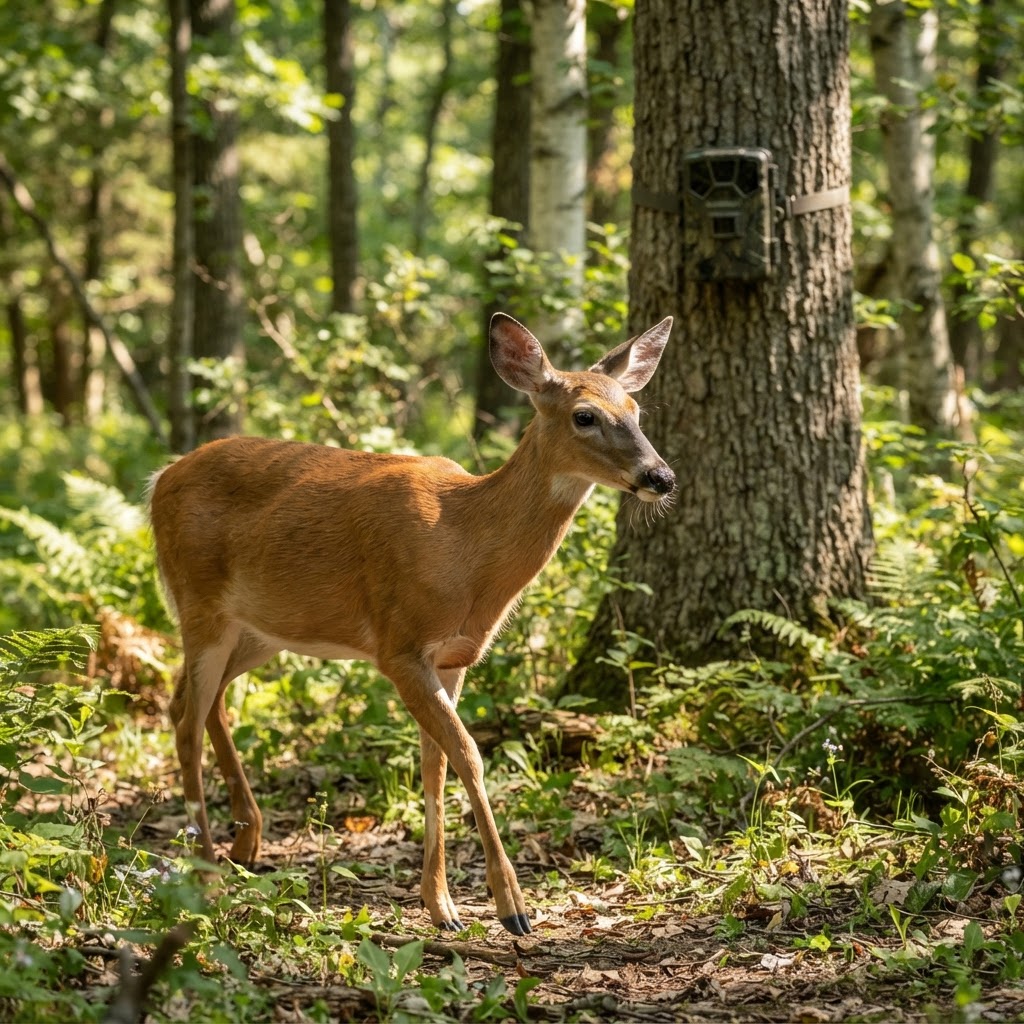
Tired of sorting through thousands of blank trail camera photos? Discover how AI-powered analysis turns those snapshots into a clear picture of buck and doe movement.

Introducing the Feet Down Hoodie: Built for the Blind and Beyond
Gear up for your next waterfowl hunt with our new heavy blend hoodie, designed for durability in the timber and style at the boat ramp.

Unveiling the Woodie: Represent the Outdoors with the New BHH Hoodie
Meet the new Buckeye Hunter Hub Hoodie — Woodie, the perfect blend of comfort and passion for hunters and anglers who live for time in the blind or on the water.

Introducing the Buckeye Hunter Hub Hoodie — Blowup: Gear Up for the Season
Capture the adrenaline of the perfect topwater strike with our new Buckeye Hunter Hub Hoodie — Blowup, the ultimate addition to your outdoor wardrobe.