Mastering the Pursuit of Wild Hogs: A Tactical Guide for Success
Understanding the Wild Hog Phenomenon
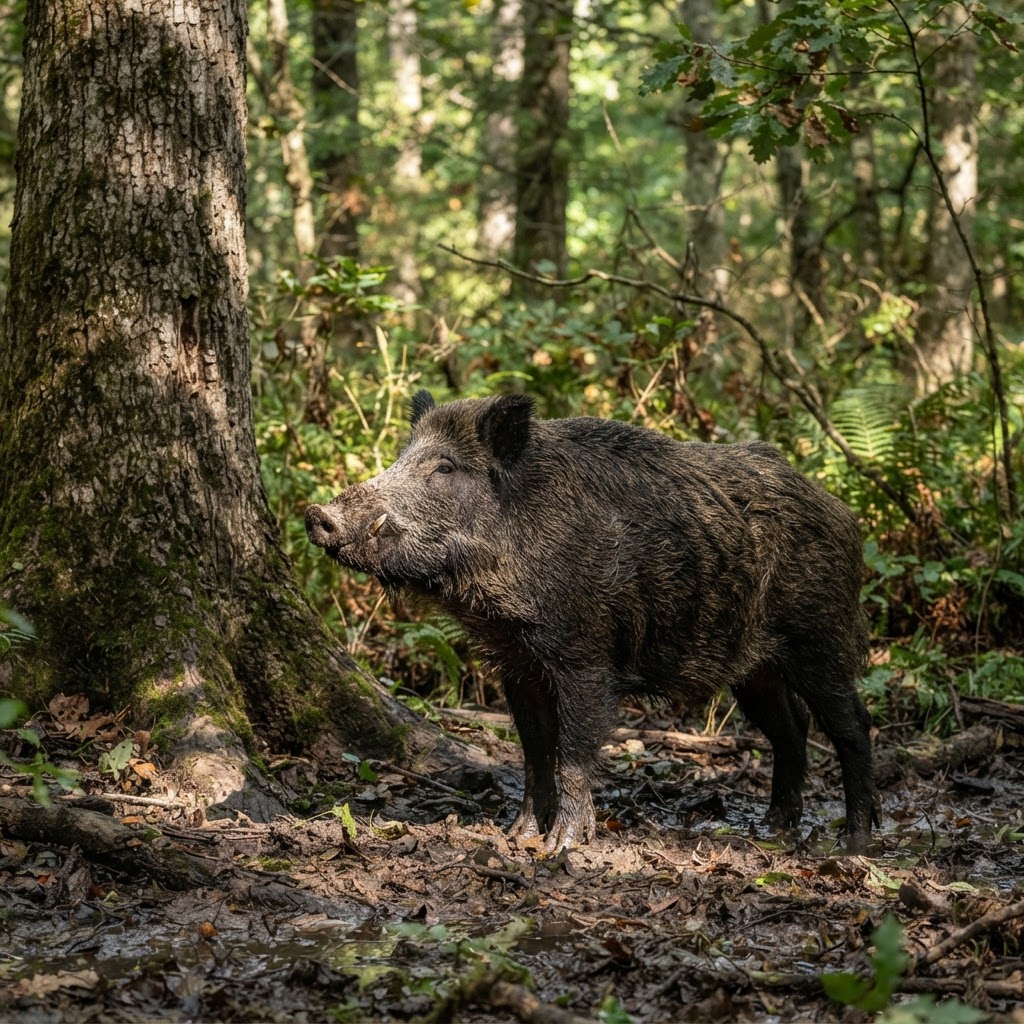
Wild hogs—a combination of feral domestic pigs, Eurasian wild boars, and hybrids—are arguably the most destructive invasive species in the United States. Spanning from the deep swamps of Florida to the rugged canyons of the West, these intelligent and resilient animals pose a significant threat to agriculture and native wildlife. For the hunter, they represent an unparalleled opportunity for year-round action and a source of organic, lean protein. At Buckeye Hunter Hub, we believe that understanding the biology and behavior of these animals is the first step toward a successful hunt.
Free hunting map, zones & 50-state resources
Save your spots, share zones with your group, and get deer & waterfowl movement forecasts — free.
Biology and Behavior
Wild hogs are highly social, nocturnal-leaning, and incredibly adaptable. A typical sounder consists of several sows and their piglets, while mature boars—often called 'tuskers'—tend to be solitary except during the breeding season. Hogs are omnivorous, consuming everything from acorns and agricultural crops to snakes and ground-nesting birds. Because they do not have sweat glands, they are slaves to the temperature. During the heat of the day, you will find them wallowing in mud or seeking the dense shade of thickets. They are most active at night or during the cool dawn and dusk hours.
Habitat and Range
While they are most famous for inhabiting the river bottoms of the Deep South, wild hogs have successfully colonized diverse habitats, including pine forests, brush country, and even mountainous terrain. Regardless of the environment, they require two things: food and water. They are constantly on the move in search of caloric intake. If you are planning a hunt in a new region, it is essential to check to understand the local regulations, as rules for hog hunting vary wildly from state to state due to their status as an invasive species.
Tactical Approaches: How to Find and Hunt Hogs
Hunting hogs is rarely a 'sit and wait' endeavor. Because they are constantly foraging, you must be dynamic.
Scouting for Sign
E-Tag States

Harvest Tags
E-check means you supply the tag. Printed with the exact fields your state requires.
3-pack $22.95
To find hogs, look for the 'telltale three': rooting, wallows, and rubs. Rooting looks like a rototiller went through the woods, with large patches of earth overturned. Wallows are muddy depressions near water sources where hogs cool off. Rubs are found on trees or fence posts, often coated in dried mud and coarse bristles. If you are scouting large tracts of land, using can help you identify remote water sources and dense cover patches that are hotspots for hog activity.
The Stalk vs. The Stand
In heavy cover, spot-and-stalk hunting is often the most effective method. Move slowly, keeping the wind in your face. Hogs have an incredible sense of smell—often superior to deer—so scent control is paramount. If you are hunting over bait or food plots, a treestand or ground blind provides the advantage of elevation and concealment. However, be prepared for 'sounder behavior.' If you shoot one, the rest of the group will scatter in seconds; target the largest hog first if you intend to harvest, or focus on the smaller sows for better meat quality.
Raise a safe, confident young hunter.
Guide your kids ages 5–17 through interactive hunting safety missions, real decision drills, and earned trophies — all from one free parent account.
Bonus: every $10 you spend in the BHH shop earns a free seat (up to 5). Use them or share them.


Essential Gear and Preparation
Because hogs have thick hides and dense shoulder plates, caliber selection matters. A standard deer rifle is usually sufficient, but many hunters prefer larger calibers like the .308 or .450 Bushmaster to ensure clean ethical kills. Optics are equally important, especially if you plan to hunt them under the moonlight or with thermal equipment. Night hunting has become the gold standard for controlling hog populations, as it aligns with their peak activity periods.
Before heading out, ensure your gear is organized and your rifle is dialed in. While you focus on the hunt, don't forget to keep your hunting equipment secure and organized during transit; if you utilize specialized storage, you can for your non-firearm gear needs.
Tips for Every Hunter
- Target the Meat: Younger sows and 'meat hogs' (under 150 lbs) offer much better table fare than mature, rangy boars. Large boars often have a strong, gamey flavor due to testosterone and scent glands.
- Use the Wind: Never ignore the wind. If a hog smells you, the hunt is over before it begins.
- Stay Persistent: Hogs are nomadic. Just because you don't see them on a Tuesday doesn't mean they won't be there on a Wednesday. Monitor your areas consistently.
- Check the Regulations: Always verify if baiting is legal in your state. In some areas, it is encouraged as a management tool, while in others, it is strictly prohibited. You can find more information on local laws via .
Conclusion
Wild hog hunting is not just about the thrill of the chase; it is about conservation and responsible land management. By controlling these populations, hunters play a vital role in protecting our ecosystems. Whether you are a beginner looking for your first harvest or a seasoned veteran tracking a trophy tusker, the Buckeye Hunter Hub is here to support your journey. Stay safe, stay ethical, and enjoy the pursuit.
Join 694 hunters and anglers on Buckeye Hunter Hub — free.
Latest from the Community


Everything you need to hunt smarter — free
Buckeye Hunter Hub is a free, nationwide platform. Create an account and unlock the full toolkit:
Free Interactive Hunting Map
Mark stands, cameras, and sign. Draw hunting zones with public land & county overlays across all 50 states.
Zones with Group Sharing
Share zones with your hunting group, split property into sections, assign stands, and check in — all in one place.
50 States of Hunting Resources
Season dates, license links, and DNR regulations for every state, kept current so you never miss an opener.
Deer Movement Forecast
Data-driven daily movement predictions using wind, moon, and pressure — know when to sit before you go.
Waterfowl Movement & Tools
Flight-potential forecasts, migration numbers, decoy spread planner, and a full species field guide.
From the Maker Bench

SE Ohio Outdoors
Euro Mount Hook
Hand-built in the USA · $8.00
Shop the MakerFriend of BHH
Thinking about selling a rifle or an old family shotgun? Check up-to-date market pricing by make and model before you sell.
webuyguns.comShop This

StopBox Pro Ward | Wall-Mounted
$179.00$199.99

StopBox Pro Compact
$159.00$179.99

Get Well Card — Pole Down Week
$6.99

Christmas Card — Christmas Morning Perch
$6.99
E-Tag States
Harvest Tags
E-check means you supply the tag. Printed with the exact fields your state requires.
3-pack $22.95
More Articles
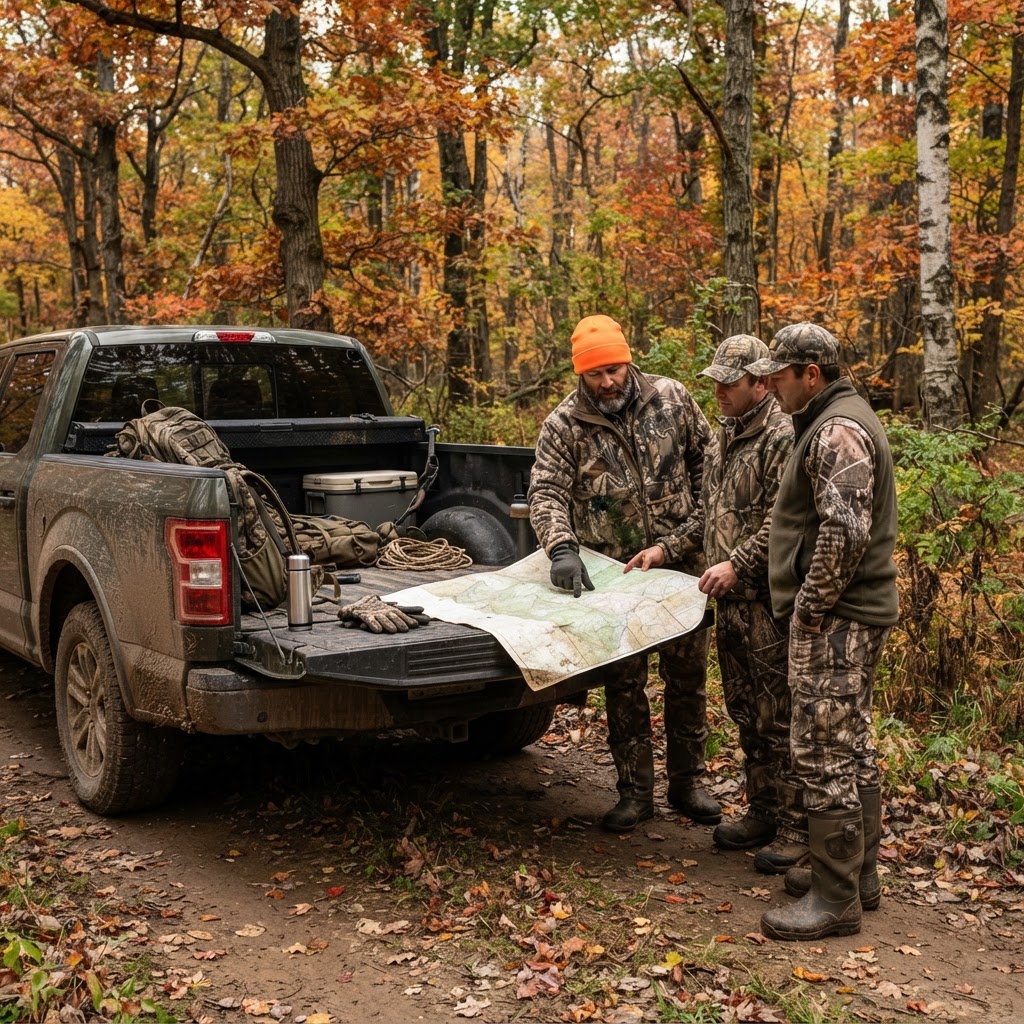
Digital Scouting: Leveraging Online Communities to Sharpen Your Hunting Edge
Modern hunting is more than just time in the woods; it is about shared wisdom. Discover how connecting with the Buckeye Hunter Hub community can transform your season through collective insight and local intel.
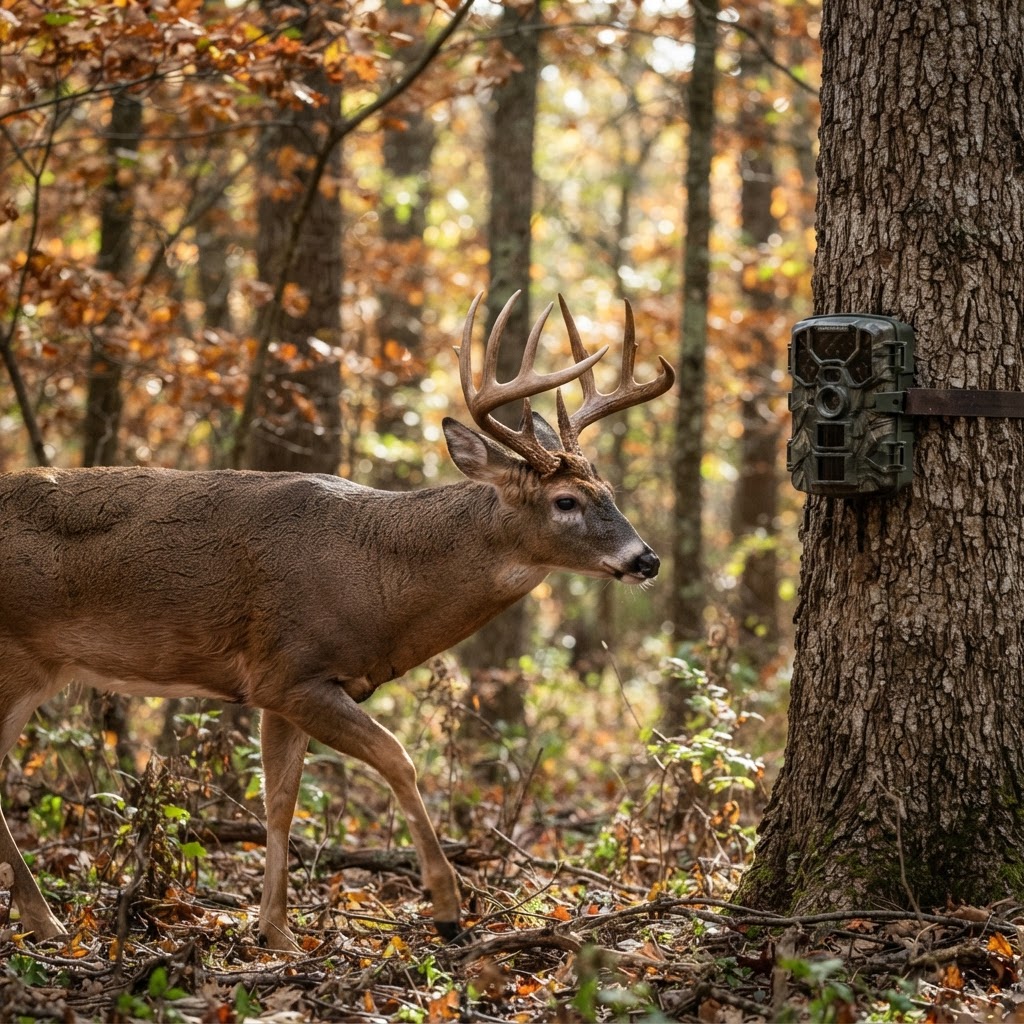
From Data to Deer: Automating Your Trail Camera Strategy
Drowning in thousands of empty trail camera photos? Discover how to use automated intelligence to instantly categorize your deer inventory and master their movement patterns.
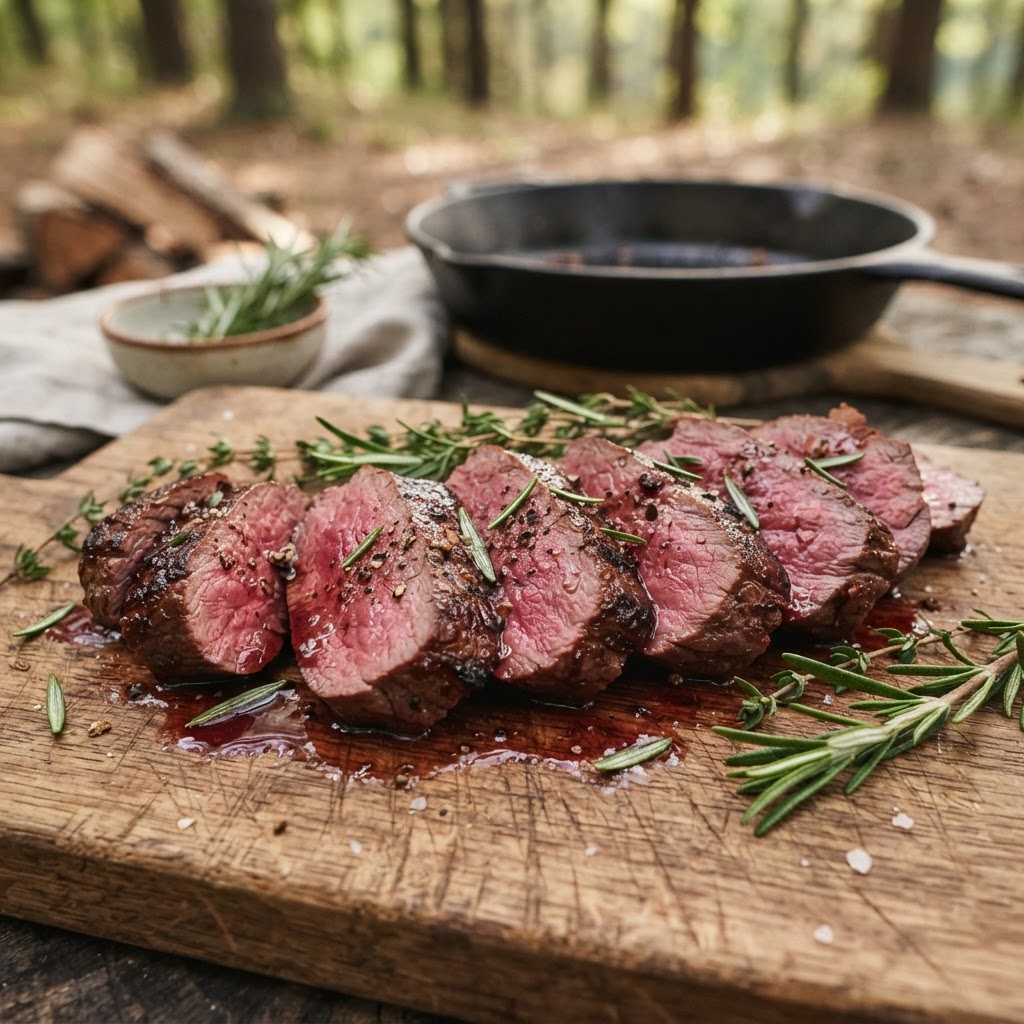
Elevating Your Harvest: Pan-Seared Venison Backstrap with Cabernet Reduction
Transform your hard-earned venison backstrap into a five-star dining experience with this masterclass in heat control and sauce reduction. Discover the secret to perfectly tender, restaurant-quality wild game every time you step into the kitchen.
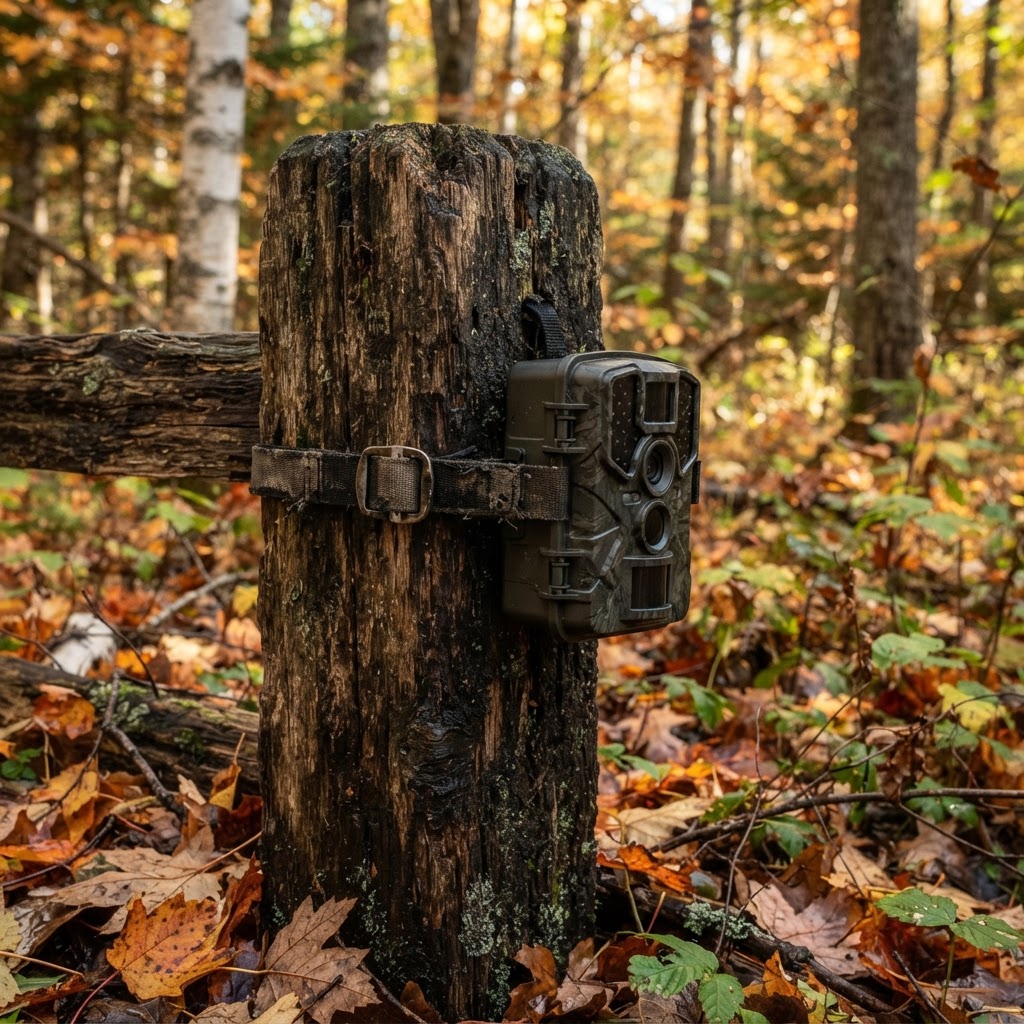
Streamlining Your Scouting: How Smart Tech Turns Trail Cam Chaos into Huntable Data
Struggling to manage thousands of trail camera photos? Discover how to use automated analysis to identify deer movement and build a smarter, more efficient hunting strategy.