
Mastering the Public Land Puzzle: A Strategic Framework for Success
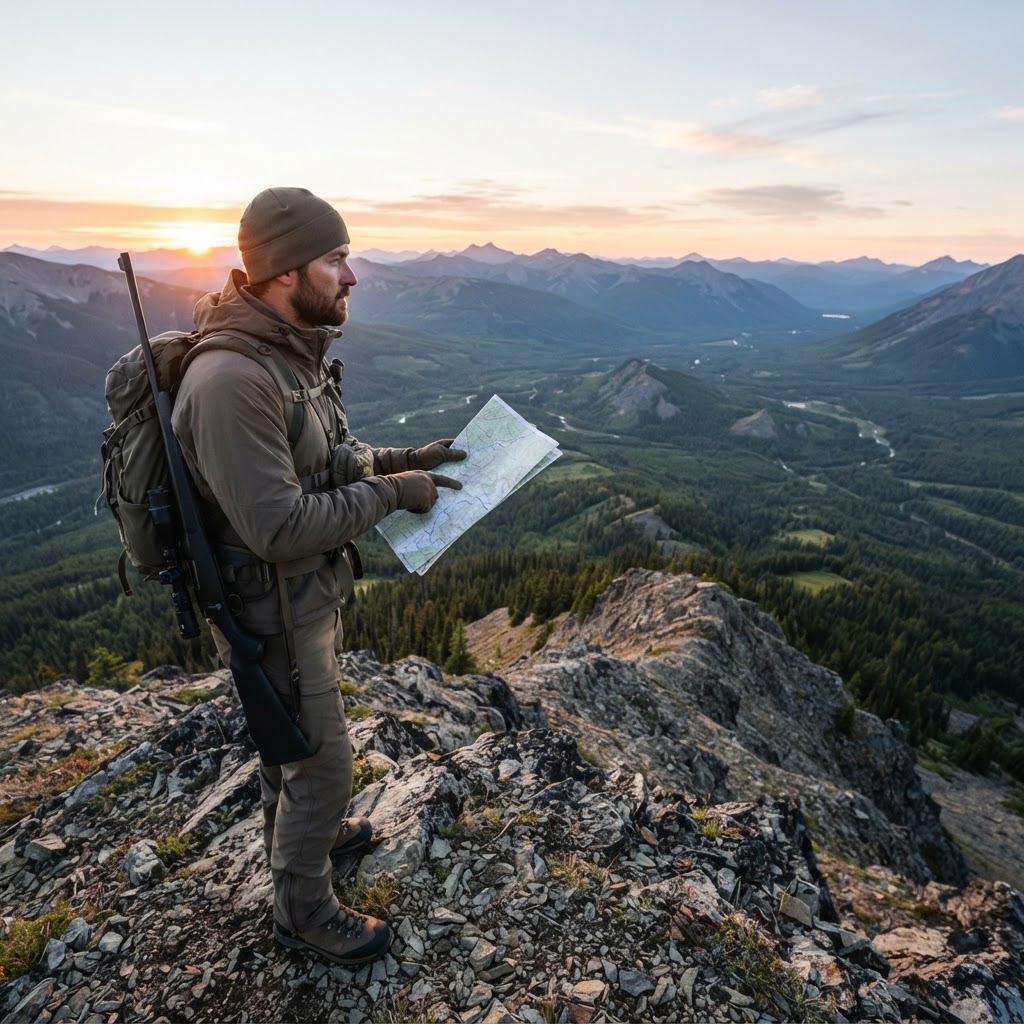
Introduction to Public Land Hunting
Public land hunting is arguably the most rewarding challenge in the American outdoors. It requires a blend of woodsmanship, physical endurance, and intellectual preparation. At Buckeye Hunter Hub, we believe that the difference between a frustrating season and a freezer full of venison often comes down to your game plan. When you don't have the luxury of private land management, your scouting and strategy become your primary advantages. This guide provides a repeatable framework to help you navigate public ground with confidence.
Get the waterfowl forecast for your area, free
See migration pushes, freeze-ups, and the best days to hunt ducks and geese near you.
Phase 1: Digital Scouting and Logistical Prep
Before you ever lace up your boots, you should be spending hours behind your screen. Start by utilizing to identify tracts of land that receive less pressure. Focus on 'the hidden spots'—areas where the terrain is difficult to traverse, such as deep ravines, thick swamps, or ridges that require a significant hike to reach. Most hunters are creatures of comfort; if you are willing to walk a mile further than the average person, you immediately increase your odds.
While scouting, keep an eye on to ensure your target dates align with peak activity. Simultaneously, check to understand specific regulations, as public land often carries different weapon restrictions or permit requirements compared to private ground.
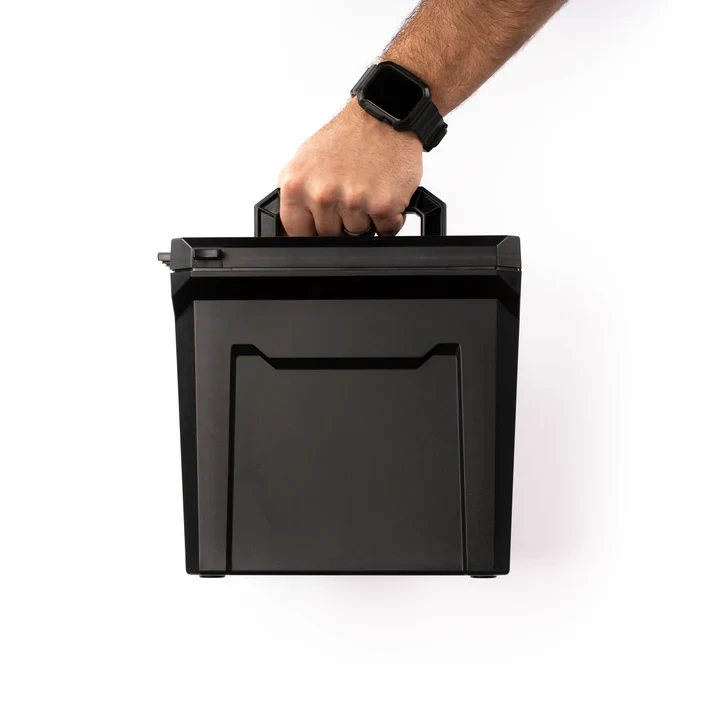
Phase 2: Understanding Animal Behavior
To hunt effectively, you must understand the prey. For deer hunters, studying is essential to deciphering why animals choose specific bedding and feeding areas. Once you understand the biology, cross-reference it with our to determine the best days to be in the stand. If you are pursuing waterfowl, it is equally important to study to know when the birds are likely to arrive in your region.
Phase 3: The Boots-on-the-Ground Reconnaissance

Digital data can only get you so far. Once you have identified high-probability zones, you must verify them. In the late summer or early fall, get into the woods. Look for fresh sign—scrapes, rubs, tracks, or droppings—but don't get discouraged if you don't find a "honey hole" immediately. Public land deer and turkeys are transient; they move when the pressure spikes. Having two or three 'Plan B' locations is the mark of a seasoned public land hunter.
Phase 4: Gear and Safety Essentials
Public land hunting necessitates a mobile gear strategy. You should be able to carry your setup in and out with minimal trace. Focus on lightweight, high-quality gear that won't fail when you are miles from the truck. Safety must also be a priority. Always pack a reliable first aid kit, a GPS device with offline capabilities, and a signaling device. Because you are often hunting alongside strangers, wearing blaze orange (where required or recommended) is non-negotiable for your own safety and the safety of others.
E-Tag States

Harvest Tags
E-check means you supply the tag. Printed with the exact fields your state requires.
3-pack $22.95

Youth Hunter Academy
Raise a safe, confident young hunter.
Safety missions for ages 5–17. Free parent account.
Phase 5: Executing the Hunt
When the season finally opens, discipline is your greatest asset. If you have done your homework, trust the process. Avoid the urge to jump from spot to spot; public land animals are wary of human intrusion. If you find yourself struggling to connect with other local hunters, consider joining where you can share information and gain insights from others who hunt the same regional zones.
Remember, public land hunting is a marathon, not a sprint. You will encounter obstacles—other hunters, changing weather, or animals that simply don't cooperate. Use these experiences to refine your approach. Every hour spent in the field, even the unsuccessful ones, is an investment in your future success. By staying organized, remaining mobile, and constantly learning, you will find that the rewards of public land success are far greater than any private-land trophy. For more tips on sharpening your skills, explore our archive at .
Free every morning
Your Daily Briefing
One morning forecast for the spots you actually hunt and fish: deer movement, waterfowl flights, bite times, wind and shooting light.
See what's in itSet up your briefing
Join free, save a spot on the map, then pick what you hunt and fish and when you want your email.
Join 1,671 hunters and anglers on Buckeye Hunter Hub — free.
Latest from the Community


Everything you need to hunt smarter — free
Buckeye Hunter Hub is a free, nationwide platform. Create an account and unlock the full toolkit:
Free Interactive Hunting Map
Mark stands, cameras, and sign. Draw hunting zones with public land & county overlays across all 50 states.
Zones with Group Sharing
Share zones with your hunting group, split property into sections, assign stands, and check in — all in one place.
50 States of Hunting Resources
Season dates, license links, and DNR regulations for every state, kept current so you never miss an opener.
Deer Movement Forecast
Data-driven daily movement predictions using wind, moon, and pressure — know when to sit before you go.
Waterfowl Movement & Tools
Flight-potential forecasts, migration numbers, decoy spread planner, and a full species field guide.
From the Maker Bench

Taggart Outdoors
Custom Western Belt
Hand-built in the USA · $127.99
Shop the MakerBHH Partner
Thinking about selling a rifle or an old family shotgun? Check up-to-date market pricing by make and model before you sell.
webuyguns.comE-Tag States
Harvest Tags
E-check means you supply the tag. Printed with the exact fields your state requires.
3-pack $22.95
More Articles
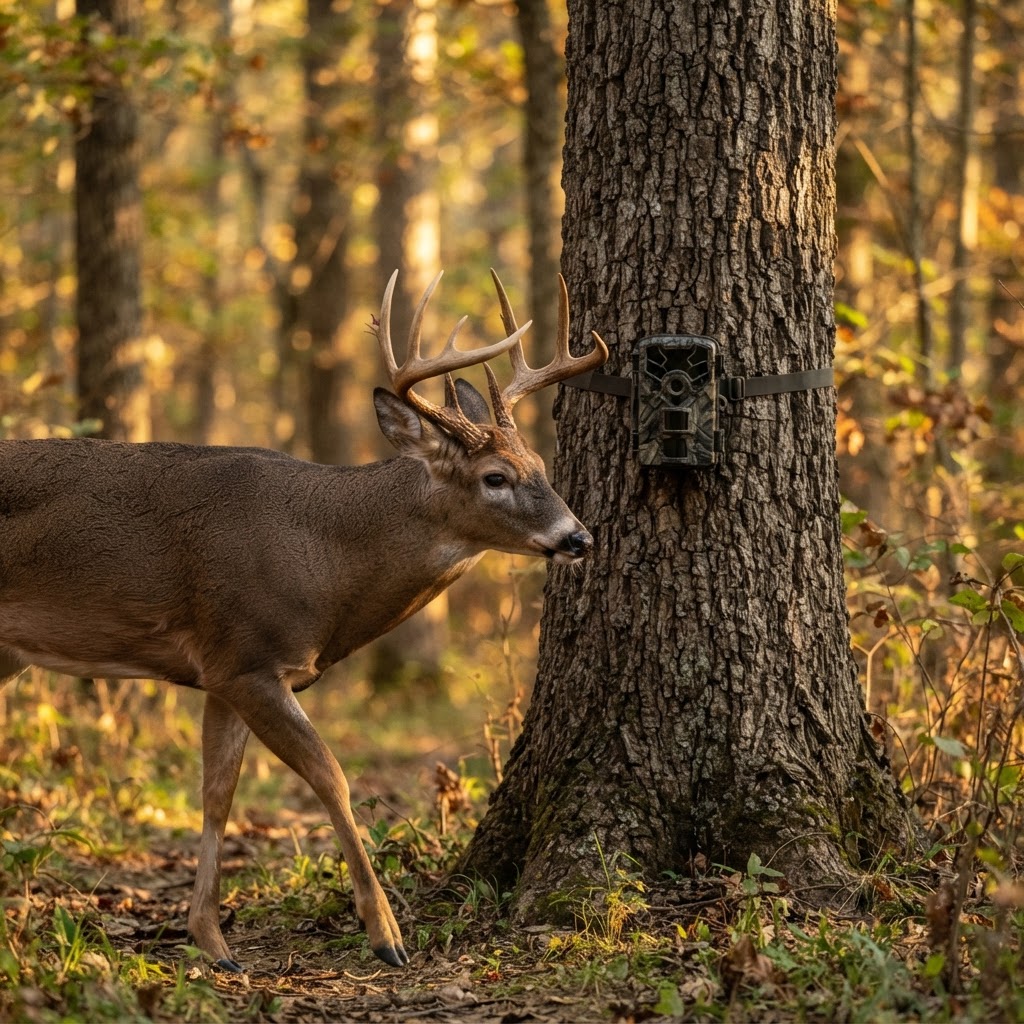
Turning Thousands of Trail Camera Images into Actionable Hunting Intel
Drowning in SD card files? Discover how to use automated intelligence to isolate buck activity and identify seasonal movement patterns without spending hours behind a screen.
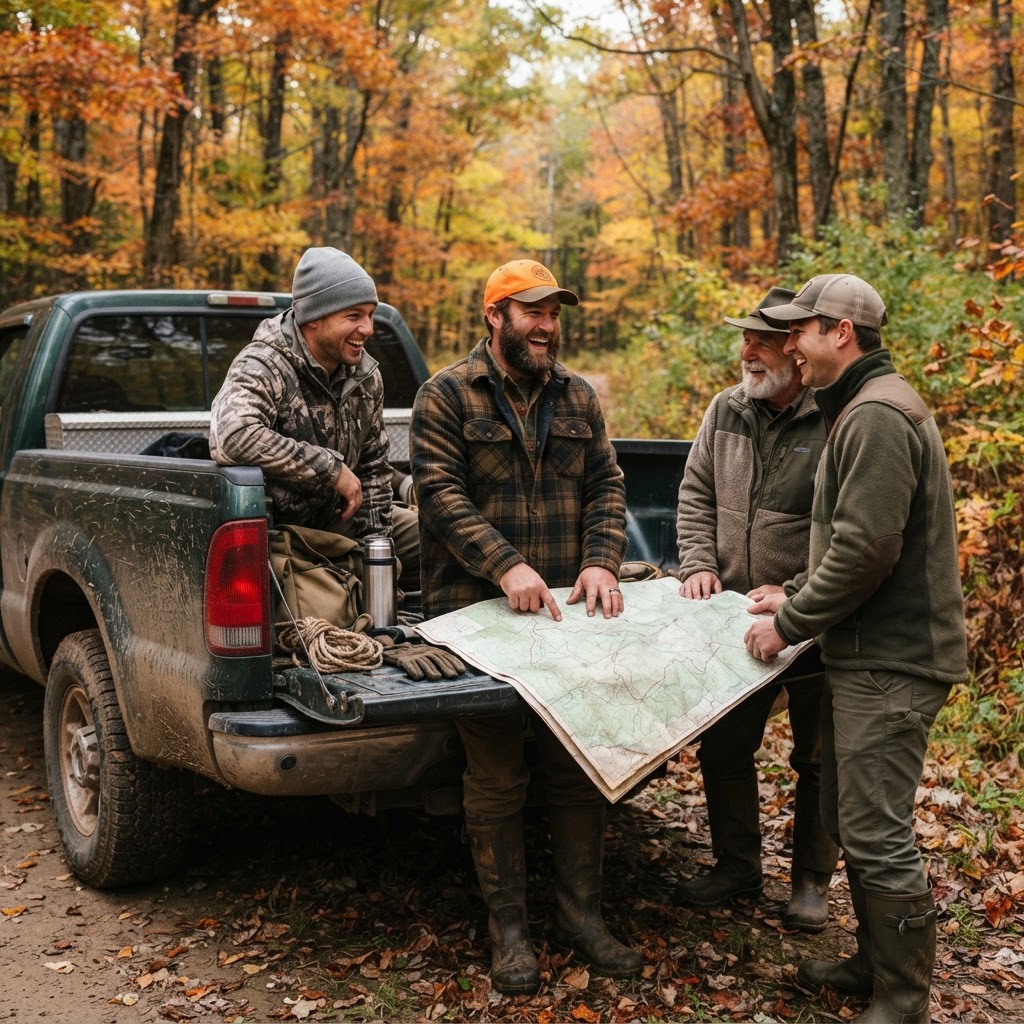
Beyond the Stand: Cultivating Your Network in Buckeye Hunter Hub Groups
Modern hunting is more than a solo pursuit; discover how active participation in the Buckeye Hunter Hub community can sharpen your skills and elevate your success in the field.
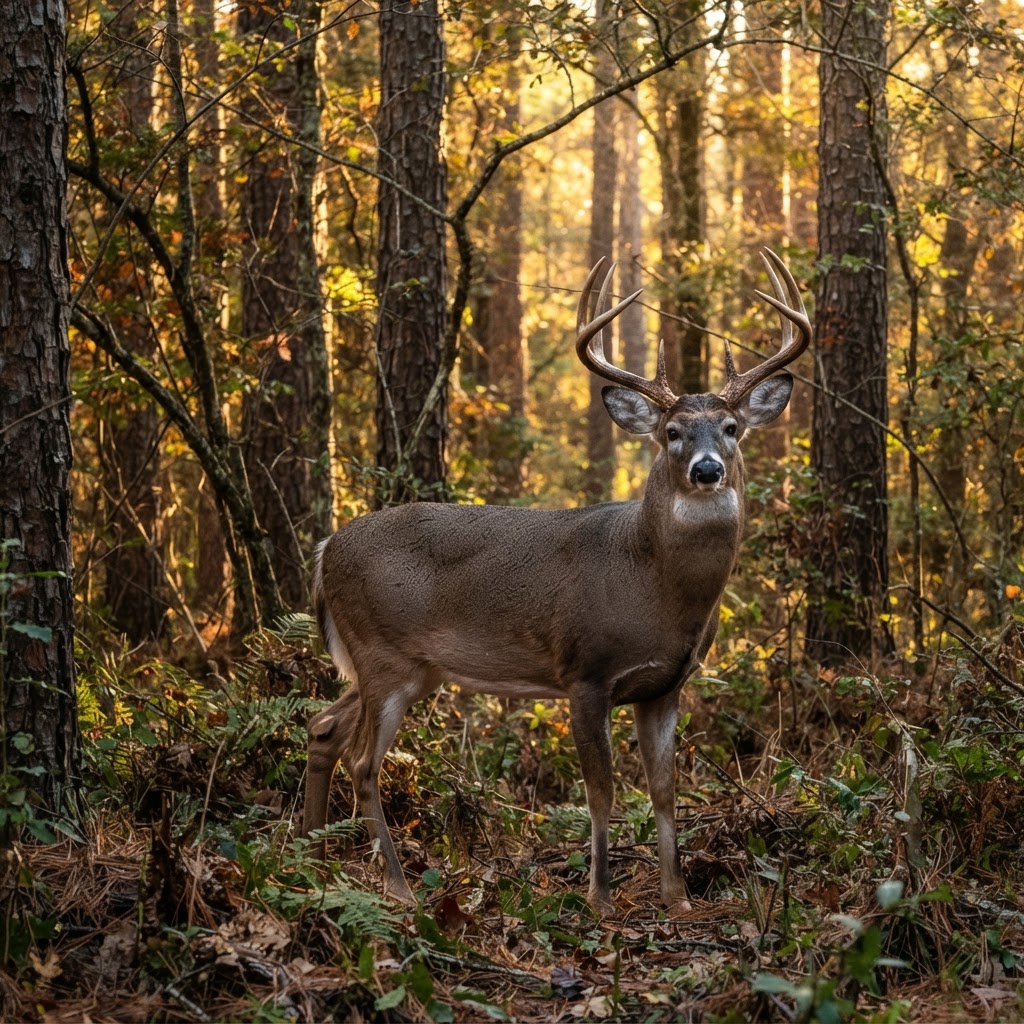
Louisiana Deer Firearms Area 3: Your 2026 Season Opener Guide
The Louisiana Deer Firearms With/Without Dogs season for Area 3 opens tomorrow, Monday, November 30, 2026, and runs through Sunday, January 3, 2027. Hunters should prepare for the transition from still-hunting to dog-involved hunting as the landscape shifts.
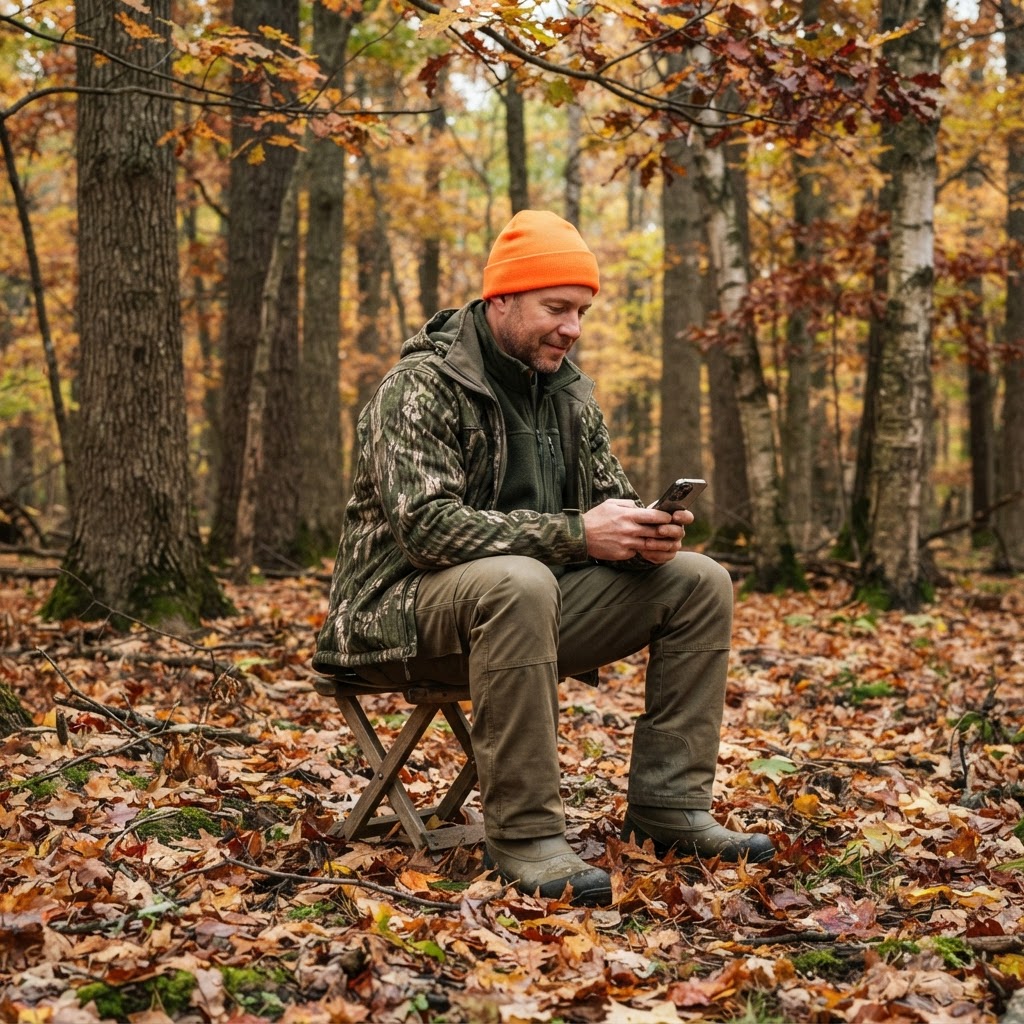
Never Miss a Tag: Accessing Official State Hunting Regulations in One Place
Navigating the maze of state-specific hunting regulations can be a headache, but it doesn't have to be. Discover how Buckeye Hunter Hub centralizes official DNR data to keep you legal and ready for the field.