
Mastering the Marsh: A Guide to Hunting Mallards and Puddle Ducks
Understanding the Puddle Duck: Biology and Behavior
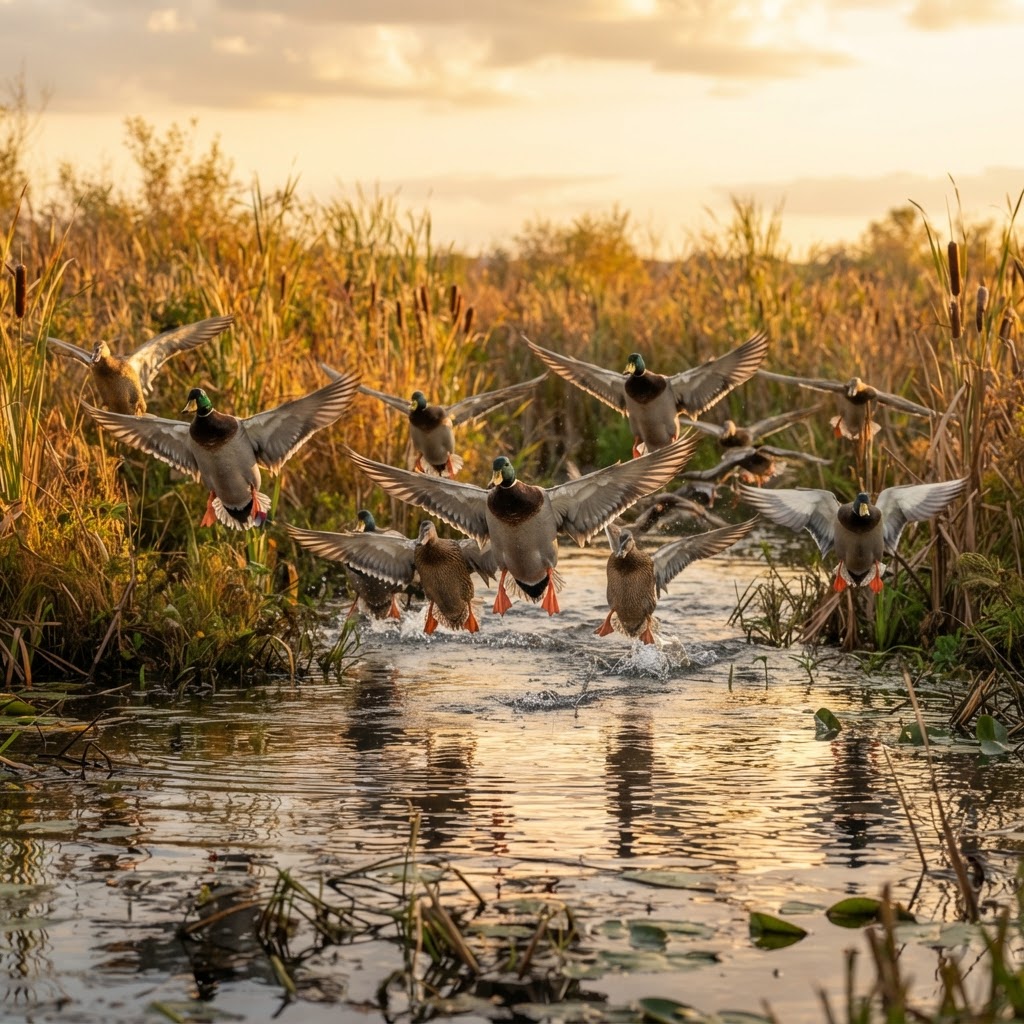
Mallards are the crown jewel of the North American wetlands, but they are just one piece of the puddle duck puzzle. Unlike diving ducks that submerge completely, puddle ducks—also known as dabblers—feed by tipping tail-up in shallow water, grazing on vegetation and invertebrates. Mallards, Wood Ducks, Gadwalls, and Teal are highly social creatures, often gathering in large rafts on the water. Understanding their biology is key to success; they rely heavily on their sense of sight and communal behavior, which is why decoys are so effective. If you are just starting your journey, consulting a comprehensive can help you distinguish between the subtle plumage variations of these birds before you step into the blind.
Get the waterfowl forecast for your area, free
See migration pushes, freeze-ups, and the best days to hunt ducks and geese near you.
Habitat, Range, and Migration
Puddle ducks are resilient travelers. They utilize the four major flyways, with the Mississippi and Central flyways acting as critical corridors for Mallards migrating south. Their movement is dictated by a combination of day length, food availability, and severe weather. Savvy hunters keep a close eye on to gauge when the 'big push' of birds is arriving in their area. Puddle ducks prefer marshes, flooded timber, and agricultural fields. By monitoring regional weather patterns, you can get a better handle on when the birds are on the move versus when they are holding tight in specific roosting sites.
Tactics for the Modern Hunter
Success in the marsh requires a blend of traditional woodsman skills and modern technology. Calling is an art form, but scouting remains the foundation of a great hunt. Before you head out, check the to ensure you are targeting the right species during peak legal hours. When scouting, analyze weather patterns and historical data to help you predict where birds will feed after a cold front.
The Art of the Decoy Spread
Your decoy spread should mimic the social structure of the birds you are hunting. Do not just throw blocks into the water; use a to create realistic landing zones. For Mallards, create a 'J' or 'U' shape to funnel the birds toward the center of your spread. Always leave a clear 'hole'—a space devoid of decoys—where you want the ducks to land. If you find the birds are wary, consider adding motion decoys or using a jerk string to create ripples in the water, mimicking active feeding ducks.

Gear and Preparation
Consistency is the name of the game. Invest in a high-quality call and learn to master the 'feed' chuckle and the greeting call. Beyond the gun and the decoys, concealment is your best friend. Puddle ducks have excellent eyesight; if they can spot you in the reeds, the hunt is over before it begins. Whether you are hunting from a boat or a layout blind, ensure your silhouette is broken up with natural vegetation. For those looking to connect with others to share gear and tips, finding local groups can provide invaluable local knowledge.
Pro-Tips for Success
E-Tag States

Harvest Tags
E-check means you supply the tag. Printed with the exact fields your state requires.
3-pack $22.95

Youth Hunter Academy
Raise a safe, confident young hunter.
Safety missions for ages 5–17. Free parent account.
Experienced hunters know that the 'best' time to hunt is often when the weather is at its worst. A light drizzle or a stiff wind often forces birds to fly lower, bringing them into range of your call. However, don't ignore the importance of scouting during the offseason. Many hunters scout public lands and walk-in areas long before the first frost arrives. If you are scouting for deer in the same areas, you might also find planning your trips around peak activity times helpful.
Always ensure you are operating within the law by visiting official and reviewing the regulations set by agencies like the U.S. Fish and Wildlife Service. Staying compliant is the bedrock of ethical hunting and ensures these birds remain a resource for future generations.
Conclusion
Hunting Mallards and puddle ducks is a lifelong pursuit of learning. From the sound of cupped wings over the decoys to the crisp morning air, it is a tradition that connects us to the landscape. By focusing on behavior, investing in quality scouting, and leveraging the tools at your disposal, you will find yourself enjoying more productive days in the field. Remember to stay safe, respect the resource, and continue to refine your craft every season.
Explore More on Buckeye Hunter Hub
<!-- links-cleaned -->Free every morning
Your Daily Briefing
One morning forecast for the spots you actually hunt and fish: deer movement, waterfowl flights, bite times, wind and shooting light.
See what's in itSet up your briefing
Join free, save a spot on the map, then pick what you hunt and fish and when you want your email.
Join 1,635 hunters and anglers on Buckeye Hunter Hub — free.
Latest from the Community


Everything you need to hunt smarter — free
Buckeye Hunter Hub is a free, nationwide platform. Create an account and unlock the full toolkit:
Free Interactive Hunting Map
Mark stands, cameras, and sign. Draw hunting zones with public land & county overlays across all 50 states.
Zones with Group Sharing
Share zones with your hunting group, split property into sections, assign stands, and check in — all in one place.
50 States of Hunting Resources
Season dates, license links, and DNR regulations for every state, kept current so you never miss an opener.
Deer Movement Forecast
Data-driven daily movement predictions using wind, moon, and pressure — know when to sit before you go.
Waterfowl Movement & Tools
Flight-potential forecasts, migration numbers, decoy spread planner, and a full species field guide.
From the Maker Bench

Taggart Outdoors
Custom Western Belt
Hand-built in the USA · $127.99
Shop the MakerBHH Partner
Thinking about selling a rifle or an old family shotgun? Check up-to-date market pricing by make and model before you sell.
webuyguns.comE-Tag States
Harvest Tags
E-check means you supply the tag. Printed with the exact fields your state requires.
3-pack $22.95
More Articles
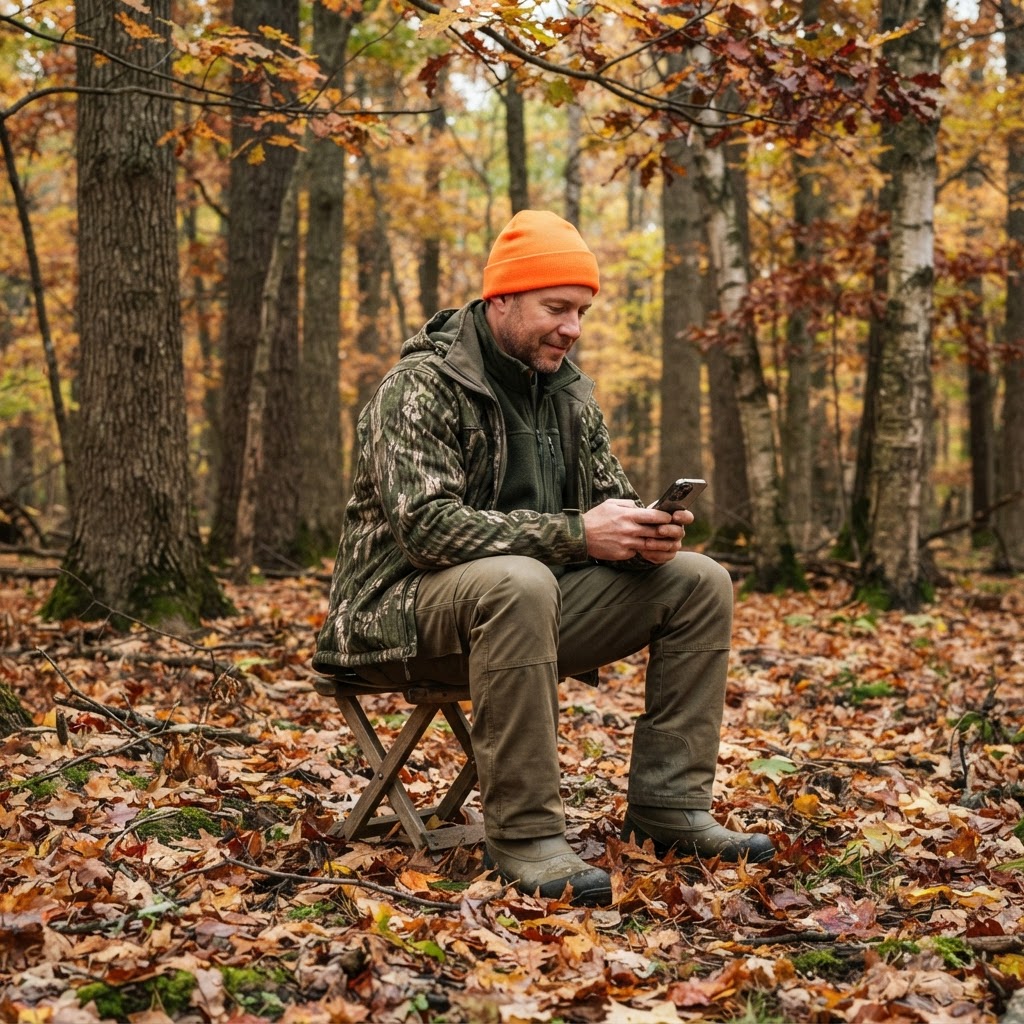
Never Miss a Tag: Accessing Official State Hunting Regulations in One Place
Navigating the maze of state-specific hunting regulations can be a headache, but it doesn't have to be. Discover how Buckeye Hunter Hub centralizes official DNR data to keep you legal and ready for the field.
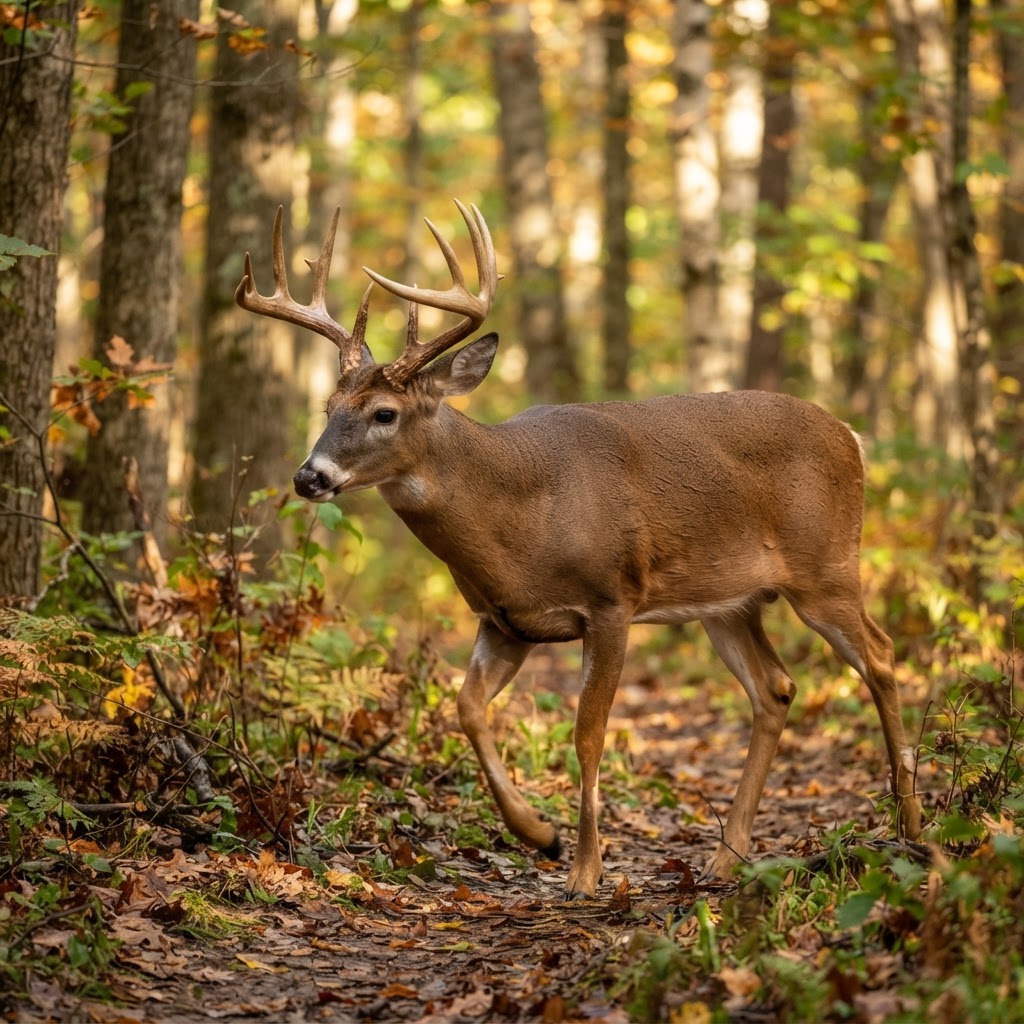
Optimizing Your Scouting: A Practical Approach to AI Trail Camera Photo Analysis
Drowning in thousands of trail camera photos every week? Learn how to stop sorting and start hunting by using AI to categorize bucks, does, and movement trends.
A Free Linktree Alternative Built for Hunters and Anglers
Every Buckeye Hunter Hub member gets a free link in bio page: one address for your socials, videos, photos, trophies and catches, with a QR code to print.
How to Set Up Your Hunting Instagram Bio (and the One Link to Put in It)
Four short lines, one clear photo and one link that holds everything. Here is how to set up a hunting or fishing Instagram bio that gets people to tap.