
Mastering the Gust: How Wind Direction Dictates Your Waterfowl Blind Placement
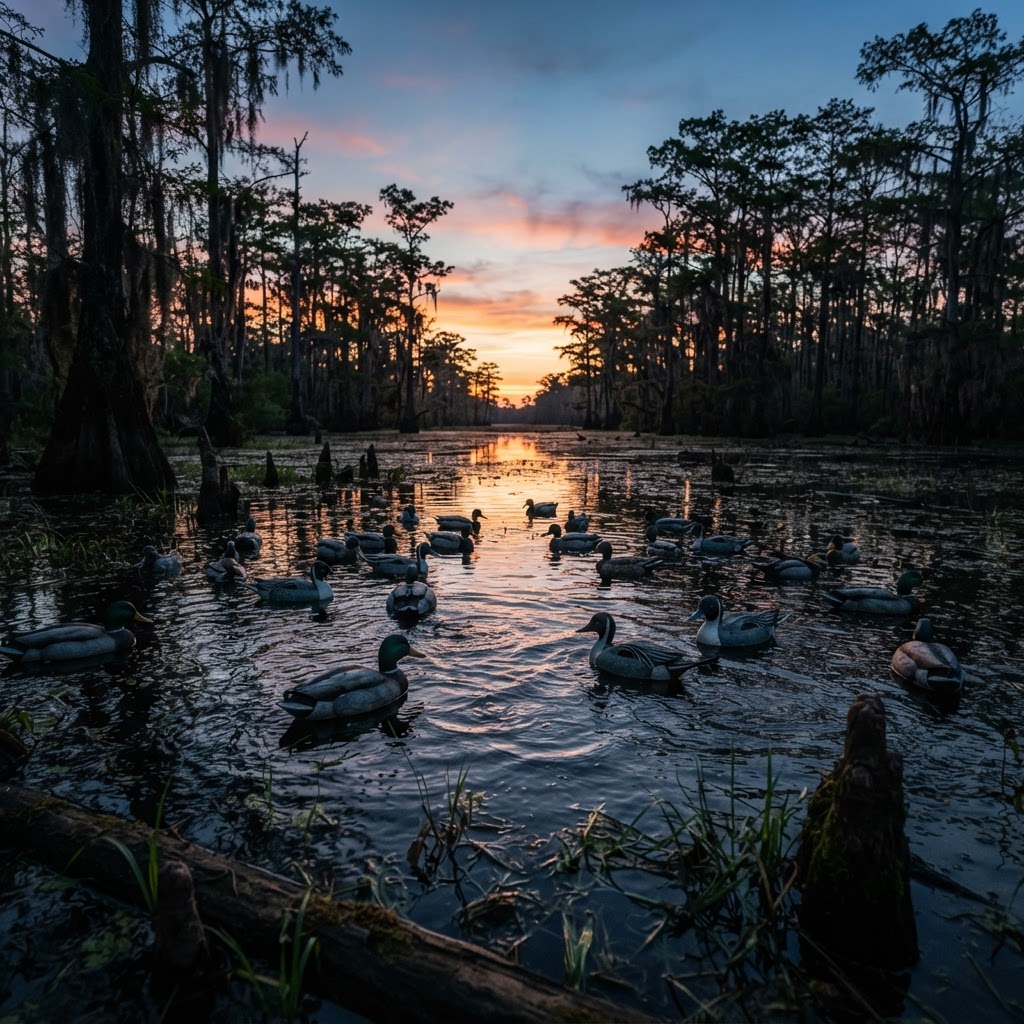
Understanding the Aerodynamics of a Landing Zone
Waterfowl are master aviators, but they are bound by the physics of flight. Just like a commercial airliner, ducks and geese require a 'runway' into the wind to generate the necessary lift to hover, flare, and touch down softly. When you are scouting, you aren't just looking for feed; you are looking for how the wind interacts with the landscape. A blind placed on the wrong side of the wind doesn't just mean a difficult shot; it means the birds will spot you from a mile away as they circle your setup, or worse, they will simply fly right past without ever considering a landing.
Free hunting map, zones & 50-state resources
Save your spots, share zones with your group, and get deer & waterfowl movement forecasts — free.
The Psychology of the Cold Front
Experienced hunters know that a dropping barometric pressure—the hallmark of an incoming cold front—is the gold standard for migration movement. As the thermometer dips and the wind shifts to the north or northwest, the reports often show a massive push of new birds. During these high-energy weather events, birds are looking for two things: high-protein calories to sustain their metabolism and calm water protected from the gale.
When a strong 10-20 mph wind is pushing, birds prefer to land in the 'leeward' side of a point or a calm pocket of a marsh. However, don't make the mistake of setting up where the birds want to go if it forces you to face away from the action. Your blind placement must prioritize having the wind at your back or over your shoulder. This forces the birds to commit to the decoy landing zone, which should be placed directly in front of your blind, giving you the best possible shooting angle as they hang in the air.
Scouting and Setups: The Art of the Spread
Before you even pull a trailer into the field, you need to verify wind direction on the morning of the hunt. Weather apps are great, but local terrain often creates its own microclimates. If you're setting up a massive spread for geese or a tight, realistic layout for mallards, use a to visualize how your 'J-hook' or 'U-shape' pattern will channel the birds.
If you find yourself hunting a large body of water, focus on the points. Birds will almost always work a point by coming in low over the land, turning into the wind, and sliding into the water. By placing your blind on the leeward side of that point, you effectively become the destination. Remember to keep your concealment tight. If the wind is whipping your camo netting around, you're going to get busted. Use local vegetation, brush, or stubble to break up your outline, ensuring that even in a stiff breeze, your position remains static and invisible.
E-Tag States

Harvest Tags
E-check means you supply the tag. Printed with the exact fields your state requires.
3-pack $22.95
Calling and Timing
Calling is an extension of your blind placement. When the wind is blowing 15 mph, you need to hit your calls harder and more aggressively. The wind carries sound differently, and a soft, timid greeting call will be lost in the gusts. If you are positioned correctly—with the wind at your back—the birds will be focused on your decoys and the landing zone. As they approach, the wind forces them to flare their wings to slow down, creating the perfect opportunity for a clean shot.
For those curious about how different species react to these conditions, checking a reliable can provide insight into how specific ducks like pintails or canvasbacks handle heavy air compared to local mallards. Understanding these nuances allows you to adjust your decoy count and calling intensity accordingly.
Raise a safe, confident young hunter.
Guide your kids ages 5–17 through interactive hunting safety missions, real decision drills, and earned trophies — all from one free parent account.
Bonus: every $10 you spend in the BHH shop earns a free seat (up to 5). Use them or share them.




Tactical Adjustments on the Fly
Sometimes, the wind shifts mid-morning. It is a frustrating reality, but the best hunters are the ones who adapt. If you have the ability to move, don't be afraid to pull up stakes and reset your decoys. If you are locked into a permanent blind, try to keep a 'gap' in your decoys that allows for a variety of wind angles. By leaving a slight 'landing hole' that transitions from your left to your right, you can often trick birds into finishing even if they aren't coming in perfectly straight-on.
Ultimately, your success hinges on preparation. From monitoring the to ensuring your gear is maintained and ready for the freezing spray of a late-season morning, Buckeye Hunter Hub is here to help you refine your craft. Whether you are chasing early-season teal or late-season honkers in the snow, remember that the wind is your most important tool. Respect the breeze, play the angles, and you will find yourself shooting over birds that are fully committed to the landing.
Join 644 hunters and anglers on Buckeye Hunter Hub — free.
Latest from the Community

Posted
Duck and geese ft Loramie Ohio
Joshua Shoffner · 12h ago

Trophy
whitetail
Keith Bennett · 17h ago

Trophy
My buck when I was 15 still remember this day!
BigBuckHunter420 · 21h ago

Posted
Nice looking buck
Fred · 1d ago

Posted
Updates to hunt zones/waypoints
Joshua Shoffner · 2d ago

Posted
Opening Day Bow in Northeast AL
Josh · 2d ago
Everything you need to hunt smarter — free
Buckeye Hunter Hub is a free, nationwide platform. Create an account and unlock the full toolkit:
Free Interactive Hunting Map
Mark stands, cameras, and sign. Draw hunting zones with public land & county overlays across all 50 states.
Zones with Group Sharing
Share zones with your hunting group, split property into sections, assign stands, and check in — all in one place.
50 States of Hunting Resources
Season dates, license links, and DNR regulations for every state, kept current so you never miss an opener.
Deer Movement Forecast
Data-driven daily movement predictions using wind, moon, and pressure — know when to sit before you go.
Waterfowl Movement & Tools
Flight-potential forecasts, migration numbers, decoy spread planner, and a full species field guide.
From the Maker Bench

SE Ohio Outdoors
Euro Mount Hook
Hand-built in the USA · $8.00
Shop the MakerBHH Partner

Firearms, ammo and gear from a local Ohio shop in Grafton. Stop in before the season.
dnaarmory.comShop This

StopBox Pro Ward | Wall-Mounted
$179.00$199.99

StopBox Pro Compact
$159.00$179.99

Father's Day Card — Dad's Last Light
$6.99

Birthday Card — Mud Before Cake
$6.99
E-Tag States
Harvest Tags
E-check means you supply the tag. Printed with the exact fields your state requires.
3-pack $22.95
More Articles

Introducing the Thank You Card — Thanks For The Gloves: The Ultimate Gear for Every Hunter's Gratitude
Show your appreciation to your favorite hunting partner with our brand new Thank You Card — Thanks For The Gloves, the perfect addition to any hunter's collection.

Celebrate Dad the Outdoor Way: Introducing the Dad's Slack Tide Card
Looking for the perfect Father's Day gift for the outdoorsman who has everything? Discover our new card designed for the angler who knows exactly when the tide turns.

Celebrate the Seasoned Sportsman: Introducing the 'Dad's Boot Prints' Father's Day Card
Looking for the perfect way to honor the man who taught you everything about the woods and water? Our new Father's Day card hits the mark for every outdoorsman.

Celebrate the Grind: Introducing the New First Harvest Card — Sore Arms Morning
Capture the true essence of a legendary day on the water with our new Sore Arms Morning card, perfect for the angler who pushes until the job is done.