King of the North: A Comprehensive Guide to Moose Hunting in the U.S.
Introduction to Moose Hunting
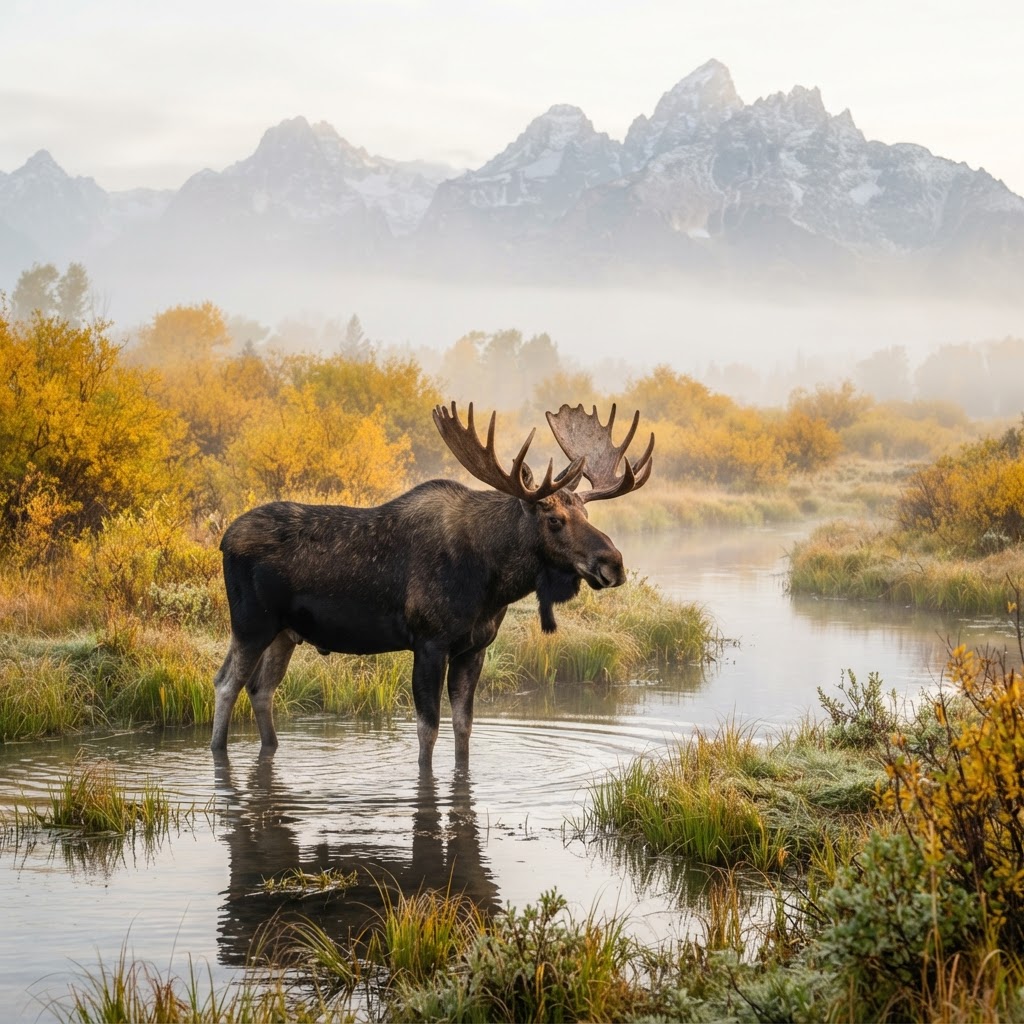
There is perhaps no greater thrill in the American wilderness than catching a glimpse of a mature bull moose stepping silently out of a thicket. As the largest member of the deer family, the moose (Alces alces) is an iconic symbol of the rugged North. For hunters at Buckeye Hunter Hub, pursuing these giants is not just about the harvest; it is about immersing yourself in some of the most remote and breathtaking landscapes in the United States. Whether you are hunting the Shiras moose in the Rocky Mountains or the Alaskan Yukon subspecies in the northern reaches, success requires immense preparation and an understanding of the animal's unique biology.
Free hunting map, zones & 50-state resources
Save your spots, share zones with your group, and get deer & waterfowl movement forecasts — free.
Biology and Behavior
Moose are creatures of habit but are inherently elusive. A mature bull can stand over six feet at the shoulder and weigh upwards of 1,200 pounds. Unlike deer, which may be more flighty, moose possess a quiet confidence. During the rut, which typically occurs from mid-September to early October, bulls become much more mobile and vocal. They search for cows by traveling through riparian corridors, often marking their territory by rubbing trees and digging 'wallows' in the mud.
Understanding their behavior is critical. Moose rely heavily on their sense of smell and hearing, though their eyesight is relatively poor compared to other big game. If you can position yourself downwind, you can often get surprisingly close, provided you move with deliberate silence.
Habitat and Range
In the lower 48 states, the Shiras moose is the primary focus. They are typically found in high-elevation willow basins, timbered creek bottoms, and marshy meadows. They require a steady supply of aquatic vegetation during the summer and high-protein browse like willow, aspen, and birch during the autumn. When scouting new territory, focus on areas where dense forest transitions into open water or lowland bogs. You can gain a better understanding of public access by checking to ensure you are legally positioned in areas that hold both water and thermal cover.
Strategic Tactics for Success
Calling Techniques
E-Tag States

Harvest Tags
E-check means you supply the tag. Printed with the exact fields your state requires.
3-pack $22.95
Calling is the most effective way to entice a bull during the pre-rut and rut. Cow calls can be mimicked using a plastic cone or a birch bark horn. A long, drawn-out whine followed by a shorter grunt can simulate a receptive cow. To imitate a rival bull, try 'raking'—using a paddle or a bone to scrape against trees, simulating a bull clearing its antlers of velvet or challenging a rival. Be prepared to wait; a bull may take an hour or more to approach, moving in total silence.
Spot and Stalk
For those hunting in more open terrain, glassing from high vantage points is key. Use high-quality optics to scan the edges of willow thickets during the first and last two hours of daylight. Once a bull is located, mark the position on your and plan a stalk that keeps the wind consistently in your face. Moose are notoriously difficult to field dress, so ensure you have a plan for meat extraction before you pull the trigger.
Raise a safe, confident young hunter.
Guide your kids ages 5–17 through interactive hunting safety missions, real decision drills, and earned trophies — all from one free parent account.
Bonus: every $10 you spend in the BHH shop earns a free seat (up to 5). Use them or share them.



Essential Gear and Preparation
Because moose hunting often involves traversing wet or mountainous terrain, your gear must be reliable. Invest in high-quality, waterproof boots and moisture-wicking base layers. A heavy-duty backpack frame is non-negotiable for packing out hundreds of pounds of meat. For your firearm, choose a caliber that provides deep penetration and hydrostatic shock—.300 Win Mag or .338 Win Mag are standard favorites among veteran guides. Always consult the to ensure your gear and permit status align with your destination state's regulations.
Tips for New and Experienced Hunters
If you are a novice, the best advice is to prioritize physical conditioning. Moose country is unforgiving, and the labor required to pack out a harvest is physically demanding. For experienced hunters, the focus should be on refining your patience. Many hunters fail because they move too fast through prime cover. Slow down, stop frequently to glass, and respect the animal's environment.
For those looking to connect with others who have been successful in the field, joining can provide invaluable local knowledge. Remember that conservation is key; always follow the guidelines set by your local Fish and Game department. You can find more information on managed herds through the U.S. Fish and Wildlife Service.
Conclusion
Moose hunting is a test of patience, endurance, and skill. By respecting the animal and preparing diligently for the elements, you set yourself up for a lifetime of memories. Whether you are chasing the elusive Shiras in the Rockies or exploring new terrain, remain ethical, stay safe, and enjoy the silence of the North.
Join 807 hunters and anglers on Buckeye Hunter Hub — free.
Latest from the Community


Everything you need to hunt smarter — free
Buckeye Hunter Hub is a free, nationwide platform. Create an account and unlock the full toolkit:
Free Interactive Hunting Map
Mark stands, cameras, and sign. Draw hunting zones with public land & county overlays across all 50 states.
Zones with Group Sharing
Share zones with your hunting group, split property into sections, assign stands, and check in — all in one place.
50 States of Hunting Resources
Season dates, license links, and DNR regulations for every state, kept current so you never miss an opener.
Deer Movement Forecast
Data-driven daily movement predictions using wind, moon, and pressure — know when to sit before you go.
Waterfowl Movement & Tools
Flight-potential forecasts, migration numbers, decoy spread planner, and a full species field guide.
From the Maker Bench

SE Ohio Outdoors
Euro Mount Hook
Hand-built in the USA · $8.00
Shop the MakerFriend of BHH
Thinking about selling a rifle or an old family shotgun? Check up-to-date market pricing by make and model before you sell.
webuyguns.comShop This

StopBox Pro Ward | Wall-Mounted
$179.00$199.99

StopBox Pro Compact
$159.00$179.99

BHH Speckle Camo Hoodie
$53.36

BHH Blackwood Camo Hoodie
$53.36
E-Tag States
Harvest Tags
E-check means you supply the tag. Printed with the exact fields your state requires.
3-pack $22.95
More Articles
Precision Scouting: Using AI to Sort Your Trail Camera Inventory
Drowning in thousands of trail camera images? Learn how to leverage artificial intelligence to identify specific deer and master movement patterns before opening day.
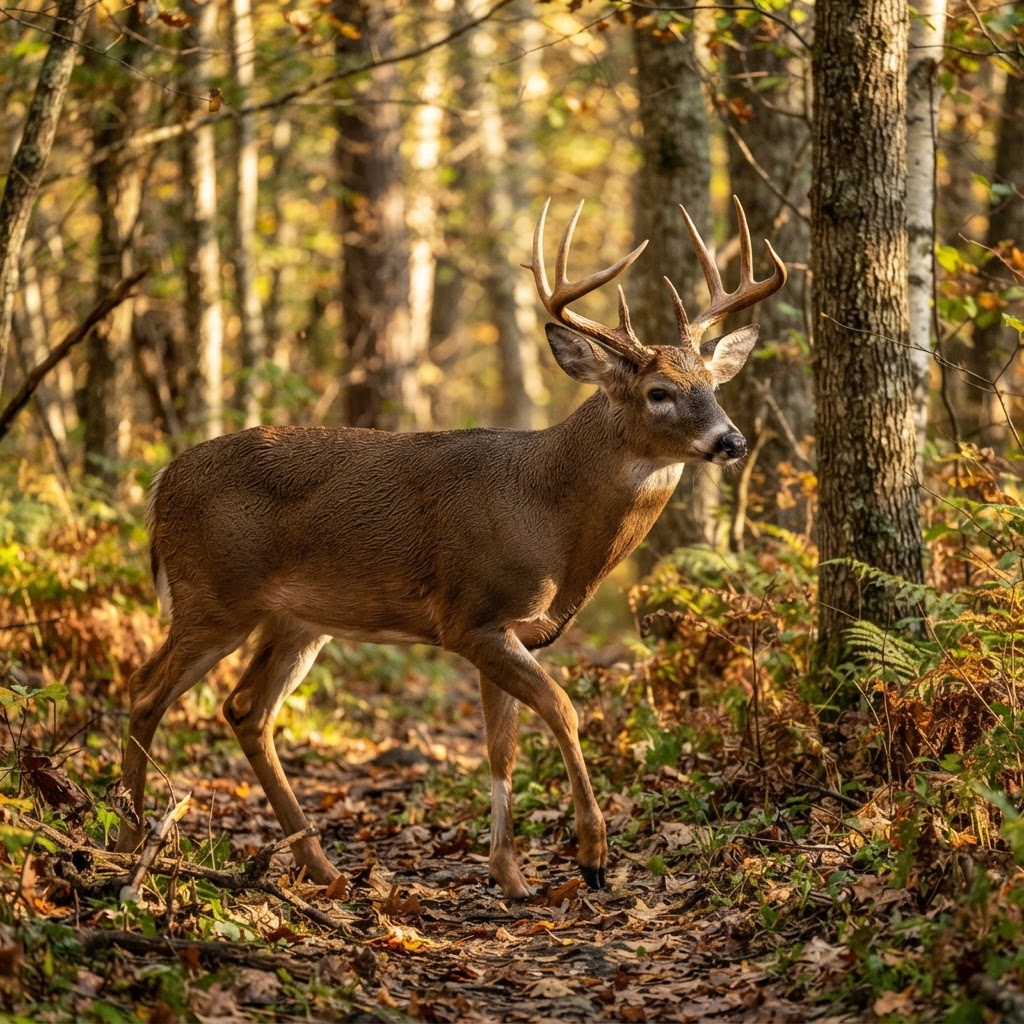
Decoding the Data: Streamlining Your Trail Camera Workflow
Tired of spending hours sorting through thousands of trail camera images? Learn how to harness AI-driven analysis to identify bucks and does, pinpointing exactly when to be in the stand.
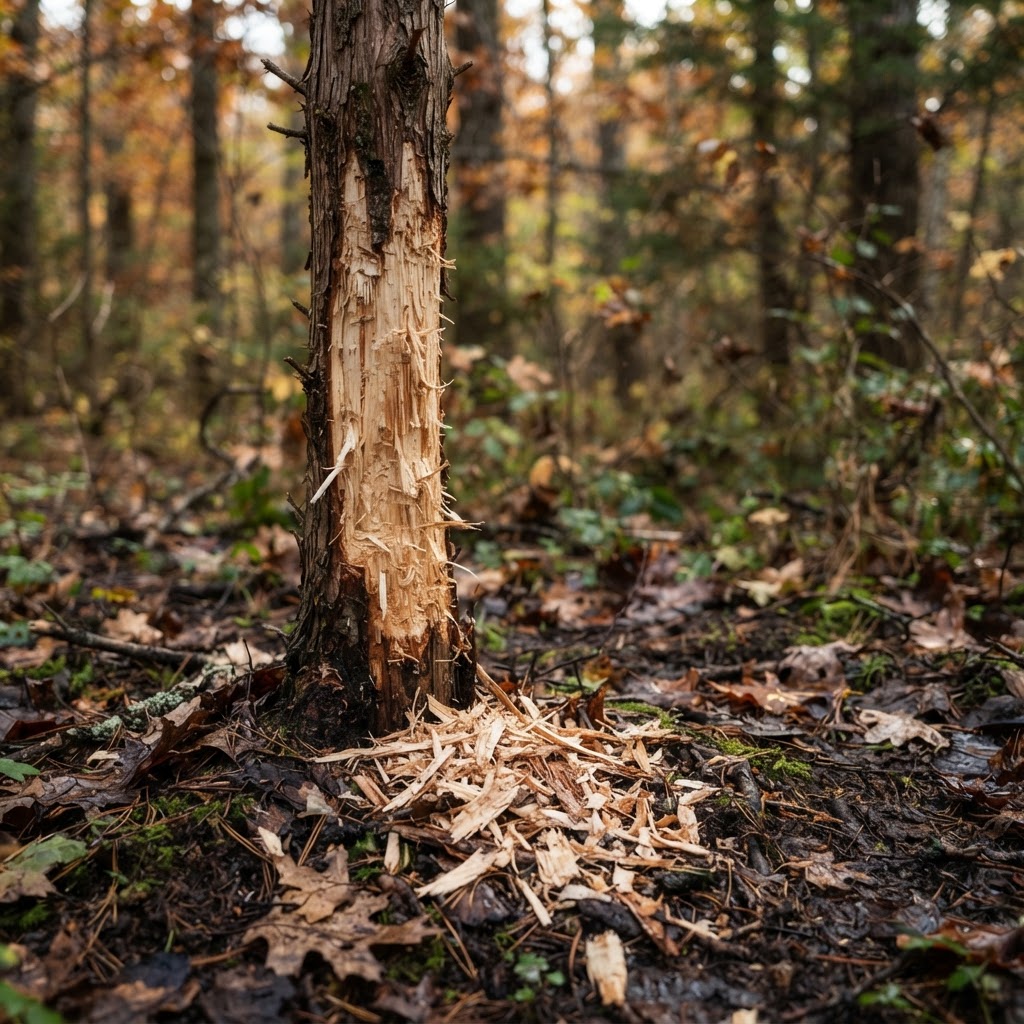
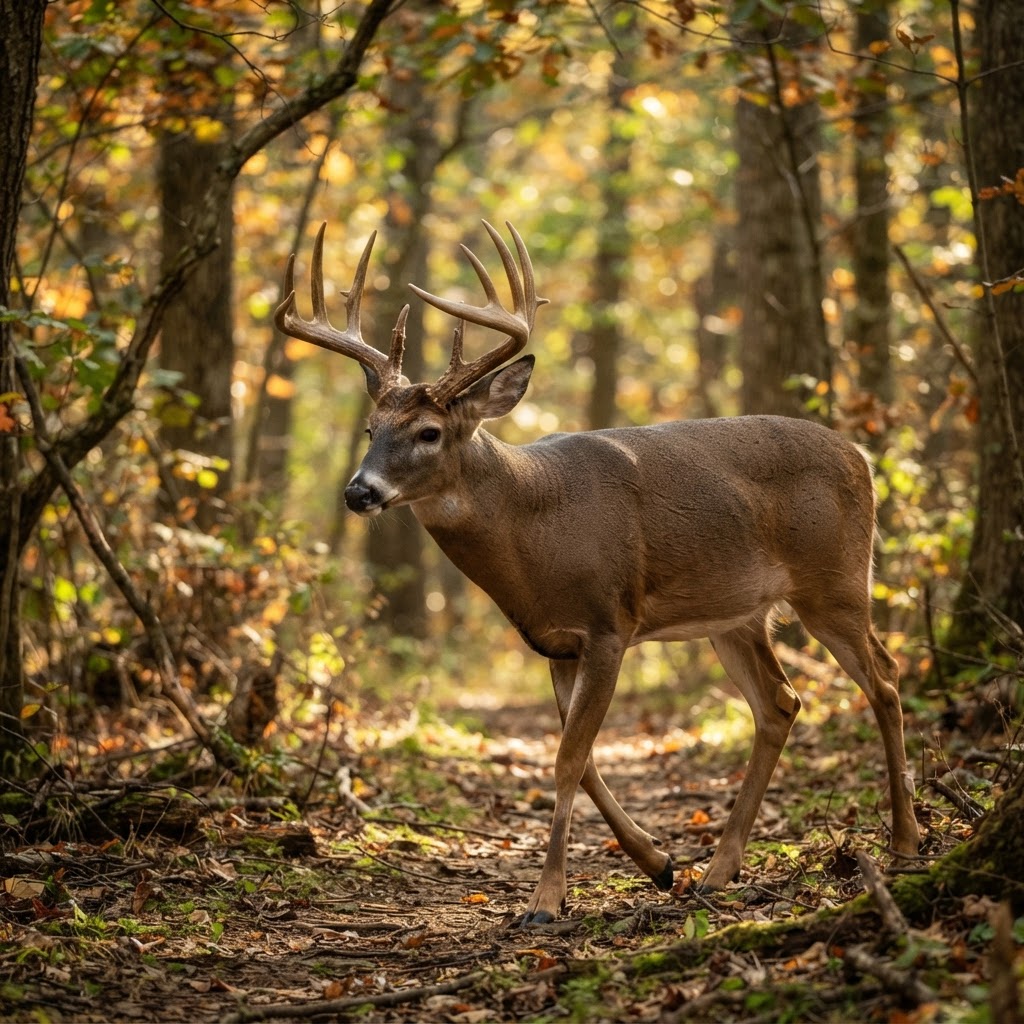
Deciphering the Whitetail Blueprint: A Field Guide to Interpreting Deer Sign
Moving beyond basic observation, this guide teaches you how to read the complex language of rubs, scrapes, and bedding areas to predict deer behavior with surgical precision.
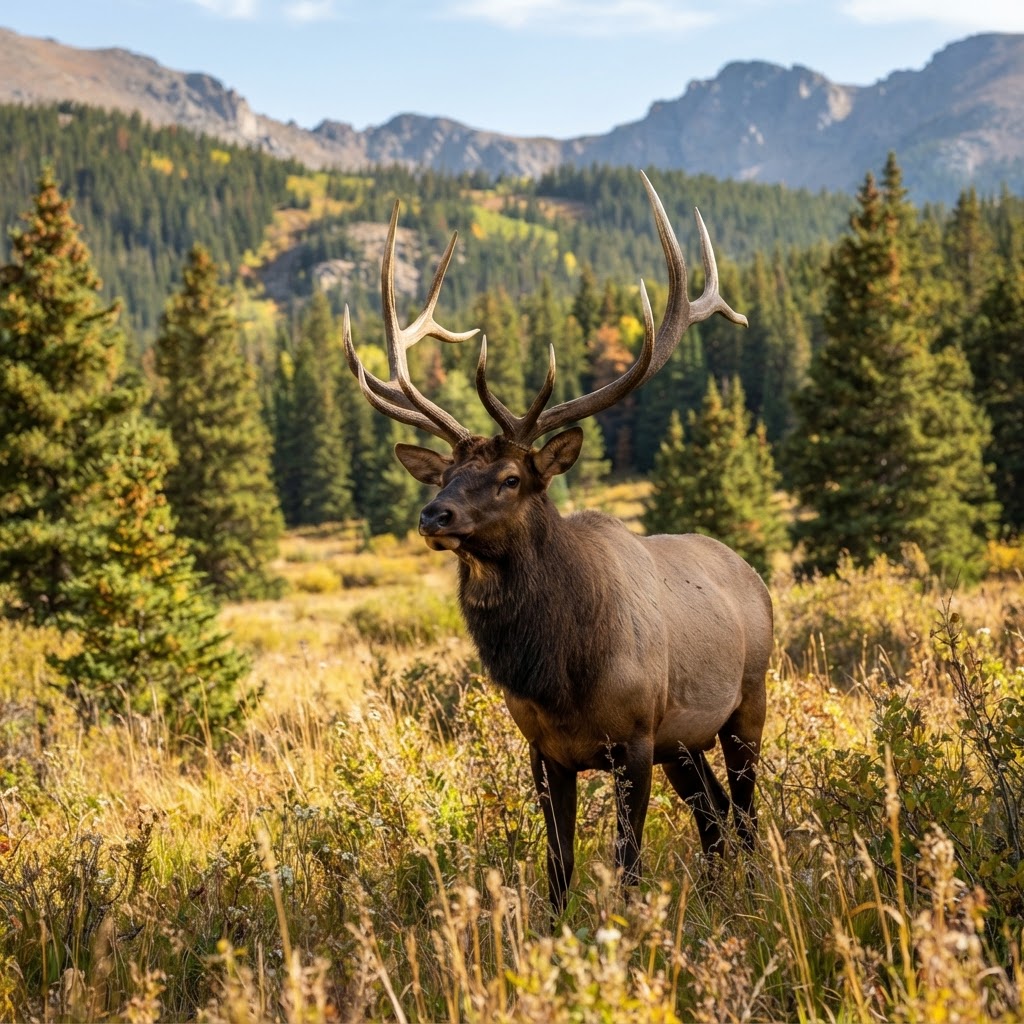
Chasing the Wapiti: A Comprehensive Guide to American Elk Hunting
From the high-alpine basins of the Rockies to the shadowed timber of the Pacific Northwest, hunting elk is the ultimate test for the modern woodsman. Master the biology, behavior, and tactical nuances required to fill your tag on this majestic North American giant.