
How Temperature Drops Trigger Daytime Deer Movement
Introduction
Hunting whitetails requires more than just patience; it demands a keen understanding of deer biology and environmental factors that influence their behavior. One of the most significant triggers of daytime deer movement is a drop in temperature, especially when accompanied by other weather changes like barometric pressure shifts and cold fronts. This article dives into the science behind these phenomena, drawing from peer-reviewed telemetry studies and data to provide you with concrete insights for your next hunt.
Temperature and Deer Biology
Whitetail deer (Odocoileus virginianus) are highly sensitive to their environment, particularly temperature variations. As ectothermic animals, deer regulate their internal temperature depending on external conditions. Research has shown that temperature drops can trigger increased movement due to physiological responses, prompting deer to forage more extensively to meet their energy needs. According to a study published in the Journal of Wildlife Management, deer wearing GPS collars exhibited distinct movement patterns correlating with significant temperature drops to gain warmth and calories before cold weather sets in.
Get the deer movement forecast for your spot, free
See the best days and hours to sit this week, built from your spot's weather, moon, and wind.
The Role of Barometric Pressure
Barometric pressure plays a crucial role in deer movement, often interlinked with temperature shifts. When a cold front approaches, the rapid drop in barometric pressure can signal to deer that a change in weather is imminent. High activity is typically observed 24 to 36 hours ahead of these fronts. This behavior is not isolated to just temperature; it impacts food availability and affects predators’ hunting patterns, making it critical for hunters to monitor these changes.
Wind and Its Effects
Wind speed and direction can also significantly influence deer movement. A steady or increasing wind often encourages deer to move during the day. In contrast, high winds can lead to reduced daytime activity, as deer are more vigilant. Tracking wind patterns alongside temperature changes can provide insights into how active deer will be during your hunting trip. Make sure to check the wind forecast as part of your hunting strategy. Using data analytics can help you gauge the best hunting days based on wind conditions combined with temperature data.
Cold Fronts: Timing and Strategy
Cold fronts are one of the most significant triggers for daytime deer movement. When a cold front rolls in, it often brings with it a combination of falling temperatures, rising barometric pressure, and changing wind patterns. These conditions sap the deer’s energy reserves, prompting them to move to food sources for sustenance, especially before the front arrives. You might notice that deer become more active during the late morning to mid-afternoon as they seek out food as the front approaches. Planning your hunts around these fronts could mean the difference between an empty freezer and a successful hunt.
Photoperiod and the Rut
In addition to temperature changes, the photoperiod—the duration of daylight—affects deer behavior. As days shorten, deer enter the rut and exhibit heightened activity levels, especially during the morning and evening. While temperature drops can enhance movement, they are often less effective than timing your hunts to coincide with the rut. Most hunters find success culling deer during these peak periods when the urge to breed pushes them to bust out of the cover at unusual hours, particularly around the full moon.
Minimal Moon Phase Influence
While some hunters swear by moon phases, studies suggest the influence is minimal compared to the more pressing weather factors. The patterns observed in deer movements across telemetry data largely relay that temperature and bands of weather have a more substantial impact on active hours than lunar position. Therefore, focusing on cold fronts, temperature fluctuations, and barometric pressure will yield better results than planning hunts strictly around moon phases.
Actionable Takeaways for Whitetail Hunters
- Monitor Temperature Drops: Keep a close eye on temperature forecasts. A drop of 10 degrees or more is often a significant indicator of increased deer movement.
- Utilize Barometric Pressure Trends: Learn to interpret barometric pressure readings. Rising pressure often translates to heightened deer activity.
- Plan Around Cold Fronts: Schedule your hunts for the day before or after a cold front. This is when deer are most likely to be on the move.
- Track the Wind: Understand wind patterns in the area you hunt. Windy days can lead to heightened movement, particularly during midday hours.
- Stay Informed: Use digital scouting tools that can integrate weather data and help predict deer movement.
- Read Local and Seasonal Patterns: Consult your state’s hunting resources to understand local deer behavior linked to environmental variations and adapt your strategy accordingly.
Conclusion
Understanding how temperature drops affect daytime deer movement can vastly improve your hunting success. By monitoring weather changes, especially temperature and barometric pressure, hunters can significantly increase their chances of encountering whitetails during daylight hours. For further insights into deer behavior, visit our articles on the science of deer movement and check out our free resources to stay ahead in your hunting game. Happy hunting at Buckeye Hunter Hub!
External Resources
E-Tag States

Harvest Tags
E-check means you supply the tag. Printed with the exact fields your state requires.
3-pack $22.95

Youth Hunter Academy
Raise a safe, confident young hunter.
Safety missions for ages 5–17. Free parent account.
Explore More on Buckeye Hunter Hub
Free every morning
Your Daily Briefing
One morning forecast for the spots you actually hunt and fish: deer movement, waterfowl flights, bite times, wind and shooting light.
See what's in itSet up your briefing
Join free, save a spot on the map, then pick what you hunt and fish and when you want your email.
Join 1,633 hunters and anglers on Buckeye Hunter Hub — free.
Latest from the Community


Everything you need to hunt smarter — free
Buckeye Hunter Hub is a free, nationwide platform. Create an account and unlock the full toolkit:
Free Interactive Hunting Map
Mark stands, cameras, and sign. Draw hunting zones with public land & county overlays across all 50 states.
Zones with Group Sharing
Share zones with your hunting group, split property into sections, assign stands, and check in — all in one place.
50 States of Hunting Resources
Season dates, license links, and DNR regulations for every state, kept current so you never miss an opener.
Deer Movement Forecast
Data-driven daily movement predictions using wind, moon, and pressure — know when to sit before you go.
Waterfowl Movement & Tools
Flight-potential forecasts, migration numbers, decoy spread planner, and a full species field guide.
From the Maker Bench

Taggart Outdoors
Custom Western Belt
Hand-built in the USA · $127.99
Shop the Maker
BHH Partner
Firearms, ammo and gear from a local Ohio shop in Grafton.
dnaarmory.comE-Tag States
Harvest Tags
E-check means you supply the tag. Printed with the exact fields your state requires.
3-pack $22.95
More Articles
Never Miss a Tag: Accessing Official State Hunting Regulations in One Place
Navigating the maze of state-specific hunting regulations can be a headache, but it doesn't have to be. Discover how Buckeye Hunter Hub centralizes official DNR data to keep you legal and ready for the field.
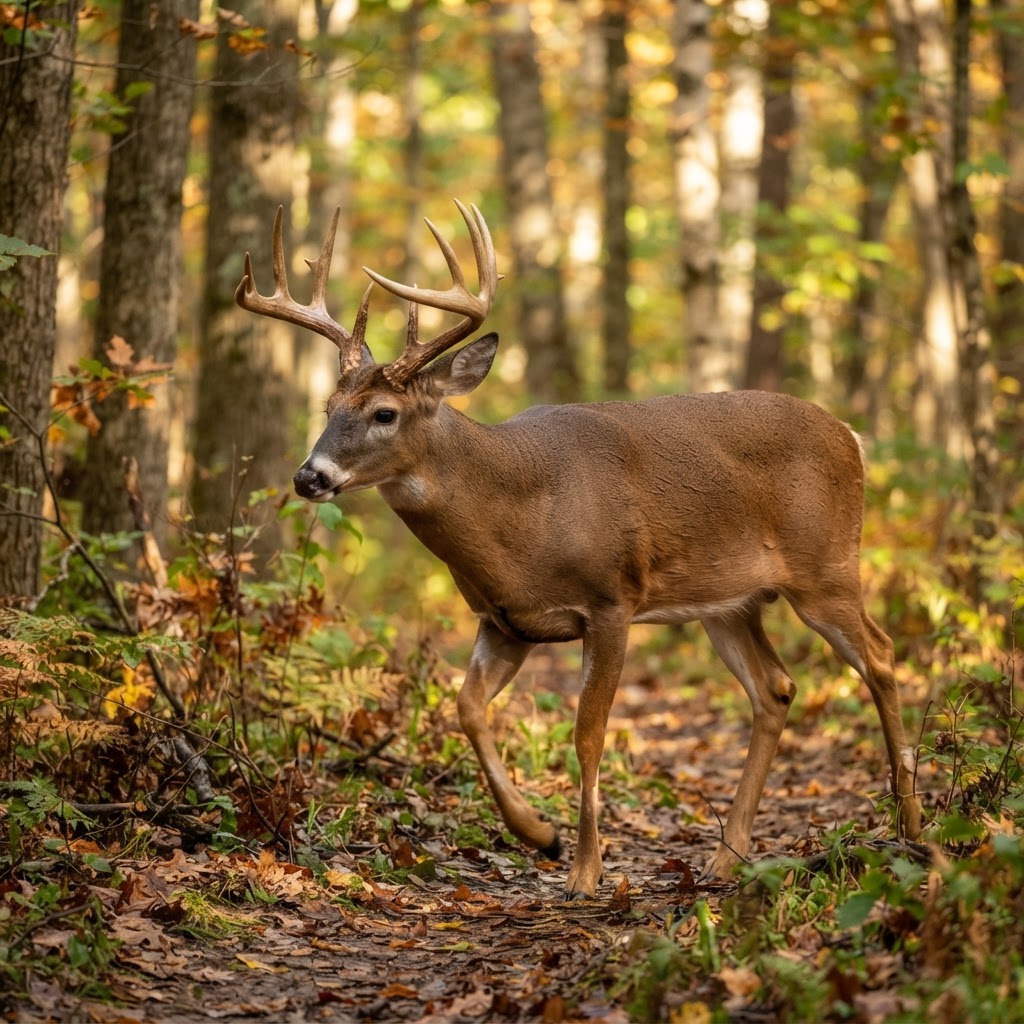
Optimizing Your Scouting: A Practical Approach to AI Trail Camera Photo Analysis
Drowning in thousands of trail camera photos every week? Learn how to stop sorting and start hunting by using AI to categorize bucks, does, and movement trends.
A Free Linktree Alternative Built for Hunters and Anglers
Every Buckeye Hunter Hub member gets a free link in bio page: one address for your socials, videos, photos, trophies and catches, with a QR code to print.
How to Set Up Your Hunting Instagram Bio (and the One Link to Put in It)
Four short lines, one clear photo and one link that holds everything. Here is how to set up a hunting or fishing Instagram bio that gets people to tap.