
Field Hunting Canada Geese: Spreads, Motion, and Concealment
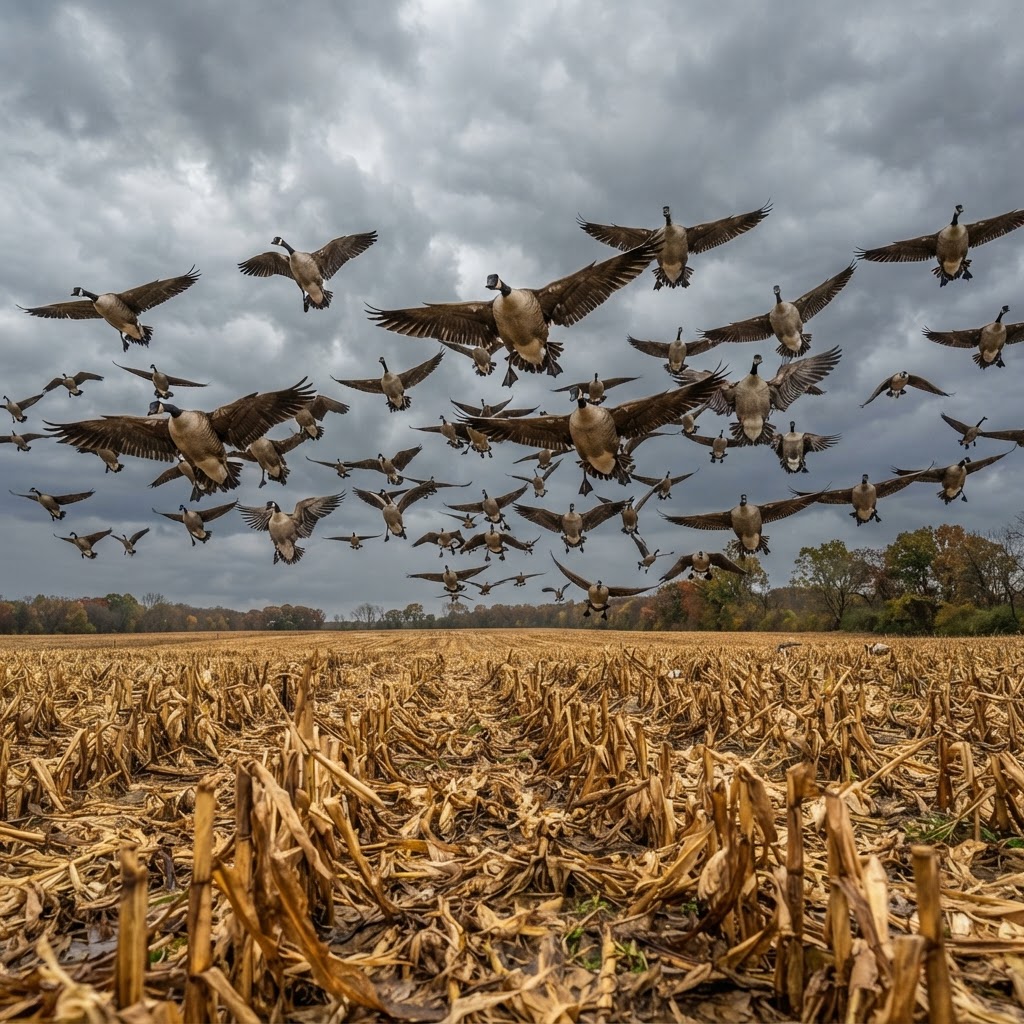
The Art of the Field: Strategies for Canada Geese
Canada goose hunting is a game of patience, preparation, and tactical precision. Unlike pass shooting over water, field hunting allows you to get inside the birds' 'living room.' When you get the setup right, the sight of a locked-up flock of giants back-pedaling into your decoys is the pinnacle of the waterfowler's experience. At Buckeye Hunter Hub, we believe success starts long before the sun rises. Whether you are tracking or fine-tuning your gear, the fundamentals of field hunting remain the same.
Get the waterfowl forecast for your area, free
See migration pushes, freeze-ups, and the best days to hunt ducks and geese near you.
Reading the Weather and Migration
Geese are creatures of habit, but they are slaves to the weather. A falling barometric pressure—often the precursor to a cold front—is the gold standard for goose movement. As temperatures drop and the pressure falls, birds become restless. They feed aggressively to put on the caloric reserves needed to fight off the impending chill. While you can always check our for a general pulse, learn to watch the local weather maps.
Target days with 10–20 mph winds. Dead-calm days are notoriously difficult; geese lose the 'cushion' they need to land comfortably and will often stay on the roost until the air stirs. If a hard freeze-up hits, look for moving water or freshly harvested fields that have been kept clear of deep snow by wind or local agricultural activity. When the snow flies, geese may shift their feeding patterns, often staying on the roost longer or utilizing grain fields closer to open water.
Scouting: The Foundation of Success
There is no substitute for boots-on-the-ground scouting. If you are not where the birds want to be, the best calling and the most expensive decoy spread in the world will fail. Spend your evenings glassing fields to identify the exact spot where geese are feeding. Watch how they enter the field and where they congregate. If you can identify the 'X'—the specific corner or ridge where the birds landed the day before—your success rate increases exponentially. Always verify your access rights through before setting up.
The Decoy Spread: Less Can Be More
Many hunters mistakenly think they need five hundred decoys to draw in geese. While large spreads have their place in high-traffic flyways, quality and presentation are far more important. Use a to visualize your layout before you start hauling gear.
Focus on creating 'landing zones'—open pockets within your spread that mimic the natural grouping of feeding geese. Use a 'U' or 'V' configuration that funnels incoming birds toward your blinds. Incorporate motion into your spread using flags or motion-stake decoys. A flag waved gently as geese approach mimics the movement of a bird landing or shifting position, which is essential for catching the attention of distant flocks.
Concealment: The Final Frontier
E-Tag States

Harvest Tags
E-check means you supply the tag. Printed with the exact fields your state requires.
3-pack $22.95

Youth Hunter Academy
Raise a safe, confident young hunter.
Safety missions for ages 5–17. Free parent account.
Geese have exceptional eyesight, and if they spot your blind, the jig is up. Whether you are using layout blinds, A-frame blinds, or traditional pit blinds, the key is matching the natural cover of the field. If you are hunting a harvested corn field, stubble is your best friend. Brush the tops and sides of your blinds with the actual vegetation from the site. If the field is thin, go the extra mile by digging your layout blinds into the dirt, ensuring the profile is as low as possible. Never rely on the factory camo pattern alone; if you don't blend in, you won't pull them in.
Calling and Execution
Calling should be used as a communication tool, not a noise-making contest. When geese are distant, use aggressive 'hail calls' to grab their attention. As they commit and begin to work, soften your calling. Focus on 'clucks' and 'moans' that simulate the social sounds of a feeding flock. Most importantly, know when to stop. If the birds are locked on your decoys and finishing, put the call down and get your hands on your shotgun.
Successful field hunting is a blend of science and art. By keeping a close eye on the and adapting to the daily shifts in wind and temperature, you will put more geese in the bag this season. Keep your setup tidy, stay hidden, and always respect the birds.
Free every morning
Your Daily Briefing
One morning forecast for the spots you actually hunt and fish: deer movement, waterfowl flights, bite times, wind and shooting light.
See what's in itSet up your briefing
Join free, save a spot on the map, then pick what you hunt and fish and when you want your email.
Join 1,633 hunters and anglers on Buckeye Hunter Hub — free.
Latest from the Community


Everything you need to hunt smarter — free
Buckeye Hunter Hub is a free, nationwide platform. Create an account and unlock the full toolkit:
Free Interactive Hunting Map
Mark stands, cameras, and sign. Draw hunting zones with public land & county overlays across all 50 states.
Zones with Group Sharing
Share zones with your hunting group, split property into sections, assign stands, and check in — all in one place.
50 States of Hunting Resources
Season dates, license links, and DNR regulations for every state, kept current so you never miss an opener.
Deer Movement Forecast
Data-driven daily movement predictions using wind, moon, and pressure — know when to sit before you go.
Waterfowl Movement & Tools
Flight-potential forecasts, migration numbers, decoy spread planner, and a full species field guide.
From the Maker Bench

Taggart Outdoors
Custom Western Belt
Hand-built in the USA · $127.99
Shop the Maker
BHH Partner
Firearms, ammo and gear from a local Ohio shop in Grafton.
dnaarmory.comE-Tag States
Harvest Tags
E-check means you supply the tag. Printed with the exact fields your state requires.
3-pack $22.95
More Articles
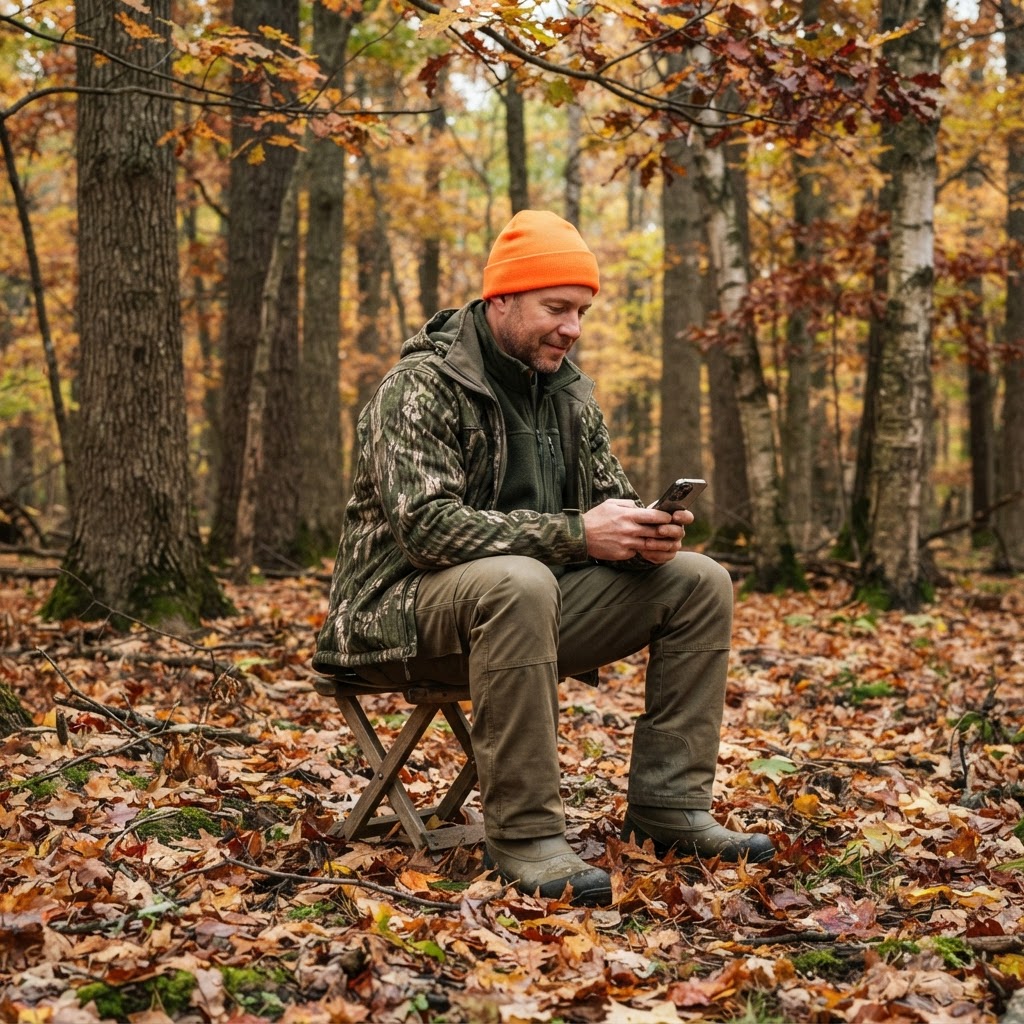
Never Miss a Tag: Accessing Official State Hunting Regulations in One Place
Navigating the maze of state-specific hunting regulations can be a headache, but it doesn't have to be. Discover how Buckeye Hunter Hub centralizes official DNR data to keep you legal and ready for the field.
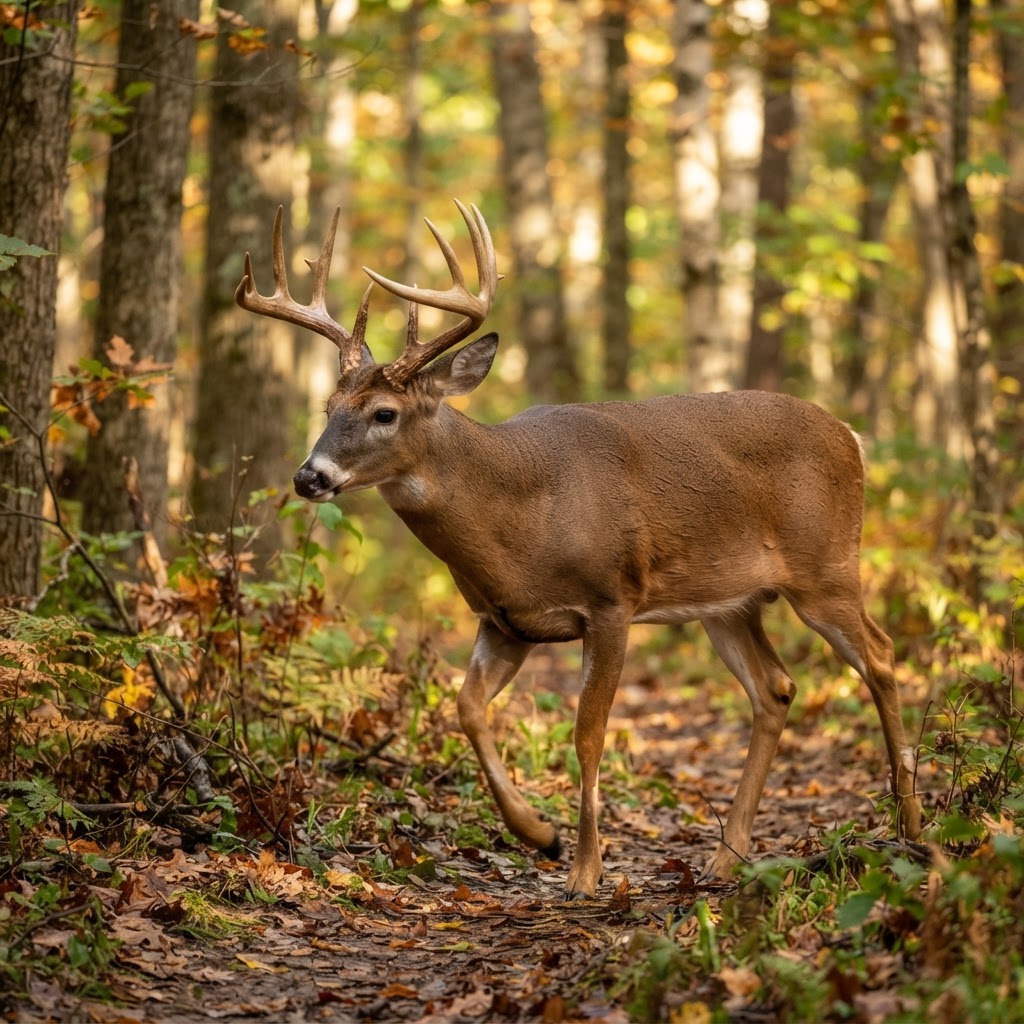
Optimizing Your Scouting: A Practical Approach to AI Trail Camera Photo Analysis
Drowning in thousands of trail camera photos every week? Learn how to stop sorting and start hunting by using AI to categorize bucks, does, and movement trends.
A Free Linktree Alternative Built for Hunters and Anglers
Every Buckeye Hunter Hub member gets a free link in bio page: one address for your socials, videos, photos, trophies and catches, with a QR code to print.
How to Set Up Your Hunting Instagram Bio (and the One Link to Put in It)
Four short lines, one clear photo and one link that holds everything. Here is how to set up a hunting or fishing Instagram bio that gets people to tap.