Decoy Spread Strategy: Duck and Goose Setups That Actually Work
Decoding Waterfowl Behavior: The Science of the Spread
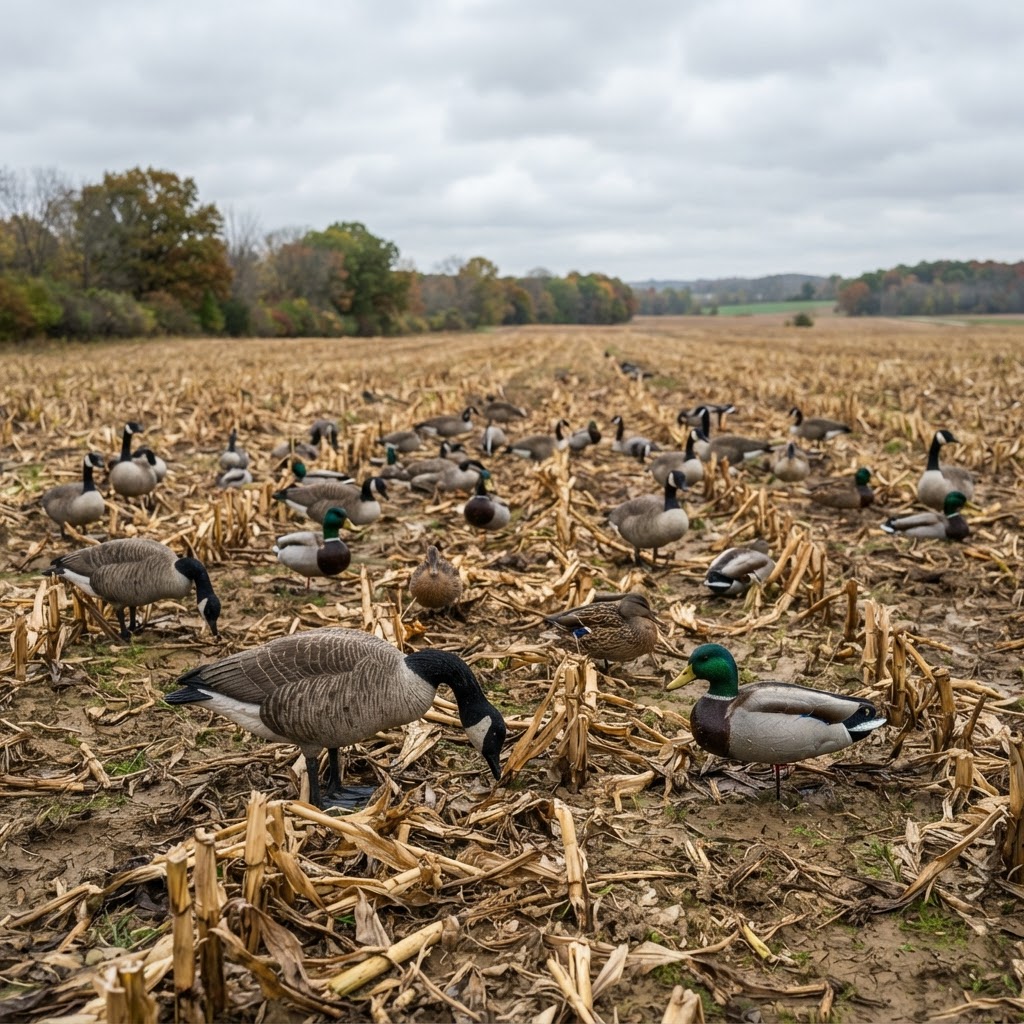
To consistently put birds in the decoys, you must stop hunting like a tourist and start hunting like a biologist. Waterfowl, particularly Mallards and Canada Geese, are creatures of extreme efficiency. They follow the path of least resistance, dictated by wind, thermals, and safety. At Buckeye Hunter Hub, we emphasize that your decoy spread is not just a collection of plastic; it is a visual conversation you are having with the birds.
Free hunting map, zones & 50-state resources
Save your spots, share zones with your group, and get deer & waterfowl movement forecasts — free.
The Power of the Wind and Weather
If you want to understand how birds move, look at the barometric pressure. A falling barometer ahead of a cold front is the gold standard for migration movement. As the front pushes through, that 10–20 mph wind is your best friend. Ducks and geese want to land into the wind, and they love the turbulence it creates, which masks minor inconsistencies in your calling or decoy placement.
When scouting, keep a close eye on to understand what stage of the season you are in. Early-season local birds are naive, but by the time a major cold front brings new birds down from the north, you are dealing with seasoned veterans. These birds have traveled hundreds of miles and have seen every "standard" spread in the book.
Designing Your Spread: Geometry and Realism
Forget the perfect U-shape or the classic V-spread if the wind isn't cooperating. Instead, prioritize "the landing zone."
The 'J' and 'X' Setups
For duck hunting on open water, the 'J' spread is a perennial favorite. Place your main block of decoys upwind of your blind, with a tail of decoys stretching downwind to guide the birds into a pocket. If you are hunting a field for geese, the 'X' pattern remains the gold standard. By splitting your spread into two groups with a landing zone in the middle, you create a "safe" area that naturally draws the attention of approaching flocks. Use our to visualize these configurations based on your specific wind direction before you hit the field.
Less Is Often More
One of the biggest mistakes hunters make is over-crowding the spread. On calm, bluebird days, high-pressure birds will flare if they see too many decoys that aren't moving. If it's a sunny day with little wind, switch to a smaller, more realistic spread of high-quality decoys and emphasize movement via jerk strings or motorized decoys. Conversely, during a heavy snow or blizzard, boost your numbers. Visibility is low, and your spread needs to stand out against a white landscape.
E-Tag States

Harvest Tags
E-check means you supply the tag. Printed with the exact fields your state requires.
3-pack $22.95
Blind Placement and Concealment
Your spread can be perfect, but if the birds spot you, the hunt is over. Concealment is the single most important variable. Whether you are in a layout blind in a cornfield or a boat blind in the marsh, you must break up your outline. Use local vegetation to brush in your setup.
Before you set out, check our to identify potential pinch points and water access points that might hold birds. Often, the best blind location is not directly where the birds are sitting, but where they are traveling through. Remember to keep your face hidden until the birds are committed—a flash of light off a face or a gun barrel is the quickest way to end a hunt.
Raise a safe, confident young hunter.
Guide your kids ages 5–17 through interactive hunting safety missions, real decision drills, and earned trophies — all from one free parent account.
Bonus: every $10 you spend in the BHH shop earns a free seat (up to 5). Use them or share them.


Calling: Know When to be Quiet
Calling is an art, not a contest of volume. On high-wind days, you need to call loudly to get their attention, but as soon as they commit, ease off. Many hunters make the mistake of calling too much when birds are already working. If they are locked on and descending, stop calling. Let your decoys do the heavy lifting. If you are struggling with species identification, review our to ensure you are calling appropriately for the species you are targeting.
The Takeaway: Adaptability Wins
Success in the field is rarely about a "magic" decoy model; it is about adaptability. If you are hunting a new area, start by visiting to familiarize yourself with the local regulations and seasonal quirks. Observe how the birds are reacting to your spread. If they are flaring at the edge of the decoys, you likely have a concealment issue or you are calling at the wrong time. If they are landing wide of your pocket, adjust your spread's landing zone.
Waterfowl hunting is a game of constant refinement. By pairing weather analysis with strategic placement, you will find that the birds start finishing in the decoys much more reliably. Keep scouting, keep adapting, and make every shot count.
Join 708 hunters and anglers on Buckeye Hunter Hub — free.
Latest from the Community


Everything you need to hunt smarter — free
Buckeye Hunter Hub is a free, nationwide platform. Create an account and unlock the full toolkit:
Free Interactive Hunting Map
Mark stands, cameras, and sign. Draw hunting zones with public land & county overlays across all 50 states.
Zones with Group Sharing
Share zones with your hunting group, split property into sections, assign stands, and check in — all in one place.
50 States of Hunting Resources
Season dates, license links, and DNR regulations for every state, kept current so you never miss an opener.
Deer Movement Forecast
Data-driven daily movement predictions using wind, moon, and pressure — know when to sit before you go.
Waterfowl Movement & Tools
Flight-potential forecasts, migration numbers, decoy spread planner, and a full species field guide.
From the Maker Bench

SE Ohio Outdoors
Euro Mount Hook
Hand-built in the USA · $8.00
Shop the MakerBHH Partner

Firearms, ammo and gear from a local Ohio shop in Grafton. Stop in before the season.
dnaarmory.comShop This

StopBox Pro Ward | Wall-Mounted
$179.00$199.99

StopBox Pro Compact
$159.00$179.99

Get Well Card — Pole Down Week
$6.99

Christmas Card — Christmas Morning Perch
$6.99
E-Tag States
Harvest Tags
E-check means you supply the tag. Printed with the exact fields your state requires.
3-pack $22.95
More Articles
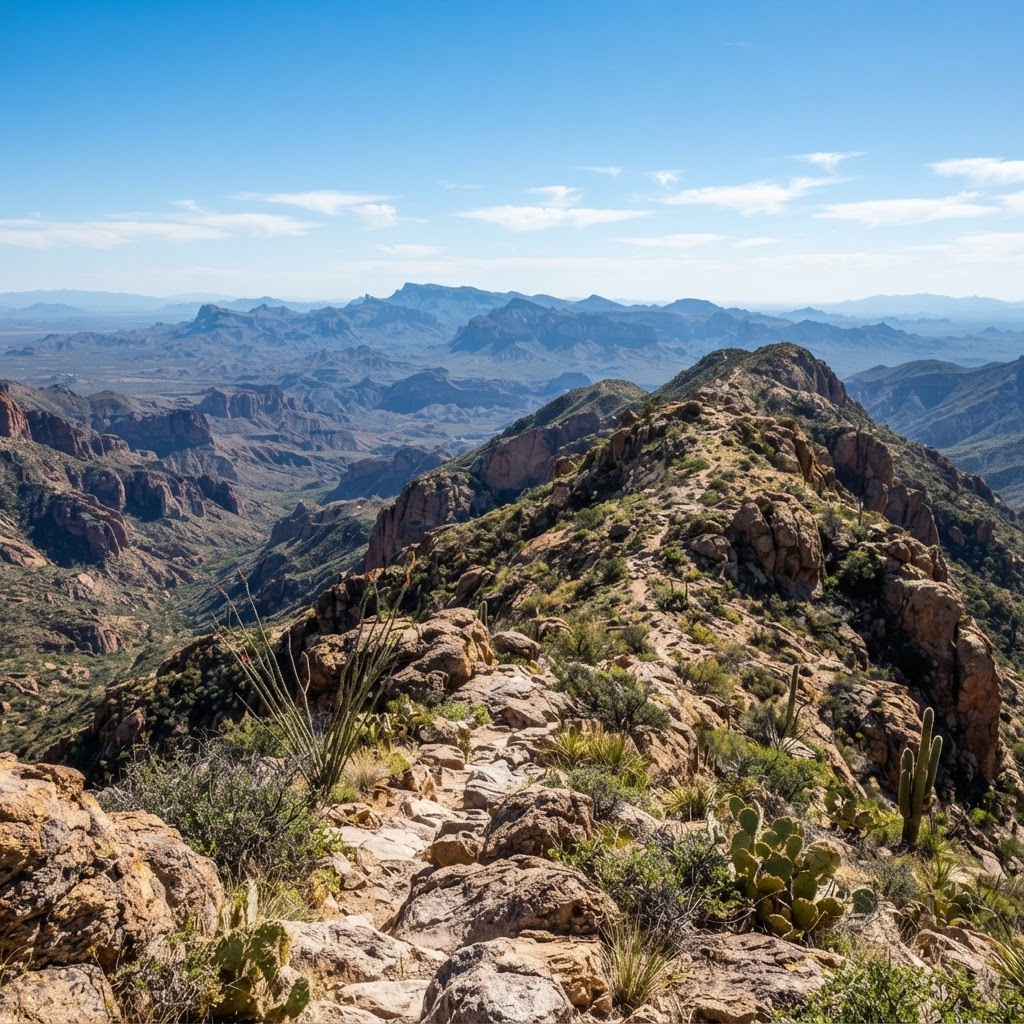
Sun, Sage, and Strategy: A Practical Guide to Arizona Hunting
Arizona offers some of the most unique hunting experiences in the American Southwest, from high-altitude elk hunts to desert bighorn sheep pursuits. Master the complexities of the Grand Canyon State with this tactical guide.
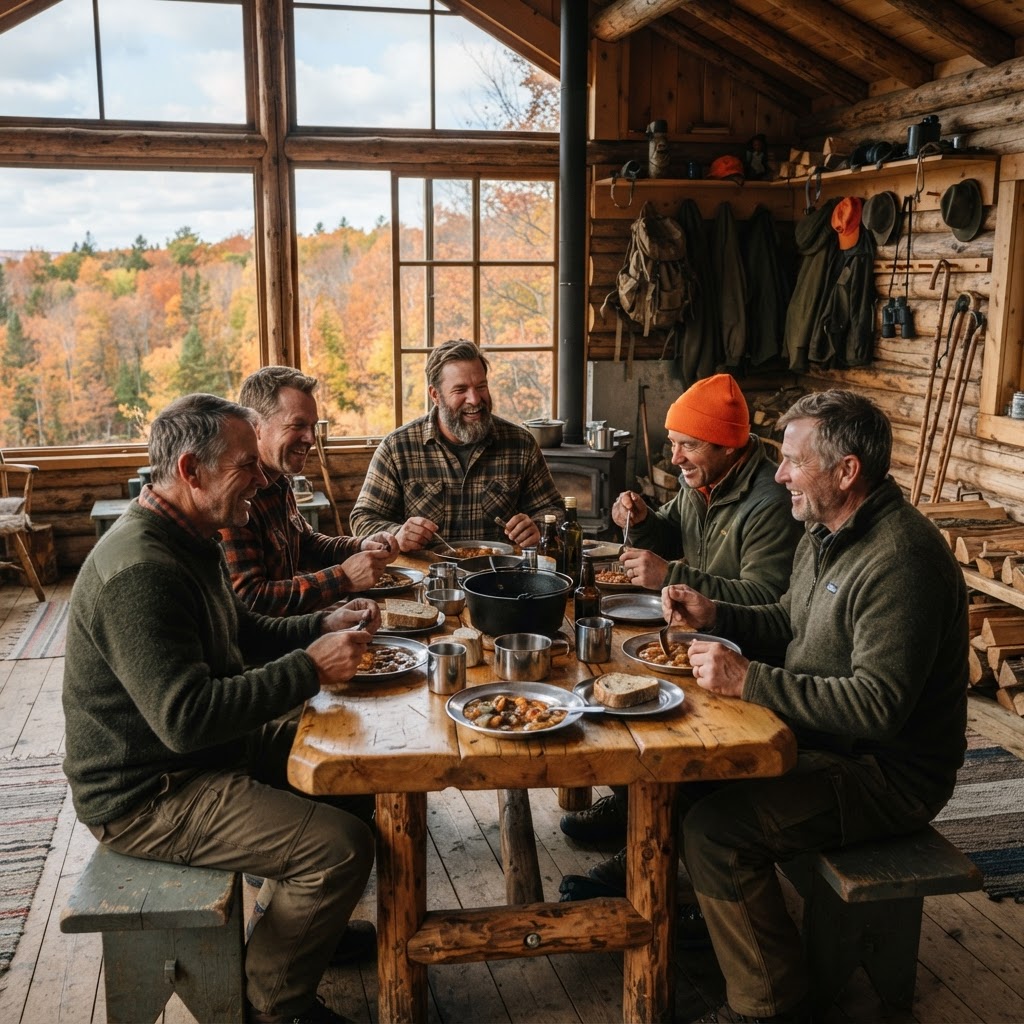
Beyond the Blind: Building a Better Hunt Through Collective Wisdom
Hunting is often seen as a solitary pursuit, but the modern outdoorsman knows that your success is tied to your network. Discover how leveraging the Buckeye Hunter Hub groups can sharpen your skills and elevate your time in the field.

Canvas of the Wild: The Artistry Behind the Buckeye Hunter Hub Heritage Collectible Series
Discover how the Buckeye Hunter Hub Heritage Collectible Series captures the raw spirit of the hunt through retro screen-print aesthetics, bringing the field to your fingertips.
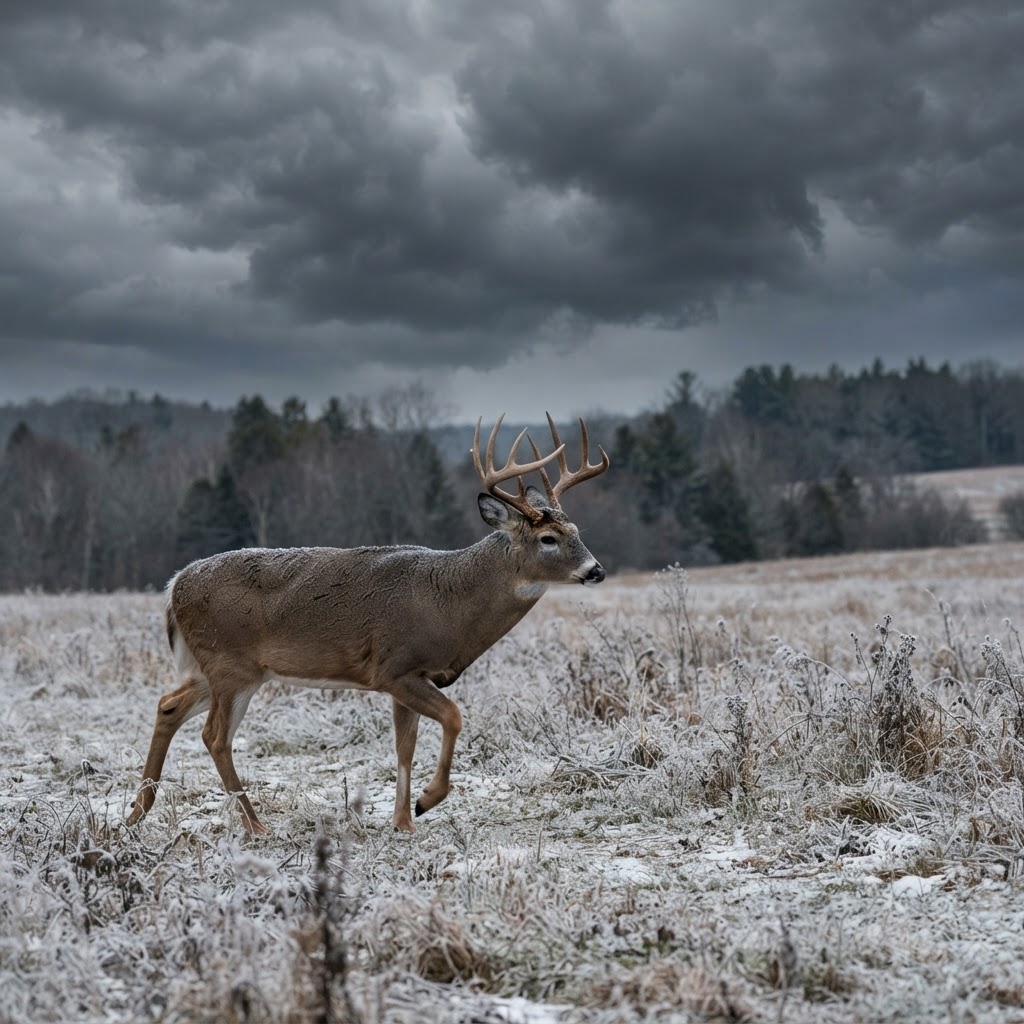
Pressure Points: Decoding Barometric Shifts for Mature Whitetails
Forget the old wives' tales about moon phases. We break down the peer-reviewed telemetry data to explain how barometric pressure truly drives deer movement and when you should be in the stand.