Deciphering the Woods: A Masterclass in Reading Deer Sign
Understanding the Language of the Whitetail
Every successful season begins long before the first shot is fired. For the dedicated hunter, the woods are a living library, and the sign left behind by a buck is the text. At Buckeye Hunter Hub, we believe that understanding the nuances of rubs, scrapes, and bedding areas is the difference between an accidental encounter and a calculated harvest. If you want to move beyond luck, you must master the art of reading the landscape.
Free hunting map, zones & 50-state resources
Save your spots, share zones with your group, and get deer & waterfowl movement forecasts — free.
The Rub: A Mark of Dominance
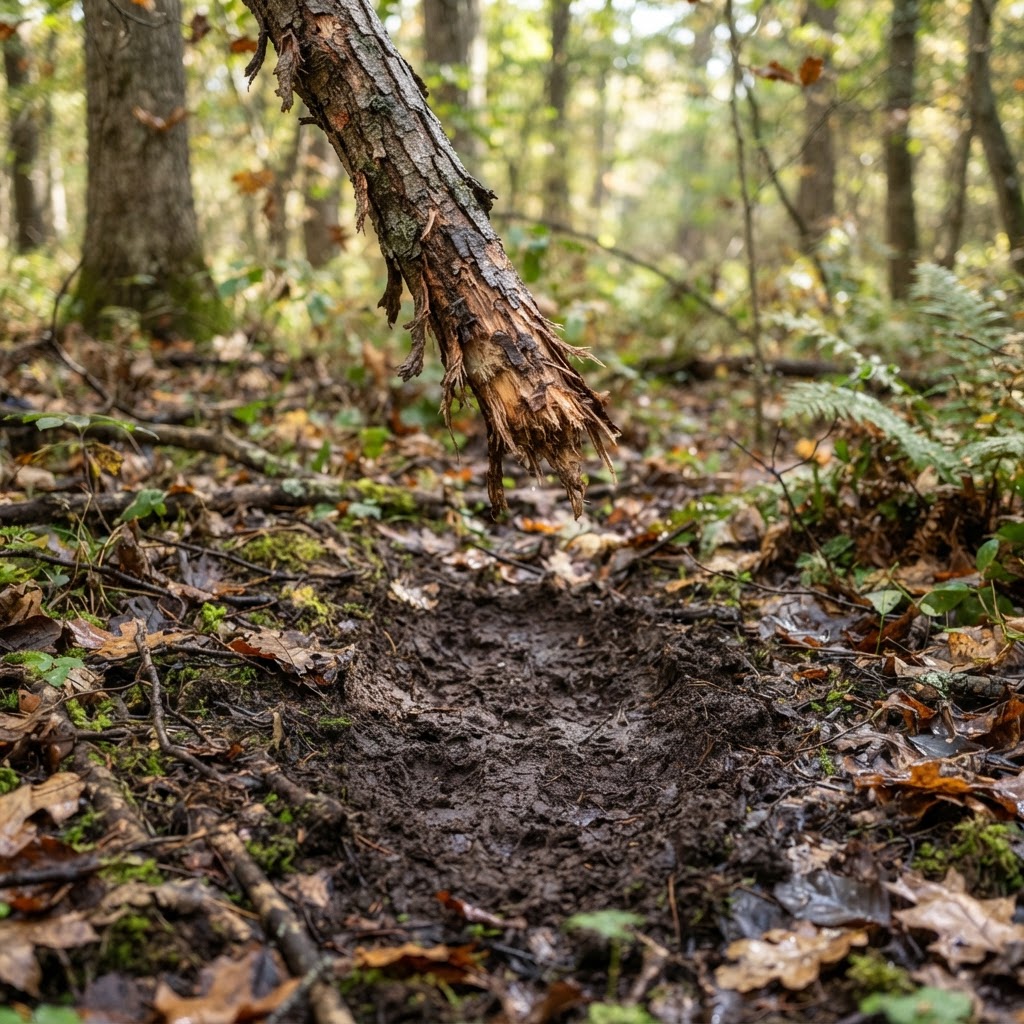
Rubbing is a physical manifestation of a buck’s hormonal surge. As velvet sheds and testosterone levels rise, bucks seek out saplings and small trees to strip away the bark. These are not merely accidents; they are territorial signals intended for other bucks and the occasional curious doe.
When you encounter a rub line, don't just admire the shredded bark. Analyze the diameter of the tree. A buck rubbing a wrist-thick tree is significantly more mature than one focusing on pencil-thin twigs. Additionally, note the height of the rub. A high rub indicates a buck with stature. Look for rub lines that run along the edge of thick cover—these often serve as travel corridors between bedding and feeding areas. If you find a series of large, fresh rubs, you have likely identified a primary transit zone for a dominant buck.
The Scrape: The Communication Hub

If the rub is a billboard, the scrape is a community message board. A scrape is a patch of ground where a buck has pawed away the leaves to expose bare dirt, usually located beneath an overhanging branch called a 'licking branch.' This branch is critical; the deer rubs its pre-orbital glands on the branch, leaving scent, while the dirt in the scrape collects urine.
Scrapes are most active during the pre-rut and the peak of the rut. A 'community scrape'—one visited by multiple bucks and does—is a goldmine. When you find these during the pre-rut, it is a clear sign that you are in the heart of a buck's home range. Many hunters make the mistake of hunting directly over a scrape, which can alert the buck to your presence. Instead, set up your stand 30 to 50 yards downwind of the scrape on a primary trail leading toward it. If you want to track which times of day these scrapes are getting the most traffic, check our to see if the timing aligns with high-activity windows.
Solving the Puzzle of Bedding Areas
Finding a bedding area is the ultimate tactical advantage, but it must be handled with surgical precision. Deer are creatures of comfort and security; they choose beds that allow them to see, smell, or hear danger approaching. Look for small, oval-shaped depressions in the grass or leaves, often found on ridge points, thickets, or north-facing slopes during heatwaves.
Identifying where a buck sleeps is the best way to determine where he starts his day. However, avoid walking through suspected bedding zones. Instead, use optics and to identify potential bedding spots from a distance. By scouting from the perimeter, you can identify entry and exit trails without spooking the deer. Once you understand their bedding habits, you can study to predict how they navigate toward food sources in the evening.
Putting It All Together
Washington · E-Tag State

Washington Harvest Tags
E-check means you supply the tag. Printed with the exact fields Washington requires.
3-pack $22.95
Raise a safe, confident young hunter.
Guide your kids ages 5–17 through interactive hunting safety missions, real decision drills, and earned trophies — all from one free parent account.
Bonus: every $10 you spend in the BHH shop earns a free seat (up to 5). Use them or share them.



Reading sign is about synthesis. A lone rub tells you little, but a rub line leading to a scrape, positioned between a thick bedding area and a field edge, tells a story. This is the 'triangle' of deer activity. When you find all three, you have found a location worth hunting.
Remember, deer behavior changes as the season progresses. A scrape active in October may be abandoned by November as the rut shifts the deer toward the does. Stay flexible, keep your scent control tight, and always consult your to ensure you are following local regulations regarding baiting or supplemental scent usage. The woods are constantly speaking; if you pay close attention, they will tell you exactly where to hang your stand.
Join 941 hunters and anglers on Buckeye Hunter Hub — free.
Latest from the Community


Preorder · 10 days left
Buckeye Hunter Hub Camo Trucker Hat — Treeline Logo
Includes 50% off Lifetime Pro
Everything you need to hunt smarter — free
Buckeye Hunter Hub is a free, nationwide platform. Create an account and unlock the full toolkit:
Free Interactive Hunting Map
Mark stands, cameras, and sign. Draw hunting zones with public land & county overlays across all 50 states.
Zones with Group Sharing
Share zones with your hunting group, split property into sections, assign stands, and check in — all in one place.
50 States of Hunting Resources
Season dates, license links, and DNR regulations for every state, kept current so you never miss an opener.
Deer Movement Forecast
Data-driven daily movement predictions using wind, moon, and pressure — know when to sit before you go.
Waterfowl Movement & Tools
Flight-potential forecasts, migration numbers, decoy spread planner, and a full species field guide.
From the Maker Bench

SE Ohio Outdoors
Euro Mount Hook
Hand-built in the USA · $8.00
Shop the Maker
BHH Partner
Firearms, ammo and gear from a local Ohio shop in Grafton.
dnaarmory.comWashington · E-Tag State
Washington Harvest Tags
E-check means you supply the tag. Printed with the exact fields Washington requires.
3-pack $22.95
More Articles
Digital Frontiers: Navigating Buckeye Hunter Hub Groups for Maximum Field Success
Discover how the right online community can accelerate your hunting proficiency, from localized intel to shared expertise within Buckeye Hunter Hub.
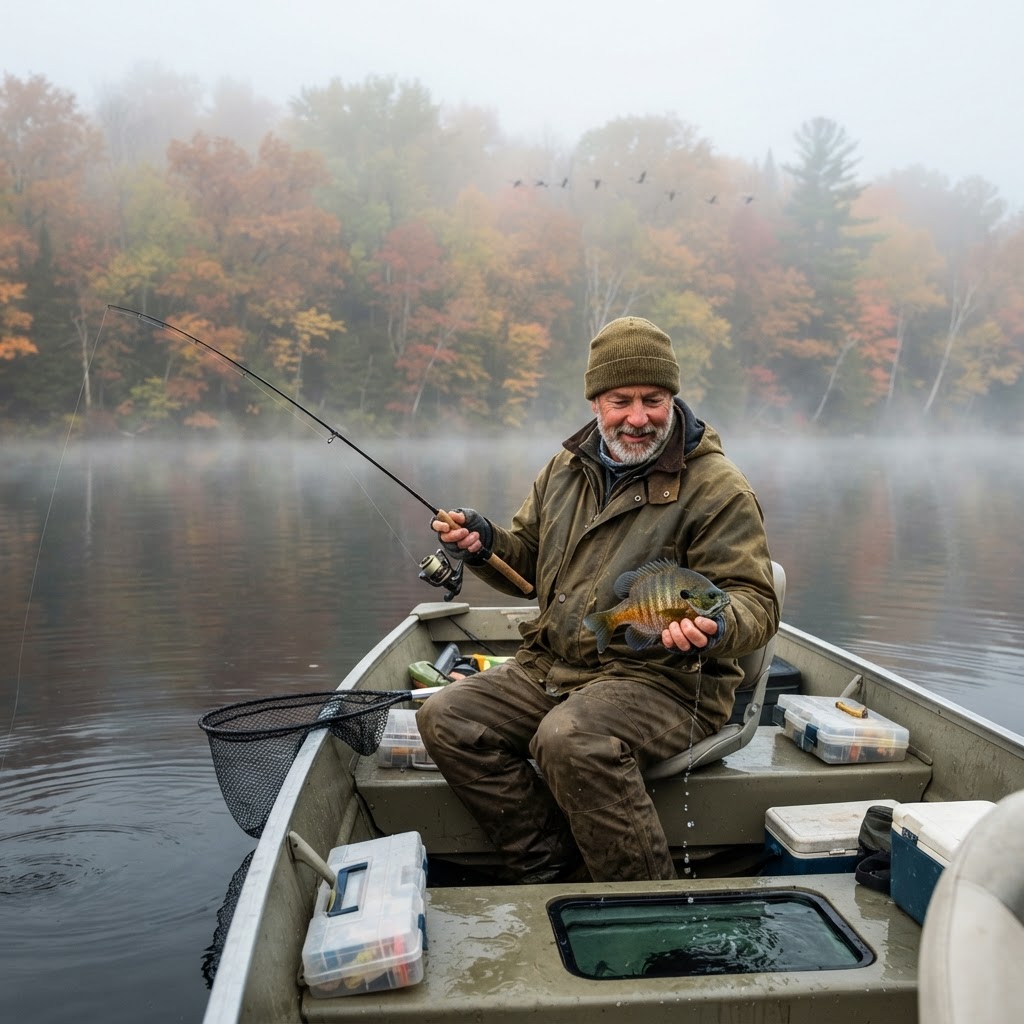
Autumn Transition: Chasing Walleye and Panfish
Autumn is prime time for panfish and walleye as water temperatures drop. Ben Johnston shares his tactics for navigating the lake during this transition.
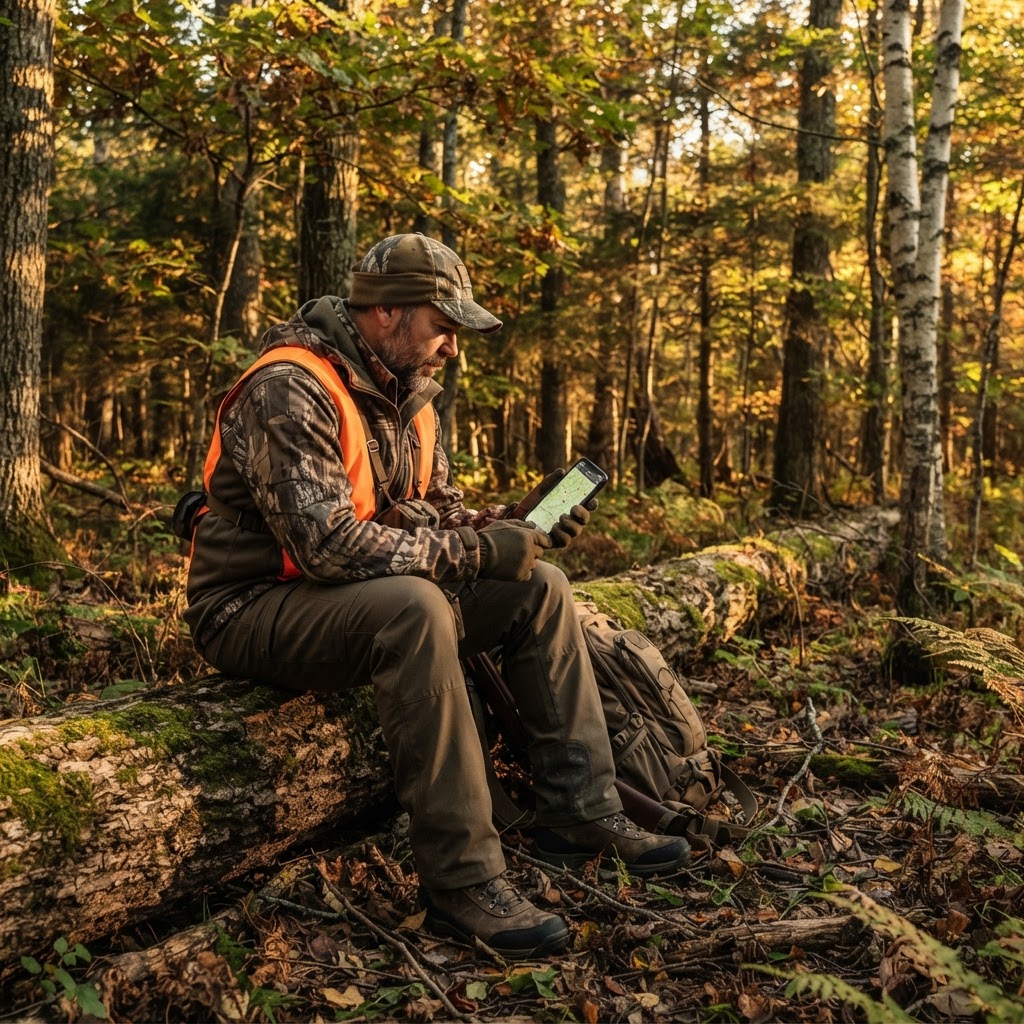
Leveling the Playing Field: Why Hunters Across America Are Turning to Buckeye Hunter Hub
Success in the field often comes down to preparation, and with the right digital toolkit, every hunter can gain an edge. Discover how Buckeye Hunter Hub is providing free resources to sportsmen nationwide.

Gear Up: Introducing the New BHH Tundra Camo Duffle Bag
Ready to hit the field in style? Check out the new BHH Tundra Camo Duffle Bag, the ultimate companion for your next hunting or fishing trip.