
Chasing the Speed Goat: A Comprehensive Guide to Pronghorn Antelope Hunting
The Allure of the Pronghorn
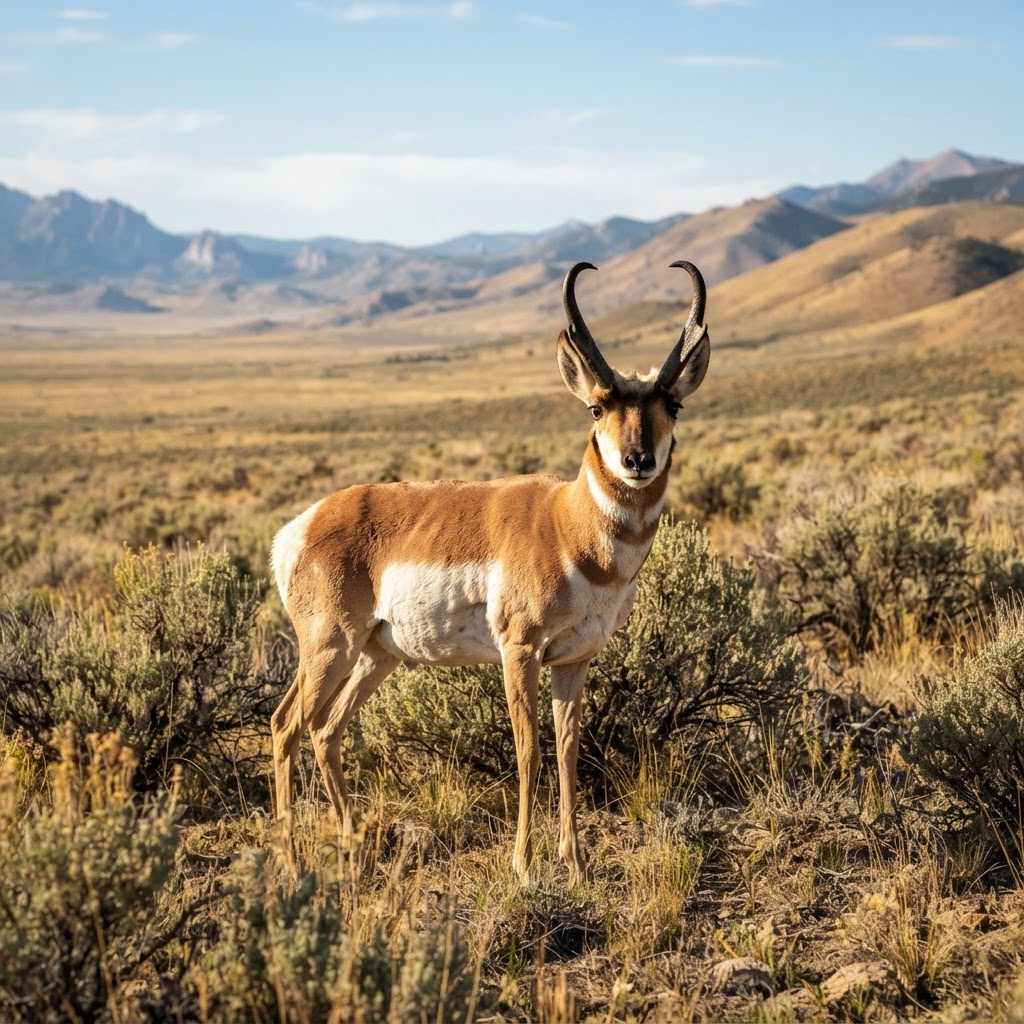
The American pronghorn (Antilocapra americana) is not a true antelope; it is the sole surviving member of a family of animals dating back to the Pleistocene era. Known for their incredible eyesight and blistering speed—reaching up to 60 miles per hour—pronghorn present a unique challenge to the modern hunter. At Buckeye Hunter Hub, we believe that pursuing these animals is a rite of passage for any western hunter, demanding patience, physical stamina, and refined marksmanship.
Free hunting map, zones & 50-state resources
Save your spots, share zones with your group, and get deer & waterfowl movement forecasts, free.
Biology and Behavior
Pronghorn are social animals that thrive in the open, high-desert basins and rolling prairies of the western United States. Their most distinctive feature is their vision; a pronghorn can spot movement from miles away, making stealth in open terrain nearly impossible. Unlike deer, which rely on cover, pronghorn rely on their ability to see danger coming from a great distance and outrun it. Understanding their daily routine is crucial. They are creatures of habit, often frequenting the same bedding areas and water holes during the heat of the day. To track their movements effectively throughout the season, check to ensure you are planning your trip during peak activity windows.
Habitat and Range
While Wyoming remains the stronghold for pronghorn populations, these animals are also found in significant numbers across Montana, New Mexico, Arizona, and parts of Idaho. They prefer wide-open spaces with sagebrush, bunchgrass, and short-grass prairies. Because they are so mobile, hunting them often requires scouting large tracts of public land. Utilizing is the most efficient way to identify public land parcels and transition zones where herds congregate, helping you avoid private property pitfalls.
Effective Tactics
Spot and Stalk
The classic method for pronghorn is the spot-and-stalk. Spend your early mornings behind high-quality glass, scanning the horizon for the distinctive white rumps of a herd. Once you locate a shooter buck, your challenge begins. Use the topography—coulees, ravines, and sagebrush ridges—to mask your movement. If the terrain is flat, you may need to crawl for hundreds of yards. Never underestimate the importance of wind direction, even on the open plains; while their noses aren't as keen as a whitetail's, they will detect a human scent if the breeze carries it toward them.
Decoying and Water Hole Ambush
During the rut, which typically occurs in late August and September, bucks become highly territorial. Decoying—using a life-sized pronghorn silhouette—can draw a territorial buck out of cover or across an open flat. Alternatively, in the arid climates of the Southwest, water hole hunting is deadly effective. During the mid-day heat, pronghorn must drink. Setting up a blind near a remote stock tank can provide high-percentage shots, though it requires immense patience.
BHH Partner
Thinking about selling a rifle or an old family shotgun? Check up-to-date market pricing by make and model before you sell.
webuyguns.comEssential Gear
For pronghorn hunting, your gear list should be lean but high-quality.
- Optics: High-magnification binoculars (10x or 12x) and a solid spotting scope are non-negotiable. You will spend 90% of your hunt looking through glass.
- Footwear: Durable, broken-in boots are essential as you may walk several miles over rocky, uneven terrain.
- Crawl Gear: Knee pads and sometimes elbow pads are lifesavers when you are forced to stalk through prickly pear cactus and sharp sagebrush.
- Rifle Setup: Pronghorn are usually harvested at distances ranging from 200 to 400 yards. A flat-shooting caliber like a .243 Winchester, 6.5 Creedmoor, or .270 Winchester paired with a reliable long-range optic is ideal.
Tips for Success
E-Tag States

Harvest Tags
E-check means you supply the tag. Printed with the exact fields your state requires.
3-pack $22.95

Youth Hunter Academy
Raise a safe, confident young hunter.
Safety missions for ages 5–17. Free parent account.
If you are a new hunter, remember that field judging a pronghorn is notoriously difficult. A buck's horns often look longer than they are, and the 'prong' can be misleading. Spend time studying images and utilizing resources from to familiarize yourself with trophy identification. For the experienced hunter, the challenge often lies in the harvest distance. Pushing your effective range requires hundreds of hours at the bench. Regardless of your experience level, always remember that respect for the resource and ethical shot placement are the hallmarks of a true sportsman. If you are looking to connect with others who share your passion for western big game, check out our active to trade tips and share stories.
Pronghorn hunting is as much about the experience of the vast western landscape as it is about the harvest. Whether you are stalking through the sage or waiting patiently in a blind, the speed goat is a worthy adversary that will test every aspect of your hunting skillset.
Free every morning
Your Daily Briefing
One morning forecast for the spots you actually hunt and fish: deer movement, waterfowl flights, bite times, wind and shooting light.
See what's in itSet up your briefing
Join free, save a spot on the map, then pick what you hunt and fish and when you want your email.
Join 1,672 hunters and anglers on Buckeye Hunter Hub — free.
Latest from the Community


Everything you need to hunt smarter — free
Buckeye Hunter Hub is a free, nationwide platform. Create an account and unlock the full toolkit:
Free Interactive Hunting Map
Mark stands, cameras, and sign. Draw hunting zones with public land & county overlays across all 50 states.
Zones with Group Sharing
Share zones with your hunting group, split property into sections, assign stands, and check in — all in one place.
50 States of Hunting Resources
Season dates, license links, and DNR regulations for every state, kept current so you never miss an opener.
Deer Movement Forecast
Data-driven daily movement predictions using wind, moon, and pressure — know when to sit before you go.
Waterfowl Movement & Tools
Flight-potential forecasts, migration numbers, decoy spread planner, and a full species field guide.
From the Maker Bench

Taggart Outdoors
Custom Western Belt
Hand-built in the USA · $127.99
Shop the MakerBHH Partner
Thinking about selling a rifle or an old family shotgun? Check up-to-date market pricing by make and model before you sell.
webuyguns.comE-Tag States
Harvest Tags
E-check means you supply the tag. Printed with the exact fields your state requires.
3-pack $22.95
More Articles
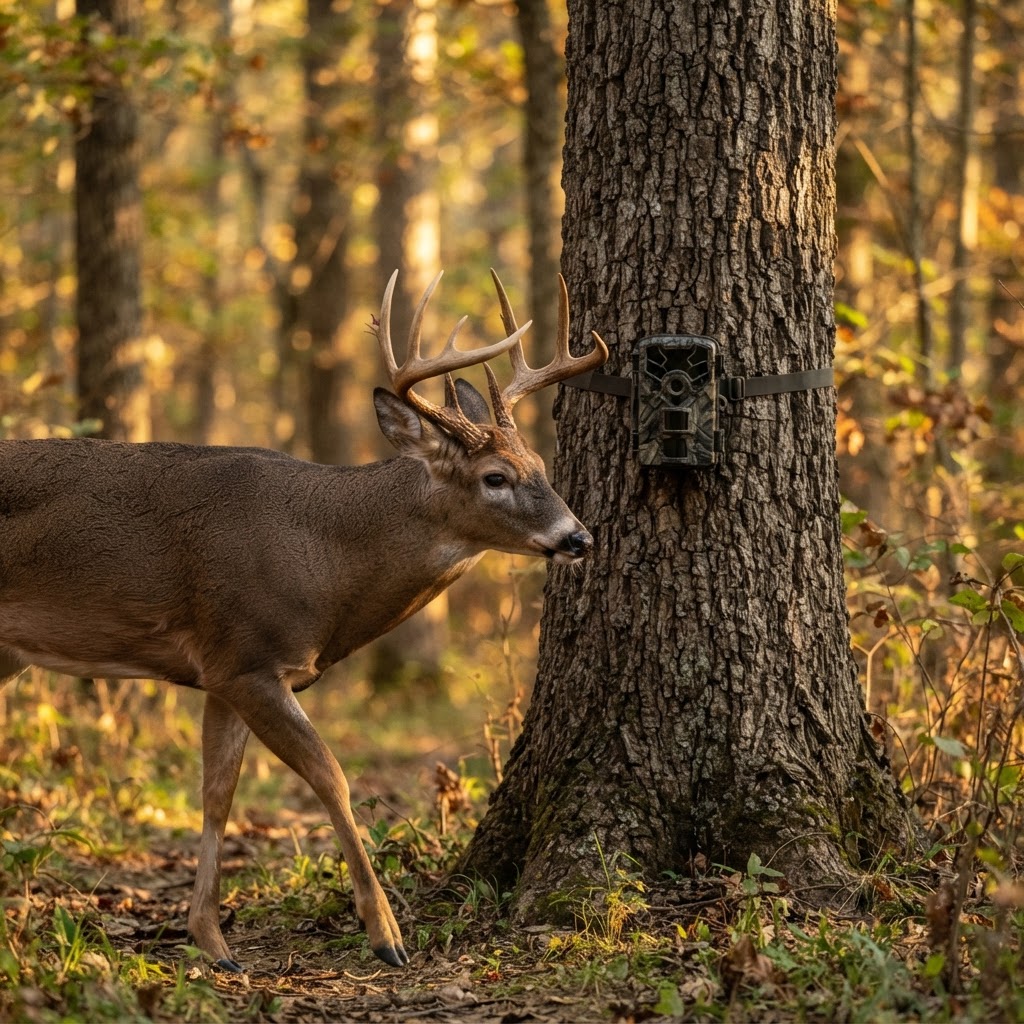
Turning Thousands of Trail Camera Images into Actionable Hunting Intel
Drowning in SD card files? Discover how to use automated intelligence to isolate buck activity and identify seasonal movement patterns without spending hours behind a screen.
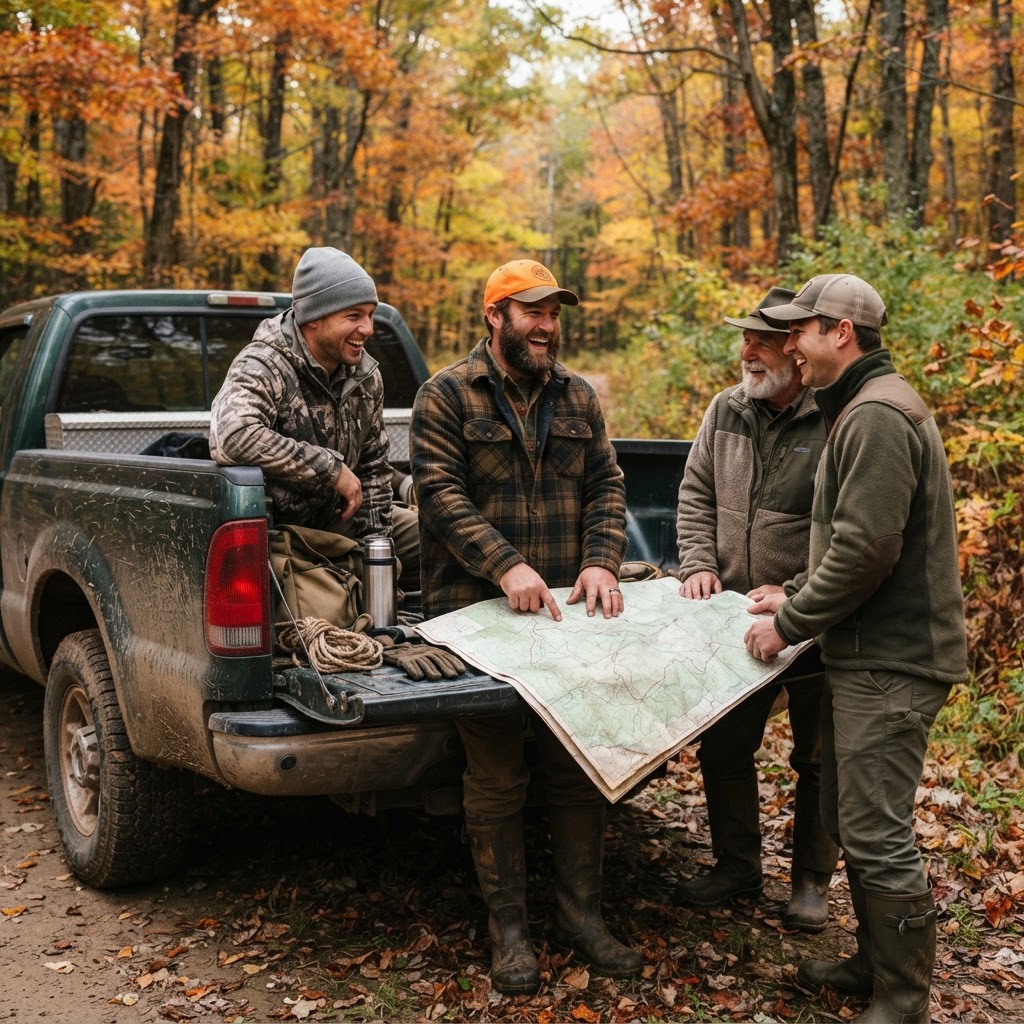
Beyond the Stand: Cultivating Your Network in Buckeye Hunter Hub Groups
Modern hunting is more than a solo pursuit; discover how active participation in the Buckeye Hunter Hub community can sharpen your skills and elevate your success in the field.
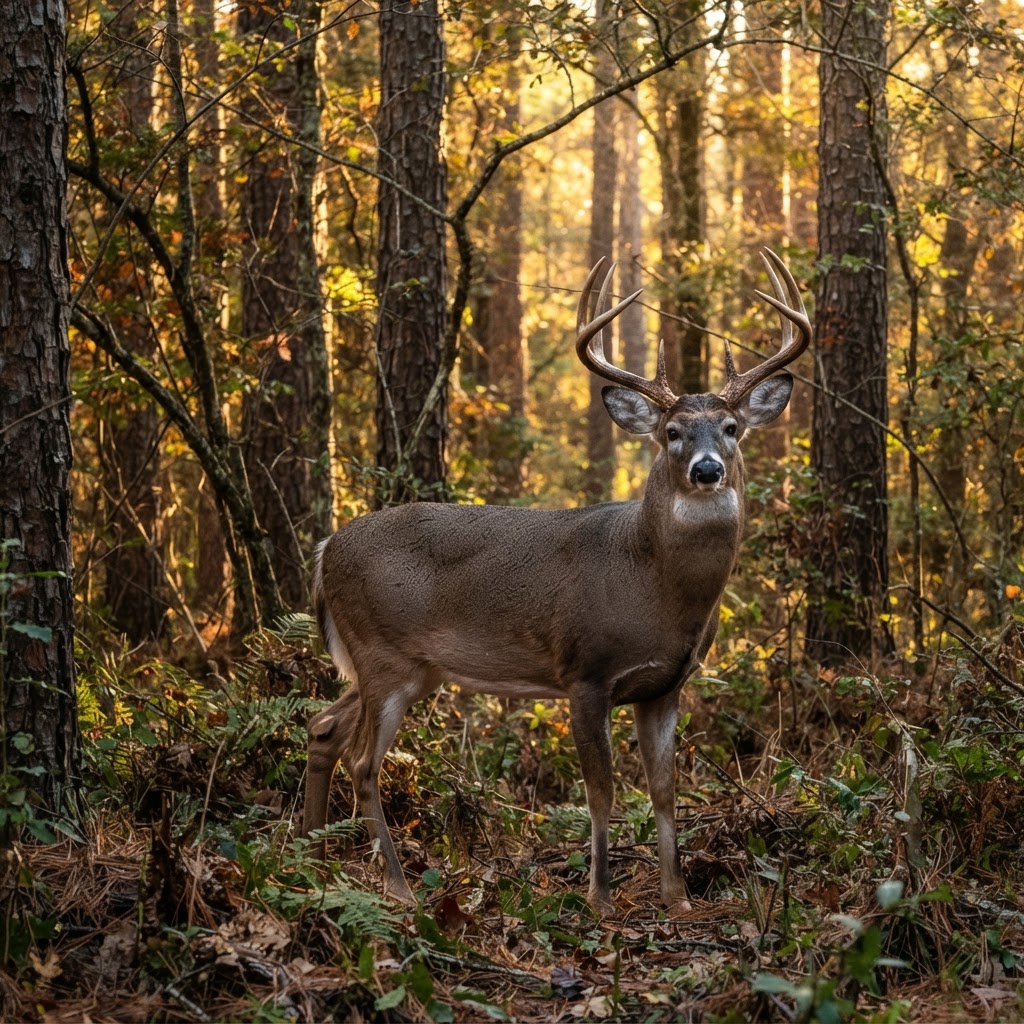
Louisiana Deer Firearms Area 3: Your 2026 Season Opener Guide
The Louisiana Deer Firearms With/Without Dogs season for Area 3 opens tomorrow, Monday, November 30, 2026, and runs through Sunday, January 3, 2027. Hunters should prepare for the transition from still-hunting to dog-involved hunting as the landscape shifts.
Never Miss a Tag: Accessing Official State Hunting Regulations in One Place
Navigating the maze of state-specific hunting regulations can be a headache, but it doesn't have to be. Discover how Buckeye Hunter Hub centralizes official DNR data to keep you legal and ready for the field.