Chasing Honkers: Atmospheric Triggers and Tactical Field Setups
Timing the Migration: When Conditions Align
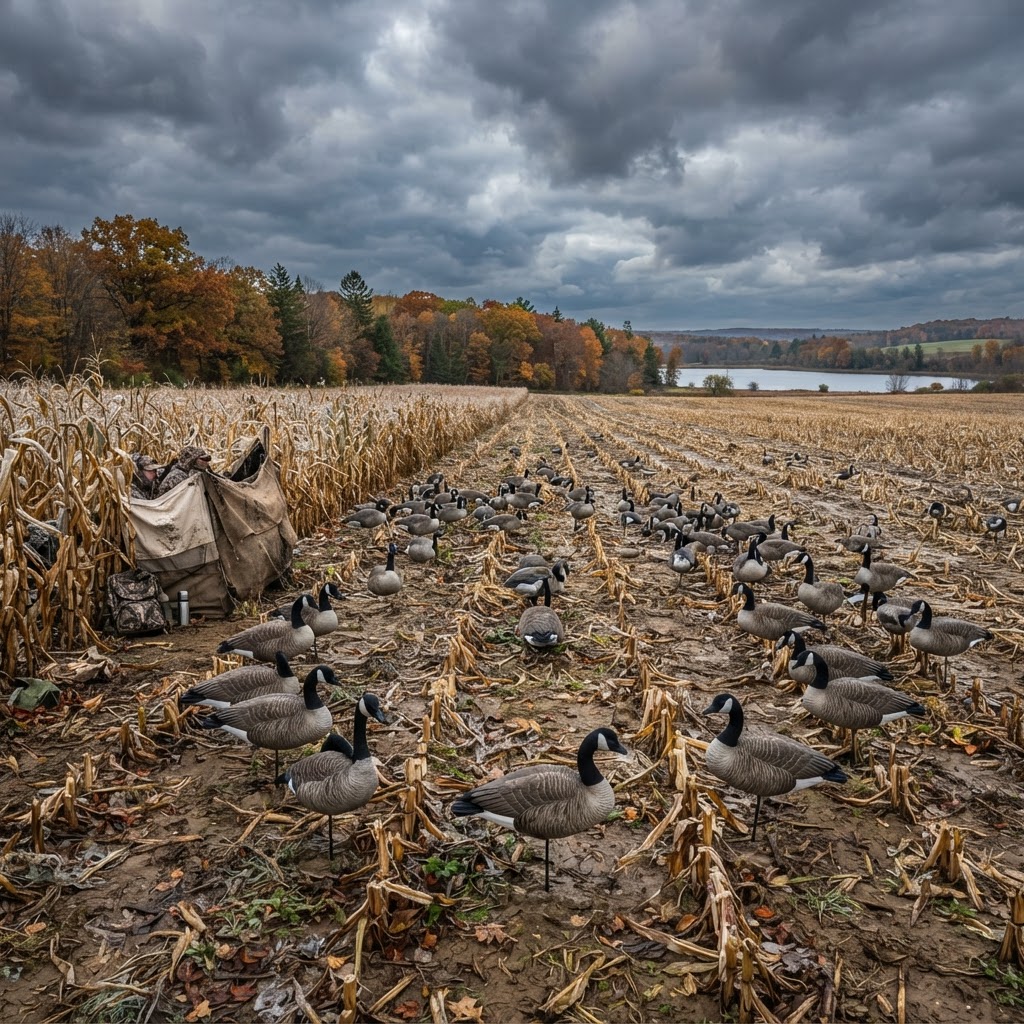
Success in the field begins long before you set your first decoy. Canada goose hunting is dictated by the movement of weather fronts and the resulting physiological needs of the birds. Experienced hunters know that a dropping barometer is a clear signal to get your gear ready. As a low-pressure system approaches, birds become restless and eager to feed, preparing for the impending shift. Once that front passes and the wind shifts to the northwest at 10–20 mph, you have arrived at the 'Golden Hour' of waterfowling.
Free hunting map, zones & 50-state resources
Save your spots, share zones with your group, and get deer & waterfowl movement forecasts — free.
Geese are creatures of habit but are highly reactive to atmospheric changes. During a major freeze-up, look for movement in the early morning and again just before last light. Monitoring helps you understand if you are targeting resident flocks or newly arrived migrants. While residents are often easier to decoy, the migrants are the ones that provide the high-octane action every hunter dreams of. Always cross-reference your local observations with the to ensure your effort is spent on days when the birds are actually prone to moving.
Scouting: The Foundation of the Harvest
There is no substitute for boots-on-the-ground scouting. If you are not watching the birds, you are simply guessing. Spend your evenings glassing high-traffic areas, specifically looking for corn stubble or winter wheat fields where birds are consistently 'locking up.' When you locate a field, pay close attention to where they are landing within that field. Is it the center of the largest patch? Are they near a drainage ditch or a fence line?
Use this intel to verify your setup. If you need help visualizing your configuration, our can provide a structural foundation for your layout. Remember, geese are wary of man-made structures; if you are hunting private land, make sure your access is secure by checking to ensure you aren't infringing on a neighbor's setup.
Concealment: The Art of Disappearing
In the world of field hunting, concealment is arguably more important than the quality of your calls. Canada geese have incredible eyesight, and they will pick out a 'blob' in a cornfield from a half-mile away.
E-Tag States

Harvest Tags
E-check means you supply the tag. Printed with the exact fields your state requires.
3-pack $22.95
Modern layout blinds are effective, but they must be brushed in to match the immediate surroundings. Do not simply use the grass included with the blind. Cut local stubble, corn stalks, or weeds and zip-tie them to the blind's stubble straps. If you are hunting in a muddy field, use mud spray or camo netting to break up the hard edges of the blind. For the best tips on gear maintenance and keeping your decoys and blinds in top shape for the season, check out for more detailed advice.
Decoy Spreads and Motion
Motion is the missing link for many hunters. Even on a windy day, a static spread can look 'dead' to a flight of incoming geese. Use flaggers to catch their attention from a distance, then transition to motion decoys or wind-activated wing ripples once they are within range.
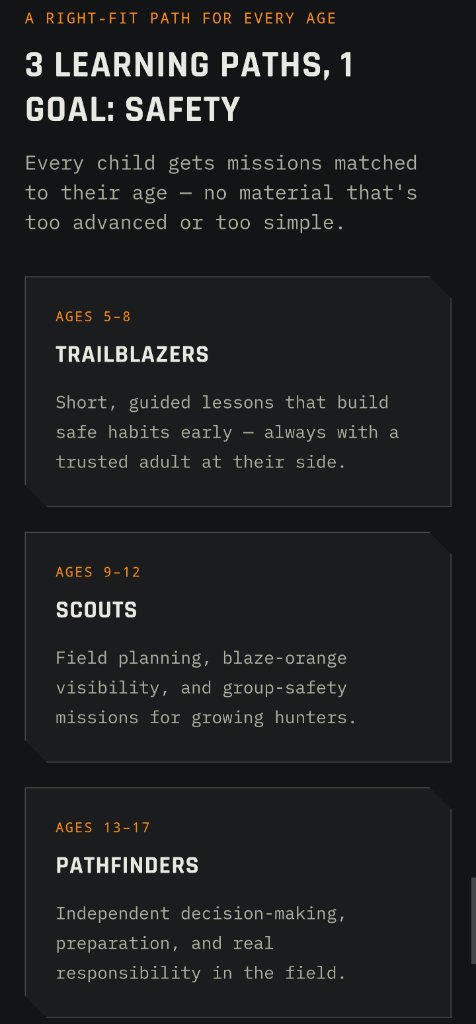
Raise a safe, confident young hunter.
Guide your kids ages 5–17 through interactive hunting safety missions, real decision drills, and earned trophies — all from one free parent account.



When laying out your decoys, leave a clear landing zone directly in front of your blinds, oriented into the wind. Position your most realistic, high-definition decoys in this landing pocket. If you are struggling with your spread logic, remember that bigger is not always better; a small, well-placed, and active spread will often outperform a massive, motionless one. For those looking to connect with others who have mastered these techniques, join our to share knowledge and success stories from the field.
The Final Approach
Calling is the final seal on the deal. Keep it simple. Use your call to convey confidence—a steady feed chuckle and a well-timed comeback call are all you need to turn a flock. Once they are committed and locked into your landing zone, stop calling. Let the decoys do the work. Remember, the goal is to get them within 20 yards with their feet down. When the moment arrives, ensure you have the proper identification of the species and the legal shot count required by your local regulations, which can be found via .
Field hunting Canada geese requires patience, persistence, and a deep respect for the elements. When you combine tactical scouting with proper concealment and the right weather conditions, you turn a simple morning in a field into a memorable hunt. Keep your gear ready, watch the barometer, and enjoy the pursuit.
Join 325 hunters and anglers on Buckeye Hunter Hub — free.
Latest from the Community

Trophy
2025 Spring Turkey
Richard Taggart · 25m ago

Trophy
2025 Buck… A Buck named King
fsufootball55 · 32m ago

Posted
Western hunting units map layer
Admin Josh · 45m ago

Posted
Rifle Slings and Leather Goods
Richard Taggart · 4h ago
Fort Sill Oklahoma On post hunting Rules and bag limits
Posted
Fort Sill Oklahoma On post hunting Rules and bag limits
Keith Bennett · 11h ago
scouting
Posted
scouting
Josh · 14h ago
New drop
Fresh Buckeye Hunter Hub tees & hoodies


Everything you need to hunt smarter — free
Buckeye Hunter Hub is a free, nationwide platform. Create an account and unlock the full toolkit:
Free Interactive Hunting Map
Mark stands, cameras, and sign. Draw hunting zones with public land & county overlays across all 50 states.
Zones with Group Sharing
Share zones with your hunting group, split property into sections, assign stands, and check in — all in one place.
50 States of Hunting Resources
Season dates, license links, and DNR regulations for every state, kept current so you never miss an opener.
Deer Movement Forecast
Data-driven daily movement predictions using wind, moon, and pressure — know when to sit before you go.
Waterfowl Movement & Tools
Flight-potential forecasts, migration numbers, decoy spread planner, and a full species field guide.
From the Maker Bench

Taggart Outdoors
Padded Rifle Sling
Hand-built in the USA · $134.99
Shop the MakerNew drop
Fresh Buckeye Hunter Hub tees & hoodies
Shop This

StopBox Pro Ward | Wall-Mounted
$179.00$199.99

StopBox Pro Compact
$159.00$179.99

Buckeye Hunter Hub Tee — Riding Shotgun
$20.55

Buckeye Hunter Hub Hoodie — Riding Shotgun
$32.87
E-Tag States
Harvest Tags
E-check means you supply the tag. Printed with the exact fields your state requires.
3-pack $22.95
More Articles
How to Master Evening Thermals for Deer Hunting
Learn how evening thermals flow like water to better position your stand. Use these expert tips to stop getting winded by deer.
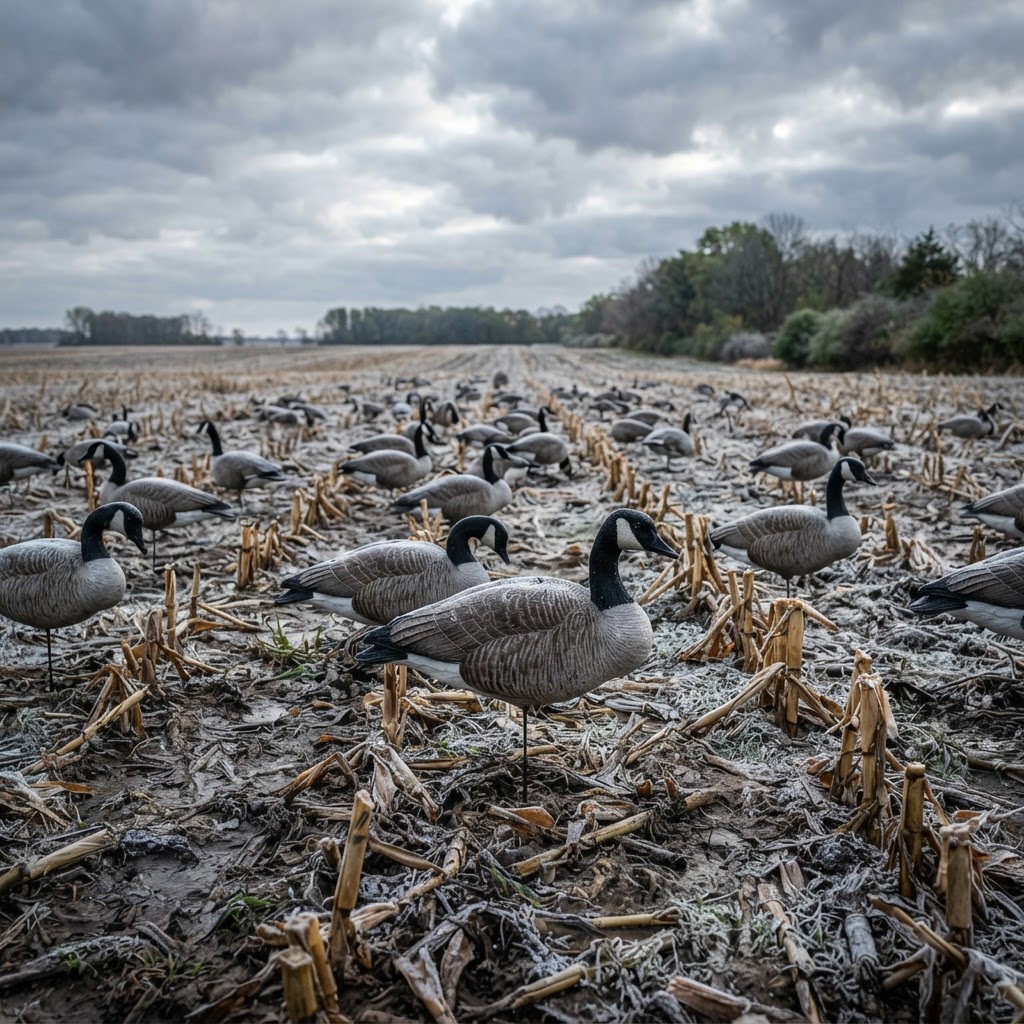
Field Hunting Canada Geese: Spreads, Motion, and Concealment
Master the art of the dry field hunt by leveraging barometric pressure and wind dynamics to put massive flocks of Canada geese at your fingertips.

Unveiling the Buckeye Hunter Hub Tee: A New Look for the Field and Beyond
Meet the Buckeye Hunter Hub Tee — Two Kinds of Camo Shield, the ultimate outdoor apparel designed for those who live life between the woods and the water.

Represent the Woods and the Country: Introducing the New Buckeye Hunter Hub Tee
Meet our new 'Two Kinds of Camo' tee—designed for those who live for the woods and respect the flag. It's the perfect addition to your outdoor apparel collection.