Best Barometric Pressure for Deer Hunting: What the Data Really Says
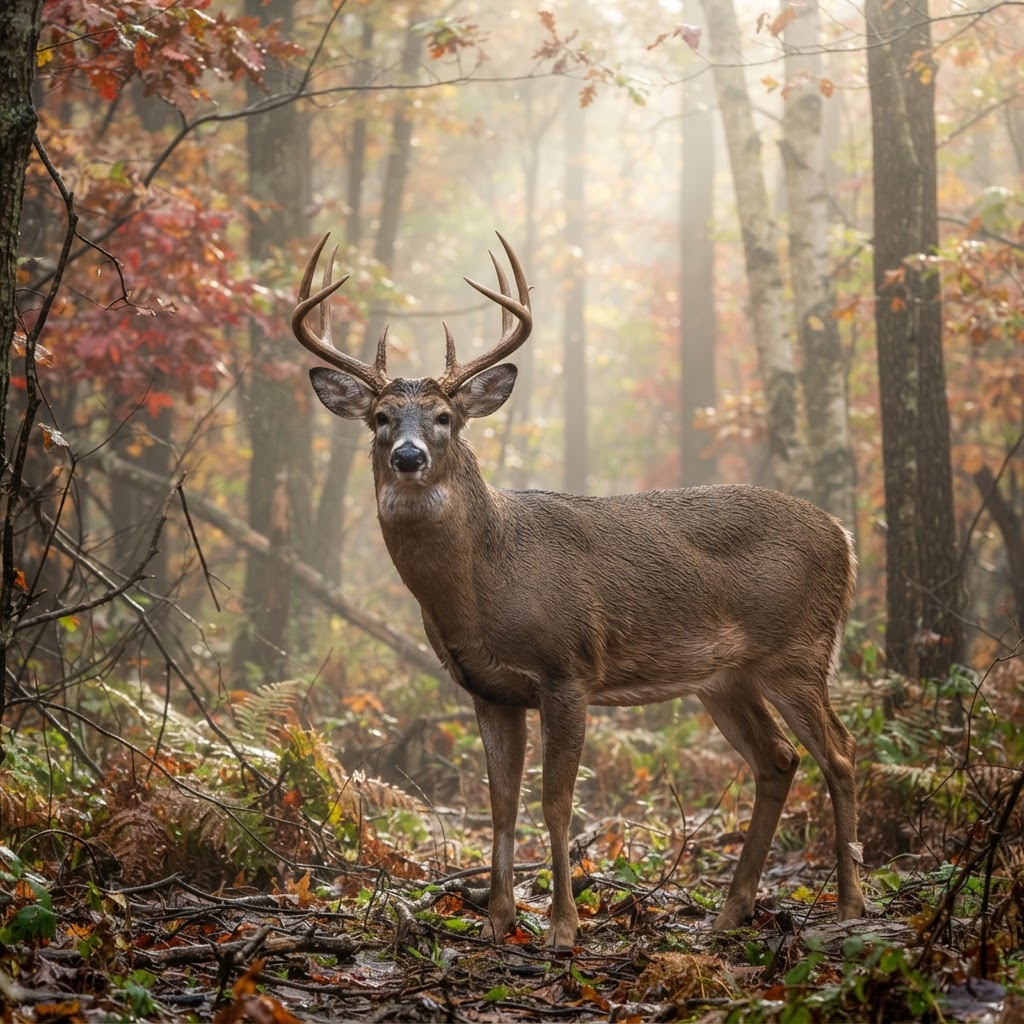
Understanding the Pressure Factor
Every serious whitetail hunter has heard the adage: 'High pressure is good, falling pressure is better.' But when you strip away the anecdotal campfire tales and look at the actual science of deer movement, does barometric pressure deserve the pedestal it stands on? At Buckeye Hunter Hub, we believe in bridging the gap between old-school scouting and modern data analysis to help you make more informed decisions in the stand.
Free hunting map, zones & 50-state resources
Save your spots, share zones with your group, and get deer & waterfowl movement forecasts — free.
What is Barometric Pressure?
Barometric pressure is the measurement of the weight of the atmosphere pressing down on the Earth's surface. In the world of meteorology, it is a key indicator of incoming weather patterns. A high-pressure system typically brings clear, calm, and stable conditions, while a low-pressure system is associated with rising air, cloud cover, and precipitation. For a deer—a prey animal that relies heavily on its environment for survival—these pressure shifts are biological signals.
Telemetry Data: The Truth About Movement
In recent years, researchers using GPS-collared deer have provided a clearer picture of how weather impacts survival behavior. Contrary to the belief that deer hide during high-pressure systems, data suggests that deer are highly opportunistic. They are less 'locked' to a specific pressure number and more reactive to the change in pressure associated with weather fronts.
When a barometric drop occurs—signaling an approaching front—deer often increase their activity levels in the hours leading up to the change. This is a survival instinct; they feed heavily before the storm and seek secure bedding once the pressure bottoms out. Conversely, as a system moves through and the pressure begins to rise, deer movement often spikes. The stabilizing air after a storm front provides a window of increased comfort for foraging, which is exactly why emphasizes the transition period between systems as the highest-probability window for daylight activity.
The Hierarchy of Movement Drivers
While pressure gets much of the attention, it is not the sole driver of deer behavior. If you are planning your hunts strictly by a barometer, you are missing the bigger picture. Understanding how these variables stack is essential to being in the right place at the right time.
Temperature Swings and Cold Fronts
E-Tag States

Harvest Tags
E-check means you supply the tag. Printed with the exact fields your state requires.
3-pack $22.95
Temperature is perhaps the most significant weather variable affecting whitetails. Whitetails are thermoregulated creatures with high metabolic requirements in the fall. A significant drop in temperature—a true cold front—often forces deer to feed earlier in the evening and stay out later in the morning to fuel their caloric needs. When a drop in barometric pressure coincides with a sharp temperature decrease, the probability of daytime movement increases exponentially.
Photoperiod and the Rut
The most powerful driver of deer behavior is not weather at all—it is the photoperiod. The amount of daylight (which triggers the rut) dictates testosterone levels in bucks and dictates the biological clock of the herd more than any storm system ever could. During the peak rut, a buck may ignore a high-pressure system entirely if he detects a doe in estrus. You can study our to see how these factors are weighed alongside current weather conditions in your area.
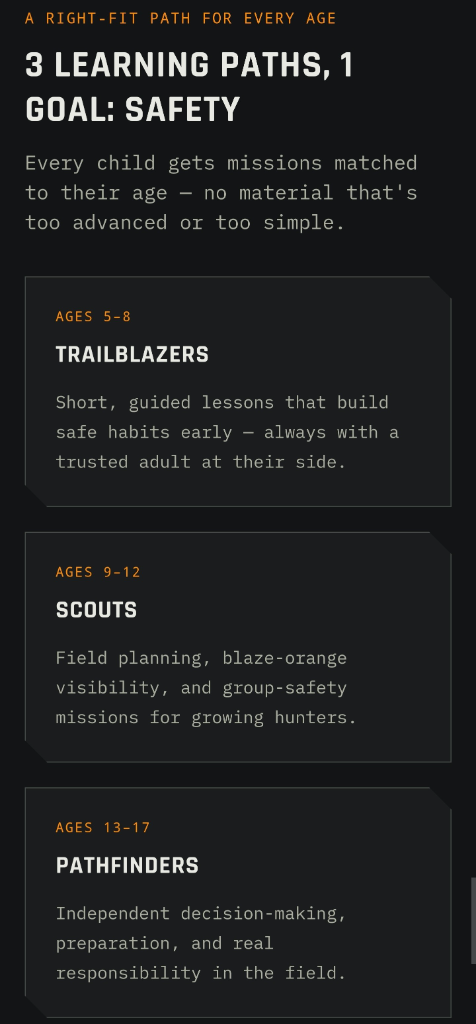
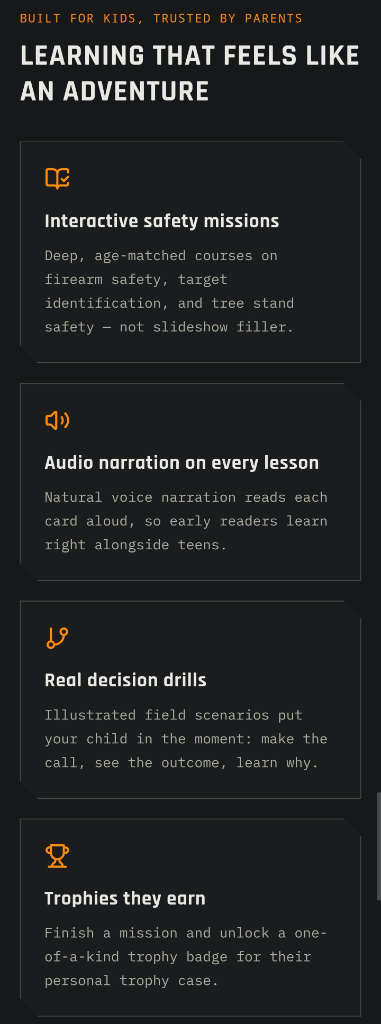
Raise a safe, confident young hunter.
Guide your kids ages 5–17 through interactive hunting safety missions, real decision drills, and earned trophies — all from one free parent account.
Bonus: every $10 you spend in the BHH shop earns a free seat (up to 5). Use them or share them.


Debunking the Moon Phase Myth
There is a persistent belief that the moon phase controls deer activity. However, peer-reviewed telemetry studies have consistently shown that the moon has a negligible impact on crepuscular (dawn and dusk) movement. While it may influence nocturnal activity, it is a weak secondary factor compared to temperature, pressure, and the rut. Don't skip a hunt because of the moon; focus your time on the arrival of a high-pressure system behind a cold front.
Actionable Takeaways for Your Next Hunt
So, how do you apply this to your season? Here are three concrete thresholds to keep in mind:
- The Pre-Front Spike: Watch for a steady drop in barometric pressure accompanied by warming temperatures. This is often the last-chance feeding window for deer before a storm.
- The Post-Front Window: The 'Bluebird Day' that follows a cold front, characterized by rapidly rising pressure and clearing skies, is historically one of the most productive times to be in the stand. The drop in temperature combined with the rising pressure encourages deer to move out of heavy cover to reach high-energy food sources.
- Prioritize the Rut: If the rut is in full swing, prioritize travel corridors and buck bedding areas over barometric readings. During the breeding season, biology overrules meteorology.
Ultimately, no single weather variable is a 'magic bullet.' Success comes from combining the weather data with scouting, understanding your local herd, and keeping an eye on to stay ahead of the game. When you treat barometric pressure as a supporting data point rather than a standalone indicator, you will find yourself seeing more deer and spending more productive hours in the woods.
Join 739 hunters and anglers on Buckeye Hunter Hub — free.
Latest from the Community


Everything you need to hunt smarter — free
Buckeye Hunter Hub is a free, nationwide platform. Create an account and unlock the full toolkit:
Free Interactive Hunting Map
Mark stands, cameras, and sign. Draw hunting zones with public land & county overlays across all 50 states.
Zones with Group Sharing
Share zones with your hunting group, split property into sections, assign stands, and check in — all in one place.
50 States of Hunting Resources
Season dates, license links, and DNR regulations for every state, kept current so you never miss an opener.
Deer Movement Forecast
Data-driven daily movement predictions using wind, moon, and pressure — know when to sit before you go.
Waterfowl Movement & Tools
Flight-potential forecasts, migration numbers, decoy spread planner, and a full species field guide.
From the Maker Bench

SE Ohio Outdoors
Euro Mount Hook
Hand-built in the USA · $8.00
Shop the MakerFriend of BHH
Thinking about selling a rifle or an old family shotgun? Check up-to-date market pricing by make and model before you sell.
webuyguns.comShop This

StopBox Pro Ward | Wall-Mounted
$179.00$199.99

StopBox Pro Compact
$159.00$179.99

BHH Speckle Camo Hoodie
$53.36

BHH Blackwood Camo Hoodie
$53.36
E-Tag States
Harvest Tags
E-check means you supply the tag. Printed with the exact fields your state requires.
3-pack $22.95
More Articles
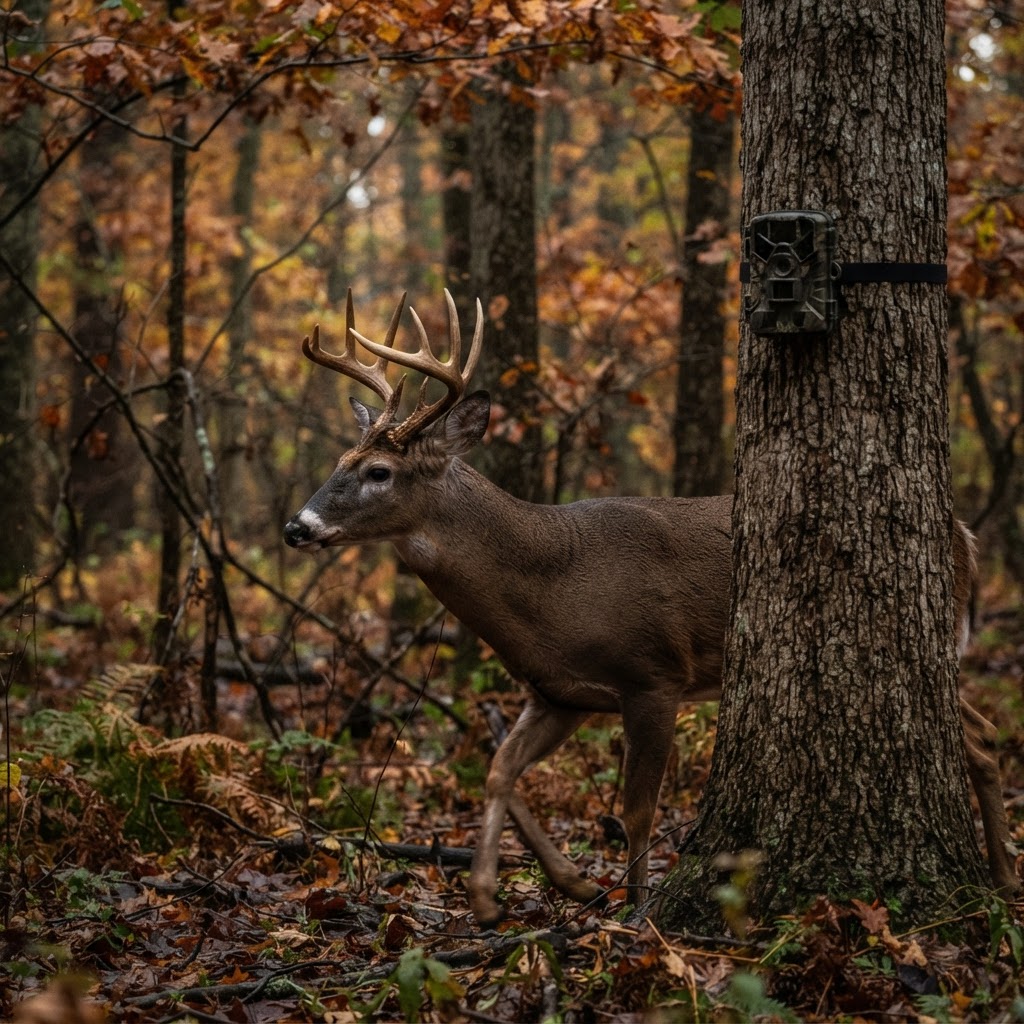
Automating the Audit: How to Use AI for Faster Trail Camera Analysis
Stop spending hours scrolling through thousands of empty trail camera images. Learn how to leverage AI to instantly identify bucks, does, and movement trends in the Buckeye Hunter Hub app.
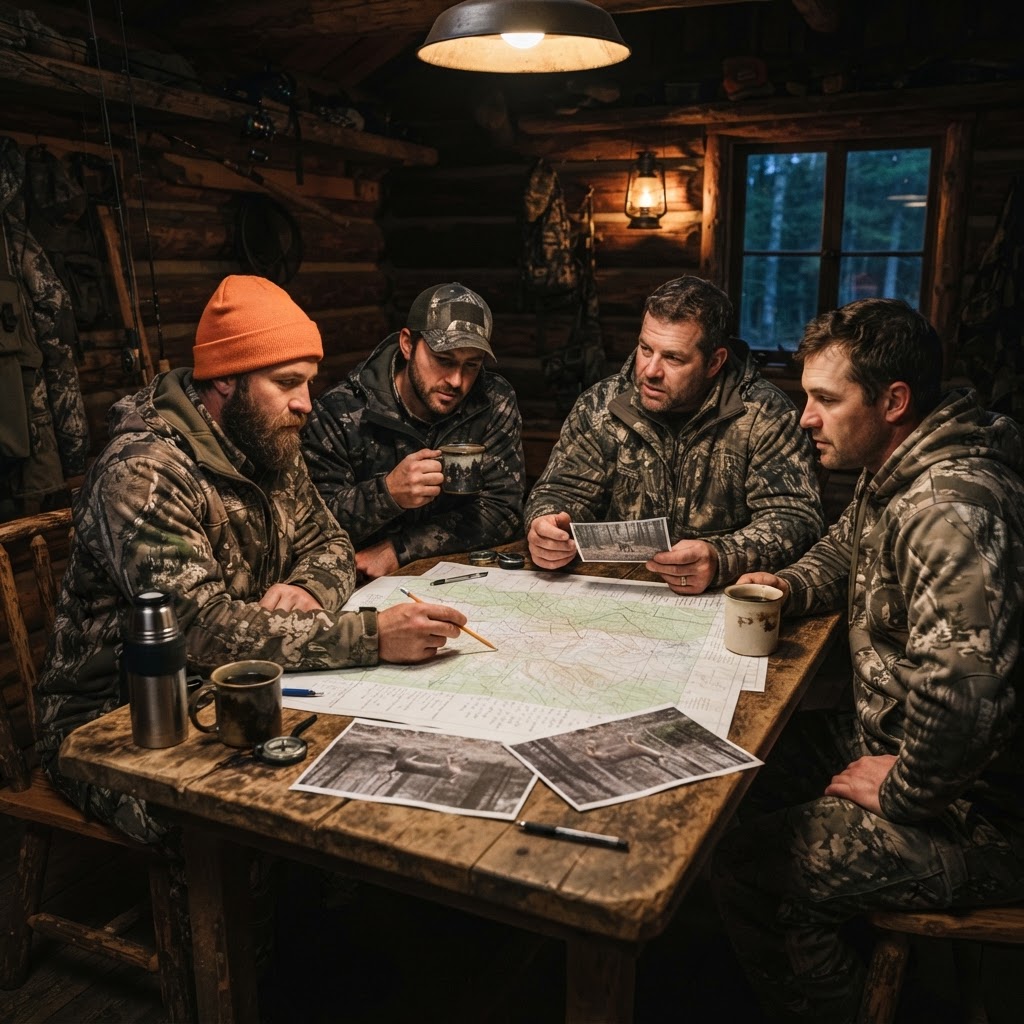
The Power of the Pack: Maximizing Value in Buckeye Hunter Hub Community Groups
Solo hunting has its merits, but modern hunters know that collective wisdom is the ultimate competitive advantage. Here is how to harness the Buckeye Hunter Hub community to sharpen your skills and improve your success in the field.

Introducing the BHH Tundra Camo Hoodie: Performance Meets Rugged Style
Gear up for your next adventure with the all-new BHH Tundra Camo Hoodie, designed for the serious outdoorsman who demands style at camp and performance in the field.

Introducing the BHH Tundra Camo Tee: Gear Up for Your Next Pursuit
Meet the new BHH Tundra Camo Tee, built for the open country and designed for those who live for the outdoors. Whether you're glassing from a ridgeline or heading to the boat ramp, this shirt is your new go-to.