Best Barometric Pressure for Deer Hunting: What the Data Really Says
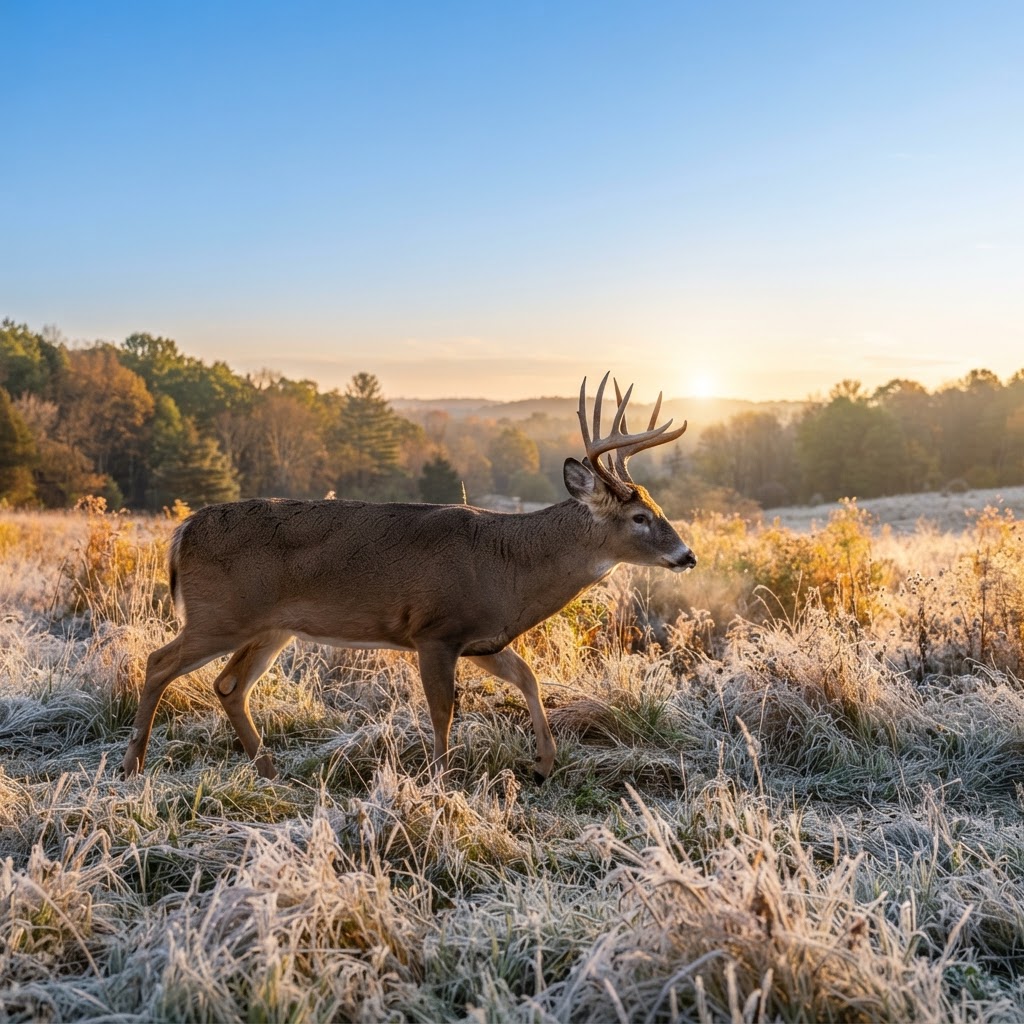
The Science of Pressure: Decoding Deer Movement
For generations, hunters have sat in blinds watching the needle on a brass barometer, waiting for the ‘perfect’ reading to trigger a deer sighting. But does barometric pressure actually act as a biological trigger for white-tailed deer? At Buckeye Hunter Hub, we believe in separating hunting folklore from hard data. When we look at , barometric pressure is indeed a major player, but it rarely acts in isolation. To truly understand deer behavior, you must look at how pressure correlates with temperature, wind, and the inevitable approach of a cold front.
Free hunting map, zones & 50-state resources
Save your spots, share zones with your group, and get deer & waterfowl movement forecasts — free.
How Barometric Pressure Influences Deer Biology
Barometric pressure is simply the weight of the air pressing down on the Earth. In general terms, high-pressure systems are characterized by stable, clear, and colder weather, while low-pressure systems bring clouds, precipitation, and warmer, unstable air.
Deer, like most mammals, are highly sensitive to these changes because they are physically tied to their environment. Telemetry studies using GPS-collared deer have shown that when a significant drop in pressure occurs—signaling an incoming front—deer often experience a 'feeding frenzy.' This is driven by an evolutionary instinct to fuel up before a weather shift that might limit their mobility. Conversely, as a high-pressure system settles in after a front, we often see a 'trickle' effect, where deer move more cautiously, often preferring mid-day hours when the sun warms the terrain.
The Anatomy of a Cold Front
If you want to master the art of the hunt, you have to stop looking for a single magic number and start looking at the trend. The most significant movement occurs during the 24 hours preceding a cold front. As the low-pressure system moves through, barometric pressure falls, and deer movement peaks.
Research indicates that as the front passes and the barometer begins to rise sharply (high pressure), deer movement typically dips for a short window as they seek thermal cover to wait out the wind and rain. However, the first 24 to 48 hours after the front, as the pressure stabilizes at a high level, can provide some of the best daylight movement of the season. During this time, the clear skies and drop in temperature force deer to move to maximize caloric intake and thermoregulation. If you are trying to predict the best days to be in the woods, our tracks these pressure trends to help you time your hunts for those exact windows.
Moon Phase: The Secondary Variable
E-Tag States

Harvest Tags
E-check means you supply the tag. Printed with the exact fields your state requires.
3-pack $22.95
One of the most persistent myths in the hunting community is that the moon phase dictates movement. While folklore suggests that a full moon keeps deer active at night, peer-reviewed telemetry data suggests the impact is negligible compared to weather. A deer's need to survive a cold front or fulfill nutritional requirements far outweighs the gravitational pull of the moon. If you have to choose between hunting a 'good' moon phase in poor weather or hunting a 'bad' moon phase during a major cold front, always choose the weather. Weather is the primary driver of survival; the moon is a distant second.
Putting Data into Action
So, what should you do on your next hunt? Don’t let a barometer dictate your season, but use it to plan your intensity.
Raise a safe, confident young hunter.
Guide your kids ages 5–17 through interactive hunting safety missions, real decision drills, and earned trophies — all from one free parent account.


- The Pre-Front Spike: Watch the forecast for a drop in pressure. When a low-pressure front is 12-24 hours out, plan to be in your best stand. This is when deer are most likely to move during daylight hours.
- The Post-Front High: The day after a front, as the barometer hits its peak, look for deer in areas that catch the late afternoon sun. They will be feeding aggressively to recover from the stress of the storm.
- The Stability Trap: If the barometer has been flat for five days straight with no change in temperature or wind, movement will likely be predictable and sluggish. In this scenario, focus your efforts on the very first and last 30 minutes of light.
Respecting the Variables
While pressure and temperature are key, they exist within the framework of the photoperiod—the amount of daylight—which dictates the timing of the rut. You can have the best barometric pressure in the world, but if the does are not entering estrus or the food sources are depleted, your success rate will remain low. Always keep in mind to ensure you are hunting the right phase of the season for your state.
Ultimately, deer are creatures of efficiency. They move when it is safest and most nutritionally beneficial to do so. By understanding that barometric pressure is a reflection of the weather's intensity, you can stop hunting blindly and start hunting strategically. The most successful hunters don't just go out when they have time; they go out when the data says the deer have to move.
Join 300 hunters and anglers on Buckeye Hunter Hub — free.
Latest from the Community


New drop
Fresh Buckeye Hunter Hub tees & hoodies


Everything you need to hunt smarter — free
Buckeye Hunter Hub is a free, nationwide platform. Create an account and unlock the full toolkit:
Free Interactive Hunting Map
Mark stands, cameras, and sign. Draw hunting zones with public land & county overlays across all 50 states.
Zones with Group Sharing
Share zones with your hunting group, split property into sections, assign stands, and check in — all in one place.
50 States of Hunting Resources
Season dates, license links, and DNR regulations for every state, kept current so you never miss an opener.
Deer Movement Forecast
Data-driven daily movement predictions using wind, moon, and pressure — know when to sit before you go.
Waterfowl Movement & Tools
Flight-potential forecasts, migration numbers, decoy spread planner, and a full species field guide.
From the Maker Bench

Taggart Outdoors
Padded Rifle Sling
Hand-built in the USA · $134.99
Shop the MakerNew drop
Fresh Buckeye Hunter Hub tees & hoodies
Shop This

StopBox Pro Ward | Wall-Mounted
$179.00$199.99

StopBox Pro Compact
$159.00$179.99

Buckeye Hunter Hub Tee — No Tag Left Behind
$20.55

Buckeye Hunter Hub Hoodie — No Tag Left Behind
$32.87
E-Tag States
Harvest Tags
E-check means you supply the tag. Printed with the exact fields your state requires.
3-pack $22.95
More Articles
Master Your Home Defense: The StopBox Advantage
When seconds count, reliable access to your firearm is vital. Explore the StopBox lineup at Buckeye Hunter Hub to secure your home defense setup today.
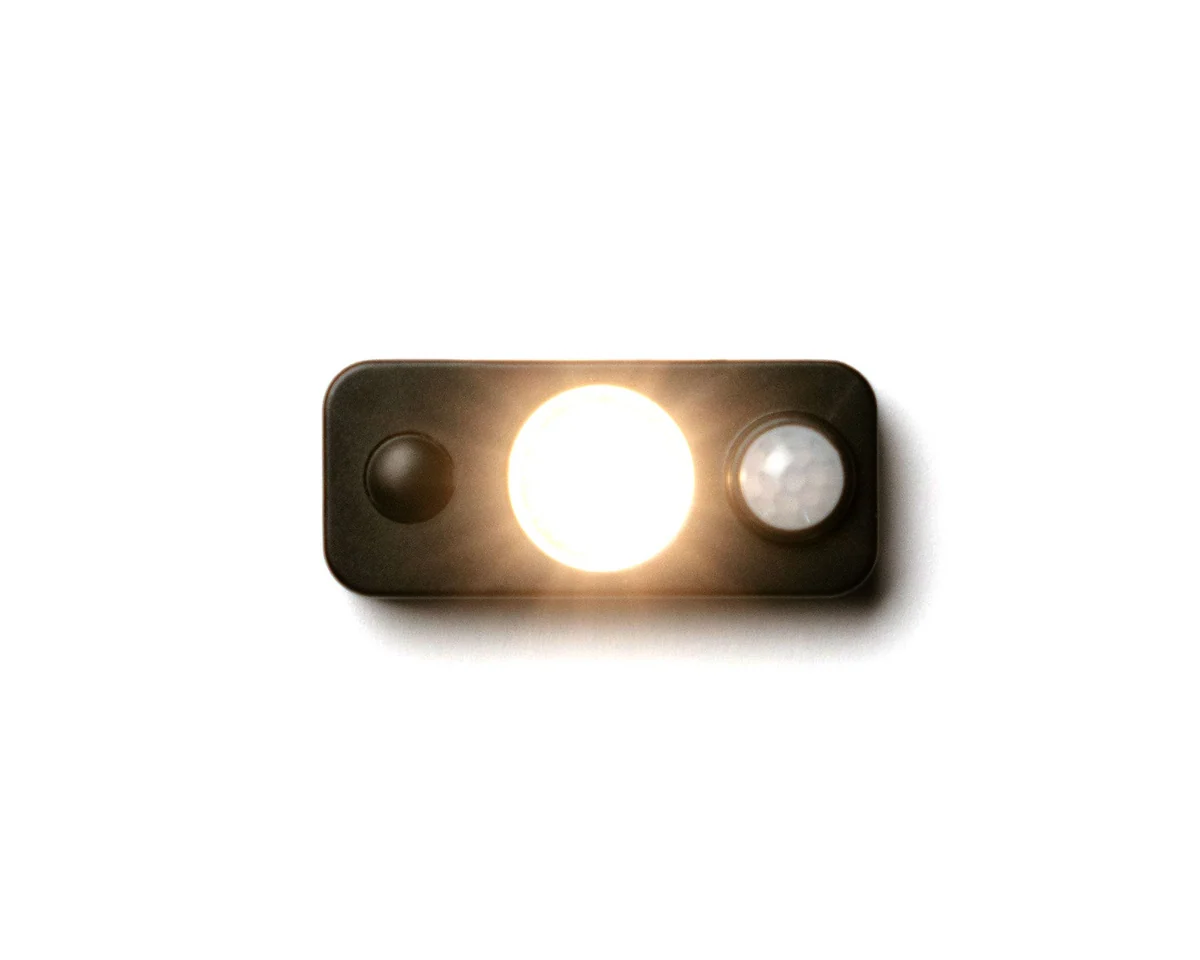
Elevating Retail Security: Partnering with Buckeye Hunter Hub for StopBox Distribution
Expand your inventory with top-tier firearm storage solutions. Buckeye Hunter Hub is now offering a streamlined wholesale program for retailers to stock StopBox products.
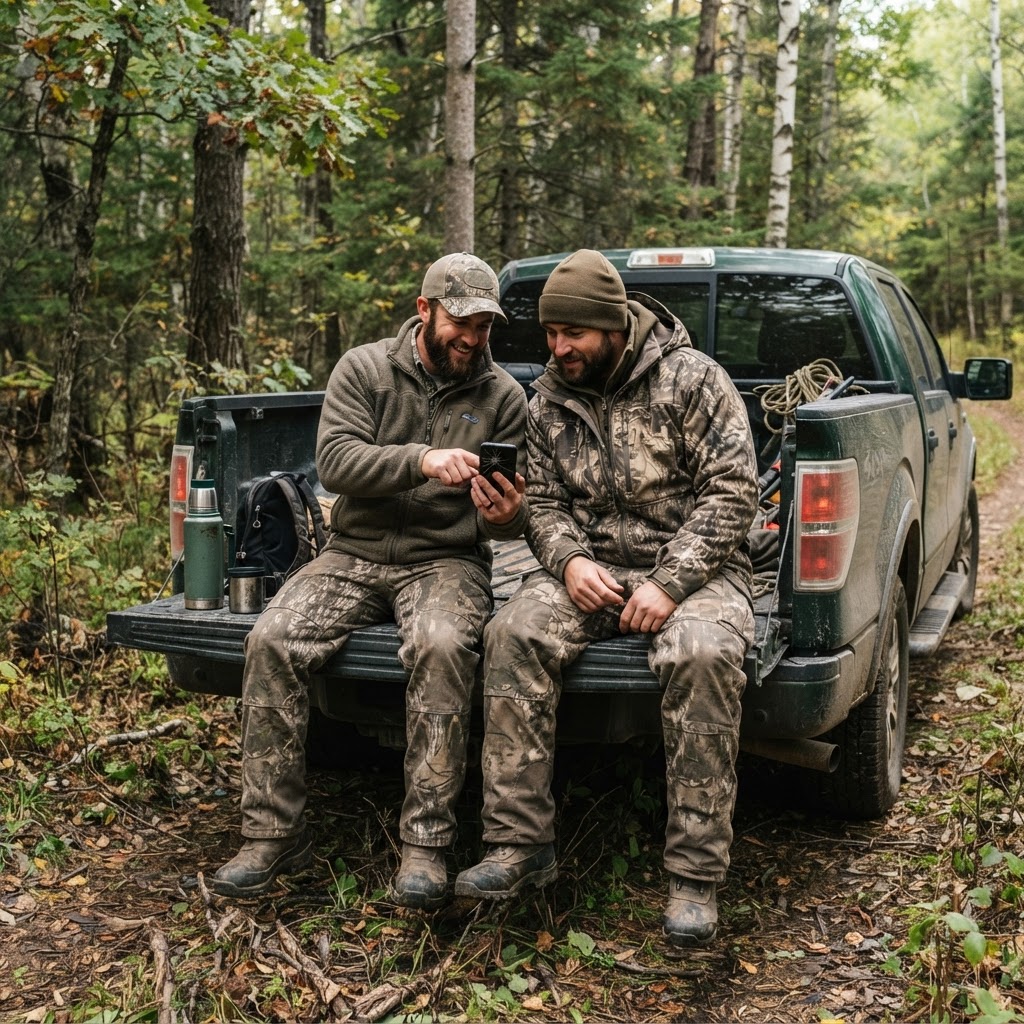
Cultivating Connection: How to Thrive Within the Buckeye Hunter Hub Groups
Hunting is often a solitary pursuit, but the depth of your success depends on the network you build. Discover how to leverage the Buckeye Hunter Hub groups to sharpen your skills and elevate your time in the field.
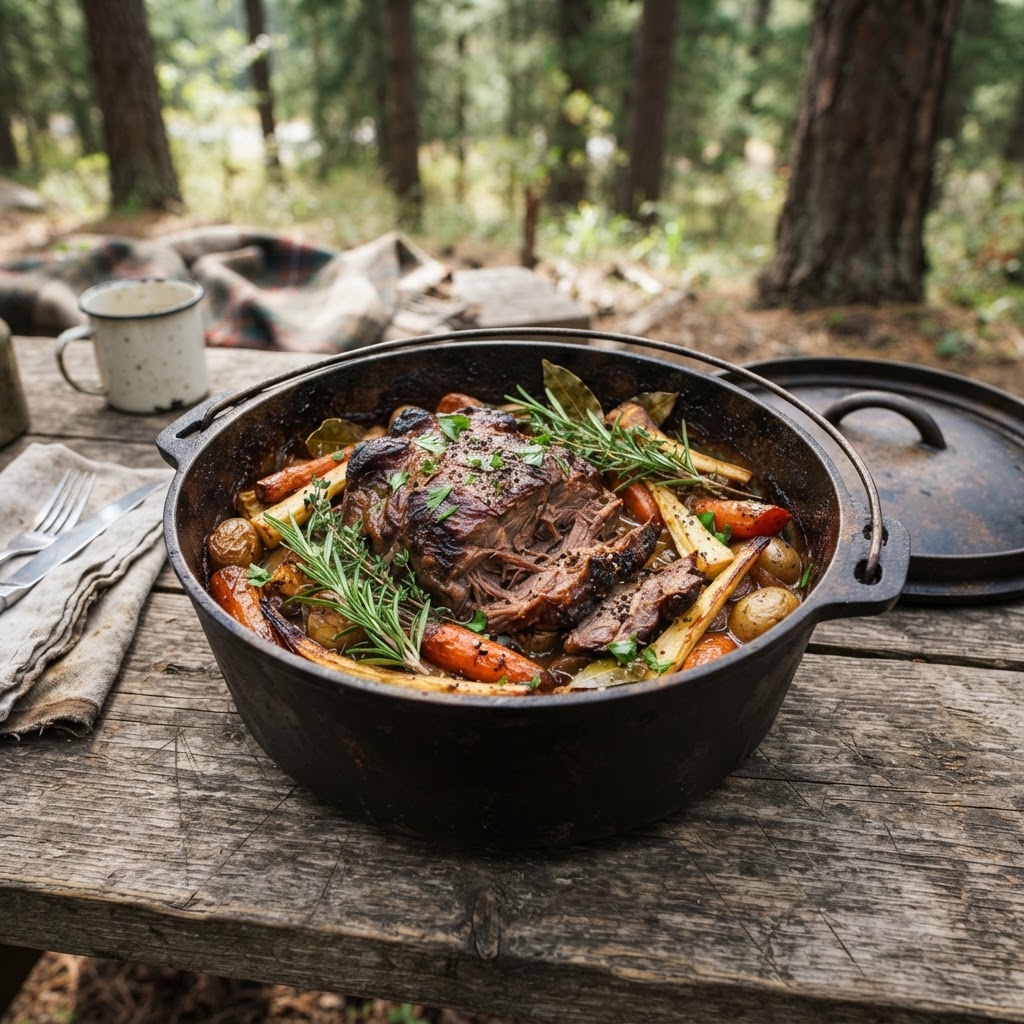
Field to Table: Mastering the Slow-Roasted Bear and Root Vegetables
Transform your fall harvest into a rustic masterpiece with this foolproof bear roast recipe that highlights the richness of wild-harvested meat.