Barometric Pressure and Whitetail Movement: Decoding the Atmospheric Trigger
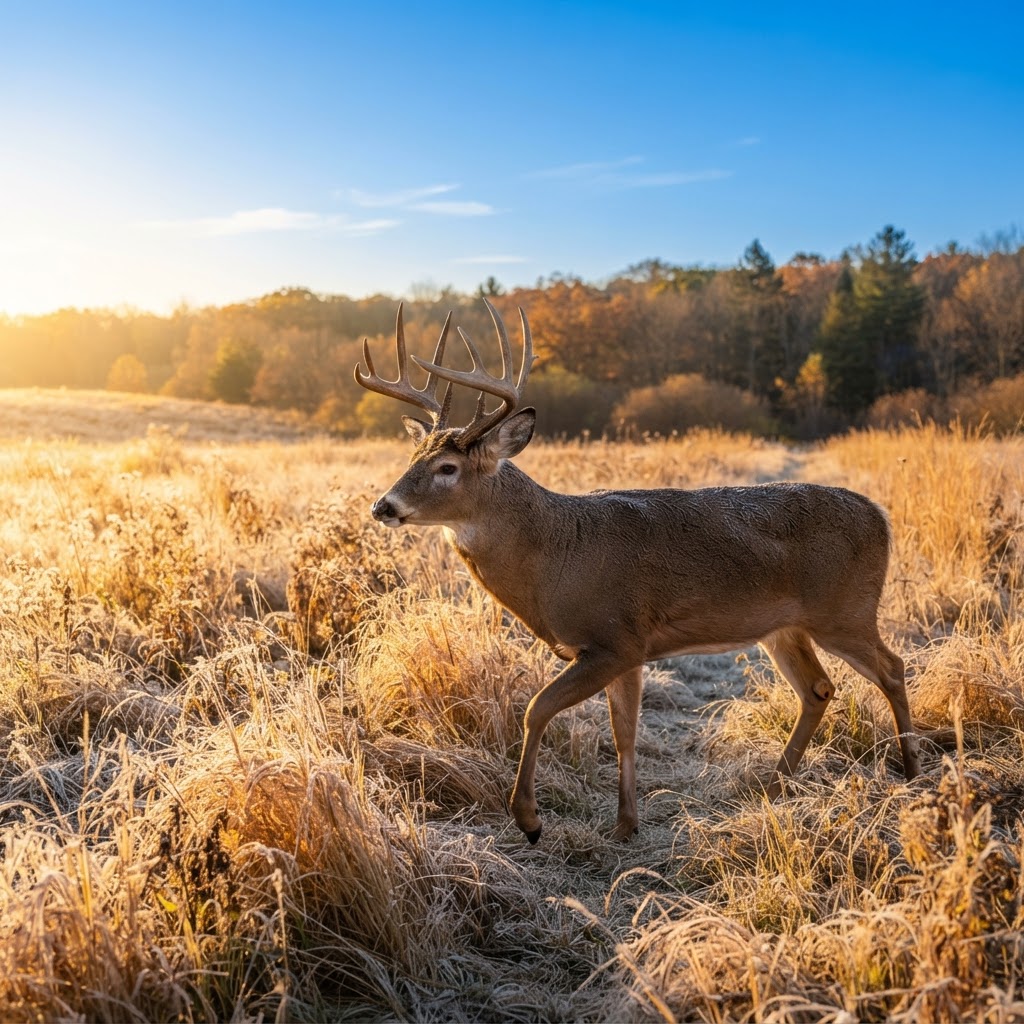
The Science of Pressure: Why Whitetails React to the Atmosphere
For generations, hunters have sat in blinds watching the needle on a brass barometer, waiting for it to climb into the 'Fair' or 'Dry' zones. The long-standing mantra is simple: high pressure equals active deer, while low pressure keeps them bedded. But does the data support this, or is it another piece of hunting folklore?
Modern wildlife research, specifically long-term GPS-collar studies on whitetails, paints a more nuanced picture. Understanding how atmospheric pressure affects deer requires us to look at the biology of the animal, not just the numbers on a weather app. When we look at , it becomes clear that deer are not reacting to the pressure itself, but to the weather systems that pressure represents.
The Physiology of the Shift
Deer are highly sensitive to their environment. A sharp drop in barometric pressure almost always signals an approaching low-pressure system—often bringing precipitation, wind, and temperature changes. Telemetry data shows that deer movement typically increases significantly ahead of a cold front. This 'feeding frenzy' is driven by an instinctual need to fuel up before a period of inclement weather, when a deer's ability to forage and remain alert is compromised by wind and rain.
Conversely, when pressure rises behind a front, the atmosphere stabilizes. Cold, clear air follows. During this time, the lack of immediate threat and improved visibility often lead to increased daytime movement. However, this isn't because the deer 'like' high pressure; it is because they are transitioning from the energy-conserving phase of a storm back into their normal browsing routine.
Beyond the Barometer: The Hierarchy of Movement Drivers
It is vital to distinguish between major movement drivers and minor correlations. While barometric pressure is a useful weather indicator, it sits relatively low on the hierarchy of factors that actually move deer.
- Photoperiod and Hormones: During the rut, the internal biological clock (triggered by changing day length) dictates movement more than any weather event. If a doe is coming into estrus, a buck will chase her regardless of a high-pressure system.
- Temperature Swings: Deer are thermoregulators. A sudden, sharp drop in temperature is a much more reliable indicator of daylight movement than a static barometric reading. When the thermometer plummets, the metabolic demand for calories rises.
- Wind and Precipitation: These are the true disruptors. High winds can force deer into heavy cover where they feel secure, effectively neutralizing the 'benefits' of an ideal pressure reading.
Many hunters fall into the trap of over-weighting the moon phase. Peer-reviewed studies have consistently shown that while lunar influence may have minor impacts on nocturnal activity, it is a weak, secondary factor compared to the immediate physical reality of a approaching weather system.
Washington · E-Tag State

Washington Harvest Tags
E-check means you supply the tag. Printed with the exact fields Washington requires.
3-pack $19.95
Actionable Thresholds for the Field
If you want to use pressure data effectively, stop looking for a 'magic number.' Instead, look for the rate of change. A stable barometer is rarely an indicator of high activity. You want to hunt the transition.
- The Pre-Front Spike: Watch for a rapid decline in pressure. This is your cue to hit the food sources. If the pressure is dropping steadily over 6–12 hours, expect increased daylight feeding activity.
- The Post-Front Window: As the pressure climbs, the first 24–48 hours after a cold front passes can be the most productive days of the year. The temperature has usually dropped, the skies are clear, and deer are emerging from bedding to feed after the lull caused by the front itself.
- The Stabilization Point: Once the pressure flattens out at a high level, the intensity of movement often wanes. This is when patience in the stand is required, as movement becomes more erratic and tied to individual food-source availability rather than atmospheric urgency.
Raise a safe, confident young hunter.
Guide your kids ages 5–17 through interactive hunting safety missions, real decision drills, and earned trophies — all from one free parent account.


Integrating Data Into Your Strategy
To become a more efficient hunter, you must cross-reference these atmospheric trends with your local scouting intel. Utilizing allows you to see how the deer in your specific area respond to these weather events over time. You might find that your local herd has a specific 'pressure sweet spot' based on the terrain. For example, deer in high-wind, hilly regions may react differently to pressure shifts than those in the sheltered river bottoms of the Midwest.
Ultimately, no amount of data can replace time in the stand. Use barometric pressure as one tool in your kit, but prioritize the physical indicators—dropping temps, shifting winds, and the calendar-driven necessity of the rut. When you align these factors, you aren't just guessing; you are hunting with a strategy informed by the same biological imperatives that drive the deer. Stay flexible, monitor the trends, and keep your focus on the habitat features that provide the highest security-to-food value.
Free hunting map, zones & 50-state resources
Save your spots, share zones with your group, and get deer & waterfowl movement forecasts — free.
Join 200 hunters and anglers on Buckeye Hunter Hub — free.
Latest from the Community
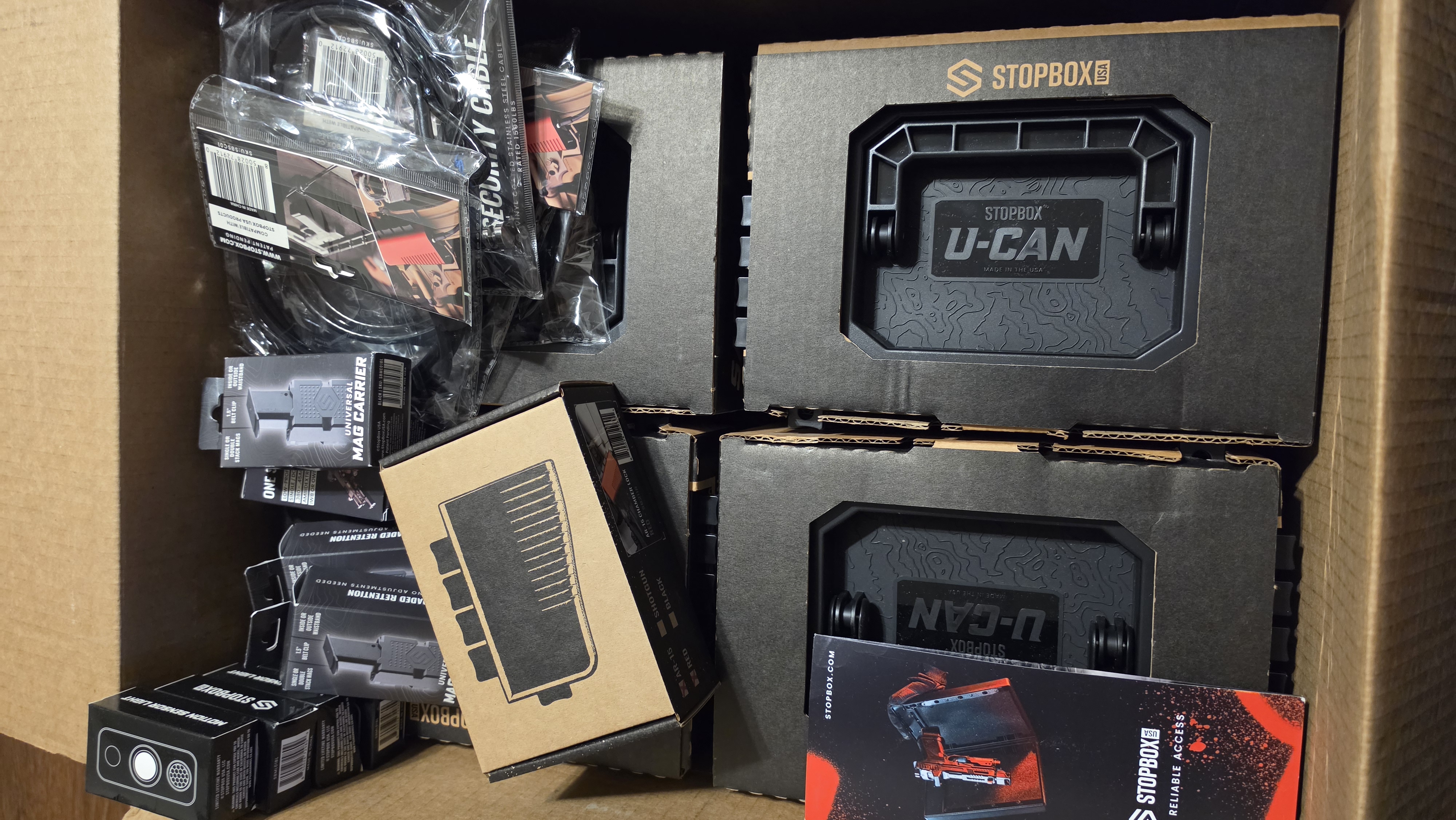
Posted
Big StopBox delivery day at Buckeye Hunter Hub
Joshua Shoffner · 14h ago

Trail Cam
Whitetail Deer
Joshua Shoffner · 1d ago

Trail Cam
Whitetail doe
Admin Josh · 4d ago

Posted
Ready For My Extended Archery Deer Hunt
Richard Taggart · 4d ago

Trail Cam
Untitled
Jagger Feazel · 5d ago

Posted
Venison Burgers
Richard Taggart · 5d ago
Everything you need to hunt smarter — free
Buckeye Hunter Hub is a free, nationwide platform. Create an account and unlock the full toolkit:
Free Interactive Hunting Map
Mark stands, cameras, and sign. Draw hunting zones with public land & county overlays across all 50 states.
Zones with Group Sharing
Share zones with your hunting group, split property into sections, assign stands, and check in — all in one place.
50 States of Hunting Resources
Season dates, license links, and DNR regulations for every state, kept current so you never miss an opener.
Deer Movement Forecast
Data-driven daily movement predictions using wind, moon, and pressure — know when to sit before you go.
Waterfowl Movement & Tools
Flight-potential forecasts, migration numbers, decoy spread planner, and a full species field guide.

American Express® Gold Card
Earn big on the things you love—dining, groceries, and travel. Apply through my referral link below.
- Up to 100,000 Membership Rewards® Points after you use your new Card to make $8,000 in purchases in the first 6 months—upon approval.
- 4X Membership Rewards® Points at restaurants worldwide, plus takeout and delivery in the U.S.
- 4X Points at U.S. supermarkets (on up to $25,000 per year, then 1X).
- 3X Points on flights booked directly with airlines or on amextravel.com.
- Up to $120 in annual dining credits at select partners (enrollment required).
Terms apply. Offer subject to approval by American Express. This is a referral link—I may receive Membership Rewards® Points if you are approved.
Shop This

StopBox Pro Ward | Wall-Mounted
$179.00$199.99

StopBox Pro Compact
$159.00$179.99

Streamline Supper Trout Heritage Tee
$23.41

Buckeye Hunter Hub Tee — Map It. Hunt It.
$23.41
Washington · E-Tag State
Washington Harvest Tags
E-check means you supply the tag. Printed with the exact fields Washington requires.
3-pack $19.95
More Articles
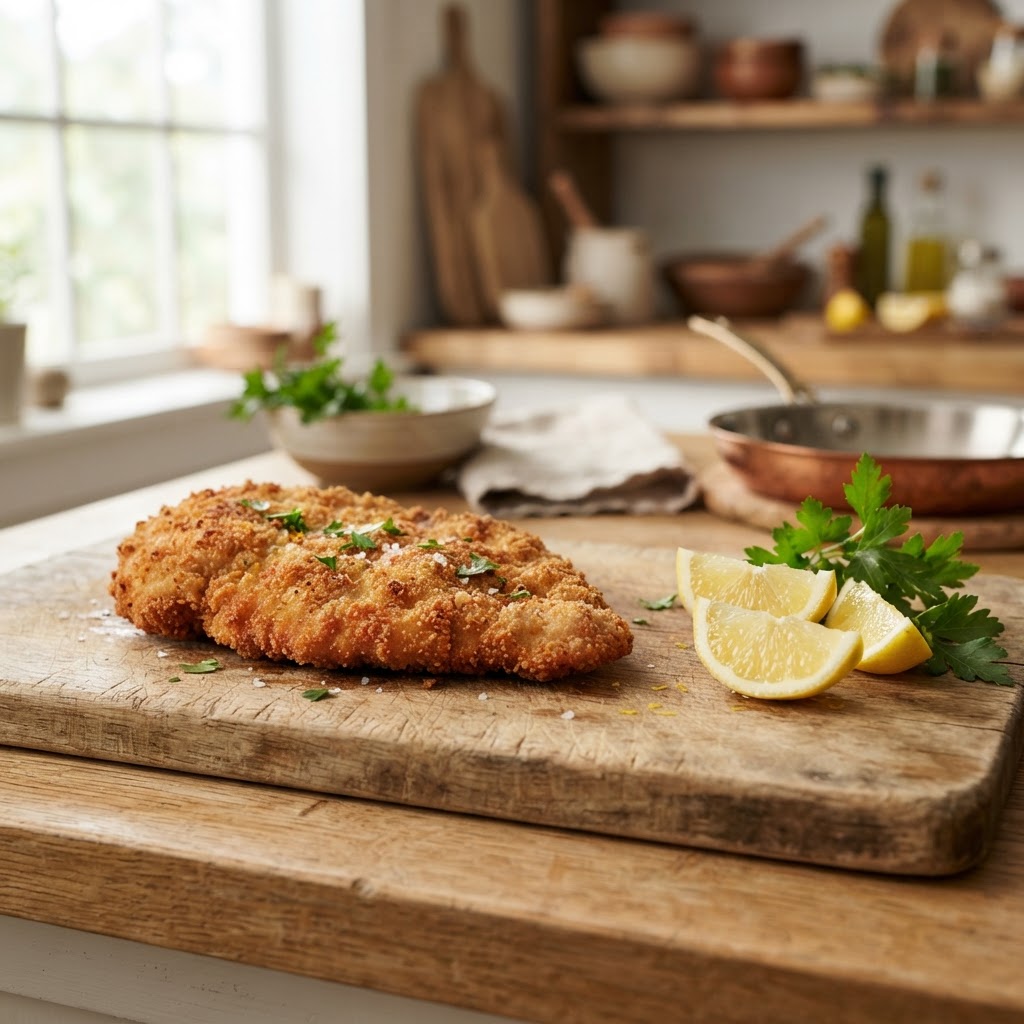
Crispy Wild Turkey Schnitzel: A Hunter’s Guide to the Perfect Harvest Meal
Transform your wild turkey breast into a culinary masterpiece with this classic, crispy schnitzel recipe that respects the bird and rewards the hunter.

Introducing the Contour Mallard: The New Official BHH Hoodie
Meet the new Buckeye Hunter Hub Hoodie—Contour Mallard, a heavy-blend staple designed for the field, the boat ramp, and everywhere in between.

Introducing the Contour Mallard: The Ultimate Tee for the Modern Outdoorsman
Meet the new Buckeye Hunter Hub Tee — Contour Mallard, a premium shirt designed for those who live for the blind, the boat ramp, and everywhere in between.

Gear Up for the Field: Introducing the New Buckeye Hunter Hub Hoodie — Contour Buck
Meet the new Contour Buck hoodie, the latest addition to our outdoor apparel lineup that blends field-tested comfort with a unique topographical design.