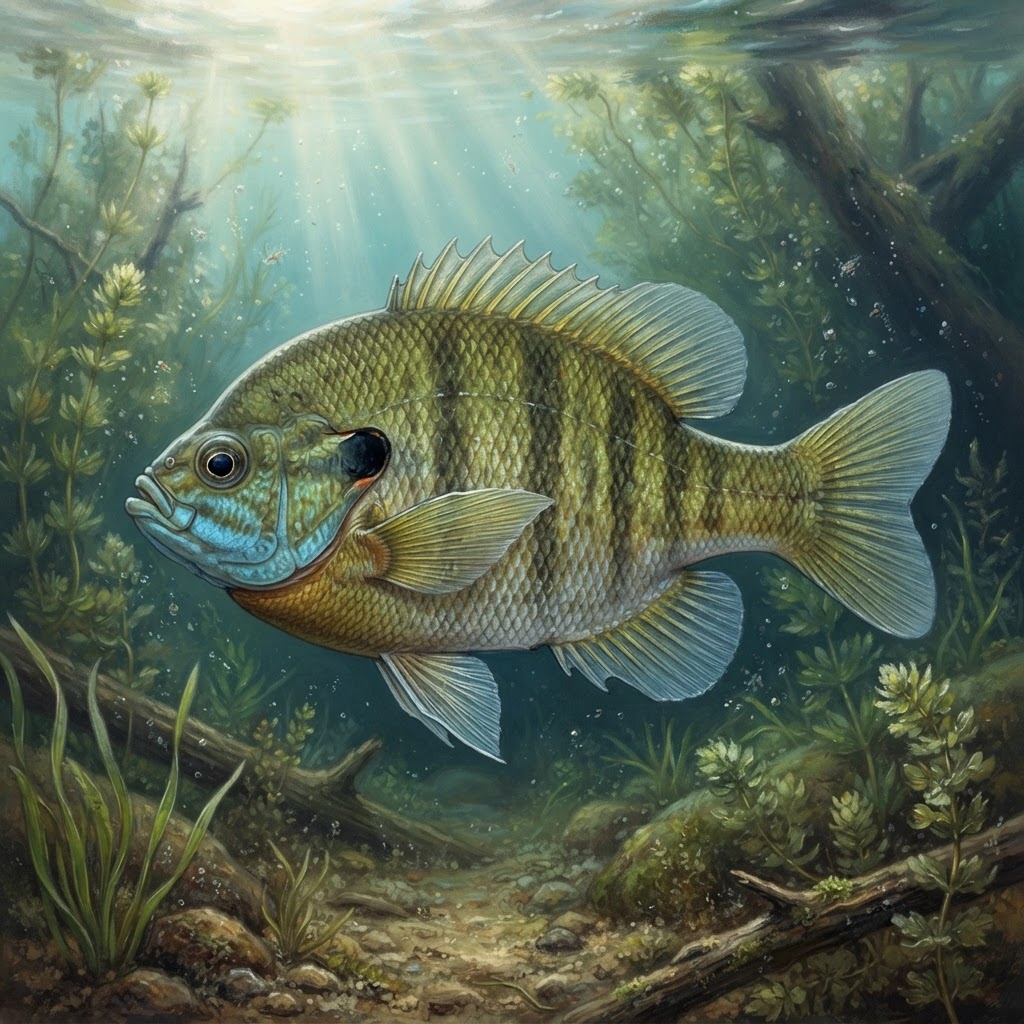
Bluegill
Lepomis macrochirus
The ultimate panfish prize, famous for its aggressive strikes and incredible pound-for-pound fighting ability.
Typical Size
4 to 10 inches; weigh 0.5 to 1.5 pounds.
Prime Seasons
Spring (spawning) and early Autumn are peak periods.
Overview
Bluegill are the quintessential American panfish, cherished by anglers for their accessibility, willingness to bite, and excellent table fare. Found in nearly every freshwater pond, lake, and slow-moving river across the United States, they provide an ideal entry point for beginners while offering a rewarding challenge for seasoned anglers utilizing ultra-light tackle.
Anglers target Bluegill not only for their abundance but for their schooling behavior, which can turn a quiet day on the water into non-stop action. Their saucer-shaped bodies allow them to turn sideways to create maximum resistance when hooked, making them surprisingly strong fighters on light spinning gear or fly rods.
Identification
- Deep, compressed, oval-shaped body profile.
- Dark, velvet-black 'ear' flap on the gill cover without a colored margin.
- Prominent dark vertical bars often present on the sides.
- Large, black spot located at the base of the posterior portion of the dorsal fin.
- Small mouth relative to the size of the head.
Habitat
Diet & Forage
Behavior & Feeding
Bluegill are opportunistic feeders that primarily consume aquatic insects, small crustaceans, and fish eggs. They remain active throughout the day, often hovering near cover like submerged timber or weed edges, but tend to feed most aggressively during dawn and dusk. Seasonal movement is dictated by temperature, with fish retreating to deeper, cooler water in the heat of summer and moving toward shallower flats as waters warm in the spring.
Spawning
Bluegill spawn in colonies throughout the spring and early summer, typically when water temperatures stabilize between 65°F and 75°F. Males excavate shallow circular nests in sandy or gravel bottoms and become highly territorial, aggressively attacking any lure that enters their strike zone. This period offers the most explosive fishing of the year, as even cautious, larger individuals are easily provoked by small jigs or live bait presented near the beds.
Water Temperature
Weather Triggers
Overcast Skies
Extends the feeding window; target shallow flats throughout the day.
Approaching Cold Front
Increases immediate feeding activity; fish aggressively before the pressure drops.
Stable High Pressure
Fish become lethargic and suspend near cover; utilize slow-falling, small jigs.
Depth by Season
Best Lure Rigs & Setups
Slip-Bobber Rig
When: Perfect for presenting live bait at precise depths over vegetation.
Setup: 4lb fluorocarbon line, size 10-12 fine wire hook, 1/16 oz split shot, small bobber.
Micro-Jig
When: Ideal for vertical jigging or slow retrieving along docks and weed lines.
Setup: 4lb monofilament, 1/32 or 1/64 oz jig head tipped with a plastic power-bait spike.
Fly Fishing Setup
When: Targeting surfacing Bluegill in the shallows during spring and summer evenings.
Setup: 3-4 weight fly rod, floating line, size 12-14 poppers or dry flies.
Best Knots
Lures That Catch Bluegill
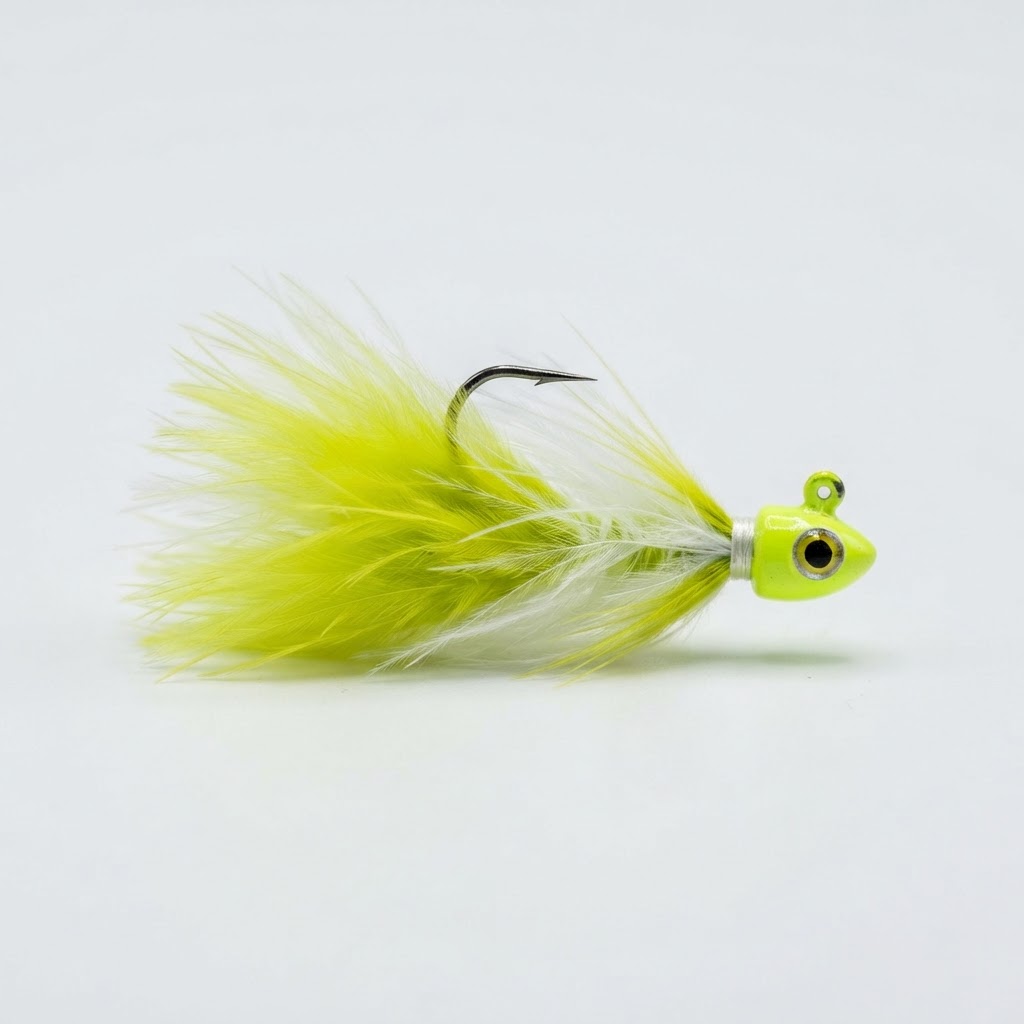 Jigs
JigsCrappie Jig
The go-to panfish producer.
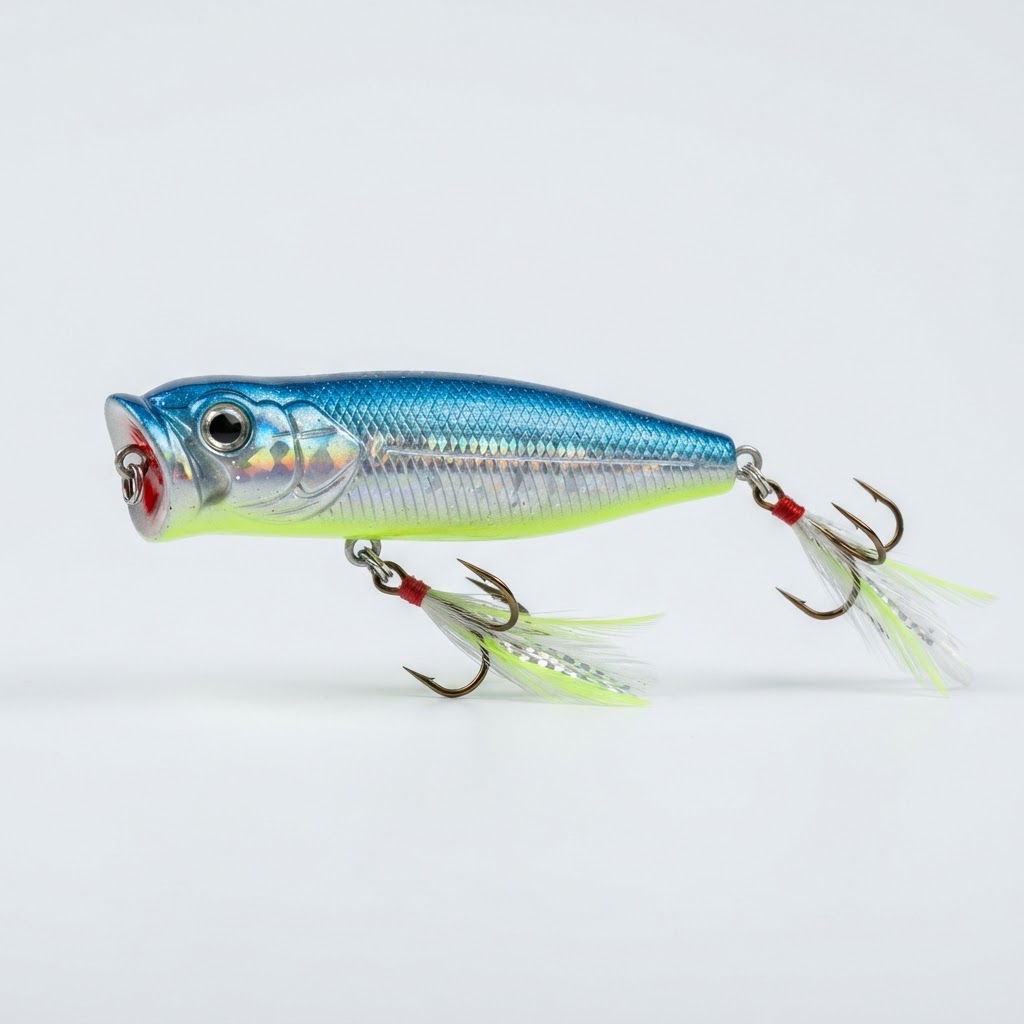 Topwater
Popper
Spits and pops to draw surface reaction.
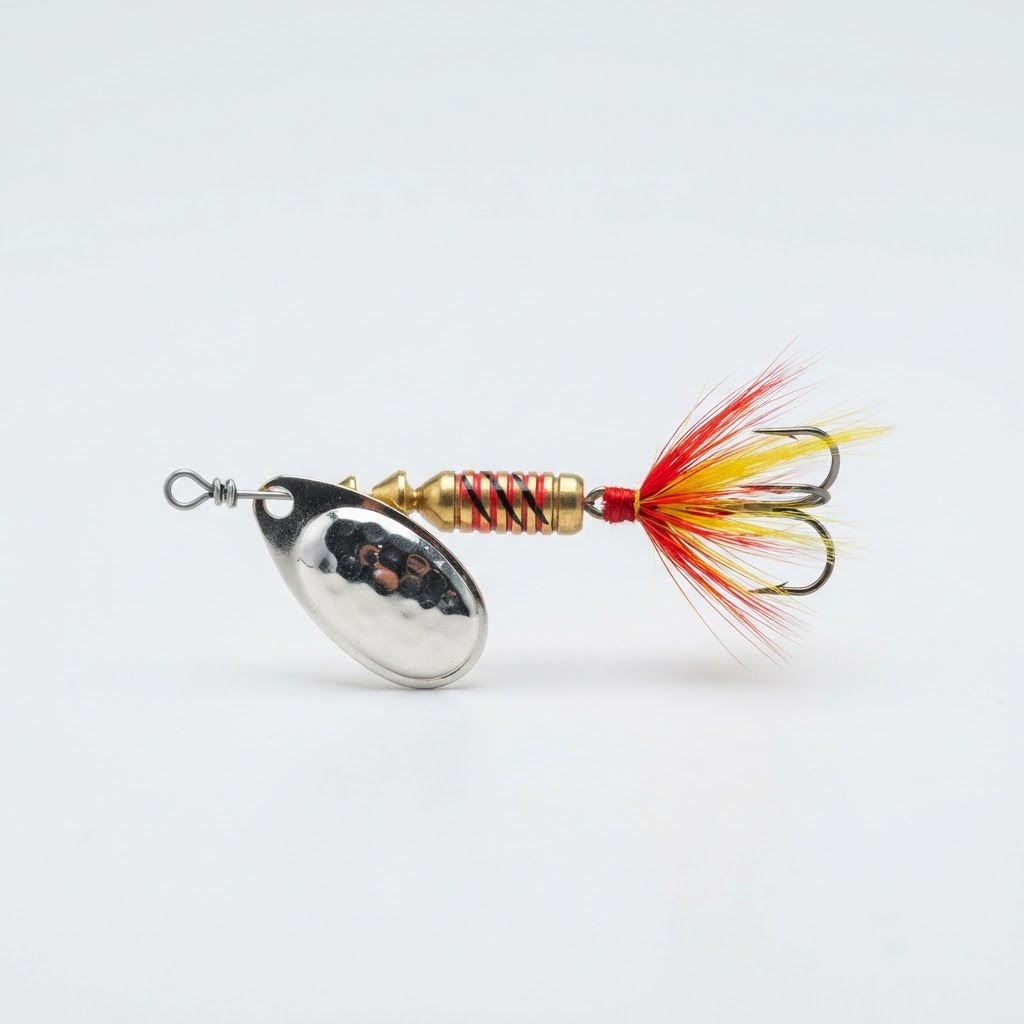 Spinner & Bladed
Inline Spinner
Simple, deadly flash for trout and panfish.
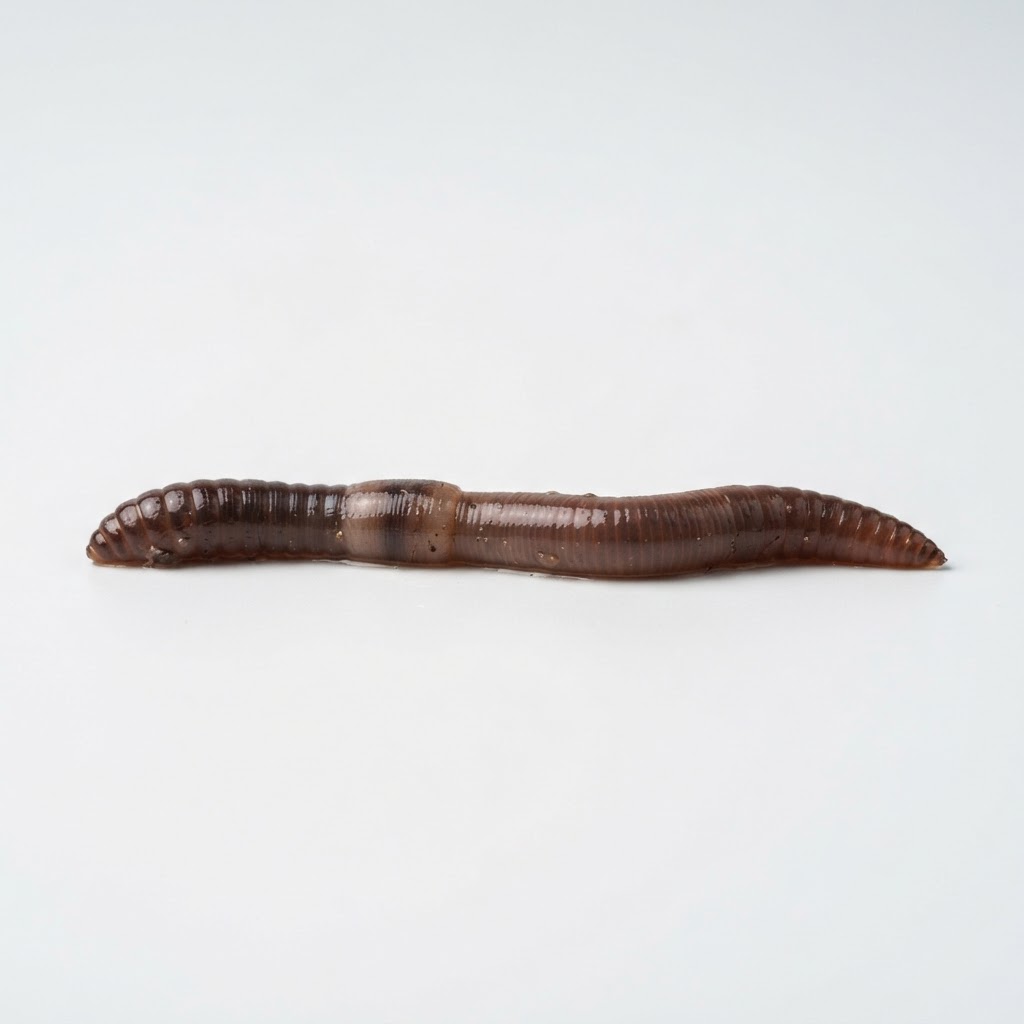 Live Bait
Nightcrawler
Nothing beats live worm for numbers.
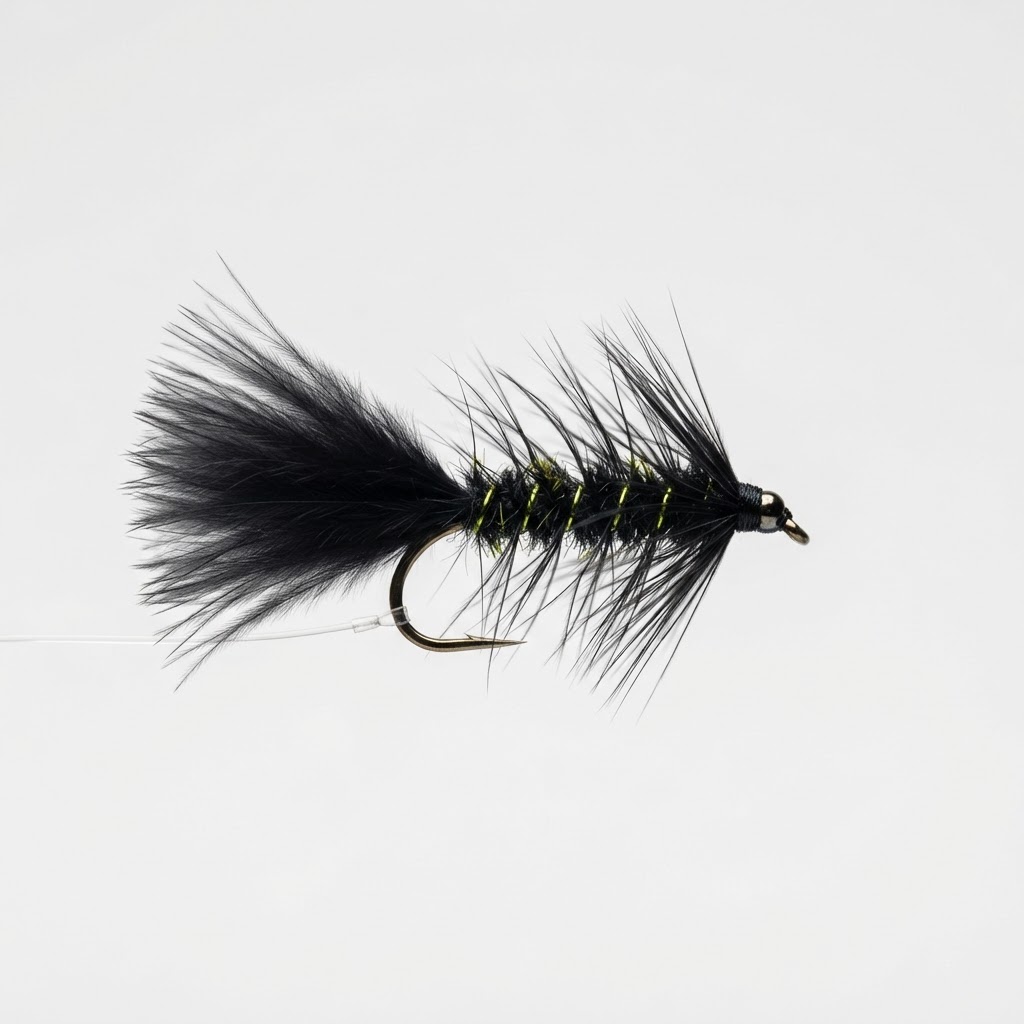 Flies
FliesWoolly Bugger
The most versatile fly ever tied.
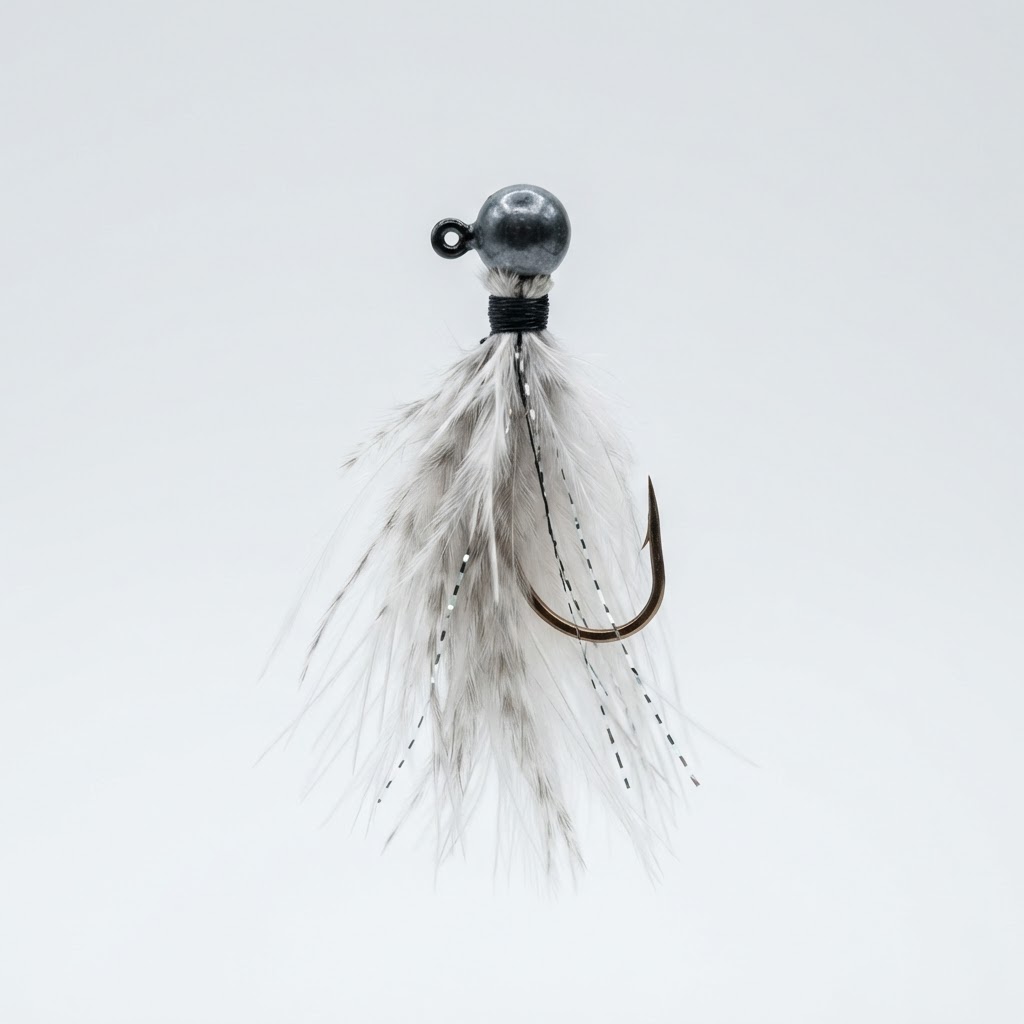 Jigs
JigsMarabou Jig
Feather-soft flutter for panfish.
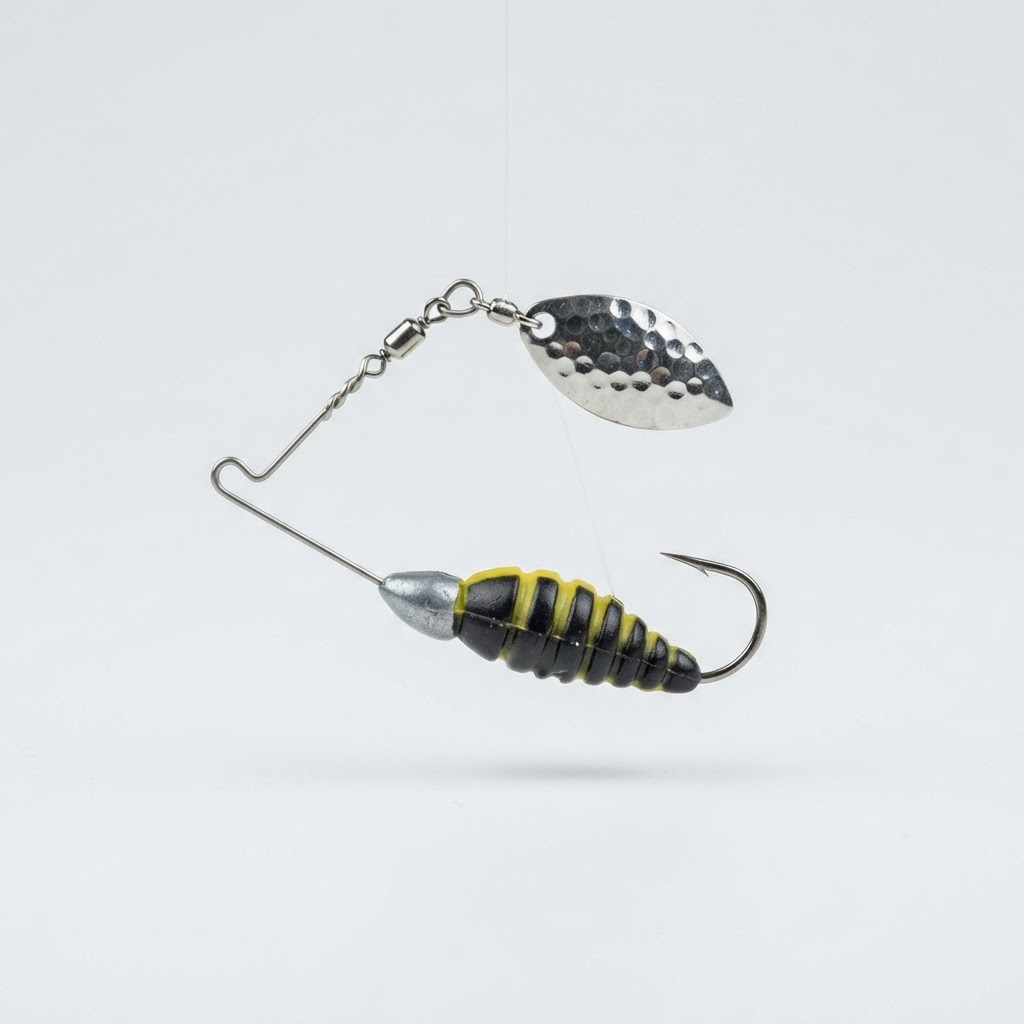 Spinner & Bladed
Beetle Spin
A tiny spinner panfish can't leave alone.
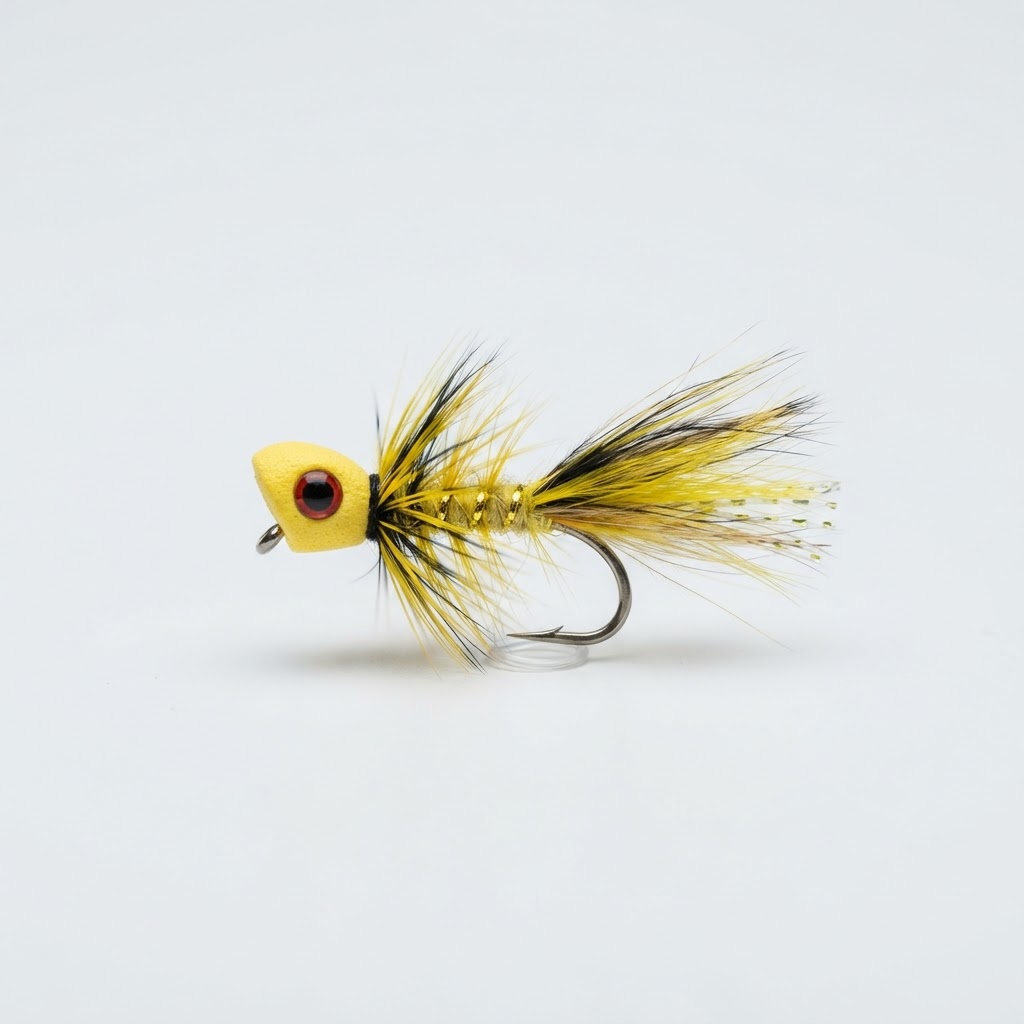 Flies
FliesPopper Fly
Surface bug for bluegill and bass.
Rigs From The Library For Bluegill
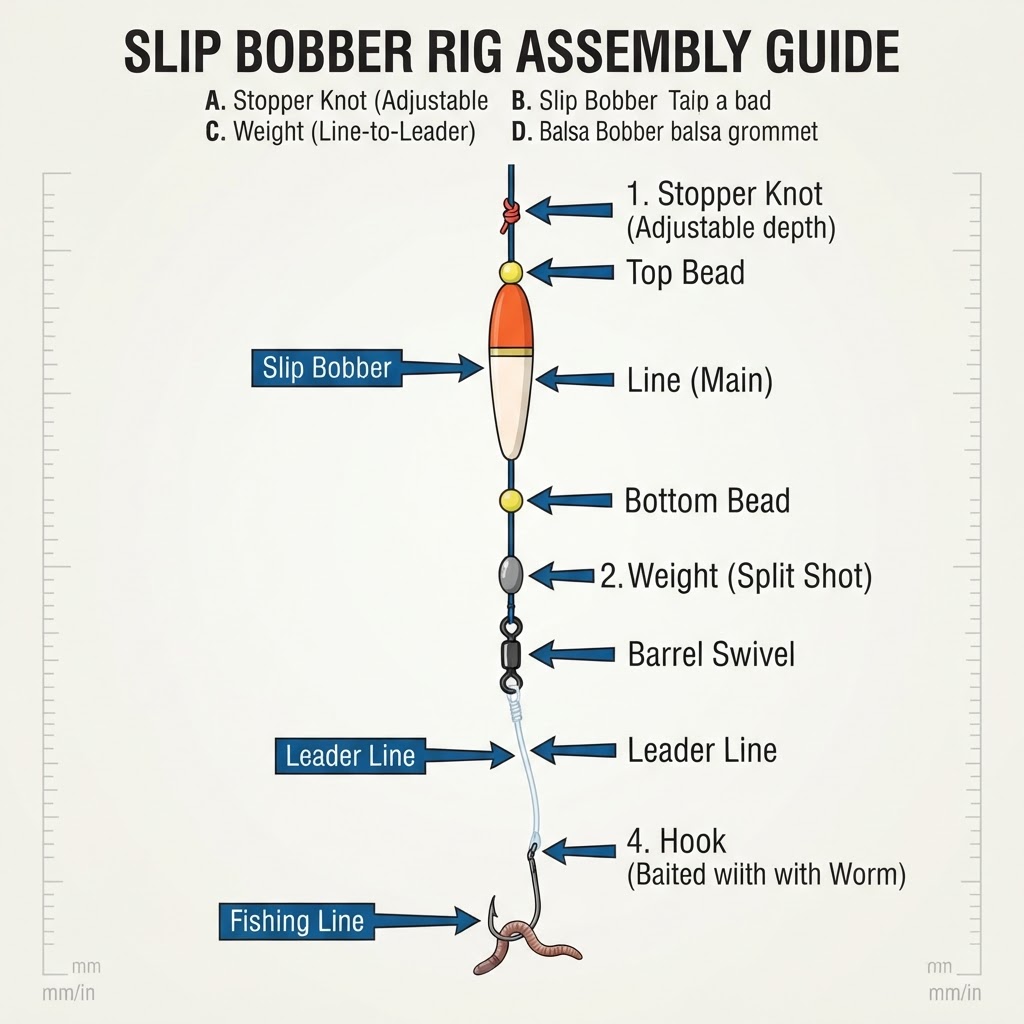 3-30 ft
Slip Bobber Rig
The ultimate precision tool for suspending live bait at any depth, keeping your presentation in the strike zone longer.
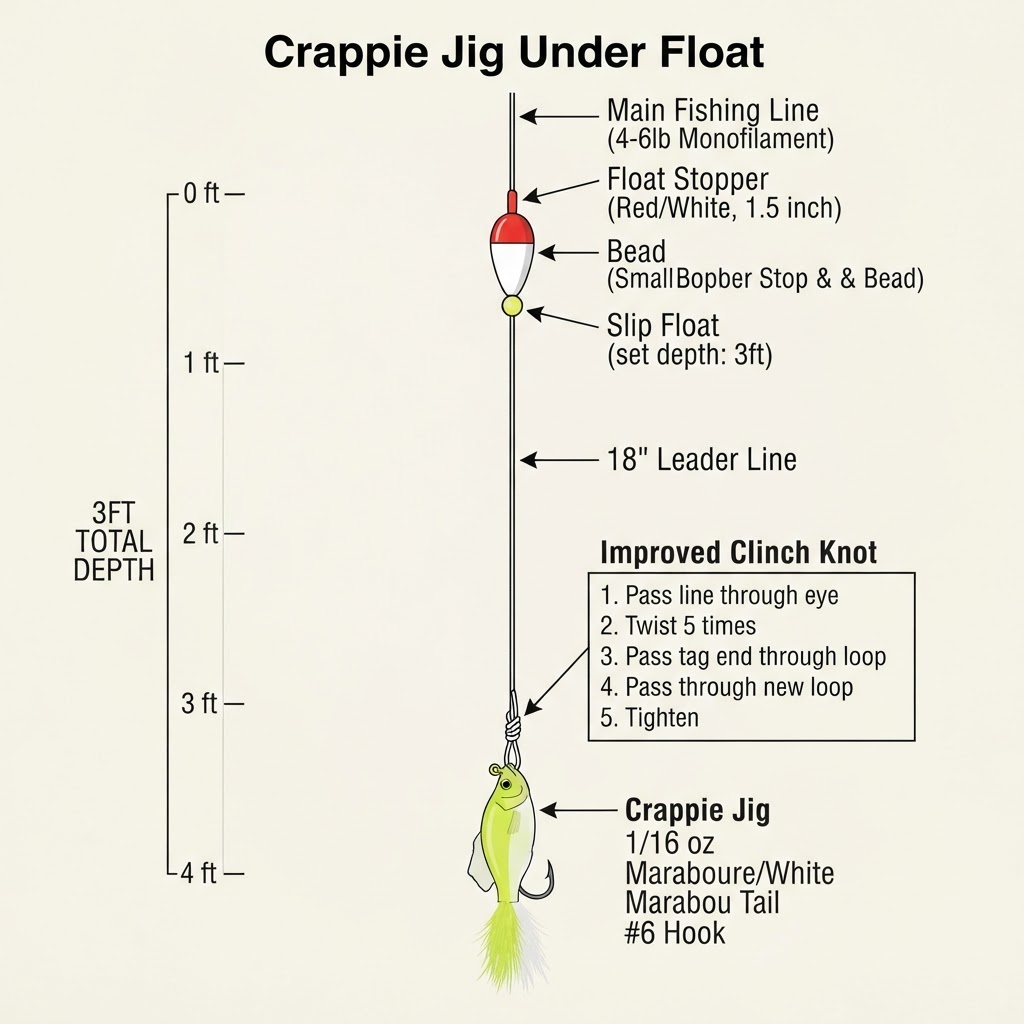 1-10 ft
Crappie Jig Under Float
The ultimate precision tool for suspending micro-jigs at exact depths to trigger lethargic panfish.
Catch more bluegill — free
Create a free account and unlock the full angling toolkit:
Latest from the Community