
Mastering the Woods: How to Decode Deer Sign for a Successful Season
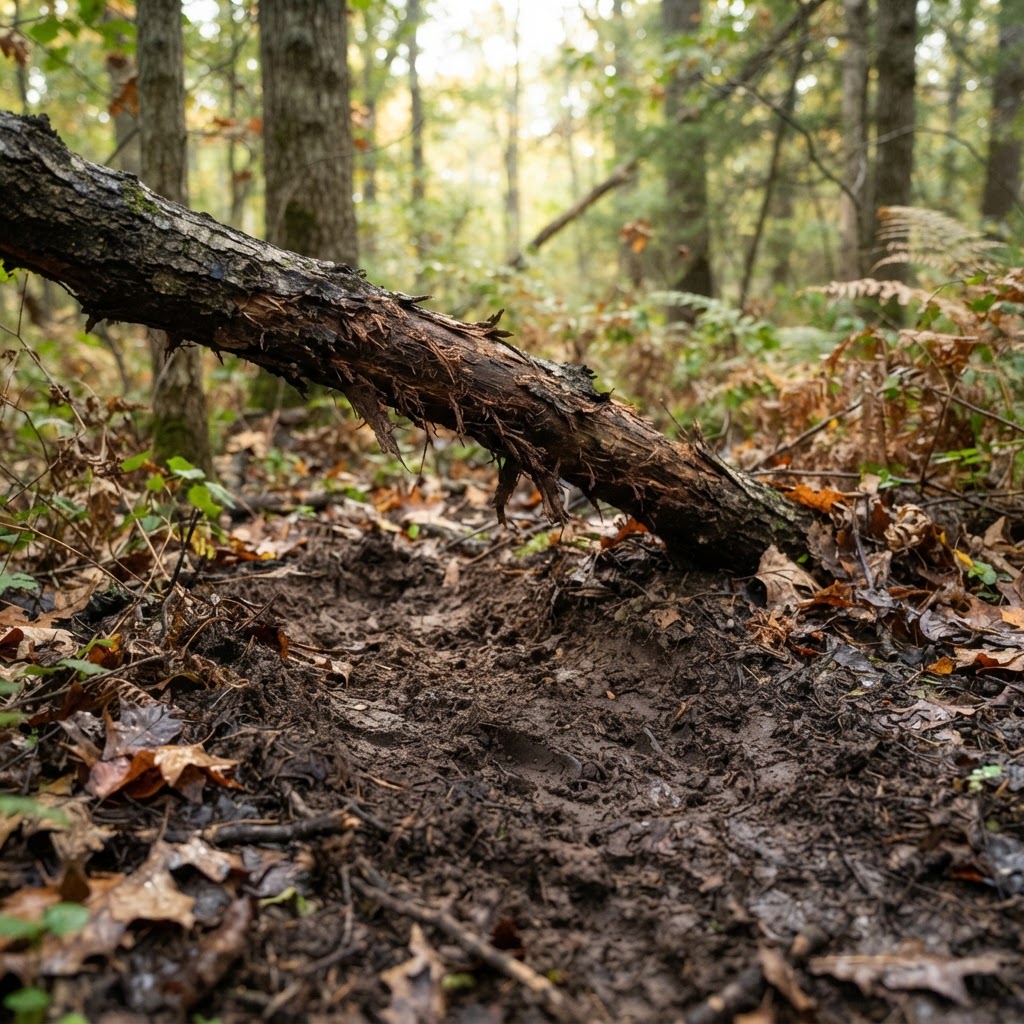
Introduction to Reading the Landscape
For many hunters, the difference between a frustrating season and a wall-hanger year comes down to their ability to read the woods like a book. Deer are creatures of habit, but they are also masters of evasion. If you want to increase your odds, you must move beyond simply finding a deer trail and start interpreting the nuances of the environment. At Buckeye Hunter Hub, we believe that understanding the 'why' behind deer behavior is the foundation of every successful hunt.
Deciphering Rubs: Understanding the Hierarchy
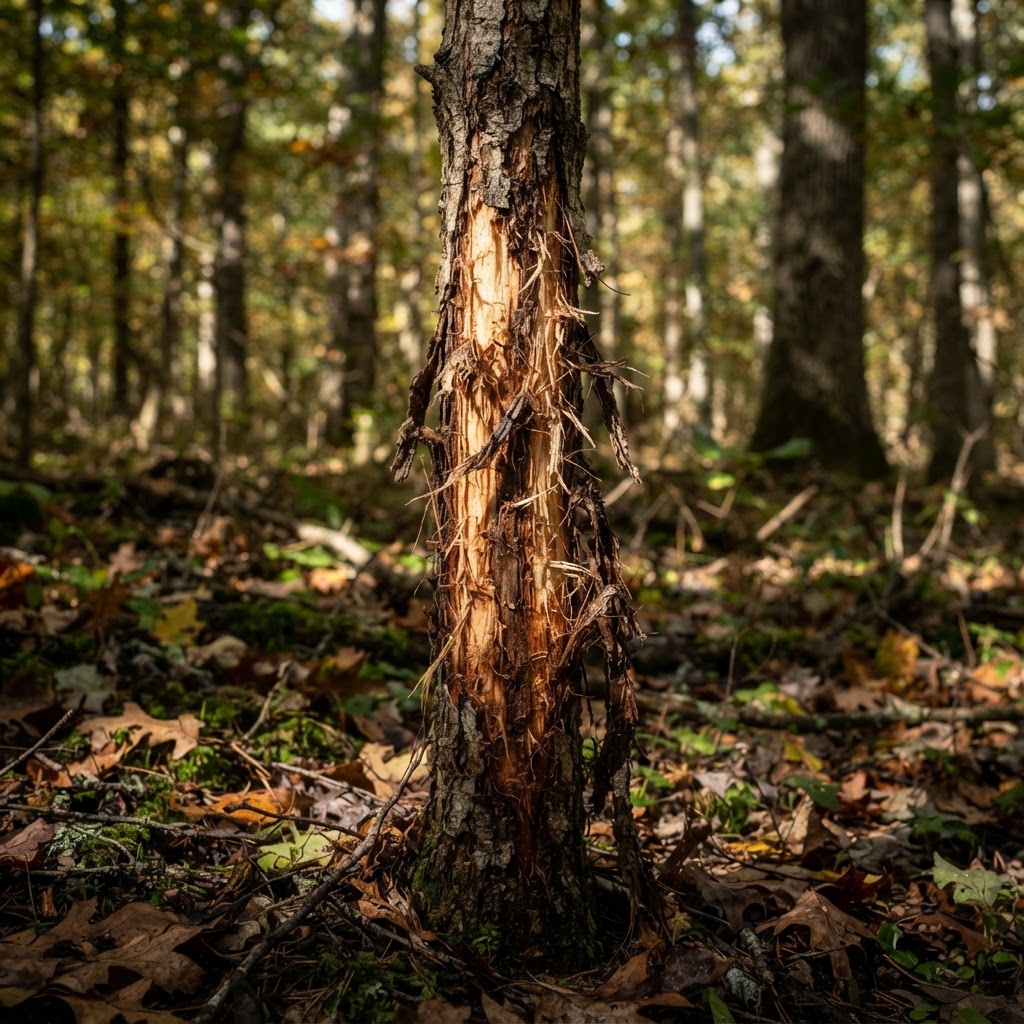
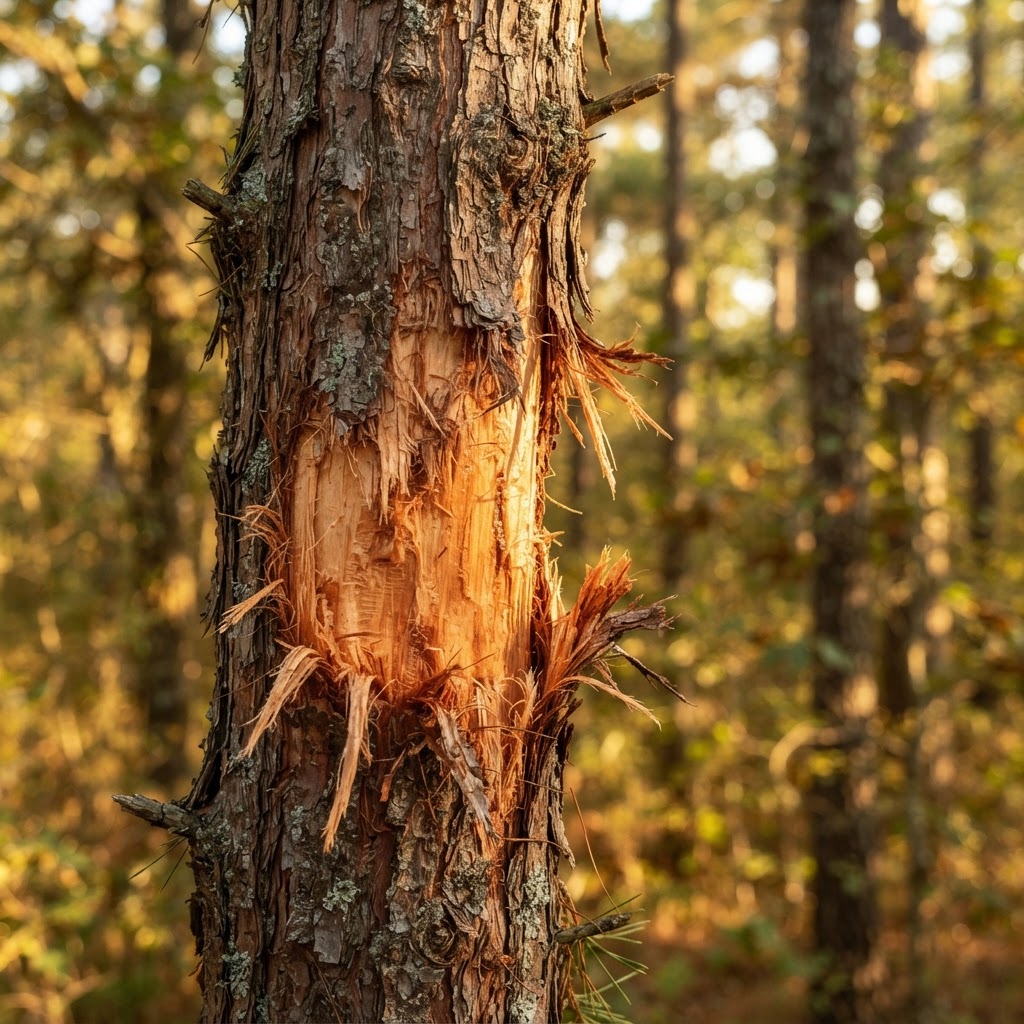
Rubs are arguably the most common sign left by bucks, yet they are often misunderstood. A rub is simply a patch of bark removed from a tree when a buck scrapes his antlers against the trunk. However, not all rubs are created equal.
Size Matters
When you encounter a rub, look at the height and the diameter of the tree. A rub on a sapling the thickness of your finger might be a sign of a yearling, but a shredded tree the size of a man’s thigh suggests a dominant buck is working the area.
Rub Lines
Individual rubs are often part of a 'rub line'—a travel route used by a buck moving between bedding and feeding areas. If you find a series of large, fresh rubs, you have likely found a buck’s preferred corridor. Use our to mark these waypoints, which helps you visualize the buck's travel pattern across the property. When you know where a buck likes to walk, you can begin to understand and set your stand accordingly.
The Language of Scrapes
Scrapes are the social centers of the deer world. A scrape is an area where a buck has pawed away the leaves and organic matter to expose the dirt, usually accompanied by an overhanging 'licking branch.'
The Licking Branch
This is the most critical component of the scrape. Bucks and does alike will rub their faces and deposit scent on this branch. If you find a scrape without a licking branch, it is often just a random pawing spot. A true, active scrape is a location that multiple deer visit repeatedly throughout the pre-rut and rut.
Timing is Everything
Scrapes become active well before the does are in estrus. They are communication hubs. During the early season, monitor these spots to see which bucks are frequenting the area. If you aren't sure if the rut is peaking in your neck of the woods, cross-reference your findings with to ensure you are aligning your strategy with the local biological timeframe.
Locating and Analyzing Bedding Areas
E-Tag States

Harvest Tags
E-check means you supply the tag. Printed with the exact fields your state requires.
3-pack $19.95
Finding a deer's bed is like finding their bedroom; it is where they feel safest. You will find beds in thick, secluded cover, often positioned where the wind blows into their backs while they watch the approach.
Signs of a Bed
Look for oval-shaped depressions in the grass or dirt. In colder weather, look for deer hair left in the bed, which can tell you the size of the deer. If you find a large, isolated bed in a high-security area, you have likely located the primary lair of a mature buck.
Strategy for Hunting Beds
It is vital to be cautious when hunting near bedding areas. If you spook a buck from his bed, he may not return for days, or he may become strictly nocturnal. Always scout bedding areas post-season or during the middle of the day when deer are least active. If you need specific information on local regulations regarding how early you can scout or set up stands, check your .
Raise a safe, confident young hunter.
Guide your kids ages 5–17 through interactive hunting safety missions, real decision drills, and earned trophies — all from one free parent account.




Putting It All Together
Once you have identified the rubs, scrapes, and beds, it is time to form a tactical plan. Does the rub line lead from a bedding thicket to a primary food source? Are the scrapes being hit mostly at night or during the day?
Remember, your scouting is never truly finished. Even after the season begins, keep an eye on how these signs evolve. A buck’s priorities shift rapidly as the weather changes. You can keep your finger on the pulse of the changing conditions by checking our , which helps you predict when those patterns might shift based on weather and pressure.
Final Tips for Success
- Keep it Quiet: When scouting, move slowly and treat every trip to the woods like a hunt. You don't want to alert the deer that you are onto them.
- Look Up: Hunters often fixate on the ground. Remember that sign like broken branches or hair on fences tells a story about how deer navigate vertical obstacles.
- Stay Organized: Use digital tools to log your findings. Keeping a history of where you found scrapes in previous years can help you identify 'core areas' that bucks return to every season.
By carefully reading the landscape, you stop just 'going hunting' and start 'playing the game.' Take the time to understand the behavior of the deer on your land, and you will find that the woods reveal their secrets to those who look closely enough.
Free hunting map, zones & 50-state resources
Save your spots, share zones with your group, and get deer & waterfowl movement forecasts — free.
Join 226 hunters and anglers on Buckeye Hunter Hub — free.
Latest from the Community





Everything you need to hunt smarter — free
Buckeye Hunter Hub is a free, nationwide platform. Create an account and unlock the full toolkit:
Free Interactive Hunting Map
Mark stands, cameras, and sign. Draw hunting zones with public land & county overlays across all 50 states.
Zones with Group Sharing
Share zones with your hunting group, split property into sections, assign stands, and check in — all in one place.
50 States of Hunting Resources
Season dates, license links, and DNR regulations for every state, kept current so you never miss an opener.
Deer Movement Forecast
Data-driven daily movement predictions using wind, moon, and pressure — know when to sit before you go.
Waterfowl Movement & Tools
Flight-potential forecasts, migration numbers, decoy spread planner, and a full species field guide.
From the Maker Bench

Taggart Outdoors
Custom Western Belt
Hand-built in the USA · $127.99
Shop the MakerShop This

StopBox Pro Ward | Wall-Mounted
$179.00$199.99

StopBox Pro Compact
$159.00$179.99

Streamline Supper Trout Heritage Tee
$23.41

Buckeye Hunter Hub Tee — Map It. Hunt It.
$23.41
E-Tag States
Harvest Tags
E-check means you supply the tag. Printed with the exact fields your state requires.
3-pack $19.95
More Articles
Heritage in Every Stitch: Meet Richard Taggart of Taggart Outdoors
From a young apprentice at his grandfather’s side to a master of leatherwork, Richard Taggart brings heirloom-quality gear to the Buckeye Hunter Hub community.
Decoding the Woods: A Tactical Field Guide to Interpreting Deer Behaviors
Move beyond basic scouting by learning to read the subtle story written in the dirt and timber, turning every rub, scrape, and bed into a strategic advantage.

Review: StopBox Pro/Compact BOGO Deal
Is the StopBox Pro/Compact BOGO worth your money? We break down the build, value, and practicality of this dual-unit defensive storage solution.
Mapping the Morning: A Practical Guide to Interpreting Whitetail Sign
Mastering the subtle language of the forest floor is the difference between a long sit and a successful harvest. Learn how to translate rubs, scrapes, and beds into a predictable movement strategy for your next hunt.