
Hearty Squirrel & Dumplings: A Classic Wild Game Comfort Food
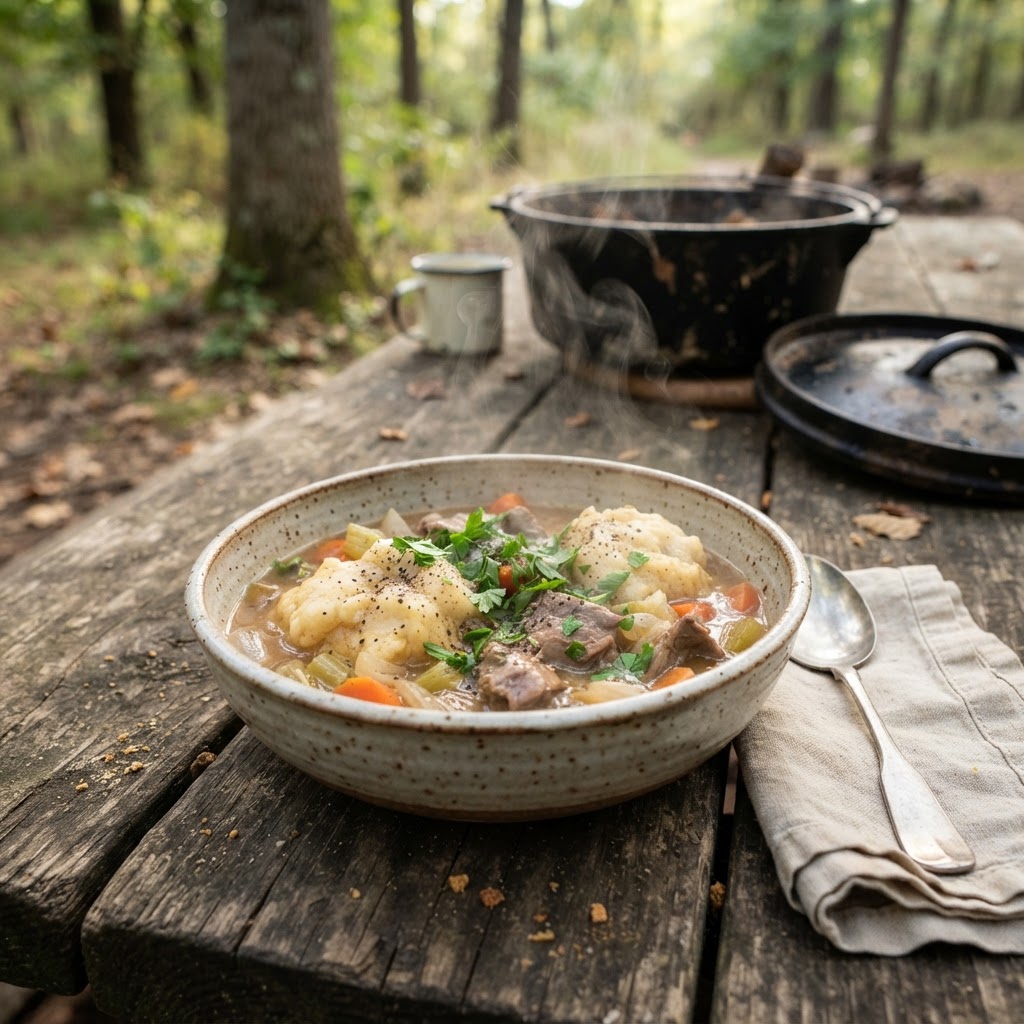
Embrace the Flavor of the Wild: Squirrel & Dumplings
For many hunters, the thrill of the chase is only half the reward. The other, arguably more delicious, half comes from transforming that hard-won harvest into a satisfying meal. Squirrel, often overlooked by some, is a fantastic source of lean protein that, when prepared correctly, can rival any domestic poultry. Its slightly gamy, nutty flavor is a true taste of the wild, and there’s no better way to showcase it than in a classic pot of squirrel and dumplings.
This recipe is designed to be approachable, even for those new to cooking wild game. We’ll guide you through handling your squirrel, preparing a rich, flavorful stew, and topping it off with light, fluffy dumplings that soak up all that delicious broth. Get ready to impress your family and friends with a hearty dish that celebrates the bounty of your hunt.
Understanding Your Quarry: Squirrel
Squirrels are abundant throughout much of North America, making them an accessible game animal for hunters. There are several species, including the Eastern Gray Squirrel, Fox Squirrel, and Red Squirrel, each offering a slightly different flavor profile. Generally, squirrel meat is lean and can become tough if overcooked. The older the animal, the tougher the meat, so younger squirrels are often preferred for quicker cooking methods. However, this recipe’s slow simmer is forgiving and tenderizes even slightly older squirrels beautifully.
Preparing Your Squirrel for the Pot
Proper cleaning and preparation are key to ensuring the best flavor from your squirrel. Once harvested, it’s important to field dress the animal promptly. Carefully skin the squirrel, removing all the hide. Then, gut the animal, removing the internal organs. Rinse the cavity thoroughly with cool, clean water and pat it dry. Some hunters prefer to remove the scent glands located near the tail and armpits, which can impart a strong flavor. If you’re new to this, a quick YouTube search on "how to skin and dress a squirrel" will provide visual guides. For this recipe, you’ll typically want to cut the squirrel into serving-sized pieces (legs, backstraps, etc.). If you’ve frozen your squirrel meat, ensure it’s fully thawed before you begin cooking.
Ingredients for a Hearty Squirrel & Dumplings
- 2-3 squirrels, dressed and cut into serving-sized pieces
- 2 tablespoons olive oil or bacon fat
- 1 large onion, chopped
- 2 carrots, peeled and chopped
- 2 celery stalks, chopped
- 2 cloves garlic, minced
- 6 cups chicken or vegetable broth
- 1 teaspoon dried thyme
- 1 teaspoon dried rosemary
- 1 bay leaf
- Salt and freshly ground black pepper to taste
- 1/4 cup all-purpose flour (for dredging, optional)
- 1/2 cup milk or buttermilk
- 1 1/2 cups all-purpose flour (for dumplings)
- 2 teaspoons baking powder
- 1/2 teaspoon salt
- 2 tablespoons cold butter, cut into small pieces
- 1/4 cup milk or buttermilk (for dumplings)
Step-by-Step Guide to Perfect Squirrel & Dumplings
### Step 1: Prepare the Squirrel
E-Tag States

Harvest Tags
E-check means you supply the tag. Printed with the exact fields your state requires.
3-pack $19.95
If desired, lightly dredge the squirrel pieces in 1/4 cup of flour seasoned with salt and pepper. This helps to brown the meat and thicken the stew slightly. Heat the olive oil or bacon fat in a large Dutch oven or heavy-bottomed pot over medium-high heat.
### Step 2: Brown the Squirrel
Sear the squirrel pieces on all sides until golden brown. This step is crucial for developing deep flavor. Don't overcrowd the pot; brown the meat in batches if necessary. Remove the browned squirrel pieces and set them aside.
Raise a safe, confident young hunter.
Guide your kids ages 5–17 through interactive hunting safety missions, real decision drills, and earned trophies — all from one free parent account.




### Step 3: Sauté the Aromatics
Add the chopped onion, carrots, and celery to the pot. Cook, stirring occasionally, until the vegetables begin to soften, about 5-7 minutes. Add the minced garlic and cook for another minute until fragrant.
### Step 4: Simmer the Stew
Return the browned squirrel pieces to the pot. Pour in the chicken or vegetable broth. Add the thyme, rosemary, and bay leaf. Bring the mixture to a boil, then reduce the heat to low, cover, and simmer gently for at least 1.5 to 2 hours, or until the squirrel meat is very tender and easily pulls away from the bone. Stir occasionally.
### Step 5: Prepare the Dumplings
About 20-30 minutes before the stew is done, prepare the dumpling dough. In a medium bowl, whisk together 1 1/2 cups flour, baking powder, and 1/2 teaspoon salt. Cut in the cold butter using a pastry blender or your fingertips until the mixture resembles coarse crumbs. Gradually add the 1/4 cup milk or buttermilk, stirring until just combined to form a soft dough. Do not overmix.
### Step 6: Cook the Dumplings
Remove the bay leaf from the stew. Taste and adjust seasoning with salt and pepper. Increase the heat slightly to bring the stew to a gentle simmer. Drop spoonfuls of the dumpling dough directly onto the surface of the simmering stew. Cover the pot tightly and cook for 15-20 minutes without lifting the lid. The dumplings will steam and become light and fluffy.
### Step 7: Serve
Once the dumplings are cooked through, carefully ladle the squirrel and dumplings into bowls. Serve hot and enjoy your delicious, home-cooked wild game meal!
Chef Tips for Wild Game Success
Cooking lean wild game like squirrel requires a slightly different approach than cooking fattier domestic meats. Here are a few tips from the Buckeye Hunter Hub pros to ensure your wild game is always tender and delicious:
Handling Wild Game
As mentioned earlier, prompt field dressing and proper cleaning are essential. Remove as much of the membrane and any visible fat as possible, as this can carry gamey flavors. If you notice any strong odors or discoloration, it’s best to discard that portion. Always cook wild game thoroughly to safe internal temperatures, especially if you are unsure of its age or condition.
Temperature is Key
Wild game is lean, meaning it has less intramuscular fat. This makes it more susceptible to drying out. When cooking, especially for recipes like this where you want tender meat, low and slow cooking is your friend. Braising, stewing, or slow-cooking allows the connective tissues to break down, resulting in tender, moist meat. For recipes where you might be grilling or pan-searing, a meat thermometer is invaluable. Aim for an internal temperature of 160-165°F (71-74°C) for most wild game birds and small mammals. While some may prefer higher temperatures for poultry, keeping wild game on the lower end of the safe spectrum helps retain moisture. For squirrel, ensuring it reaches 165°F is crucial.
Don't Overcook!
The biggest mistake home cooks make with lean wild game is overcooking it. This is especially true for cuts like squirrel backstraps or tenderloins that can cook very quickly. For stewing and braising, as in this recipe, the long simmer time is designed to tenderize, not dry out, the meat. However, when it comes to the dumplings, you want them to be fluffy and cooked through, but don't let them sit in the stew for too long after they are done, as they can become mushy. Always trust your senses – a quick check of a dumpling after 15 minutes should reveal a cooked-through interior.
This squirrel and dumplings recipe is a testament to the incredible flavors that wild game can offer. It’s a comforting, satisfying dish that honors the hunt and brings families together around the table. Enjoy crafting this classic, and happy hunting from Buckeye Hunter Hub!
Free hunting map, zones & 50-state resources
Save your spots, share zones with your group, and get deer & waterfowl movement forecasts — free.
Join 222 hunters and anglers on Buckeye Hunter Hub — free.
Latest from the Community





Everything you need to hunt smarter — free
Buckeye Hunter Hub is a free, nationwide platform. Create an account and unlock the full toolkit:
Free Interactive Hunting Map
Mark stands, cameras, and sign. Draw hunting zones with public land & county overlays across all 50 states.
Zones with Group Sharing
Share zones with your hunting group, split property into sections, assign stands, and check in — all in one place.
50 States of Hunting Resources
Season dates, license links, and DNR regulations for every state, kept current so you never miss an opener.
Deer Movement Forecast
Data-driven daily movement predictions using wind, moon, and pressure — know when to sit before you go.
Waterfowl Movement & Tools
Flight-potential forecasts, migration numbers, decoy spread planner, and a full species field guide.
From the Maker Bench

Taggart Outdoors
Padded Rifle Sling
Hand-built in the USA · $134.99
Shop the MakerShop This

StopBox Pro Ward | Wall-Mounted
$179.00$199.99

StopBox Pro Compact
$159.00$179.99

Streamline Supper Trout Heritage Tee
$23.41

Buckeye Hunter Hub Tee — Map It. Hunt It.
$23.41
E-Tag States
Harvest Tags
E-check means you supply the tag. Printed with the exact fields your state requires.
3-pack $19.95
More Articles
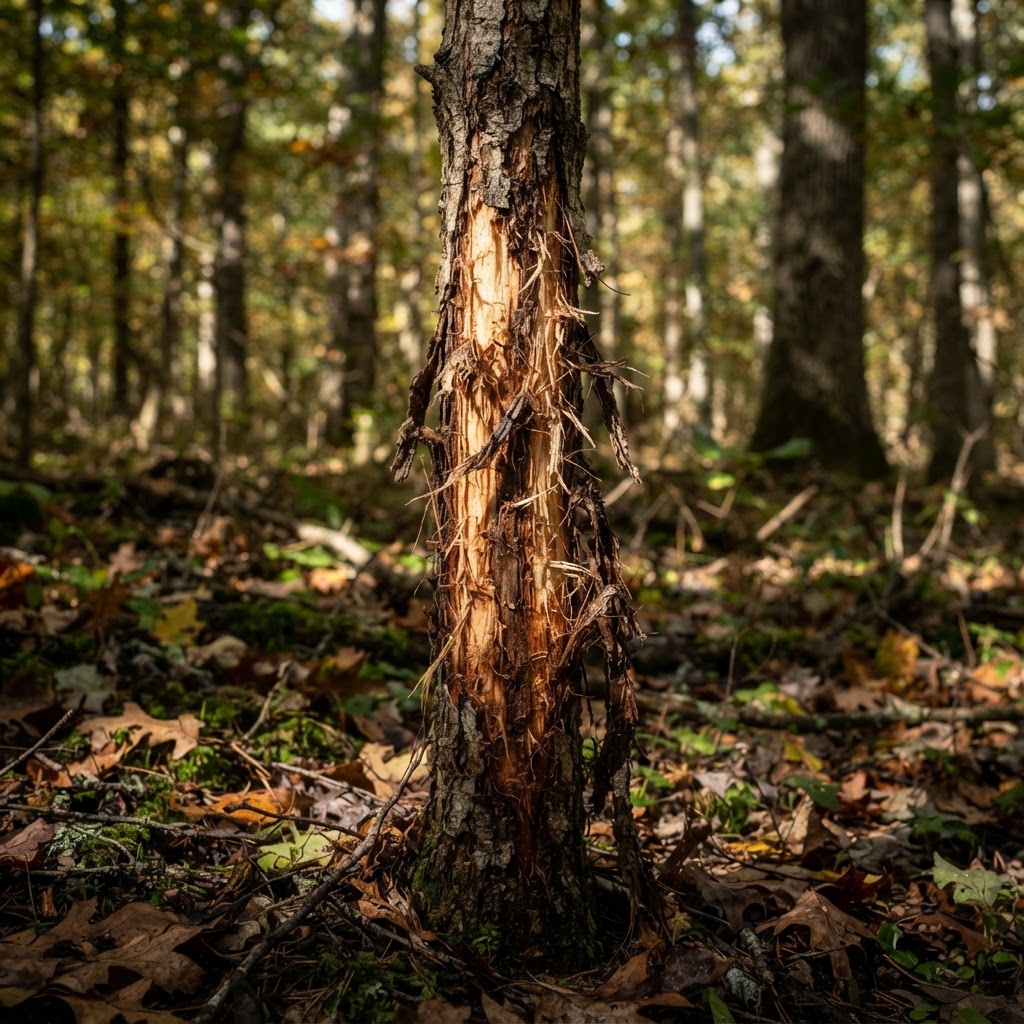
Decoding the Woods: A Tactical Field Guide to Interpreting Deer Behaviors
Move beyond basic scouting by learning to read the subtle story written in the dirt and timber, turning every rub, scrape, and bed into a strategic advantage.

Review: StopBox Pro/Compact BOGO Deal
Is the StopBox Pro/Compact BOGO worth your money? We break down the build, value, and practicality of this dual-unit defensive storage solution.
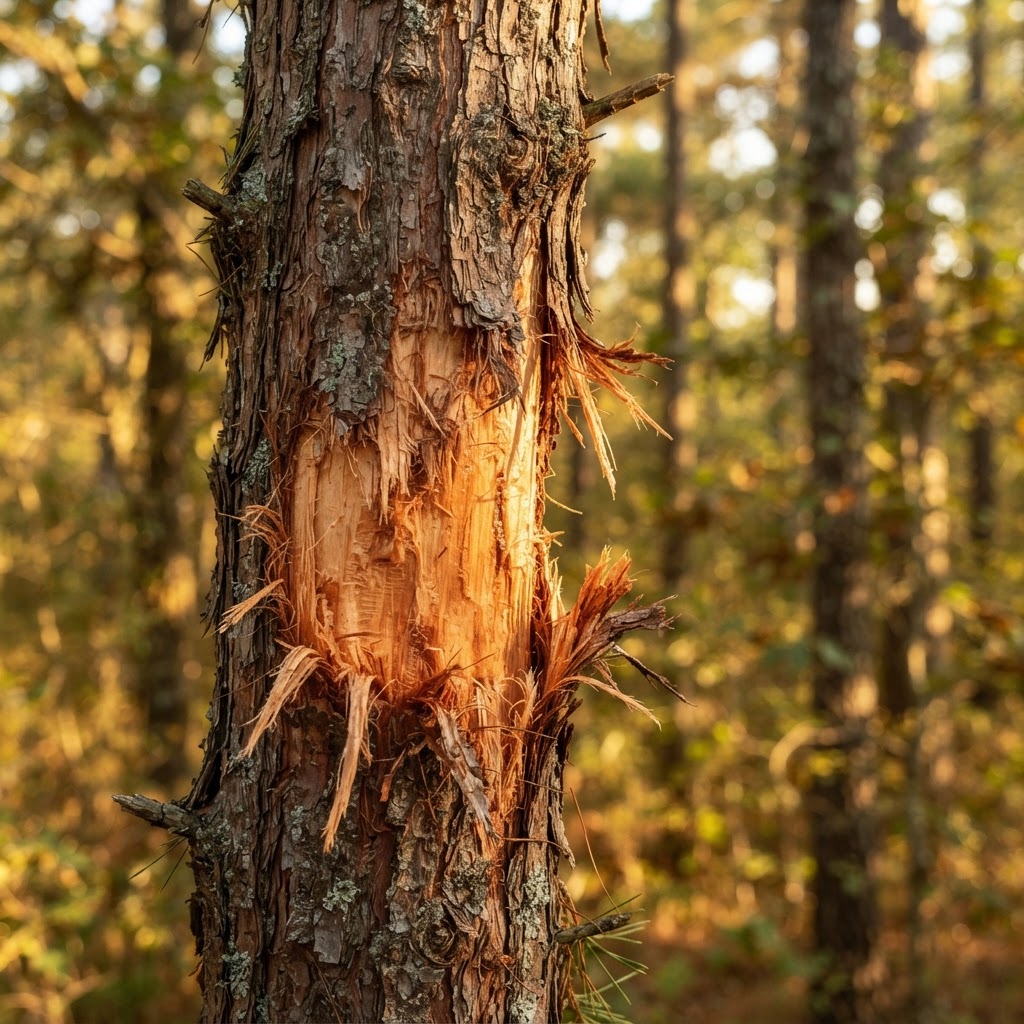
Mapping the Morning: A Practical Guide to Interpreting Whitetail Sign
Mastering the subtle language of the forest floor is the difference between a long sit and a successful harvest. Learn how to translate rubs, scrapes, and beds into a predictable movement strategy for your next hunt.
Timberland Marksmanship: A Comprehensive Guide to Squirrel Hunting
Often overlooked as a beginner's game, squirrel hunting remains the most effective training ground for lifelong woodsmanship and marksmanship. Learn how to master the canopy and fill your freezer with this foundational pursuit.