Deciphering the Woods: How to Read Deer Sign Like a Pro
Introduction to Sign Reading
For many hunters, the forest looks like an indistinguishable blur of trees and brush. However, for the seasoned woodsman, the timber is a complex, high-definition map written in sign. Understanding how to interpret the activity of a whitetail—through rubs, scrapes, and bedding areas—is the bridge between aimless wandering and clinical harvest success. At Buckeye Hunter Hub, we believe that woodsmanship is a skill refined in the field, and reading sign is its cornerstone.
Free hunting map, zones & 50-state resources
Save your spots, share zones with your group, and get deer & waterfowl movement forecasts — free.
Rubs: The Calling Cards of a Mature Buck
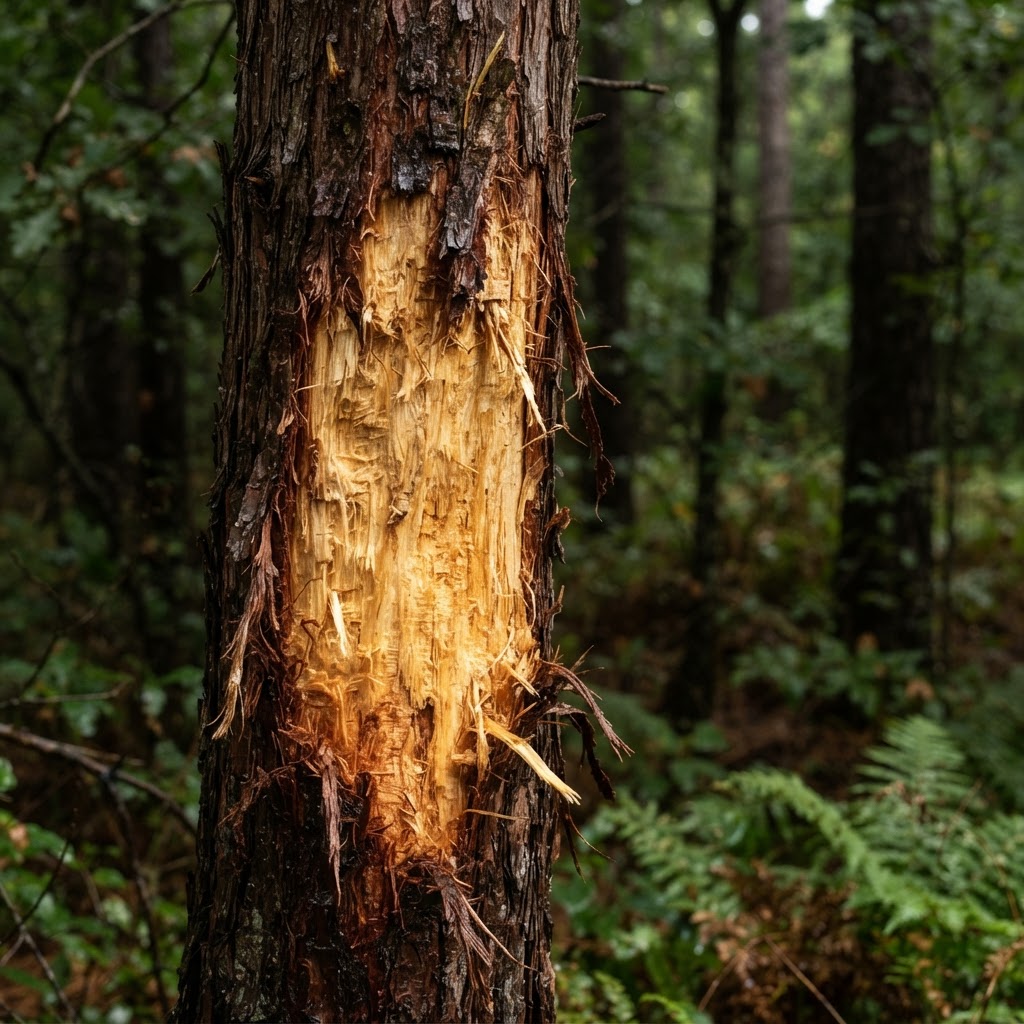
A rub occurs when a buck uses his antlers to strip the bark off a sapling or small tree. While many hunters get excited at the sight of a shredded tree, not all rubs are created equal. A small, sporadic rub might indicate a younger buck clearing his antlers or displaying dominance to smaller rivals, but a 'big buck' rub is a different story.
Look for rubs on larger diameter trees, often situated along travel corridors or on the periphery of known bedding areas. A fresh, exposed wood color indicates recent activity, whereas a dull, graying rub suggests it happened days or weeks ago. When you find a line of rubs—a 'rub line'—you have found a travel path. This is a prime location to utilize our to cross-reference the topography and see if this corridor aligns with natural funnels like creek crossings or ridges.
Scrapes: The Social Hub of the Rut
Scrapes are the social centers of the whitetail world. A buck clears the leaves down to the dirt (the scrape) and then reaches up to lick and rub his scent glands on an overhanging branch (the licking branch). Scrapes represent an interactive communication network, and they are incredibly valuable during the pre-rut and early rut phases.
To hunt a scrape effectively, focus on the 'community scrape'—a location visited by multiple deer. You will often find these in field edges or at the convergence of two major trails. If you find a massive, active scrape, do not hunt directly over it; mature bucks will often circle downwind to scent-check the area before stepping into the open. Position your stand 20-30 yards downwind, keeping a close eye on to understand why bucks prioritize these specific locations as the daylight hours shorten.
Bedding Areas: The Key to Low-Pressure Hunting
Washington · E-Tag State

Washington Harvest Tags
E-check means you supply the tag. Printed with the exact fields Washington requires.
3-pack $22.95
If rubs and scrapes are the highway system, bedding areas are the home base. Bedding is where deer feel safe, often utilizing thick cover, thermal protection, or elevated vantage points to avoid predators. Because mature bucks are masters of security, finding their bed is the ultimate tactical advantage.
When scouting, look for depressions in the leaves or grass, often oval-shaped and sized for a single animal. The most important rule of bedding is pressure control: never walk directly into a suspected bedding zone. Instead, scout from the edges using binoculars. If you find a core bedding area, treat it like a sanctuary. Often, the best strategy is to set up on a transition trail leading between that bed and a primary food source. If you are struggling to predict when the deer might leave these beds, check our for insight into how weather patterns dictate their activity timing.
Putting it All Together
Raise a safe, confident young hunter.
Guide your kids ages 5–17 through interactive hunting safety missions, real decision drills, and earned trophies — all from one free parent account.
Bonus: every $10 you spend in the BHH shop earns a free seat (up to 5). Use them or share them.



Reading sign is about synthesis. A rub tells you a buck is in the area; a scrape tells you he is looking for a mate; a bed tells you where he feels secure. By identifying these three elements, you can build a comprehensive picture of the local population. Always remember to check to ensure your scouting methods comply with regional regulations, especially regarding tree stand placement and baiting restrictions.
Finally, don't forget that sign changes with the seasons. A scrape that was active in October may be silent by late December. Maintain your observational skills throughout the year, documenting what you see on our to keep your tactical edge sharp. Success in the woods isn't just about luck; it is about reading the story the landscape is trying to tell you.
Join 846 hunters and anglers on Buckeye Hunter Hub — free.
Latest from the Community


Everything you need to hunt smarter — free
Buckeye Hunter Hub is a free, nationwide platform. Create an account and unlock the full toolkit:
Free Interactive Hunting Map
Mark stands, cameras, and sign. Draw hunting zones with public land & county overlays across all 50 states.
Zones with Group Sharing
Share zones with your hunting group, split property into sections, assign stands, and check in — all in one place.
50 States of Hunting Resources
Season dates, license links, and DNR regulations for every state, kept current so you never miss an opener.
Deer Movement Forecast
Data-driven daily movement predictions using wind, moon, and pressure — know when to sit before you go.
Waterfowl Movement & Tools
Flight-potential forecasts, migration numbers, decoy spread planner, and a full species field guide.
From the Maker Bench

SE Ohio Outdoors
Euro Mount Hook
Hand-built in the USA · $8.00
Shop the MakerFriend of BHH
Thinking about selling a rifle or an old family shotgun? Check up-to-date market pricing by make and model before you sell.
webuyguns.comShop This

StopBox Pro Ward | Wall-Mounted
$179.00$199.99

StopBox Pro Compact
$159.00$179.99

BHH Speckle Camo Hoodie
$53.36

BHH Blackwood Camo Hoodie
$53.36
Washington · E-Tag State
Washington Harvest Tags
E-check means you supply the tag. Printed with the exact fields Washington requires.
3-pack $22.95
More Articles
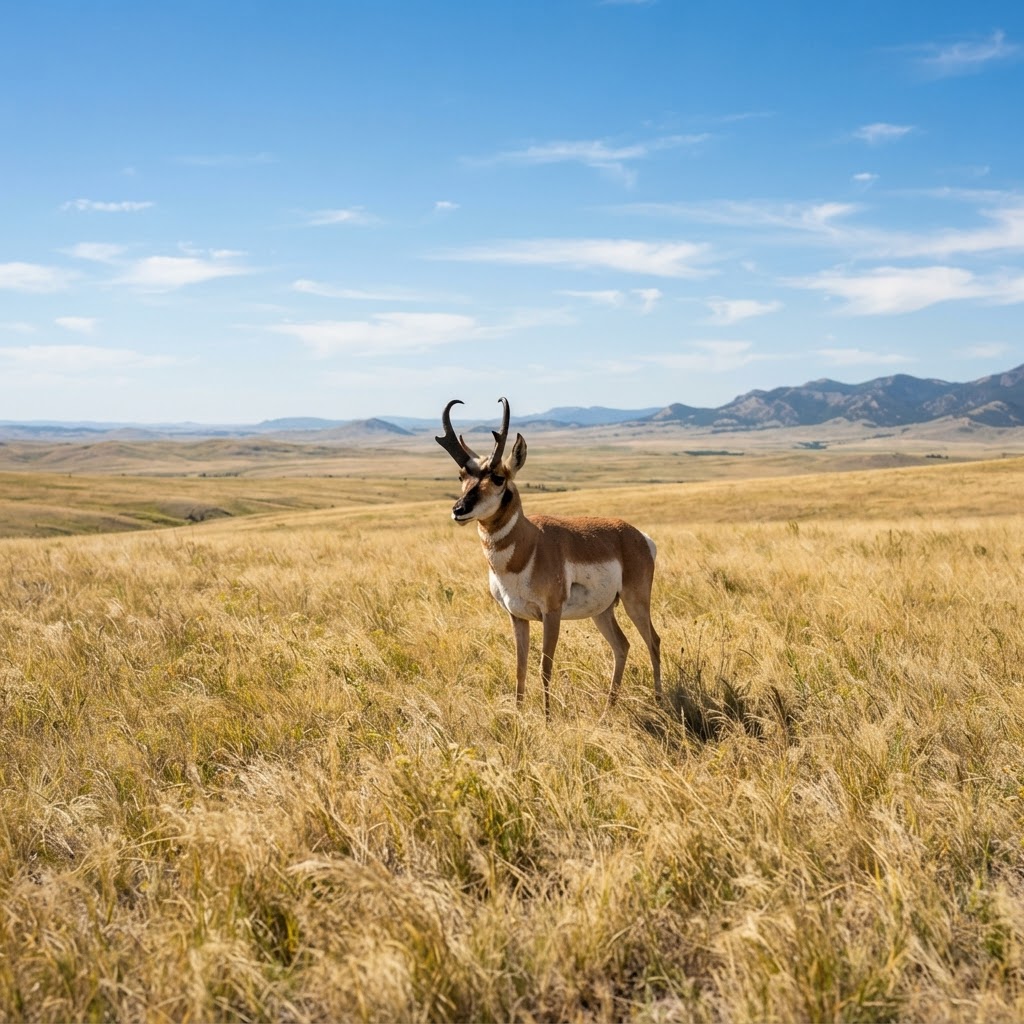
Speed and Strategy: Pursuing the American Pronghorn
Often called the speedsters of the plains, pronghorn antelope offer one of the most exciting and challenging hunts in North America. Master the terrain and tactics required to close the gap on these elusive prairie icons.
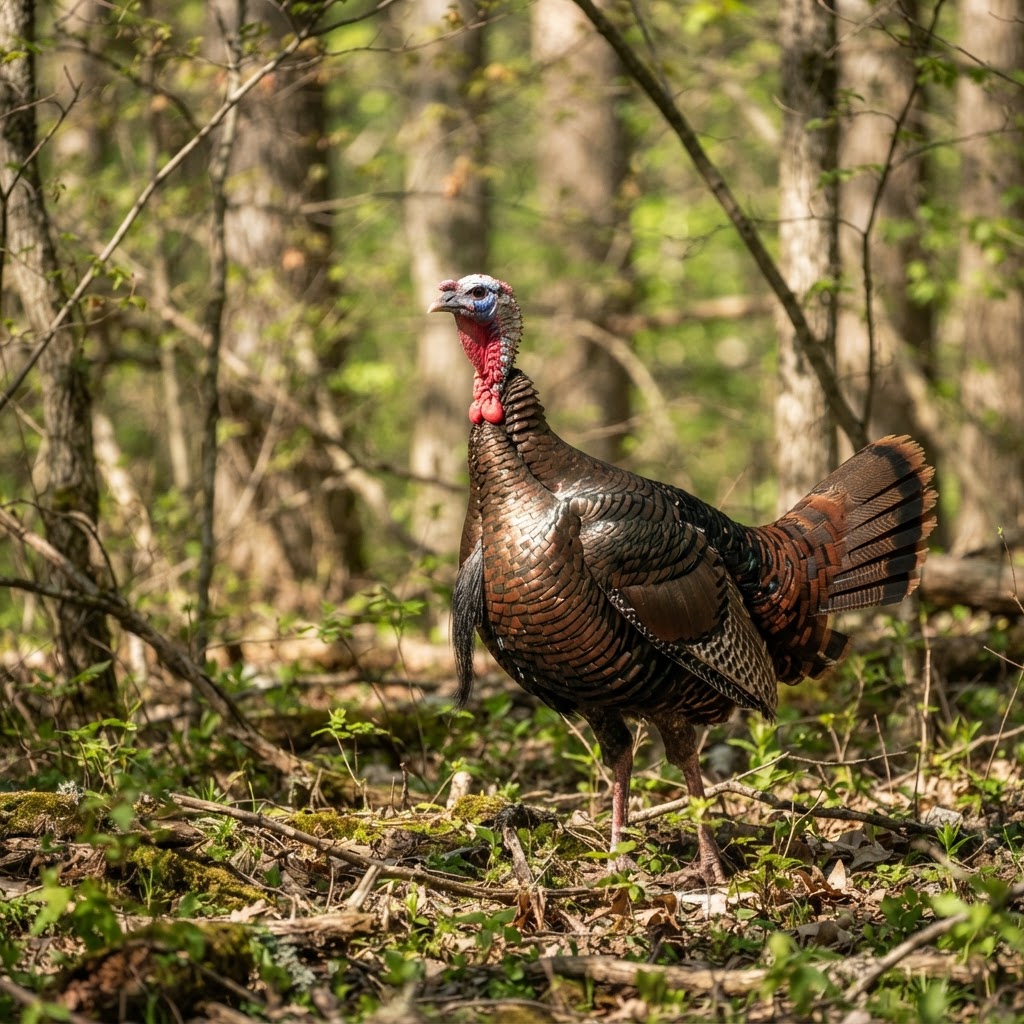
Spring Gobbler Tactics: Mastering the Art of the Wild Turkey Hunt
Unlocking the secrets of the elusive Eastern, Rio Grande, Merriam’s, and Osceola turkeys requires more than just a call; it demands a deep understanding of avian behavior and terrain. From roosting strategies to the nuances of decoys, we break down how to punch your tag this spring.
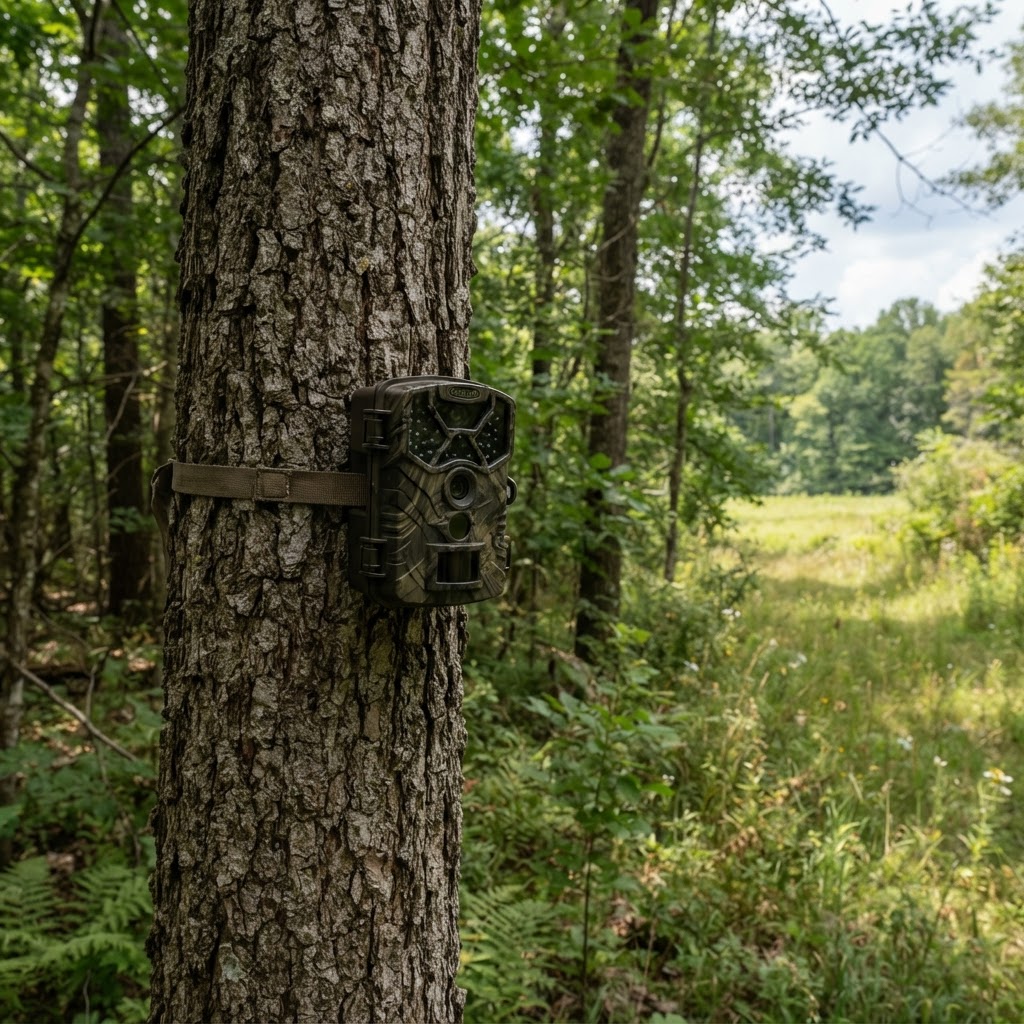
Uncovering Deer Habits: How AI Camera Tagging Changes Your Scouting Game
Stop spending hours scrolling through thousands of empty trail camera frames and let artificial intelligence pinpoint the bucks and does roaming your property.
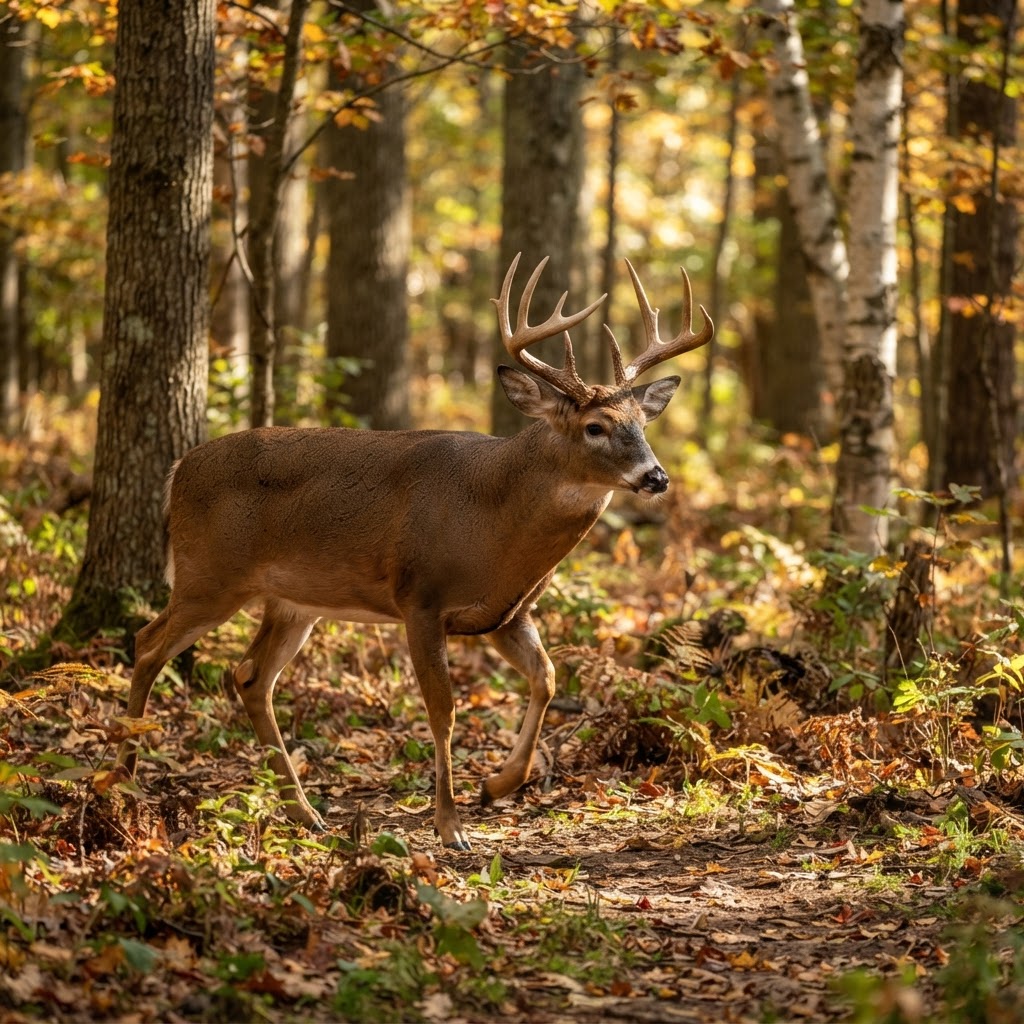
From Thousands of Frames to Targeted Intel: Mastering AI-Driven Camera Review
Tired of wasting hours scrolling through empty trail camera shots? Learn how AI-powered filtering transforms your raw camera data into a clear map of deer behavior.