
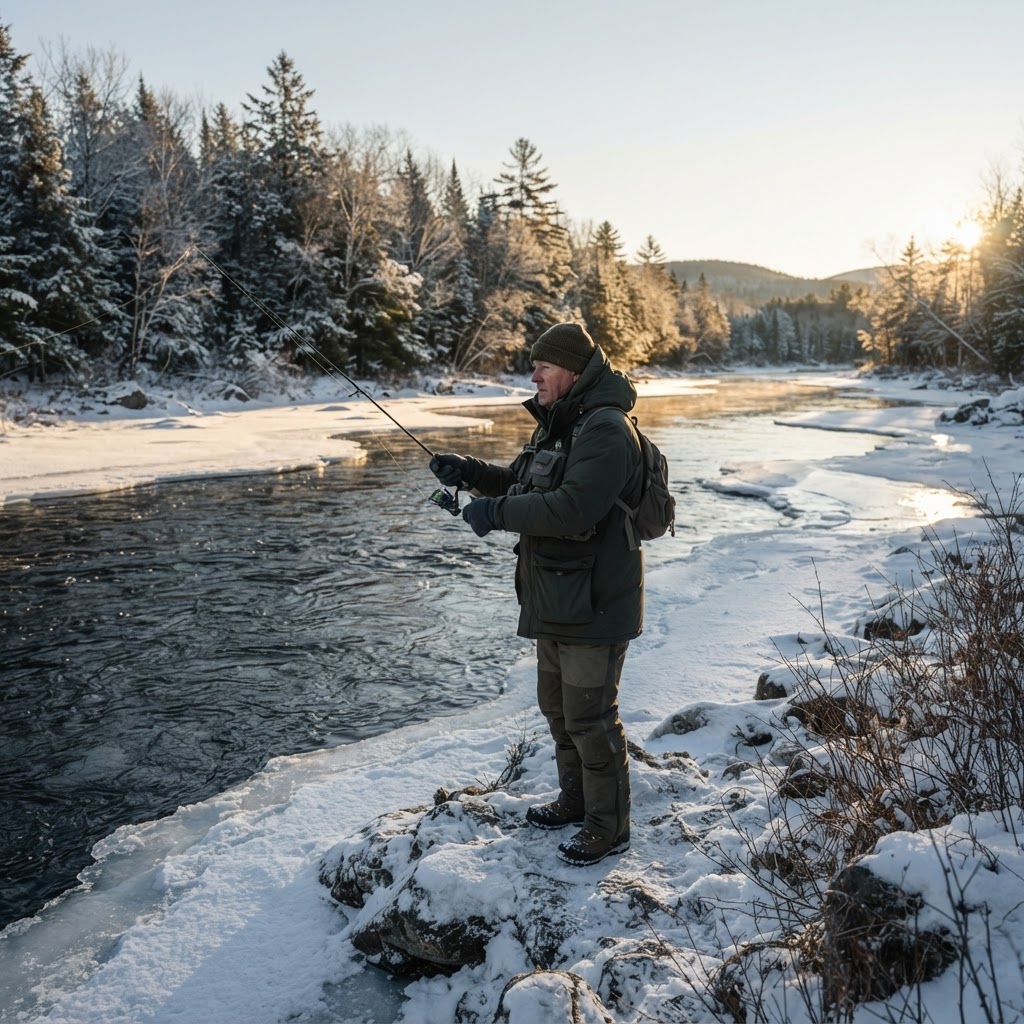
Northeast Winter Fishing Regulation Changes 2026: What to Know
Pennsylvania Trout Size and Season Updates
Pennsylvania anglers must prepare for a major shift in trout regulations as the calendar turns to 2027. While the current extended trout season allows for a three-fish daily limit with a 7-inch minimum size, this rule changes on January 1, 2027. Starting New Year's Day, the minimum size for keeping a trout in designated stocked trout waters rises to 9 inches. This is the first adjustment to this minimum since 1983. If you are fishing on December 31, a 7-inch fish is legal; however, that same fish becomes illegal to harvest the following morning. The extended season remains open until 12:01 a.m. on February 15, 2027, at which point all stocked trout waters close until the spring opening day. For those targeting steelhead in Lake Erie tributaries, remember that you need both a standard fishing license and a specific Lake Erie permit. You can find more details on these transitions in the to ensure you remain compliant throughout the winter months.
Get in the Community feed
Hunters and anglers nationwide posting bucks, catches, trail cam pics and what's working right now.


When targeting steelhead in the tributaries, experienced anglers often emphasize the importance of checking water levels before making the drive. High water can make the streams difficult to fish, while low, clear water requires lighter fluorocarbon leaders to avoid spooking the fish. Always carry your permit on your person, as wardens frequently check for both the standard license and the Lake Erie permit during the winter months. If you plan to keep fish, ensure you have a reliable measuring board to confirm the new 9-inch minimum.
Massachusetts Trout and Saltwater Rule Shifts
Massachusetts has implemented significant changes to its freshwater trout rules as of late 2026. The daily bag limit for trout has increased to six fish, up from the previous limit of three. Within this six-fish limit, you may keep no more than three brook, brown, or tiger trout. A notable change for those who enjoy extended sessions is that you are now permitted to continue fishing catch-and-release even after you have reached your daily harvest limit. In saltwater, the tautog season remains open through December 31. Be aware that cod fishing is currently closed, and since November 15, the waters north of Boston Harbor have been closed to the use of cod gear. If you are planning to target specific species, checking the can help you identify the current legal status and gear requirements for your target catch.
For those targeting trout in the winter, remember that the new six-fish limit requires careful tracking if you are keeping a mix of species. Since you are limited to three brook, brown, or tiger trout, it is helpful to keep a small log or use a counter to ensure you do not accidentally exceed the sub-limit. When fishing the reservoirs, be aware that the Department of Conservation and Recreation may have specific access rules that differ from general state regulations, so always check local signage before heading out.

Youth Hunter Academy
Raise a safe, confident young hunter.
Safety missions for ages 5–17. Free parent account.
Rhode Island Freshwater and Marine Adjustments
Rhode Island has introduced several new freshwater rules this winter to protect local ecosystems. Most importantly, it is now illegal to tip leftover bait into any pond or lake. If you use minnow traps on public land or water, they must be clearly marked with your customer or equipment ID number. Regarding trout, the daily limit drops from five fish to two on December 1, and this limit remains in effect through the end of February. In the marine environment, the black sea bass minimum size for private and shore anglers is now 16 inches. Striped bass measurement protocols have also been updated; you must now measure the fish using a straight line from the snout to the tip of the pinched tail. Rhode Island's saltwater season for black sea bass, summer flounder, and scup concludes on December 31. For those looking for productive spots, a can assist in locating fall-stocked ponds like Olney Pond at Lincoln Woods, which often provide consistent action through the winter.
When using minnow traps, ensure your ID number is written in permanent, waterproof ink on a durable tag attached to the trap. If you are fishing for striped bass, the pinched-tail measurement rule is strictly enforced, so use a flat measuring board rather than a flexible tape to get an accurate reading. For those targeting black sea bass, remember that the 16-inch minimum is a significant threshold, and it is best to use circle hooks to minimize deep hooking if you need to release undersized fish.
Connecticut Winter Fishing and Salmon Rules
Connecticut is currently in its first full winter under the inland regulations that were established at the start of 2026. These rules include a 9-inch minimum size for trout and the designation of three additional Trout Parks where the limit is two fish per day. If you are targeting bass, note that catch-and-release is in effect all year on the upper Housatonic River. For salmon enthusiasts, the harvest of one broodstock Atlantic salmon per day is permitted starting December 16 on the Naugatuck, Shetucket, and Housatonic rivers, provided you use a fly or a single-hook lure. Saltwater anglers should note that the season for black sea bass for private anglers closed on November 25, though party and charter boats may continue to target them until December 31. Tautog season in Connecticut closed on November 28. Always consult the or your local tackle shop to ensure your terminal gear meets the specific requirements for these winter fisheries.
Salmon fishing on the Naugatuck, Shetucket, and Housatonic rivers requires specialized gear. Experienced anglers suggest using a stiff fly rod or a sensitive spinning setup to detect subtle strikes in cold water. Because you are restricted to single-hook lures, ensure your hooks are barbless to facilitate quick releases. If you are fishing the Trout Management Areas, remember that these waters are strictly catch-and-release, and you should avoid handling the fish with dry hands to protect their protective slime layer during the cold winter months.
New Jersey Freshwater and Coastal Regulations
New Jersey's freshwater rules, which took effect earlier in 2026, have fundamentally changed winter trout fishing. The daily trout limit is now two fish, a reduction from the four allowed in previous years. A positive change for winter anglers is that trout-stocked lakes and ponds no longer close before the spring opening day, allowing for year-round access. In the saltwater sector, tautog regulations shifted on November 16 to a five-fish daily limit. As of December 31, striped bass may only be harvested in the ocean within three miles of the shoreline until March 1. When measuring striped bass, New Jersey now requires the mouth to be closed and the fork of the tail to be squeezed together. Because regulations can be complex, keeping a and your license visible while fishing is essential for compliance in New Jersey waters.
When fishing for striped bass in the ocean, keep in mind that the three-mile limit is strictly enforced by marine patrols. If you are unsure of your distance from shore, use a GPS or a reliable mapping app to stay within legal waters. For those measuring fish, the requirement to squeeze the tail fork is critical for compliance. Always keep your license in a waterproof holder attached to your outer layer, as you are legally required to display it where it can be clearly seen by enforcement officers.
Navigating Regional License Expirations
Winter is a critical time for license management in the Northeast, as many states operate on a calendar-year cycle. In Maine, Massachusetts, and Connecticut, fishing licenses expire at midnight on December 31. If you plan to fish on New Year's Day, you must have your 2027 license purchased and ready. Pennsylvania licenses for 2027 go on sale December 1 and are valid from the moment of purchase. Rhode Island's freshwater license and trout stamp remain valid through the end of February, providing a longer window for winter anglers. Always verify your specific state's expiration date, as fishing with an expired license is a common oversight during the transition between years. For those traveling across state lines, the can help you determine which waters are open and worth the trip during the coldest months of the year.
Do not wait until the last minute to renew your licenses, as online systems can experience high traffic on December 31. If you are a resident of Pennsylvania, remember that your 2027 license is available starting December 1 and is valid immediately, which is useful if you want to get a head start on winter fishing. For those traveling between states, keep a physical copy of your licenses in your vehicle, as cellular service can be unreliable in remote areas where you might be fishing.
Winter Safety and Gear Maintenance
Winter fishing presents unique hazards, particularly regarding ice formation and cold water immersion. If you are fishing from a boat, always wear a life jacket, as the risk of hypothermia is extreme if you fall in. Check your rod guides frequently for ice buildup, which can fray your line and lead to lost fish. Using a silicone-based line lubricant can help prevent freezing in the guides. Always inform someone of your planned location and expected return time before heading out to remote waters.
Common questions
When does the new 9-inch trout minimum start in Pennsylvania?
The new 9-inch minimum size limit for trout in Pennsylvania takes effect on January 1, 2027. Until that date, the 7-inch minimum remains in place for the extended trout season.
Can I still keep trout in Massachusetts this winter?
Yes, you can keep up to six trout per day in Massachusetts. However, no more than three of those fish can be brook, brown, or tiger trout.
What are the new bait rules for Rhode Island freshwater fishing?
It is now illegal to release leftover live bait into any pond or lake in Rhode Island. Additionally, all minnow traps used on public land or water must be marked with your customer or equipment ID number.
Do I need a new fishing license for January 1 in the Northeast?
In states like Maine, Massachusetts, and Connecticut, your fishing license expires at midnight on December 31. You will need to purchase a 2027 license to fish legally on New Year's Day.
Are trout-stocked lakes in New Jersey open all winter?
Yes, under the current freshwater rules, trout-stocked lakes and ponds in New Jersey remain open to fishing year-round. Rivers and streams, however, may still have seasonal closures.
Fishing this season? to save your spots on the fishing map and keep a log of every catch.
Free every morning
Your Daily Briefing
One morning forecast for the spots you actually hunt and fish: deer movement, waterfowl flights, bite times, wind and shooting light.
See what's in itSet up your briefing
Join free, save a spot on the map, then pick what you hunt and fish and when you want your email.
Catch more these fish — free
Create a free account and unlock the full angling toolkit: