
Minnesota Winter Walleye Limits 2026: Upper Red and Mille Lacs
Upper Red Lake Winter Walleye Regulations
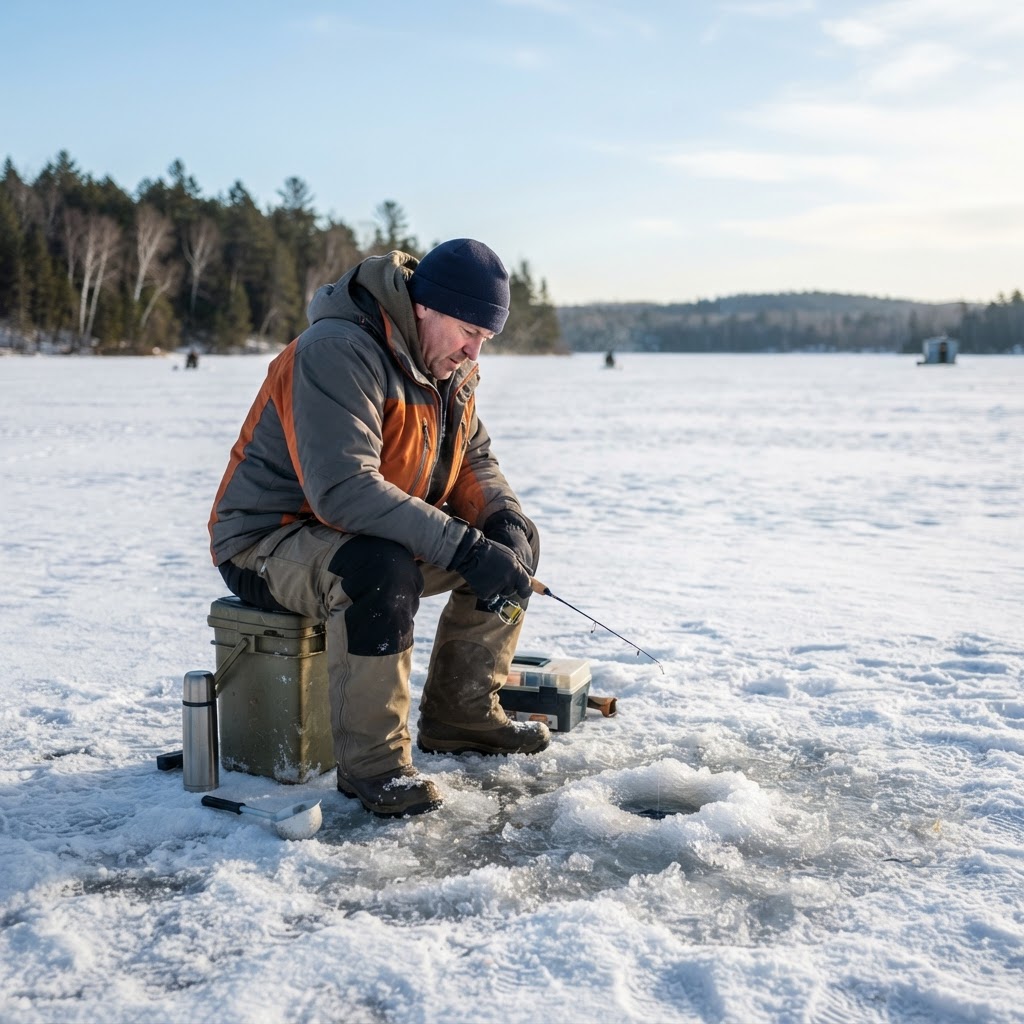
For the 2026-2027 ice fishing season, the Minnesota Department of Natural Resources has set the walleye possession limit for Upper Red Lake at four fish. This regulation took effect on November 15, 2026, and will remain in place through February 28, 2027. Within that four-fish limit, you are permitted to keep only one walleye longer than 17 inches. This marks the fourth consecutive winter that this specific regulation has been in effect to manage the high angling pressure the lake receives during the ice season.
Get in the Community feed
Hunters and anglers nationwide posting bucks, catches, trail cam pics and what's working right now.


The decision to maintain this limit follows a fall gill net assessment that showed a healthy population, with 35.2 walleyes per net. More than half of the fish sampled were in the 13- to 16-inch range, indicating a strong pipeline of harvestable fish. Because winter angling on Upper Red Lake is exceptionally popular, the DNR uses this four-fish limit to ensure the harvest remains within the safe levels established by the joint harvest plan between the state and the Red Lake Nation. If you are planning a trip, you can consult a to identify access points, but always verify current ice conditions with local resorts before heading out.
When measuring your catch on Upper Red Lake, remember that the legal length is determined by the total length of the fish, from the tip of the snout to the tip of the tail with the tail pinched. Because the regulation allows only one fish over 17 inches, you should carry a reliable bump board rather than relying on a flexible tape measure. This ensures you do not accidentally keep a fish that is just a fraction of an inch over the limit.
If you are fishing near the boundary of the Red Lake Indian Reservation, be aware that the state regulations only apply to the waters managed by the Minnesota Department of Natural Resources. The reservation waters are closed to non-band members. You should verify your location using a GPS-enabled map to ensure you remain in state-regulated waters. The DNR recommends staying east of longitude 94 degrees 43 minutes 12 seconds west to avoid crossing into restricted tribal territory while targeting walleye.
Mille Lacs Lake Winter Walleye Regulations
Youth Hunter Academy
Raise a safe, confident young hunter.
Safety missions for ages 5–17. Free parent account.
Regulations for Mille Lacs Lake differ significantly from the statewide inland rules and the specific rules for Upper Red Lake. For the upcoming ice season, the Minnesota DNR has set a two-fish walleye possession limit. This regulation begins on December 1, 2026, and runs through February 28, 2027. Under this rule, both retained fish must be longer than 17 inches, and you may keep only one walleye that exceeds 20 inches in length.
This reduction from last winter’s three-fish limit is a direct response to the DNR’s fall netting survey, which showed a slight decline in the number of adult walleyes compared to 2025. Despite this, the fishery remains healthy, and the survey identified a strong class of two-year-old walleyes that will contribute to the population in coming years. Because Mille Lacs is an intensively managed lake, it is vital to check the official or the specific DNR page for Mille Lacs before you drill your first hole, as these rules are subject to change based on annual harvest data.
Mille Lacs has a strict no-culling policy, which means once you place a walleye in your livewell or on the ice, it counts toward your possession limit and cannot be released to upgrade for a larger fish later. You must decide immediately upon landing the fish whether it meets your criteria and the legal requirements. If you catch a fish that is 17 inches or longer, you must keep it if you have not yet reached your two-fish limit.
The winter season on Mille Lacs also involves specific rules for other species that you might encounter while targeting walleye. For instance, the yellow perch limit is currently 10 fish. Because the DNR manages Mille Lacs as an intensive fishery, these limits can be adjusted throughout the winter based on harvest data. Always check the official Minnesota DNR website or the posted notices at public boat accesses immediately before you head out onto the ice to ensure you have the most current information.
Understanding Statewide vs. Special Regulations
It is a common mistake for anglers to assume the statewide inland walleye limit applies to every body of water in Minnesota. The standard statewide limit is six walleye and sauger combined, with only one walleye allowed over 20 inches. However, major lakes like Upper Red and Mille Lacs operate under special management plans that override this baseline.
If you are fishing smaller inland lakes, you generally follow the statewide rule, but you should always check for posted signs at public accesses. If you are targeting other species, you can use to understand the specific size and possession limits for those fish, as they often differ from walleye regulations. For those who want to refine their approach, keeping a of what is working on specific lakes can help you maximize your time on the ice.
When you travel between different lakes, do not assume that the same gear or bait will be legal everywhere. While the statewide inland limit is six walleye and sauger combined, some lakes have specific restrictions on the type of hooks or the use of live bait. Always consult the current Minnesota fishing regulation booklet, which is available as a PDF on the DNR website, to understand the nuances of border-water rules versus inland rules, as these can significantly impact your daily bag and possession limits.
If you are planning to fish on a lake that is not specifically mentioned in the special regulations section, you must default to the statewide baseline. However, even on these smaller lakes, you should look for signs at the public access points. These signs often provide critical information about temporary closures or specific slot limits that may have been implemented to protect a spawning population. If you are ever in doubt about a specific lake, contact the local area fisheries office for clarification.
Tips for Early Ice Success
As you prepare for the season, remember that early ice is a time of transition. Walleyes are often aggressive as they move from fall feeding patterns into winter lethargy. Focus on the edges of structure where the water depth changes rapidly. If you are struggling to find fish, consider using a to switch between vertical jigging and dead-sticking with a live minnow.
Always prioritize safety. The dates provided for these regulations are legal guidelines, but they do not guarantee safe ice. Check the thickness yourself, especially in areas with current or near river mouths. If you are new to a specific lake, connecting with through local forums or bait shops can provide the most up-to-date information on where the bite is happening and which areas have safe, walkable ice.
Early ice fishing requires a different mindset regarding mobility. Since the ice is often thin and inconsistent, you should avoid using heavy vehicles until the ice thickness is well beyond the minimum safety recommendations. Most experienced anglers use a spud bar to test the ice thickness every few steps as they walk out. If you encounter slush or dark spots, avoid those areas entirely, as they indicate weak ice that has not frozen properly due to current or trapped air.
When you are out on the ice, keep your electronics organized and protected from the cold. Batteries drain significantly faster in freezing temperatures, so keep your sonar unit and flasher batteries in an insulated bag or close to a heat source when not in use. Having a clear view of the bottom structure on your sonar is essential for finding the transition zones where walleyes hold. If you are not marking fish, do not hesitate to move your shelter to a new depth.
Essential Gear and Safety Protocols
Beyond your fishing tackle, you should always carry a set of ice picks around your neck and a length of throw rope in your sled. These items are non-negotiable for anyone venturing onto the ice alone. If you fall through, the ice picks provide the necessary grip to pull yourself out of the water. Practice how to use them before you ever need them, and ensure your partners are also equipped with safety gear and know the plan if an emergency occurs.
Finally, keep a log of your trips, including the date, the lake, the weather conditions, and the depth where you found the most success. Over several years, this data becomes more valuable than any lure in your box. It helps you predict where the fish will be during different phases of the winter. While the regulations change annually, the behavior of the fish in relation to the structure and the ice cover remains relatively consistent, allowing you to adapt your strategy each season.
Common questions
What is the walleye limit on Upper Red Lake for winter 2026?
The limit is four walleye, with only one fish allowed to be longer than 17 inches.
When do the winter walleye regulations start on Mille Lacs?
The winter regulations for Mille Lacs Lake begin on December 1, 2026, and remain in effect through February 28, 2027.
Can I keep a 19-inch walleye on Mille Lacs this winter?
Yes, you can keep a 19-inch walleye on Mille Lacs, provided it is part of your two-fish limit and meets the minimum length requirement of 17 inches.
Does the statewide six-fish walleye limit apply to all Minnesota lakes?
No, the statewide limit of six walleye and sauger combined only applies to inland waters that do not have specific special regulations or border-water rules.
Fishing this season? to save your spots on the fishing map and keep a log of every catch.
Free every morning
Your Daily Briefing
One morning forecast for the spots you actually hunt and fish: deer movement, waterfowl flights, bite times, wind and shooting light.
See what's in itSet up your briefing
Join free, save a spot on the map, then pick what you hunt and fish and when you want your email.
Catch more these fish — free
Create a free account and unlock the full angling toolkit: