
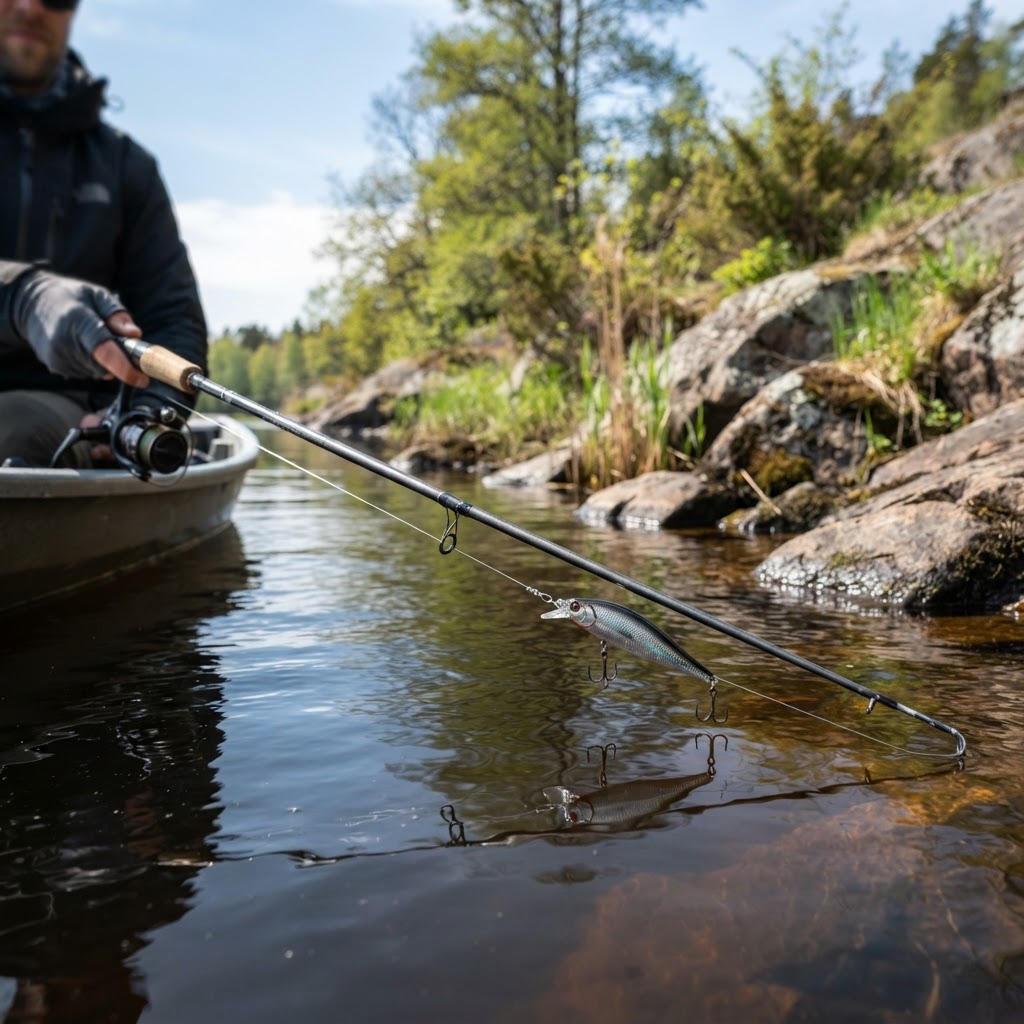
Cracking the Code: Mastering Spring Pre-Spawn Bass Patterns
The Pre-Spawn Transition
Spring is arguably the most anticipated season for any dedicated angler at Buckeye Hunter Hub. As the ice recedes and the days grow longer, the entire ecosystem awakens. For the largemouth bass, this shift is driven by a singular biological imperative: the spawn. However, before they ever lay a single egg in the shallows, bass undergo a predictable migration known as the pre-spawn. Understanding this phase is the key to filling your livewell when the water is still chilly.
Get in the Community feed
Hunters and anglers nationwide posting bucks, catches, trail cam pics and what's working right now.


Following the Thermocline and Temperature
Bass are cold-blooded creatures, meaning their metabolism is directly tied to their environment. As water temperatures climb from the high 40s into the low 60s, bass begin to move from deep, wintering structure toward the spawning flats. This movement is not instantaneous; it happens in waves. You can monitor your local water levels and seasonal trends using to determine exactly when the transition typically kicks off in your specific region.
During the early pre-spawn, focus your efforts on the 'first break'—the point where deep water meets the shallower migration routes. Creek channels act as underwater highways for bass. As the water warms, fish will stage along these channels, waiting for the right environmental triggers to move into the bays and pockets where they will eventually nest. If you are struggling to identify these channels on unfamiliar water, consult a to visualize the bottom contour and find potential staging points.
Patterning Bass Behavior
Raise a safe, confident young hunter.
Guide your kids ages 5–17 through interactive hunting safety missions, real decision drills, and earned trophies — all from one free parent account.




When the water temperature hits 50 to 55 degrees, bass become increasingly aggressive. They are packing on weight for the arduous task of spawning. This is the time to throw moving baits. Square-bill crankbaits, vibrating jigs, and spinnerbaits are staples for covering water effectively. The goal is to cross paths with these migrating schools as they move into the warmer, sun-soaked shallows.
The Importance of Structure
Hard structure is your best friend during this period. Riprap, rock walls, and concrete bridge pilings absorb heat from the sun much faster than mud or sand bottoms. These structures radiate warmth into the surrounding water, creating 'hot zones' that bass gravitate toward. A rise of just two or three degrees in water temperature can turn an inactive school of bass into a feeding frenzy. If you are ever unsure about the latest techniques for fishing these structures, be sure to visit for regular updates and seasonal tips from our pro staff.
Weather Impacts on Pre-Spawn Bass
Spring weather is notoriously fickle. A massive cold front can push bass back into deeper, more stable water, while a few days of warm sunshine can push them right to the bank. When a cold front hits, slow down your presentation. Swap that fast-moving crankbait for a suspending jerkbait or a football jig dragged slowly along the bottom. The bass are still there; they are just less willing to chase. Always check the official National Weather Service reports to predict these barometric shifts, as they have a profound impact on fish activity levels.
Gear and Tactics for Success
When targeting pre-spawn bass, keep your rod locker diverse. While power fishing covers water, there are days when a more subtle approach is required. A shaky head rigged with a soft plastic finesse worm can be lethal when fished slowly along the transitions between the creek channel and the spawning flat.
Another highly effective method is the 'craw pattern' technique. As the water warms, crawfish emerge from their winter burrows. Bass are actively hunting these protein-rich snacks, making orange, red, and brown-colored lures particularly effective during the early spring. Always keep an eye on the water clarity. In muddier water, opt for baits with vibration and contrast; in clearer water, prioritize natural, translucent color schemes that mimic the local forage base.
Final Takeaways
Success in the pre-spawn is all about momentum. Don't waste your time in the back of dead-end coves if the water is still in the low 40s. Follow the fish as they transition. Start at the main lake points, work your way into the secondary points, and eventually move into the pockets as the water temperature dictates.
Remember, this is a transitional period. A spot that was empty in the morning might be loaded with fish by the afternoon after a long, sunny day. Stay mobile, stay observant, and don't be afraid to change your tactics as the conditions shift throughout the day. By paying close attention to temperature, structure, and bait movement, you will find that the pre-spawn is one of the most rewarding times of the year to be on the water. Good luck, and tight lines!
Catch more these fish — free
Create a free account and unlock the full angling toolkit: