
Field Hunting Canada Geese: Spreads, Motion, and Concealment
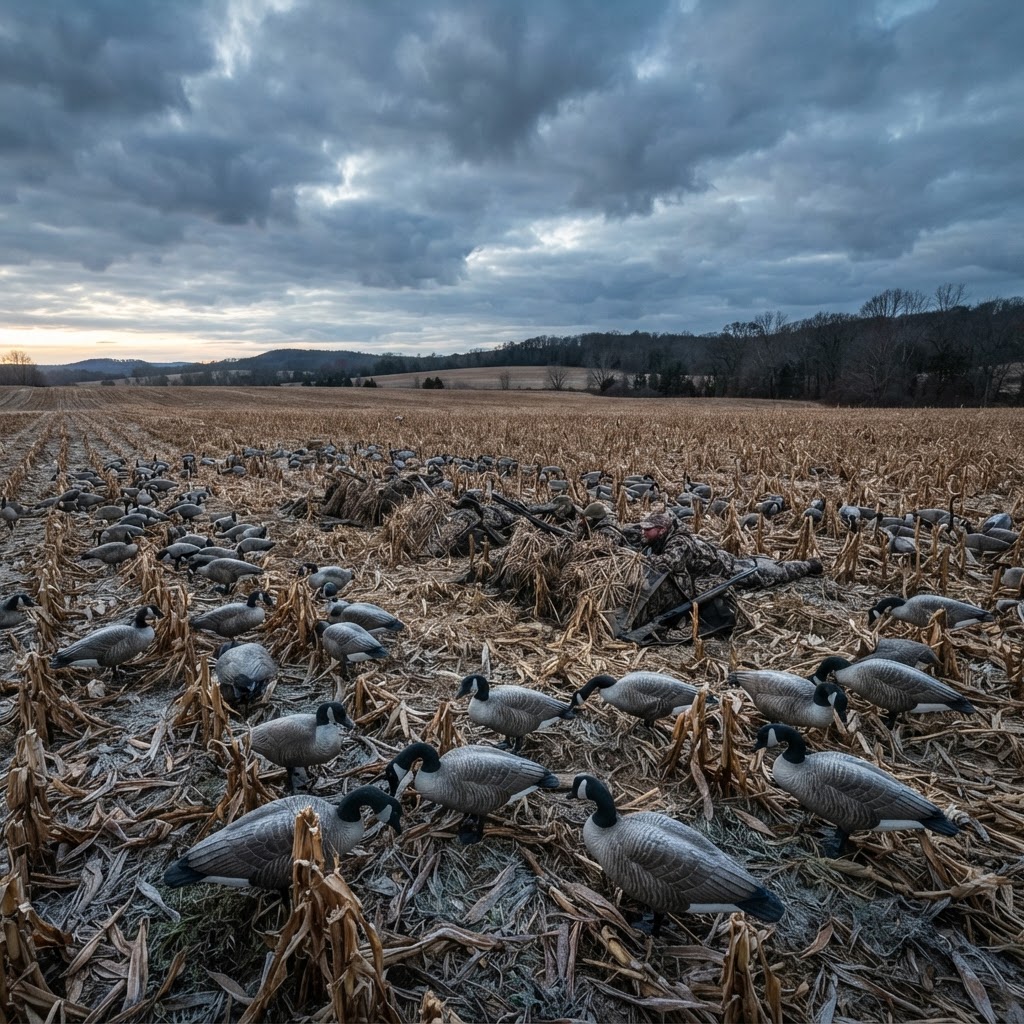
Understanding the Goose Mindset
Success in the field starts long before the sun rises. Canada geese are creatures of habit, but they are also highly reactive to environmental pressures. To consistently put birds over your decoys, you must think like a bird. When a major cold front pushes through the northern reaches of the flyway, bringing falling barometric pressure and a shift in wind, the birds will instinctively feed heavily to fuel their migration. By monitoring data and keeping an eye on the , you can identify the exact windows when birds are most likely to be susceptible to your spread.
Get in the Community feed
Hunters and anglers nationwide posting bucks, catches, trail cam pics and what's working right now.


Raise a safe, confident young hunter.
Guide your kids ages 5–17 through interactive hunting safety missions, real decision drills, and earned trophies — all from one free parent account.




The Weather Connection: Why Wind Wins
Experienced waterfowlers know that dead-calm days are the enemy. Canada geese prefer a 10–20 mph wind. This wind provides them with the lift necessary to take off efficiently and dictates the landing patterns they will follow. When the wind blows, they approach into it, which allows you to orient your accordingly. If the forecast calls for a hard north wind, position your blinds so that the geese are forced to fly over the "hole" in your spread while looking directly into the wind, slowing their airspeed and keeping their attention off the hunters.
Perfecting Your Decoy Spread
Harvest Tags
E-tagging means you supply the tag. These weatherproof, write-on tags carry the exact fields your state requires — 3-pack $19.95, free shipping.
Shop Harvest TagsFree hunting map, zones & 50-state resources
Save your spots, share zones with your group, and get deer & waterfowl movement forecasts — free.
Quantity matters, but quality and configuration rule the day. In high-pressure areas, giant spreads of 200 decoys can sometimes alert wise, old birds. Instead, focus on the "U" or "V" configuration. Leave a clear landing zone directly in front of the blinds, approximately 20 to 25 yards out. Use a mix of motion decoys—flagging is essential for catching the attention of distant flocks—but don't overdo it. When the birds are within 100 yards, stop flagging. The movement should be natural. If you are unsure which subspecies you are targeting, our can help you differentiate between the smaller migrants and the resident giants found in your specific region.
Concealment: The Final Frontier
Even a perfect spread will fail if the geese spot you before they commit. The biggest mistake hunters make is underestimating the intelligence of a Canada goose. When hunting in cut corn or soybean fields, your layout blind must disappear into the stubble. Use local vegetation from the field to brush up your blinds. If you are hunting a muddy field, use mud-camo netting or local dirt to break up the blind's outline. Always ensure your face and hands are covered, as the flash of skin is the most common "alarm bell" that spooks incoming geese. If you're a new hunter looking to connect with others to learn these tricks, consider joining some local .
Calling and Communication
Calling is an art form that should be used to complement the birds' natural behavior. On a high-pressure day with heavy movement, a loud, aggressive greeting call can turn a flock at a distance. As they approach, soften your calling. Use moans, clucks, and double-clucks to simulate a relaxed, feeding flock. If you see the birds turning away, get aggressive again—that is your final chance to break their momentum and pull them back into the decoys. If the birds are "silent" or "skittish," it is often better to put the call away and let the decoys do the work.
Scouting: The Ultimate Advantage
Nothing beats boots-on-the-ground scouting. The best spread in the world won't matter if you aren't where the birds want to be. Monitor the fields for 48 hours prior to your hunt. Watch for where they are feeding in the evening and where they are roosting. When the weather turns severe and a freeze-up begins, the birds will move to open water and seek out high-energy food sources like standing corn. Being on the "X"—the exact spot where they fed the day before—is the gold standard. Check your to ensure you have the proper permissions for the lands you are scouting.
Putting It All Together
Field hunting Canada geese is a game of details. From monitoring the to ensuring your blind is perfectly brushed in, every step counts. When the temperature drops and the wind hits that 15 mph sweet spot, everything should come together. Remember that waterfowling is a heritage sport; respect the birds, keep your gear in good condition, and always prioritize safety in the field. For those looking to upgrade their gear before the season kicks off, browse our selection on for more tactical advice.
Join 110 hunters and anglers on Buckeye Hunter Hub — free.
Everything you need to hunt smarter — free
Buckeye Hunter Hub is a free, nationwide platform. Create an account and unlock the full toolkit:
Free Interactive Hunting Map
Mark stands, cameras, and sign. Draw hunting zones with public land & county overlays across all 50 states.
Zones with Group Sharing
Share zones with your hunting group, split property into sections, assign stands, and check in — all in one place.
50 States of Hunting Resources
Season dates, license links, and DNR regulations for every state, kept current so you never miss an opener.
Deer Movement Forecast
Data-driven daily movement predictions using wind, moon, and pressure — know when to sit before you go.
Waterfowl Movement & Tools
Flight-potential forecasts, migration numbers, decoy spread planner, and a full species field guide.

American Express® Gold Card
Earn big on the things you love—dining, groceries, and travel. Apply through my referral link below.
- Up to 100,000 Membership Rewards® Points after you use your new Card to make $8,000 in purchases in the first 6 months—upon approval.
- 4X Membership Rewards® Points at restaurants worldwide, plus takeout and delivery in the U.S.
- 4X Points at U.S. supermarkets (on up to $25,000 per year, then 1X).
- 3X Points on flights booked directly with airlines or on amextravel.com.
- Up to $120 in annual dining credits at select partners (enrollment required).
Terms apply. Offer subject to approval by American Express. This is a referral link—I may receive Membership Rewards® Points if you are approved.
Shop This

StopBox Pro Ward | Wall-Mounted
$179.00$199.99

StopBox Pro Compact
$159.00$179.99

Night Marsh Women's Athletic Shorts
$46.99

Night Marsh Socks
$19.99
Harvest Tags
E-tagging means you supply the tag. These weatherproof, write-on tags carry the exact fields your state requires — 3-pack $19.95, free shipping.
Shop Harvest TagsMore Articles

Master Your Range Day: Why Every Hunter Needs a StopBox
Elevate your range day and home security with StopBox quick-access technology. Discover how these rugged, U.S.-made tools keep your gear secure and mission-ready.

Review: Is the StopBox Security Cable Worth the Investment?
We put the heavy-duty StopBox Security Cable to the test. Discover if this essential accessory is the right addition to your home defense setup.
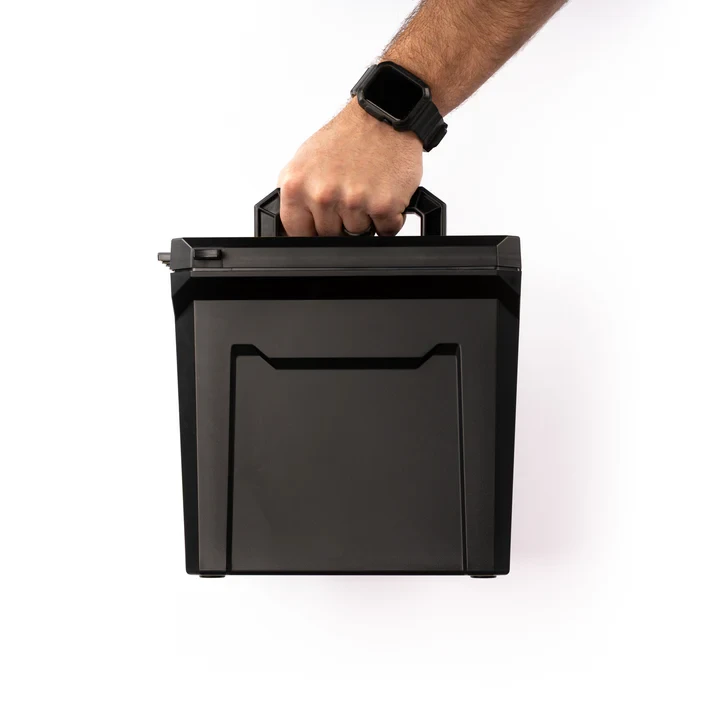
Boost Your Inventory: Join the Buckeye Hunter Hub StopBox Retail Partner Program
Expand your store's security offerings with the innovative StopBox system, now available to qualifying retailers through the exclusive Buckeye Hunter Hub wholesale program.
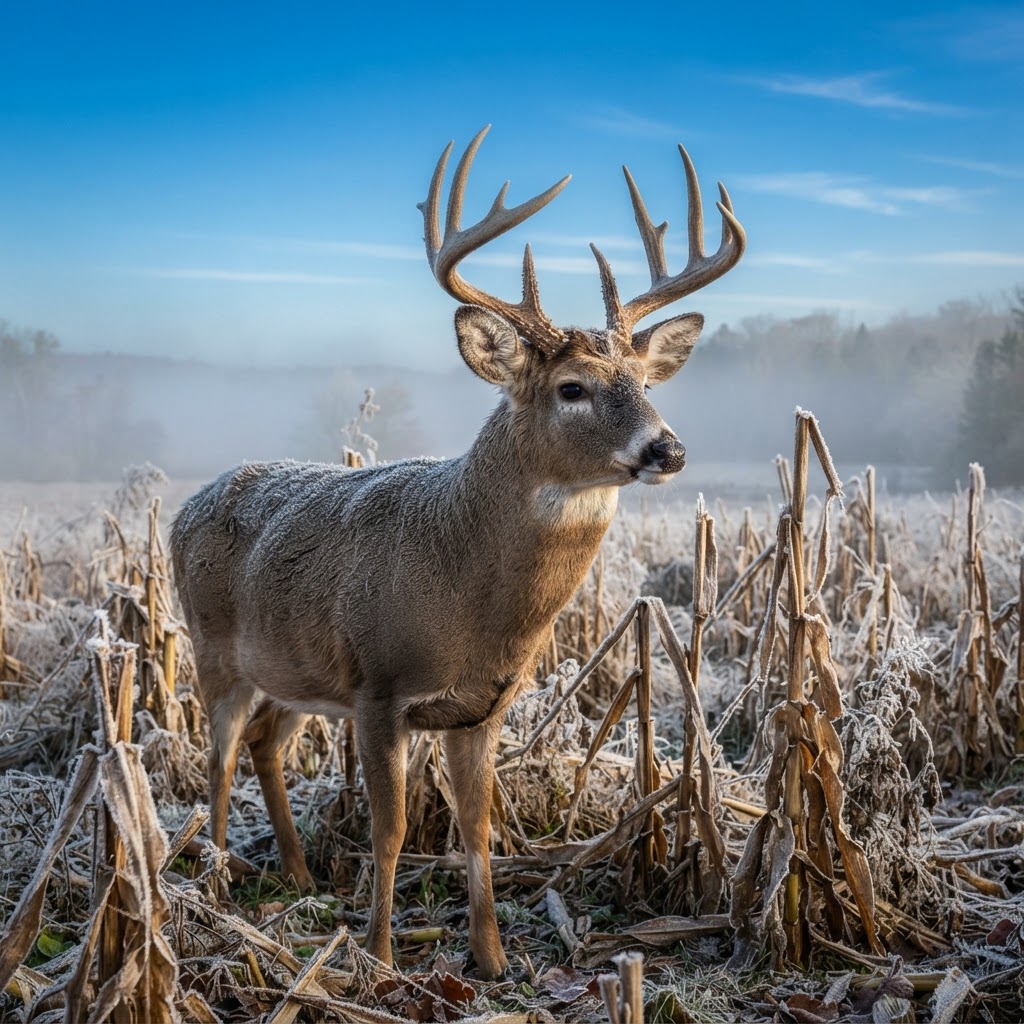
Best Barometric Pressure for Deer Hunting: What the Data Really Says
Is barometric pressure a deer hunting myth or a biological necessity? We dive into the telemetry data to uncover the truth about how pressure changes dictate whitetail movement.