Best Barometric Pressure for Deer Hunting: What the Data Really Says
Understanding the Barometer
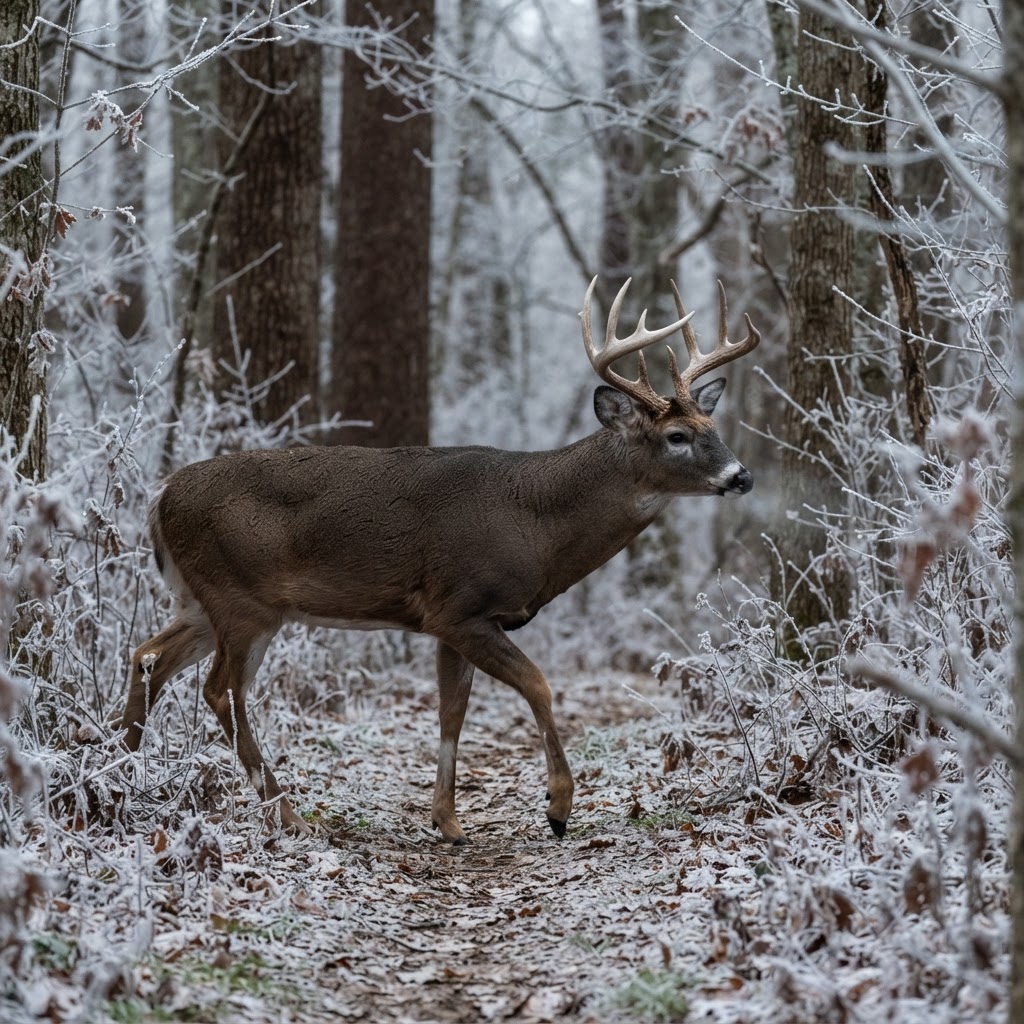
For decades, deer hunters have debated the 'perfect' weather conditions. While some focus on moon phases, the real science points toward atmospheric pressure as a primary driver of ungulate activity. At Buckeye Hunter Hub, we believe in basing our tactics on hard data. When we look at , barometric pressure stands out not as a mystical force, but as a biological trigger rooted in evolutionary survival.
Get in the Community feed
Hunters and anglers nationwide posting bucks, catches, trail cam pics and what's working right now.


Raise a safe, confident young hunter.
Guide your kids ages 5–17 through interactive hunting safety missions, real decision drills, and earned trophies — all from one free parent account.


The Physics of the Front
Barometric pressure is the measurement of the weight of the atmosphere pressing down on the earth. A 'high' pressure system typically brings clear skies and stable conditions, while a 'low' pressure system is associated with rising air, cloud cover, and approaching storms. Deer, like many prey animals, are highly sensitive to these shifts. Telemetry studies, particularly those utilizing high-frequency GPS-collar data from universities in the Midwest and Southeast, consistently show that deer increase their movement in anticipation of a pressure change.
When a low-pressure front approaches, the sudden drop in pressure often acts as a signal for deer to feed heavily. They are essentially 'filling up' before a period of bad weather that might force them to hunker down in thick cover for 12 to 24 hours. The most productive hunting windows—often referred to as 'pre-frontal' movement—occur right when the barometer begins its downward slide.
The Data: What Telemetry Tells Us
Modern research has moved beyond anecdotal 'deer camp' wisdom. GPS-collar studies reveal that deer activity levels are statistically higher when barometric pressure is falling rapidly. Specifically, we see a significant spike in core-area transit and daytime foraging when pressure drops from 30.10 inches of mercury toward 29.80 and below.
Harvest Tags
E-tagging means you supply the tag. These weatherproof, write-on tags carry the exact fields your state requires — 3-pack $19.95, free shipping.
Shop Harvest TagsFree hunting map, zones & 50-state resources
Save your spots, share zones with your group, and get deer & waterfowl movement forecasts — free.
Conversely, when pressure is stagnant or rising steadily, deer activity tends to flatten out. High-pressure systems often lead to deer moving only during the crepuscular hours (dawn and dusk). If you are looking to refine your strategy, our utilizes these pressure-gradient models to help you predict when the next 'push' will occur.
Why Moon Phase is Overrated
Every autumn, the debate over the 'solunar' impact reaches a fever pitch. However, peer-reviewed research shows that while the moon may play a tertiary role in biological cycles, its impact on daily whitetail movement is negligible compared to temperature swings and pressure shifts. If you have to choose between hunting a 'peak' moon phase with stagnant, high-pressure weather or a 'bad' moon phase during a rapidly falling barometer, always choose the weather. Weather dictates survival; the moon is merely background noise in the life of a whitetail.
Integrating Photoperiod and the Rut
While pressure drives daily movement, we must acknowledge the elephant in the room: the rut. Photoperiod—the length of daylight—is the absolute primary driver for the onset of the rut. Regardless of the pressure, bucks will search for does when their testosterone peaks based on daylight hours.
However, weather acts as an 'accelerator.' During the rut, a cold front—which brings falling barometric pressure—can turn a quiet woods into a frenzy of activity. When a 15-20 degree temperature drop coincides with a steady fall in barometric pressure, we see the most aggressive daytime movement recorded by GPS collars. The drop in pressure encourages feeding, while the temperature drop triggers thermoregulation needs, forcing deer to seek high-calorie forage during daylight hours.
Actionable Thresholds for the Buckeye Hunter
To translate this data into your hunting strategy, consider these three rules of thumb:
- The Pre-Frontal Push: Plan your hunts for the 6-to-12-hour window before a storm front arrives. This is when the barometer is dropping most rapidly. If the pressure is hovering around 29.70-29.80 and falling, you need to be in your stand.
- The Post-Frontal Lull: Once the front passes and the barometer bottoms out or begins to spike upward, movement often drops to near zero. Deer are typically bedded in heavy cover, waiting for the system to stabilize. This is the best time to check your and take a break from the woods to avoid bumping bedded deer.
- Stable Highs: If you are forced to hunt during high-pressure days (30.20+), focus on thermal cover and deep bedding areas. Movement will be strictly nocturnal or limited to the very first and last ten minutes of legal shooting light.
Final Thoughts
Data is a tool, not a guarantee. While barometric pressure is a powerful indicator, it must be combined with an understanding of your local terrain, food sources, and hunting pressure. For further insights into habitat management and regional movement trends, check out for more deep dives into whitetail biology. Remember, nature is dynamic. The best hunters aren't the ones who hunt every day; they are the ones who hunt when the barometer and the biology align.
Join 108 hunters and anglers on Buckeye Hunter Hub — free.
Everything you need to hunt smarter — free
Buckeye Hunter Hub is a free, nationwide platform. Create an account and unlock the full toolkit:
Free Interactive Hunting Map
Mark stands, cameras, and sign. Draw hunting zones with public land & county overlays across all 50 states.
Zones with Group Sharing
Share zones with your hunting group, split property into sections, assign stands, and check in — all in one place.
50 States of Hunting Resources
Season dates, license links, and DNR regulations for every state, kept current so you never miss an opener.
Deer Movement Forecast
Data-driven daily movement predictions using wind, moon, and pressure — know when to sit before you go.
Waterfowl Movement & Tools
Flight-potential forecasts, migration numbers, decoy spread planner, and a full species field guide.

American Express® Gold Card
Earn big on the things you love—dining, groceries, and travel. Apply through my referral link below.
- Up to 100,000 Membership Rewards® Points after you use your new Card to make $8,000 in purchases in the first 6 months—upon approval.
- 4X Membership Rewards® Points at restaurants worldwide, plus takeout and delivery in the U.S.
- 4X Points at U.S. supermarkets (on up to $25,000 per year, then 1X).
- 3X Points on flights booked directly with airlines or on amextravel.com.
- Up to $120 in annual dining credits at select partners (enrollment required).
Terms apply. Offer subject to approval by American Express. This is a referral link—I may receive Membership Rewards® Points if you are approved.
Shop This

StopBox Pro Ward | Wall-Mounted
$179.00$199.99

StopBox Pro Compact
$159.00$179.99

Night Marsh Women's Athletic Shorts
$46.99

Night Marsh Socks
$19.99
Harvest Tags
E-tagging means you supply the tag. These weatherproof, write-on tags carry the exact fields your state requires — 3-pack $19.95, free shipping.
Shop Harvest TagsMore Articles
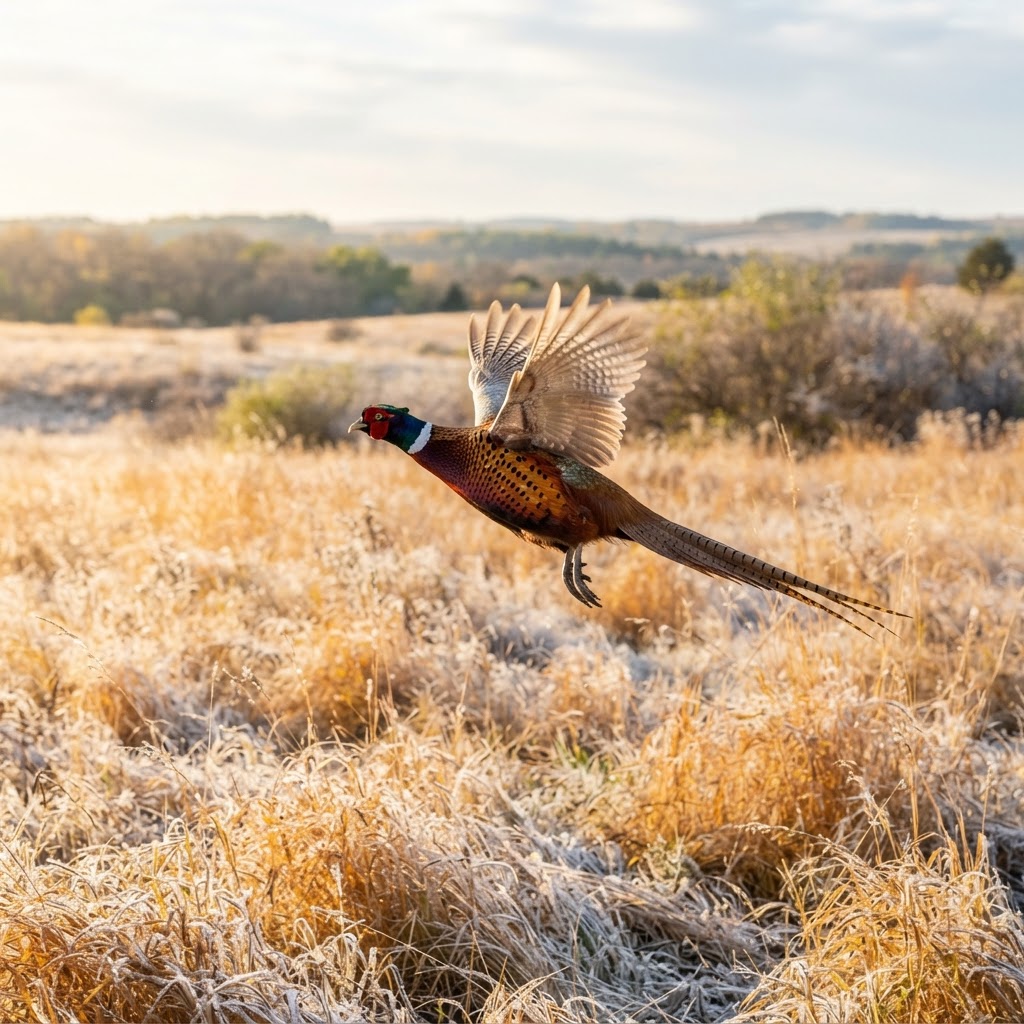
Chasing Roosters: The Complete Guide to Pheasant Hunting in the U.S.
From the vast plains of the Midwest to the rolling hills of the Pacific Northwest, pheasant hunting is a quintessential American tradition. Learn how to master this upland challenge with our comprehensive guide to tactics, biology, and gear.
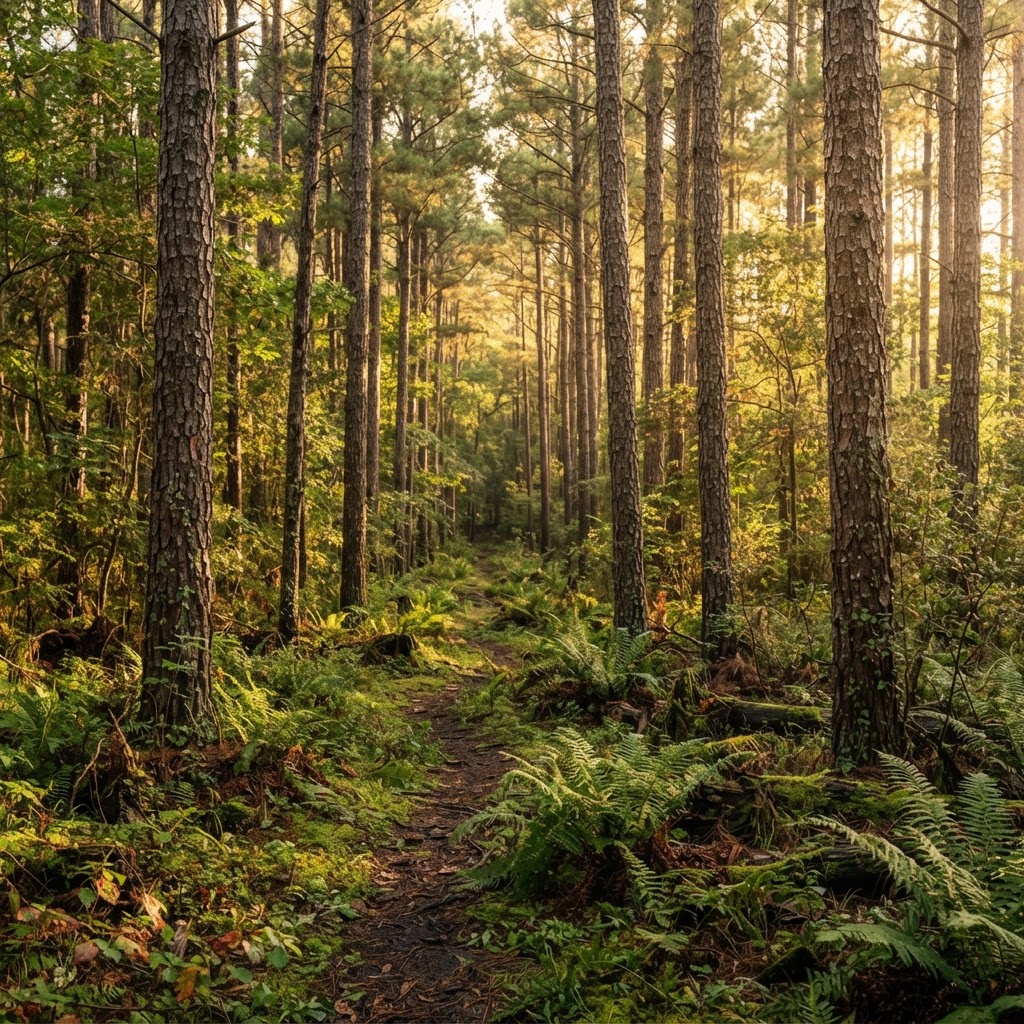
A Hunter's Guide to Georgia: Navigating the Peach State's Public Land
Georgia offers a massive landscape of public hunting opportunities, from the rugged Blue Ridge Mountains to the thick pine forests of the coastal plains. Discover how to scout and hunt these hidden gems for an unforgettable Southern adventure.
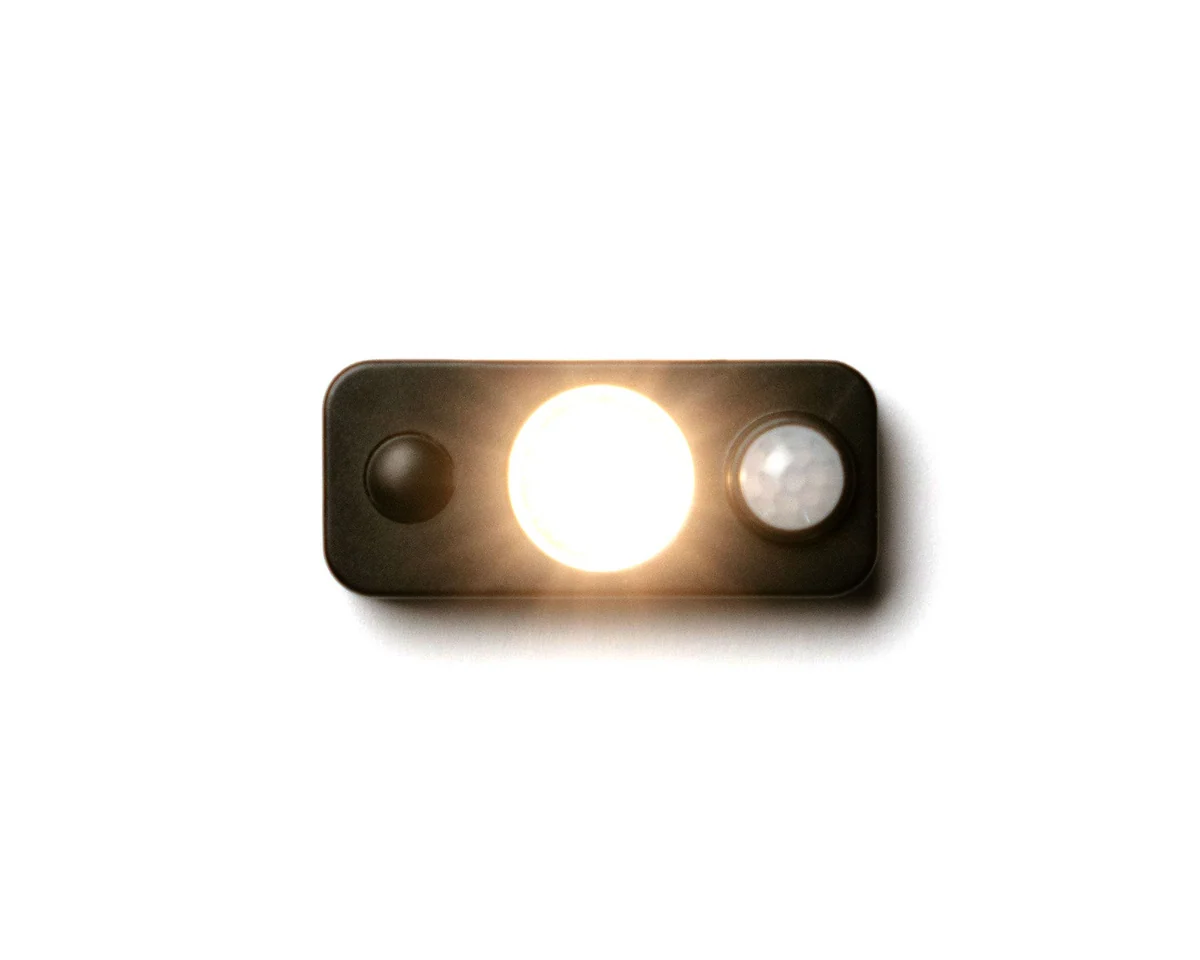
StopBox Motion Activated Light Review: A Must-Have Upgrade
Is the StopBox Motion Activated Light worth the investment? We tested this simple yet effective accessory to see how it performs in low-light scenarios.
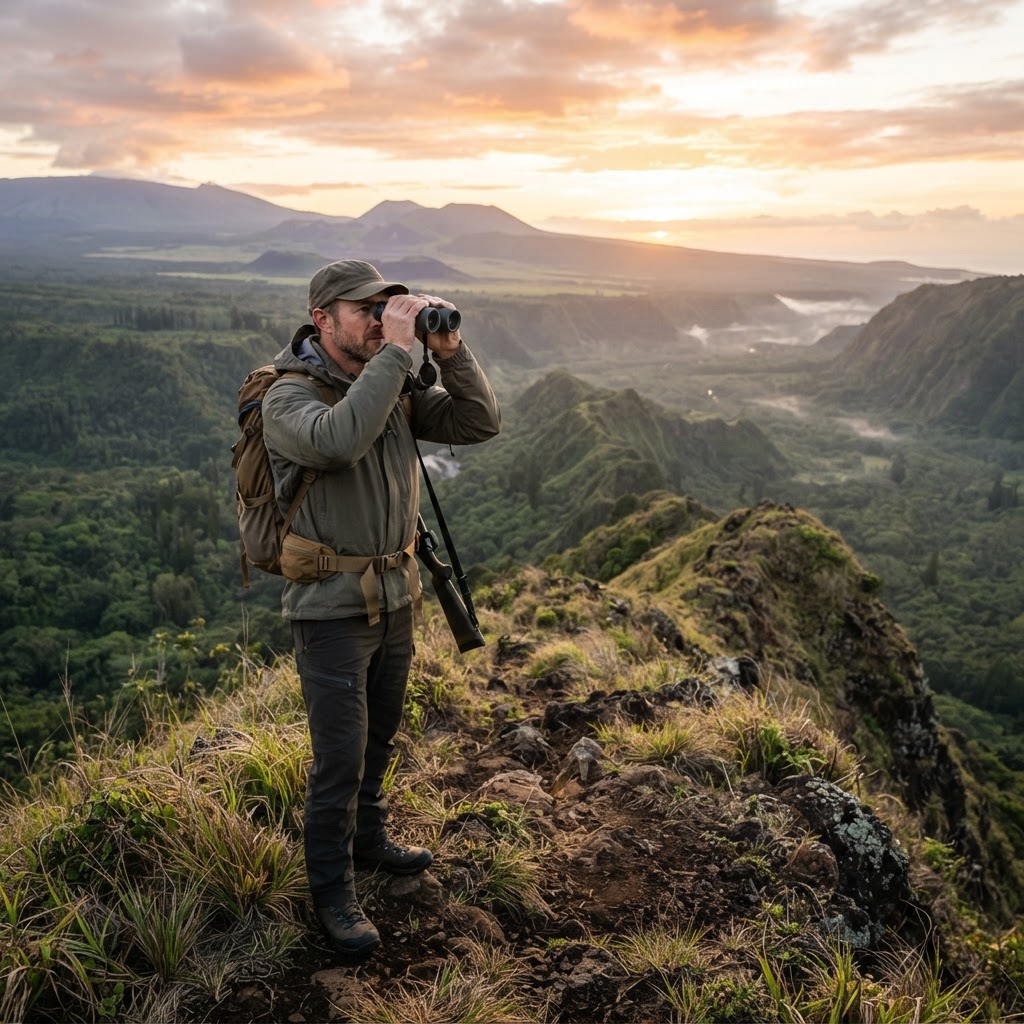
Hunting in Paradise: A Practical Guide to Hawaii's Unique Wilderness
Hawaii offers a hunting experience unlike any other in the United States, blending volcanic landscapes with challenging, non-native game pursuit. Discover how to navigate the islands' rugged public lands and unique regulations for an unforgettable adventure.