
Herbs & Wildcrafting
Watching Over the Woods: How to Spot and Protect Rare Forest Botanicals
BHH Outdoors Nov 28, 2026 5 min read
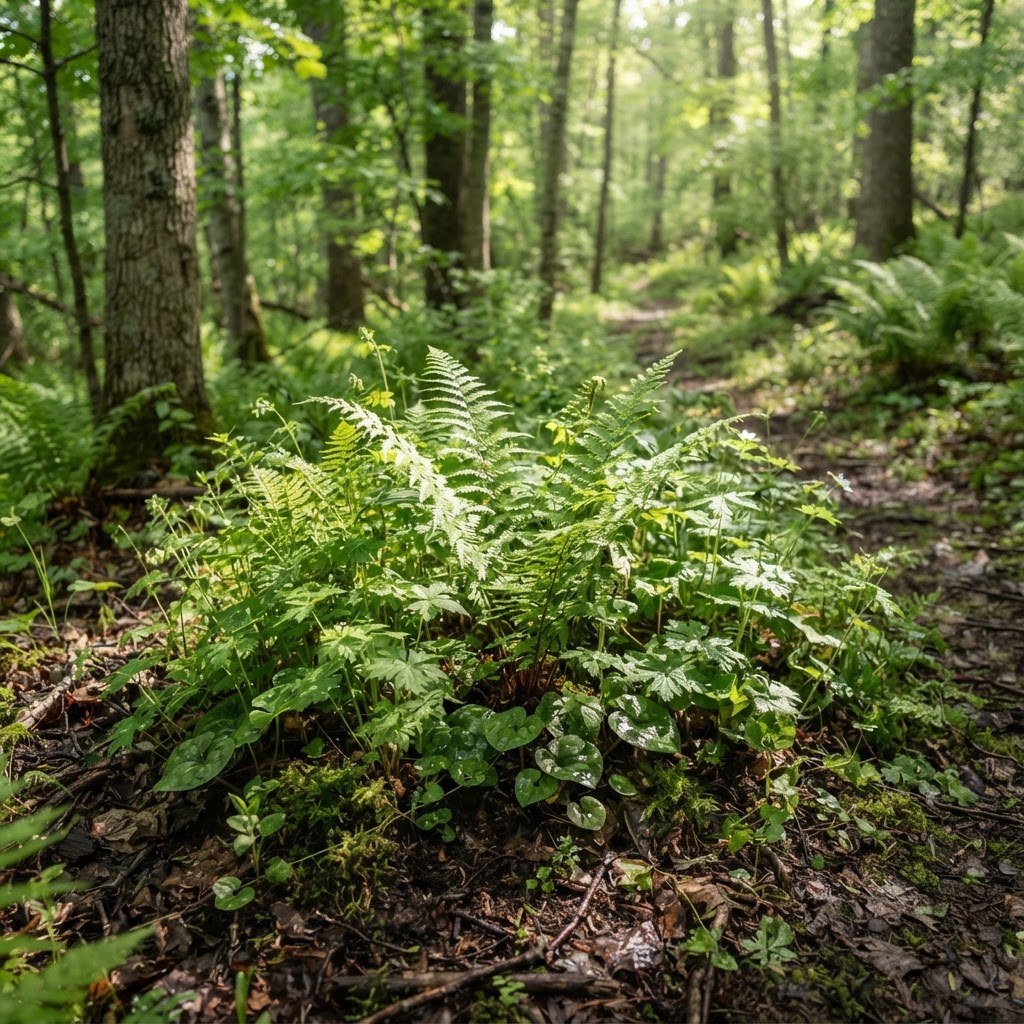
Introduction to Woodland Conservation
Whether you are deep in the woods bird watching, out with your metal detector, or scouting for a new trail, the forest floor is home to more than just fallen leaves and interesting artifacts. At BHH Outdoors, we believe that being a true outdoorsman means acting as a steward of the land. This includes keeping a sharp eye out for species that are struggling to hold their ground in the wild.
Several woodland plants, specifically ginseng, goldenseal, black cohosh, and bloodroot, are currently at risk due to habitat loss and over-harvesting. These plants play a vital role in our native ecosystems. By learning to identify them and understanding why they need protection, you can help ensure these species remain a part of our landscape for generations to come.
Four Plants to Leave Where They Stand
Many woodland herbs have specific growing requirements. They often prefer the deep shade of mature forests and need stable soil conditions. When we disturb these areas, we can unintentionally harm the populations.
American Ginseng
Ginseng is perhaps the most famous of our native woodland herbs. It thrives in well-drained, shaded sites, often near maples or poplars. Because it grows very slowly, it takes many years for a plant to reach maturity. You can often see the herbs map to understand where sensitive species are generally reported, but remember that specific locations are often kept secret to protect the plants.
Goldenseal
Goldenseal is easily recognized by its bright yellow rhizome, though you should never dig to check for it. It usually grows in patches in rich, moist woods. It is a slow grower and highly sensitive to changes in its environment, such as trail erosion or soil compaction caused by foot or off-road traffic.
Black Cohosh
Known for its tall, dramatic white flower spikes in mid-summer, black cohosh is a striking plant that stands out in the understory. It is a favorite for many, but its populations have declined significantly in some regions. If you see it while out on the BHH Outdoors trail, enjoy the view and keep moving.
Bloodroot
Bloodroot is one of the first signs of spring. Its single white flower is lovely, but fleeting. The name comes from the red sap found in the root, but seeing that requires disturbing the plant. Never dig up these plants. If you are ever unsure of your identification, always consult a trusted regional field guide or bring a local expert with you to the site. Mistakes can be dangerous, as some plants have look-alikes that can be toxic or cause severe reactions. Always talk to a doctor or pharmacist before using any herb for any purpose.
The Golden Rule of Land Access
No matter what you are doing in the outdoors, the most important step is ensuring you have the right to be there. If you are exploring private property, you should always carry a printable permission slip signed by the landowner. Without this, you are not only putting yourself in a difficult legal position, but you are also failing to show the proper respect for the land and its owner.
When it comes to plants, stewardship means taking nothing and leaving only footprints. Even if you encounter a plant that is not on a protected list, you should never harvest more than a very small share of any patch. Better yet, leave it entirely alone so it can continue to spread seeds and sustain the local wildlife. You can find more information on local land ethics on the BHH Outdoors blog.
Know Before You Go
Regulations regarding these plants vary wildly from one state to another. Some states have strict laws against the harvesting of certain species, while others may require specific permits even for private land collection. You must check your state's rules and agency links before you plan any trip. These agencies, such as the US Forest Service, provide up-to-date information on conservation status and land-use restrictions.
Keep in mind that if you are riding off-road or metal detecting, your equipment can easily damage the root systems of these sensitive plants. Stay on marked trails whenever possible and avoid walking through sensitive, high-density forest patches. By being mindful of where you place your feet or your gear, you act as a guardian of the woods. Conservation is not just about laws; it is about the daily choices we make when we are out in the field. Let us commit to leaving these woodland treasures for the next person to enjoy.
Mark it on your own map
Drop private herbs pins, record your route and come back to the spot next season.
Open the herbs map →