
Bird Watching
Riding the Thermals: A Practical Guide to Fall Raptor Migration
BHH Outdoors Nov 29, 2026 7 min read
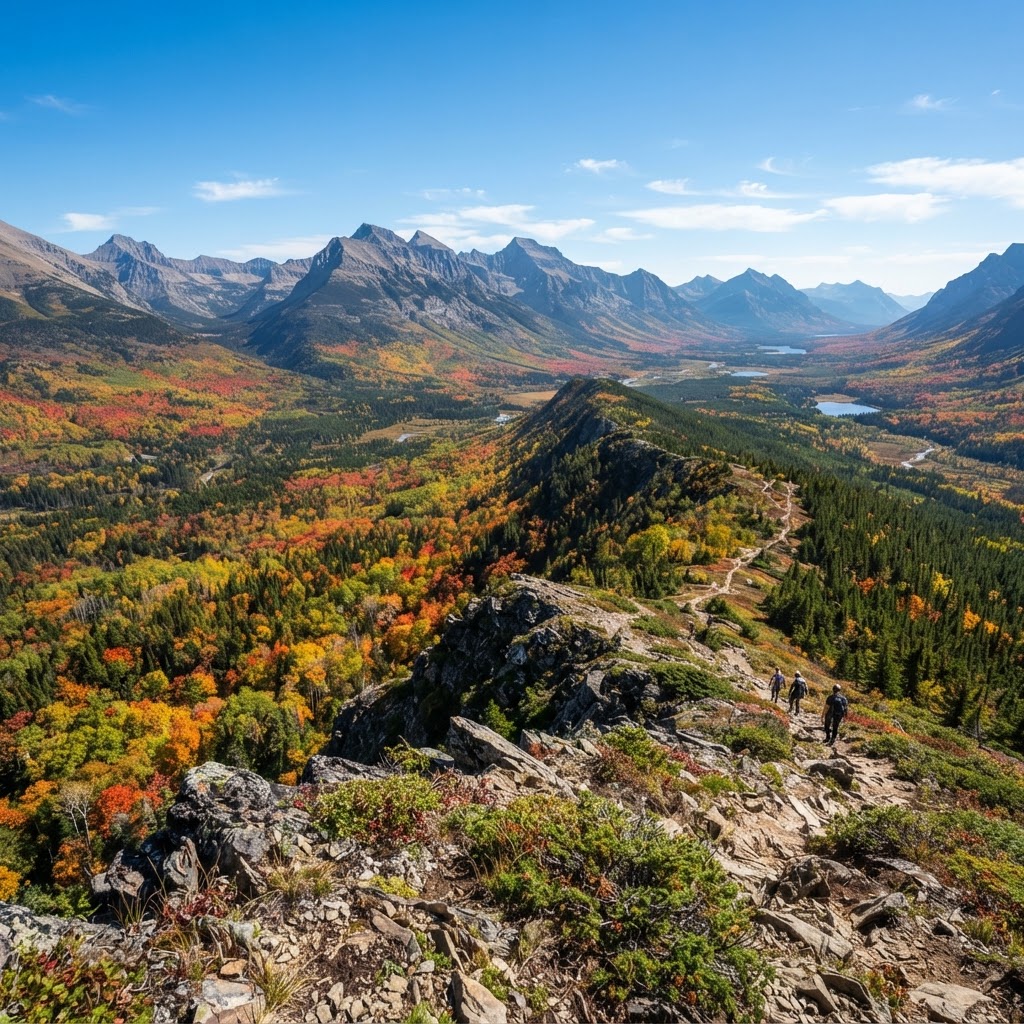
Watching the Sky as the Seasons Turn
Fall is a time of transition for every outdoor enthusiast. Whether you are prepping your off-road vehicle for a crisp trail ride or heading out to forage for late-season botanicals, the skies above are undergoing a massive shift. While most people keep their eyes on the forest floor or the path ahead, the fall hawk migration offers one of the most spectacular natural shows in North America. Thousands of hawks, eagles, and falcons are heading south, riding the air currents that define our landscape.
At BHH Outdoors, we believe that understanding the rhythm of the wild makes every outing more meaningful. Watching raptors during their migration is not just about spotting a speck in the sky. It is about recognizing how the topography you hike or ride upon acts as a highway for these birds. By learning how to identify these travelers, you gain a deeper connection to the environment you already enjoy.
Understanding the Flight Path
Unlike songbirds that often migrate under the cover of darkness, hawks are diurnal. They rely on thermal updrafts and ridge lifts to cover massive distances with minimal energy. This means they are almost entirely dependent on the geography of the land. When sun-warmed air rises off a hillside, it creates a vertical lift. When wind hits a ridge, it is deflected upward. Raptors seek out these features to glide for miles without flapping a wing.
If you are planning a trip to a high point or a ridge line, you are likely standing exactly where these birds want to be. When you are out on the trail, take a moment to look up. If you see a large bird circling, do not be quick to dismiss it as a common resident. During the fall, that could be a Broad-winged Hawk or an Osprey moving thousands of miles toward the tropics. You can find prime locations for this by checking the birding map to see where others have reported sightings in your region.
Ethical Observation in the Field
Respecting the flight path is paramount. Raptors are expending precious energy to complete a journey that can span half the globe. Never use calls to attract birds, as this can disrupt their migration rhythm or cause them to expend energy investigating a false signal. If you are birding from a trail, keep your gear discreet and give the birds space. If you are metal detecting or foraging nearby, stay on designated paths. Your presence should be invisible to the wildlife you are there to appreciate.
Always ensure you are operating within your state's rules and agency links regarding public land use. Some areas may have seasonal closures during peak migration or nesting times. You can verify local regulations through the US Forest Service website to ensure your activity remains sustainable and legal.
What to Look For
Identification is a skill that takes time. Focus on the silhouette first. Instead of looking for color, look for the shape of the wings and the length of the tail. A Buteo, like a Red-tailed Hawk, has broad, rounded wings and a short, wide tail. An Accipiter, such as a Cooper’s Hawk, has shorter, rounded wings and a very long tail meant for maneuvering through dense forest.
When you see a group of raptors circling together in a thermal, it is often called a kettle. Watching a kettle rise is one of the most hypnotic sights in nature. For those interested in tracking these patterns throughout the year, the BHH Outdoors platform offers guides on how different seasonal changes impact the wildlife you encounter. You can read more about responsible outdoor habits on the BHH Outdoors blog to keep your wilderness skills sharp.
Getting the Most Out of Your Outing
If you want to spend more time hawk watching, consider a folding chair and a good pair of binoculars. You do not need expensive spotting scopes to appreciate the migration. Many of the most rewarding sightings happen when you are simply stationary, letting the sky pass by above your favorite ridge or valley overlook.
Be mindful of the weather. Raptors generally prefer clear days following the passage of a cold front. These fronts bring winds from the north, which provide the perfect push for birds moving south. If the sky is overcast or raining, the birds will often stay grounded or hunker down. Use these days to scout for new trails or maintain your gear so you are ready the moment the skies clear.
Ultimately, birding is a way to look outward. Whether you are an avid hiker or someone who spends hours in the woods for other pursuits, adding hawk watching to your repertoire turns a standard trip into an observation of a grand natural process. Remember to Leave No Trace, respect the flight paths, and enjoy the view.
Mark it on your own map
Drop private birding pins, record your route and come back to the spot next season.
Open the birding map →