
Hiking & Camping
Mastering Your Site Selection: Dry, Legal, and Leave No Trace Camping
BHH Outdoors Nov 26, 2026 6 min read
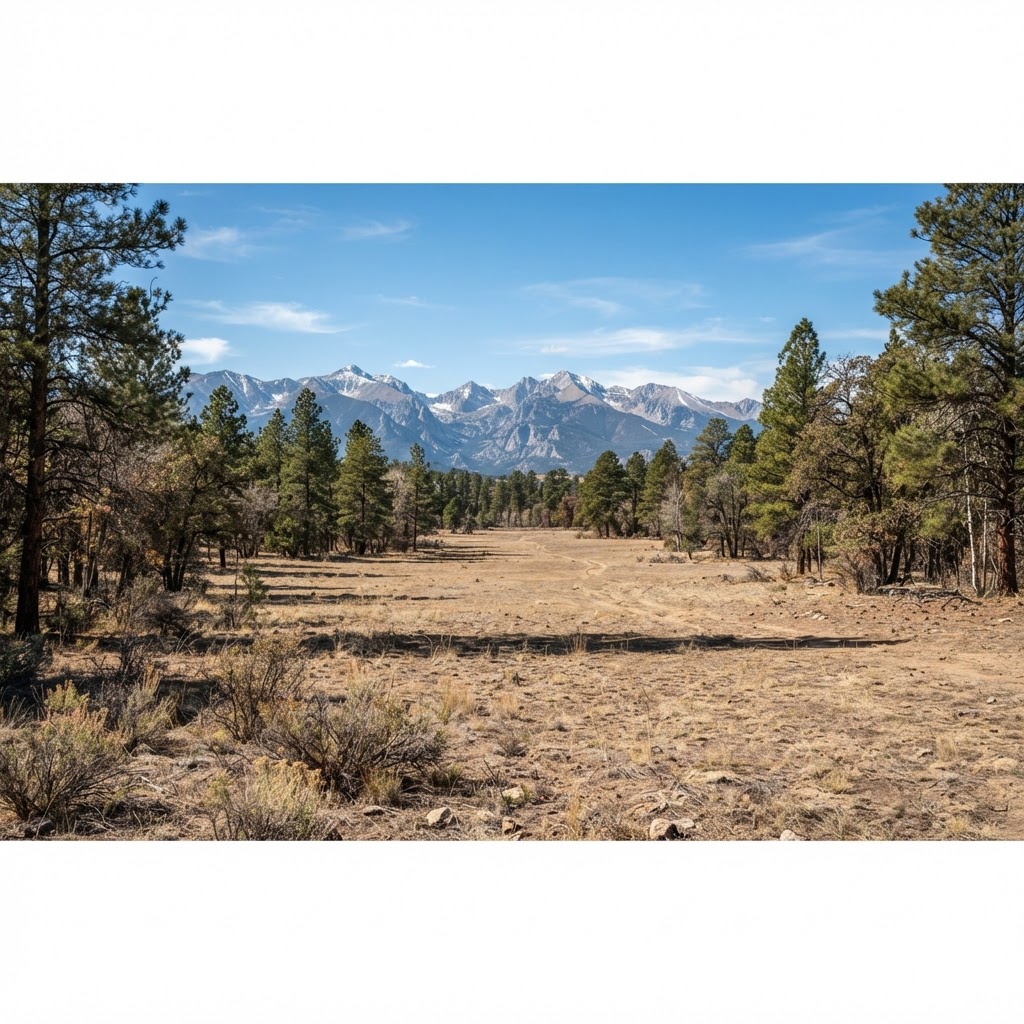
Scouting the Ideal Camp Site
Finding a great place to settle down for the night is one of the most rewarding parts of any excursion. Whether you are out to enjoy a weekend of birding or you are looking to scout new areas for metal detecting, the site you choose dictates the quality of your experience. At BHH Outdoors, we believe that a well-planned camp is the foundation of a successful outdoor adventure. Before you head out, checking the hiking map can help you identify public land boundaries and terrain features that suit your needs.
Avoiding the Morning Soak
Nobody wants to wake up in a puddle. Drainage is the most important factor when you are looking for a spot to pitch a tent or park your rig. The biggest mistake beginners make is camping in low-lying depressions or the middle of dry creek beds. Even if a creek looks parched today, it is there because water flows through it. A sudden downpour miles upstream can cause a flash flood in a dry wash, which is a dangerous scenario for any camper.
Look for slightly elevated, flat ground. If the vegetation in the area is lush, green, and damp while the surrounding area is dry, you are likely in a spot that holds water. Avoid areas with deep moss or spongy soil. Instead, look for slightly higher ground covered in pine needles or dry leaves. These surfaces tend to shed water faster and provide a better natural barrier between you and the earth. Always aim to set up your sleeping area at least 200 feet away from lakes, streams, or springs to prevent water contamination and to stay away from the dampest soil conditions.
Staying on the Right Side of the Law
Legality is just as important as comfort. Public lands often have specific rules regarding where you can camp, and these rules change depending on whether you are in a National Forest, a state park, or a wildlife management area. Always verify your status by checking your state's rules and agency links before you leave home. Different regions have different policies regarding dispersed camping, which is the act of camping outside of a developed campground.
Some areas require a permit for overnight stays, while others might restrict camping to designated areas only. If you are planning your trip during the busy seasons, remember that hunting season dates might influence where you are allowed to be or whether you are required to wear blaze orange. Always check the official website for the land manager overseeing your destination, such as the US Forest Service, to see if there are current fire restrictions or area closures that could impact your plans.
Respecting the Environment
Part of being a responsible outdoor enthusiast is ensuring you leave the land exactly as you found it. This means picking a spot that has already been impacted, rather than carving out a brand new site in a pristine meadow. If you see a spot that is already bare or shows signs of previous use, that is your best bet for a legal and ethical stay. Avoiding the creation of new "social trails" or clearing brush helps protect the local ecosystem.
If you are traveling by off-road vehicle, stick strictly to designated trails and camping pull-offs. Never drive across sensitive tundra, meadows, or riparian zones to find a flat spot. Protecting these resources ensures that everyone in our community can enjoy the same access for years to come. If you ever have questions about specific land policies, do not hesitate to contact the local district ranger office. They are the best source for up-to-date information on fire bans, access routes, and camping restrictions.
Finishing Your Setup
Once you have found a site that is dry and legally accessible, take a moment to look up. Check for dead branches or "widow-makers" hanging in the trees above your tent. In windy conditions, these can fall without warning. A quick scan of the canopy is a simple habit that adds a layer of safety to your night.
After your gear is stowed and your tent is staked, take a moment to enjoy the surroundings. Whether you are documenting native herbs or just listening for the evening bird chorus, there is nothing quite like being prepared in the backcountry. For more tips on how to handle the nuances of the wilderness, continue reading the BHH Outdoors guidebooks or browse our latest articles on the BHH Outdoors blog to sharpen your skills for your next venture.
Mark it on your own map
Drop private hiking pins, record your route and come back to the spot next season.
Open the hiking map →