
Foraging
Deciphering the Morel Pulse: Environmental Triggers for Successful Foraging
BHH Outdoors Nov 27, 2026 6 min read
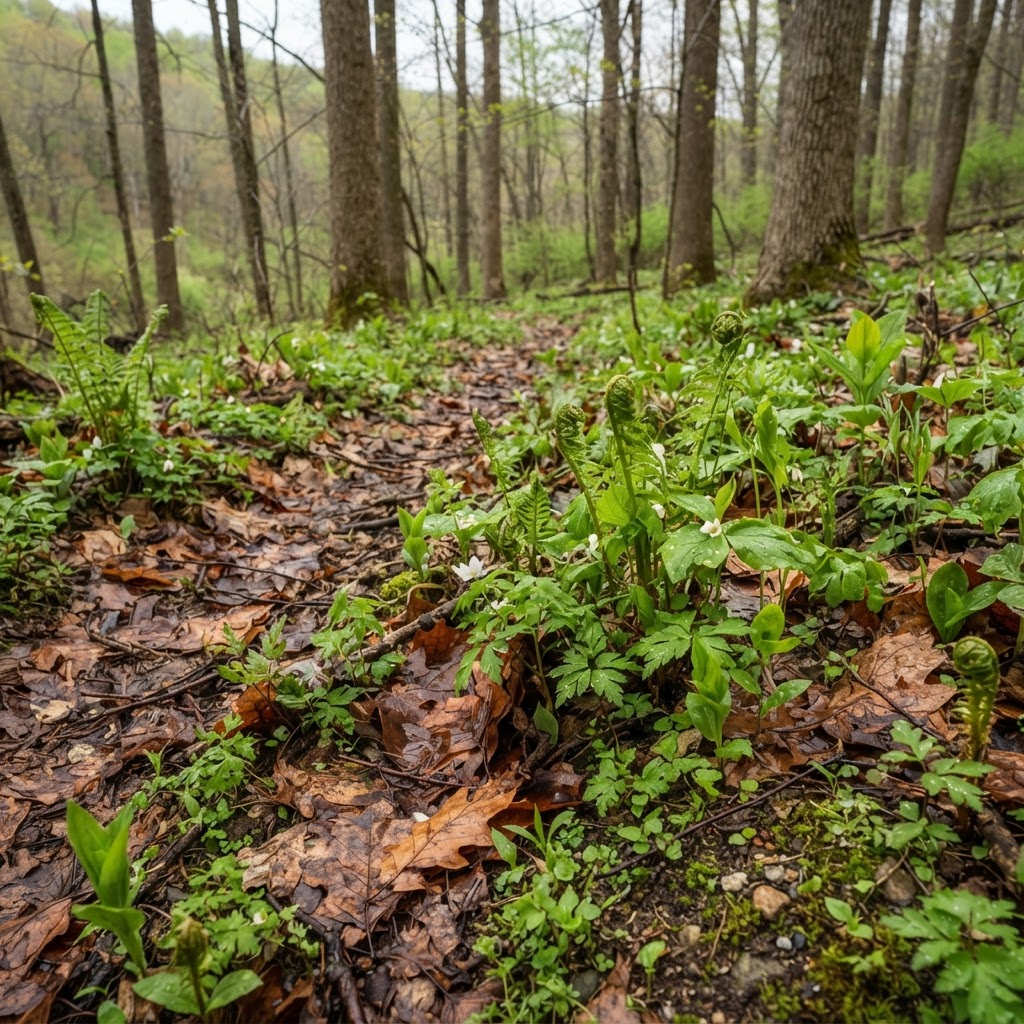
The Art of the Morel Search
For those of us who spend our time exploring the backcountry at BHH Outdoors, few experiences rival the thrill of spotting a Morel mushroom hidden among the leaf litter. While some might call it luck, finding these elusive fungi is often a matter of understanding the specific environmental cues they require to fruit. By paying attention to the pulse of the forest, you can refine your approach and spend less time wandering aimlessly.
The Critical Role of Soil Temperature
Nature operates on a precise schedule dictated by the ground beneath our boots. Morels are notoriously sensitive to thermal changes. While many hobbyists wait for the air to warm, the mushrooms are actually reacting to the soil temperature. Experts often suggest that when the ground reaches the mid-fifties Fahrenheit at a depth of a few inches, the cycle begins.
Monitoring local weather reports is helpful, but the best data comes from your own observations. Use a basic soil thermometer if you are serious about finding the sweet spot in your area. Keep in mind that different aspects of a hillside will warm at different rates. South-facing slopes receive more direct sunlight and will naturally warm faster than northern exposures. Utilizing the foraging map can help you track these slope aspects across the terrain you plan to visit.
Tree Associations and Symbiotic Relationships
Morels are famously tied to specific hosts. While they do not technically live inside the trees, they share a complex relationship with the root systems of certain species. In North America, keep a sharp eye out for old, dying, or stressed Elms. Ash and Poplar trees are also prime real estate for these mushrooms. Apple orchards, especially older, neglected ones, are another classic location where foragers have found success.
It is not just about finding the right tree species. It is about identifying trees that are reaching the end of their life cycle. A tree that has died within the last few years often provides the perfect disturbance for fungi to thrive. When you are out on BHH Outdoors excursions, look for the 'ghost' of an Elm tree—gray bark that is beginning to slough off or a tree that has recently fallen.
Safety and Identification Protocols
We must emphasize that mushroom identification is a serious task. Never assume a mushroom is safe to eat based on a photograph or a general description. There are dangerous look-alikes, such as the False Morel (Gyromitra species), which can cause severe illness if ingested. These specimens often have a brain-like appearance or reddish-brown color that differs from the true Morel. Before you consider consuming anything you find, you must confirm your identification using a trusted regional field guide or consult with a professional mycologist or local expert.
When in doubt, leave it in the woods. Your health is far more important than a meal.
Respecting the Land and Following the Law
Before you head out, you must be aware of your surroundings. Laws regarding the harvest of wild fungi, herbs, or plants vary significantly depending on the land manager. Whether you are on federal forest land, a state park, or private property, you are responsible for knowing the local regulations. Some areas require a specific permit for collecting, while others prohibit it entirely to protect the ecosystem.
Consult your state's rules and agency links to ensure your activities are compliant with local statutes. You should also check the official US Forest Service portal for information on public land usage. Always remember to practice Leave No Trace principles. Keep your footprint small, avoid trampling native vegetation, and never harvest more than you can personally consume.
Continuous Learning and Community
Foraging is a lifelong journey of observation. What you learn this season will provide the foundation for next year. If you enjoy the investigative nature of these outings, consider reading more tips and community stories on the BHH Outdoors blog. Connecting with others who share an interest in responsible outdoor stewardship can turn a solo hike into an educational opportunity.
As the ground begins to thaw and the forest canopy starts to flush with green, the timing will eventually align. Patience is your greatest tool. By observing the trees, respecting the soil, and staying within the legal boundaries of your region, you ensure that the forests remain healthy for generations of foragers to come.
Mark it on your own map
Drop private foraging pins, record your route and come back to the spot next season.
Open the foraging map →