
The First-Timer’s Guide to Planning a Successful Out-of-State DIY Hunt
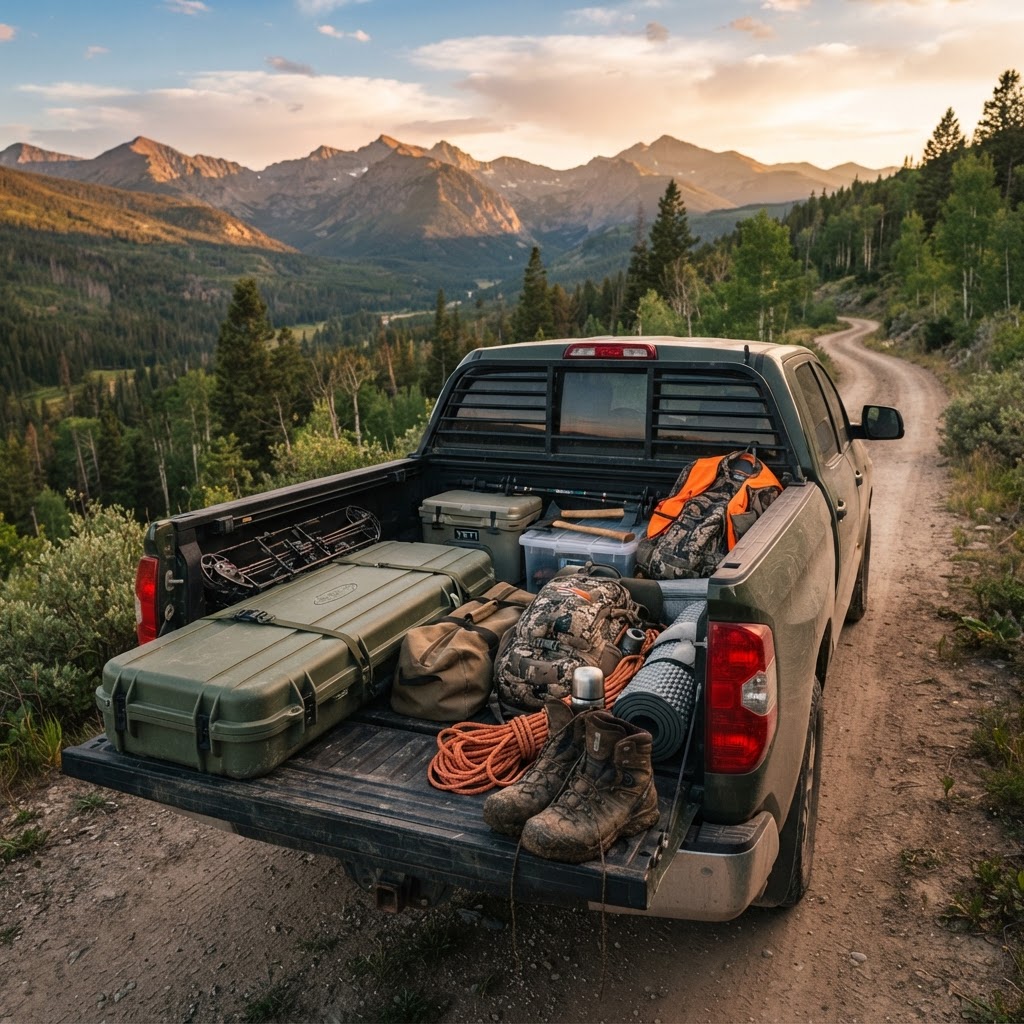
From Local Woods to Western Vistas: The DIY Appeal
Transitioning from hunting your backyard or local public land to planning an out-of-state DIY (Do-It-Yourself) trip is a rite of passage for many hunters. There is a distinct sense of accomplishment that comes from harvesting game on unfamiliar turf, relying solely on your own preparation, navigation, and persistence. At Buckeye Hunter Hub, we believe that every hunter deserves to experience the vastness of the American wilderness, but success requires more than just a tag and a truck. Here is your practical framework for turning that dream hunt into a reality.
Get in the Community feed
Hunters and anglers nationwide posting bucks, catches, trail cam pics and what's working right now.


Phase 1: Choosing Your Destination and Timing
Before you look at gear, you must look at data. Avoid the temptation to choose a state simply because you saw a cool photo on social media. Instead, start with to understand residency requirements, point systems, and application deadlines.
Timing is equally critical. If you are chasing whitetails, aligning your trip with the peak of the rut is ideal, though it often brings increased hunting pressure. If you are pursuing elk or mule deer out West, seasonal migration patterns are your primary guide. Always consult to ensure your preferred dates fall within legal harvest windows. Early-season hunts often offer more predictable animal behavior, while late-season hunts can provide better weather-driven movement, provided you are prepared for the elements.
Phase 2: Mastering the Digital Scout
Modern technology has revolutionized the DIY hunter’s ability to scout from home. Spend hours—not minutes—behind your screen using . Look for terrain funnels, water sources, and public land boundaries that aren't easily accessible to the average hunter. Remote areas that require a significant hike often hold less pressure and more mature animals.
While you are digging into topography, consider the biological factors at play. Understanding can help you decide exactly where to hang your stand or park your truck once you arrive. If you find yourself in a state with dense cover, use satellite imagery to identify 'edges'—the transitional zones between different habitat types where game often feeds and beds.
Phase 3: Logistics and Strategy
Once you have narrowed down a state and a zone, shift your focus to the 'how.' You need a concrete logistics plan:
E-Tag States

Harvest Tags
E-check means you supply the tag. Printed with the exact fields your state requires.
3-pack $19.95
- Transportation: Can your vehicle handle the terrain? If you are flying, how will you transport your harvested meat home? Have a plan for professional processing or freezer space.
- Lodging: Are you camping, staying in a hotel, or looking for that offer a base camp?
- Physical Fitness: DIY hunts are rarely easy. Start a physical training regimen months in advance, specifically focusing on cardiovascular endurance and the ability to pack heavy loads.
Phase 4: Gear Selection and Safety
Your gear list will change depending on your target species and climate, but the golden rule of DIY hunting remains: bring only what you need, but never skimp on the essentials. Your safety is non-negotiable. Always carry a satellite communicator, a physical map as a backup, and a comprehensive first aid kit.
Raise a safe, confident young hunter.
Guide your kids ages 5–17 through interactive hunting safety missions, real decision drills, and earned trophies — all from one free parent account.




If you are traveling across state lines, familiarize yourself with the specific transportation laws for your hunting equipment. While we advocate for responsible gear storage at home, when you are in the field, your focus should be on situational awareness. Research the state DNR regulations to ensure you are compliant with all local carry and storage laws.
Phase 5: Execution and Adaptability
Even the best-laid plans often fall apart in the field. The difference between a successful hunter and a frustrated one is adaptability. If the winds shift, have a secondary plan. If you arrive at your 'secret spot' to find another hunter, don’t get discouraged—have three more locations marked on your map.
Connecting with others can also provide invaluable insights. Check out to ask respectful, high-level questions about the region you are visiting. Avoid asking for specific GPS coordinates; instead, ask about the general challenges of the terrain or common weather patterns.
Finally, check the official state wildlife agency websites, such as the U.S. Fish and Wildlife Service, for the latest information on conservation initiatives and hunter-education requirements.
Final Thoughts
An out-of-state DIY hunt is about more than just the harvest. It is about testing your limits, learning new ecosystems, and forging memories that last a lifetime. Take your time with the research, respect the land you are hunting, and keep your goals realistic for your first trip. Success isn't always measured by a tag on an animal; sometimes, it’s simply the fact that you planned, prepared, and stood on ground you had never stepped on before. Welcome to the next level of your hunting journey.
Free hunting map, zones & 50-state resources
Save your spots, share zones with your group, and get deer & waterfowl movement forecasts — free.
Join 159 hunters and anglers on Buckeye Hunter Hub — free.
Everything you need to hunt smarter — free
Buckeye Hunter Hub is a free, nationwide platform. Create an account and unlock the full toolkit:
Free Interactive Hunting Map
Mark stands, cameras, and sign. Draw hunting zones with public land & county overlays across all 50 states.
Zones with Group Sharing
Share zones with your hunting group, split property into sections, assign stands, and check in — all in one place.
50 States of Hunting Resources
Season dates, license links, and DNR regulations for every state, kept current so you never miss an opener.
Deer Movement Forecast
Data-driven daily movement predictions using wind, moon, and pressure — know when to sit before you go.
Waterfowl Movement & Tools
Flight-potential forecasts, migration numbers, decoy spread planner, and a full species field guide.

American Express® Gold Card
Earn big on the things you love—dining, groceries, and travel. Apply through my referral link below.
- Up to 100,000 Membership Rewards® Points after you use your new Card to make $8,000 in purchases in the first 6 months—upon approval.
- 4X Membership Rewards® Points at restaurants worldwide, plus takeout and delivery in the U.S.
- 4X Points at U.S. supermarkets (on up to $25,000 per year, then 1X).
- 3X Points on flights booked directly with airlines or on amextravel.com.
- Up to $120 in annual dining credits at select partners (enrollment required).
Terms apply. Offer subject to approval by American Express. This is a referral link—I may receive Membership Rewards® Points if you are approved.
Shop This

StopBox Pro Ward | Wall-Mounted
$179.00$199.99

StopBox Pro Compact
$159.00$179.99

BHH Marsh Camo Socks
$8.21

Warden Ticket Men's Mesh Shorts
$28.66
Washington · E-Tag State

Washington Harvest Tags
E-check means you supply the tag. Printed with the exact fields Washington requires.
3-pack $19.95
More Articles
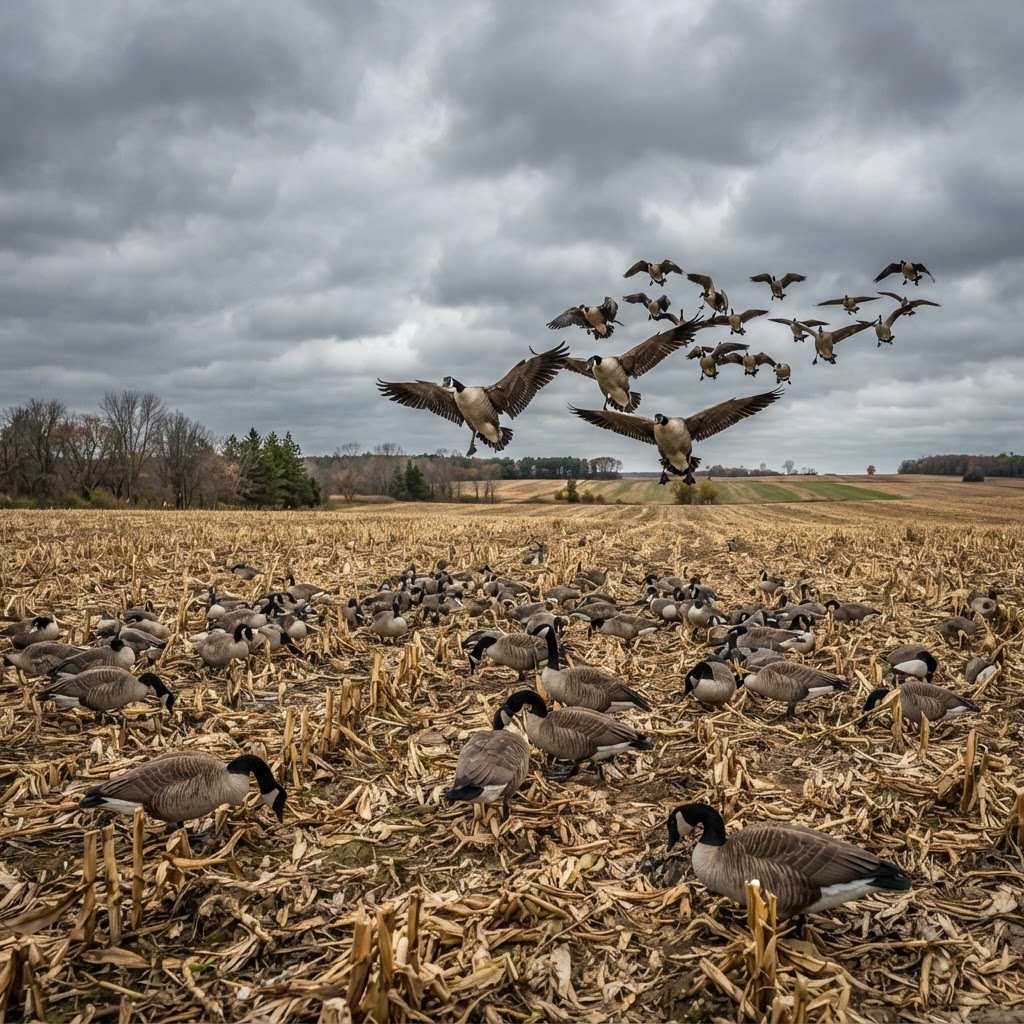
Precision Honker Strategies: Deciphering Weather and Movement for Dry-Field Success
Mastering the dry field is the pinnacle of waterfowling, where reading the wind and manipulating movement separates the limit-takers from the blank-checkers.
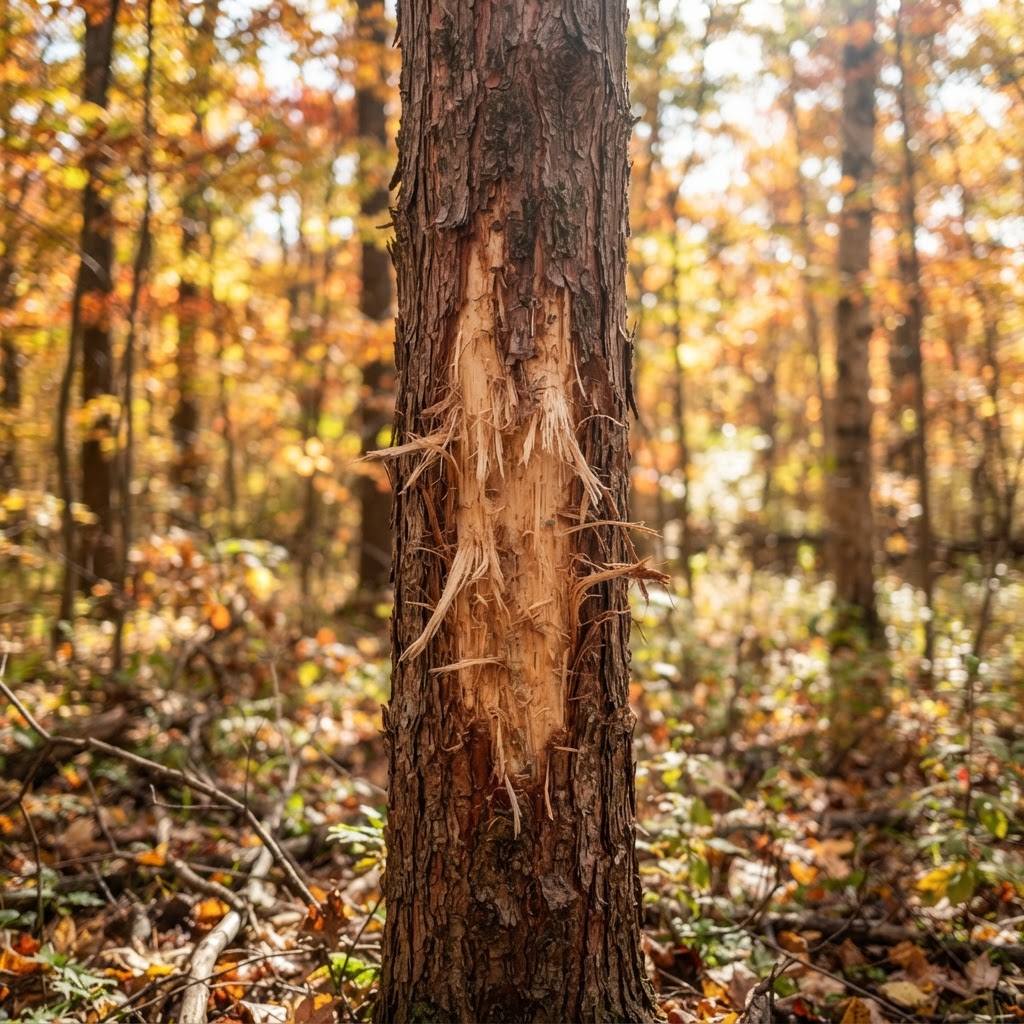
Unseen Trails: Decoding Forest Sign to Predict Buck Behavior
Move beyond basic scouting by learning how to interpret the subtle, layered history written on the forest floor, turning mere signs into a concrete harvest plan.
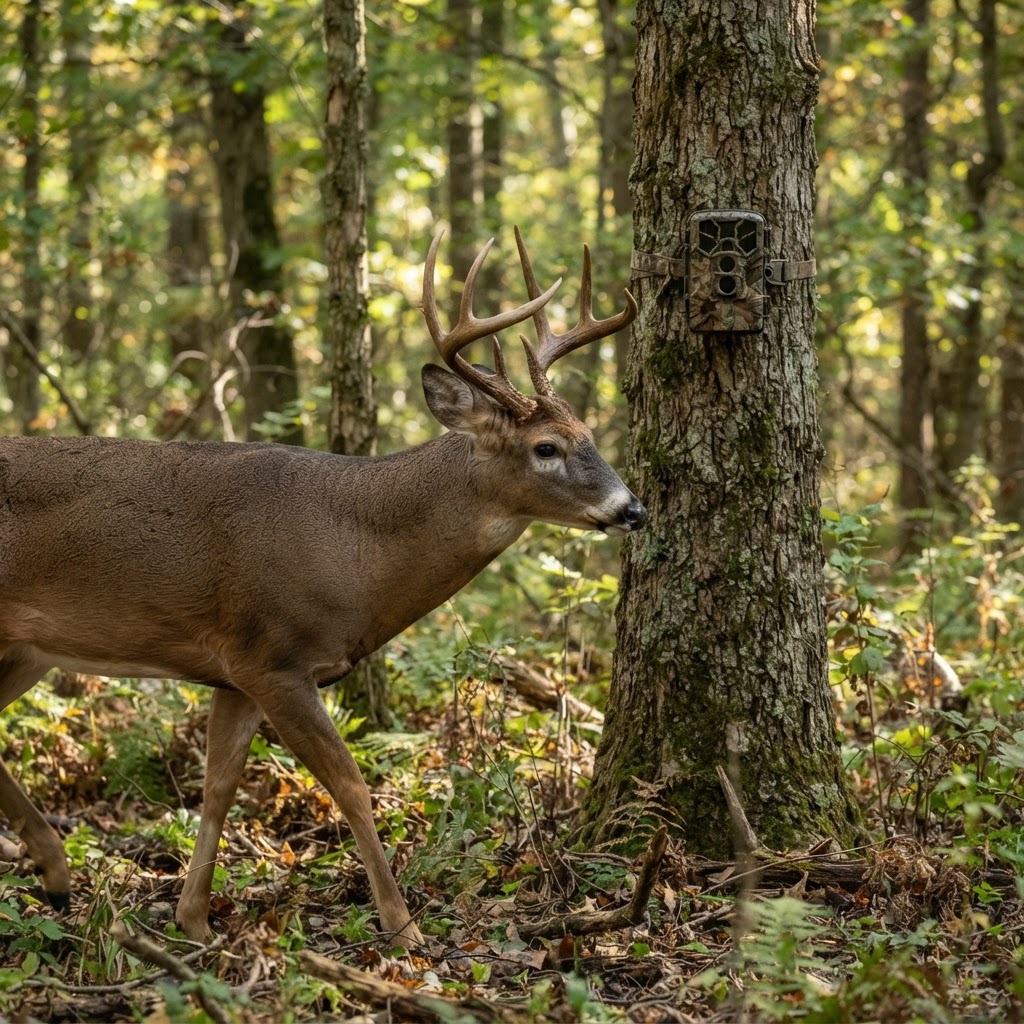
Deciphering the Digital Herd: A Practical Guide to Trail Camera Pattern Recognition
Drowning in thousands of trail camera images? Learn how to turn raw photos into a strategic hunting advantage using intelligent image sorting tools.
From Thousands of Images to a Harvest Plan: Using Artificial Intelligence to Sort Your Trail Camera Data
Drowning in hundreds of empty trail camera photos? Learn how to leverage automated AI analysis to pinpoint deer movement patterns and save hours of manual scouting.