Pronghorn Antelope: A Hunter's Guide to Pursuing America's Fastest Land Animal
Introduction
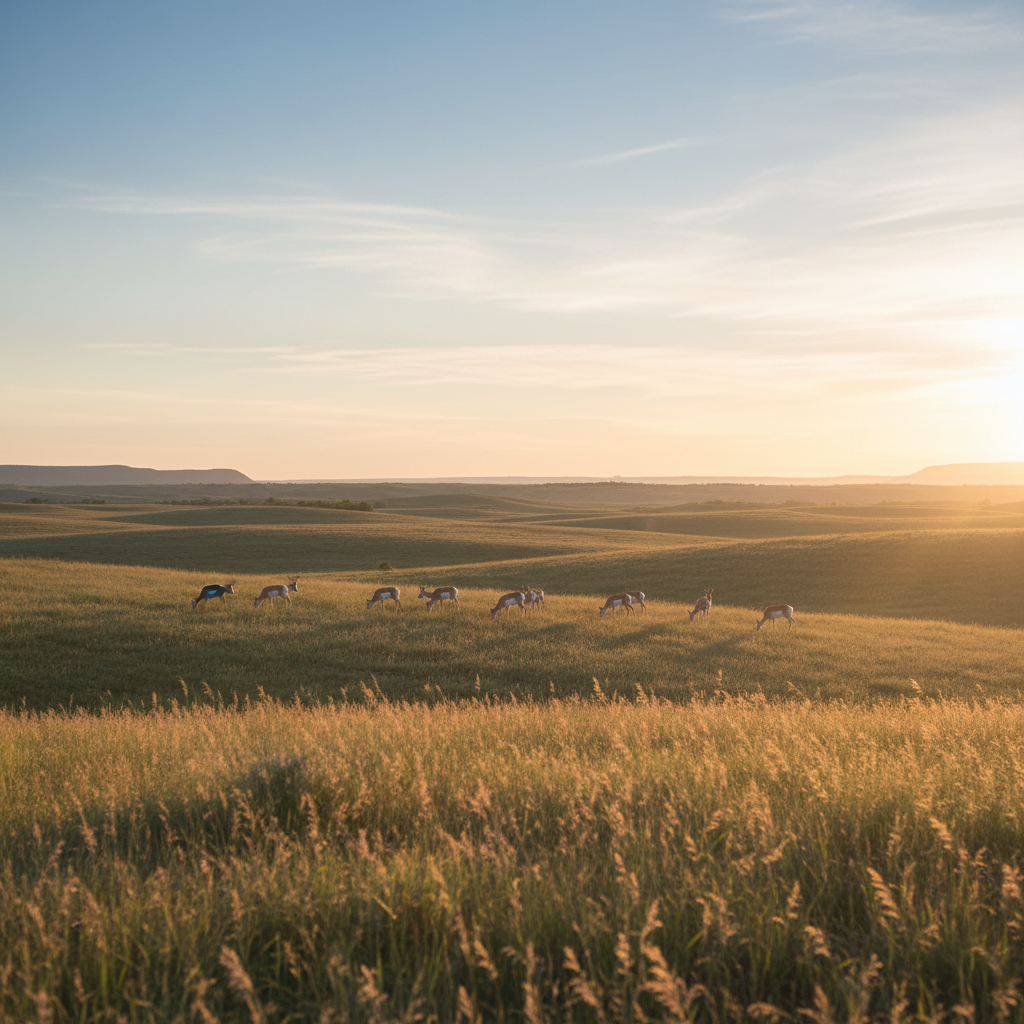
Pronghorn antelope, known for being the fastest land mammals in North America, are a unique species that offer an exciting challenge for hunters across the United States. With their striking appearance and incredible speed, these remarkable animals are a prized target for many outdoor enthusiasts. In this comprehensive guide, we will explore their biology, behavior, habitat, effective hunting tactics, gear recommendations, the best times for hunting, and valuable tips for both new and experienced hunters.
Biology and Behavior of Pronghorn Antelope
Pronghorns (Antilocapra americana) are not true antelopes but belong to their own family, Antilocapridae. They possess a unique combination of speed in their physical structure, capable of reaching speeds up to 60 mph. This adaptation allows them to outrun most predators in their habitat.
Pronghorns exhibit distinct sexual dimorphism: males, known as bucks, are larger than females and often feature prominent black and white markings, including horns that can grow up to 12 inches long. Their keen eyesight aids in detecting predators, making stealthy approaches critical during hunting.
Social Structure and Behavior
Pronghorns typically form herds, with bucks often leading solitary lives or joining small bachelor groups during the off-season. During the mating season, which usually occurs in late summer, dominance displays become prominent as males compete for the attention of females (does).
Habitat and Range
Pronghorns thrive primarily in the open plains and grasslands of the western United States, with significant populations in states like Wyoming, Montana, and Colorado. They prefer areas with adequate cover, wide-open spaces, and plentiful forage.
Understanding the geographical range and seasonal migration patterns is essential for successful hunting. Factors such as habitat diversity and food sources play a significant role in pronghorn locations throughout the year.
To scout potential hunting areas, utilize interactive hunting maps to identify hotspots across various states.
Effective Hunting Tactics and Gear
Hunting Tactics
- Stalking and Spotting: Pronghorns are known for their keen eyesight. Start your hunt early in the day or late in the evening when they are more active. Use elevated positions or natural cover for spotting and stalking.
- Decoying: Using decoys can be an effective approach to attract pronghorns, especially during the rutting season. Position the decoy away from your hunting spot to draw them closer.
- Spot and Stalk: After spotting a herd, maneuver carefully to reduce detection. Keep low and utilize terrain features to your advantage.
Recommended Gear
- Rifle or Bow: Choose a well-calibrated rifle (typically .243 WIn, .270 Win, or .300 WIn) or a compound bow with adequate range and precision.
- Optics: High-quality binoculars and scopes are critical for spotting pronghorns from a distance.
- Camouflage Clothing: Wear camouflage appropriate for your environment to blend into the surroundings.
- Rangefinder: Accurate distance measurements are vital for effective shots.
E-Tag States

Harvest Tags
E-check means you supply the tag. Printed with the exact fields your state requires.
3-pack $19.95
For gear options, check out for everything you need to ensure a successful hunt.
Best Times for Hunting Pronghorn Antelope
Pronghorn antelope can be hunted throughout the fall, with the best time typically during the early season (September to October) when they are in their prime and more active. This period coincides with the rut, making it an ideal time for hunters aiming to catch bucks displaying territorial behavior.
Consult the hunting season calendar for specific dates and regulations relevant to your state, as they can vary significantly.
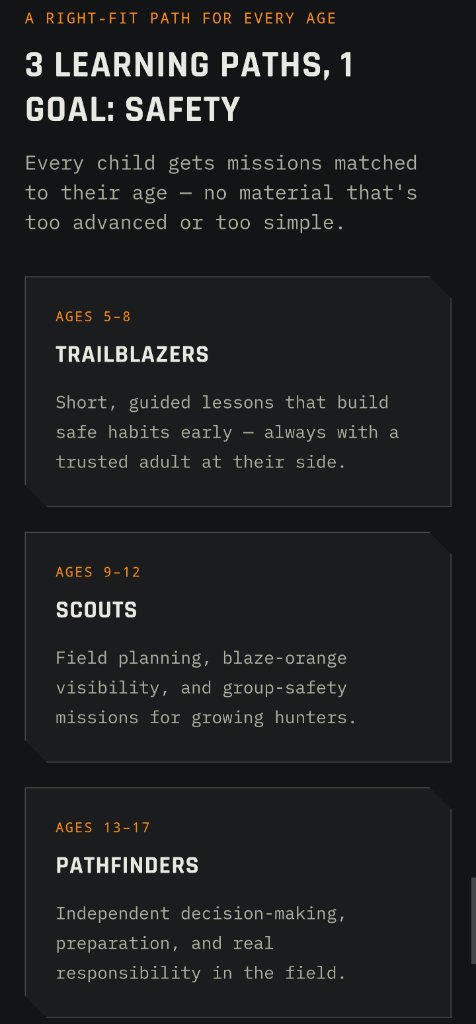
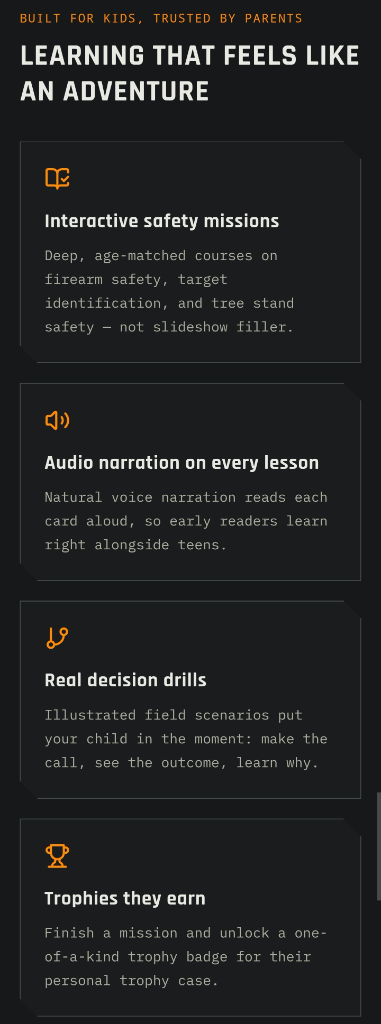
Raise a safe, confident young hunter.
Guide your kids ages 5–17 through interactive hunting safety missions, real decision drills, and earned trophies — all from one free parent account.


Tips for New and Experienced Hunters
-
For New Hunters:
- Research: Learn about pronghorn behavior and local hunting regulations by visiting state hunting resources for detailed information.
- Practice: Spend time honing your shooting skills and understanding how to stalk effectively without being detected.
- Join a Community: Connect with other hunters through our community groups to share tips, experiences, and advice.
-
For Experienced Hunters:
- Adapt Tactics: If you're familiar with typical approaches, consider switching to less conventional methods, like using calling techniques to mimic the sounds of does.
- Utilize Technology: Various hunt planning tools can enhance your hunting strategy by providing data on animal movements and weather conditions.
Conclusion
Hunting pronghorn antelope presents a unique set of challenges, from their swift movements to their keen senses. Whether you are a novice or an experienced hunter, understanding their biology, behavior, and effective hunting practices will certainly elevate your chances for success. Embrace the experience, respect wildlife, and enjoy your time in the field. For more insights and resources, explore our hunting blog for the latest tips, trends, and community insights. Happy hunting!
For additional information, check out resources from the U.S. Fish and Wildlife Service to ensure you are up to date with best practices for conservation and hunting regulations.
Explore More on Buckeye Hunter Hub
<!-- links-cleaned -->Free hunting map, zones & 50-state resources
Save your spots, share zones with your group, and get deer & waterfowl movement forecasts — free.
Join 255 hunters and anglers on Buckeye Hunter Hub — free.
Latest from the Community



New drop
Fresh Buckeye Hunter Hub tees & hoodies


Everything you need to hunt smarter — free
Buckeye Hunter Hub is a free, nationwide platform. Create an account and unlock the full toolkit:
Free Interactive Hunting Map
Mark stands, cameras, and sign. Draw hunting zones with public land & county overlays across all 50 states.
Zones with Group Sharing
Share zones with your hunting group, split property into sections, assign stands, and check in — all in one place.
50 States of Hunting Resources
Season dates, license links, and DNR regulations for every state, kept current so you never miss an opener.
Deer Movement Forecast
Data-driven daily movement predictions using wind, moon, and pressure — know when to sit before you go.
Waterfowl Movement & Tools
Flight-potential forecasts, migration numbers, decoy spread planner, and a full species field guide.
From the Maker Bench

Taggart Outdoors
Padded Rifle Sling
Hand-built in the USA · $134.99
Shop the MakerNew drop
Fresh Buckeye Hunter Hub tees & hoodies
Shop This

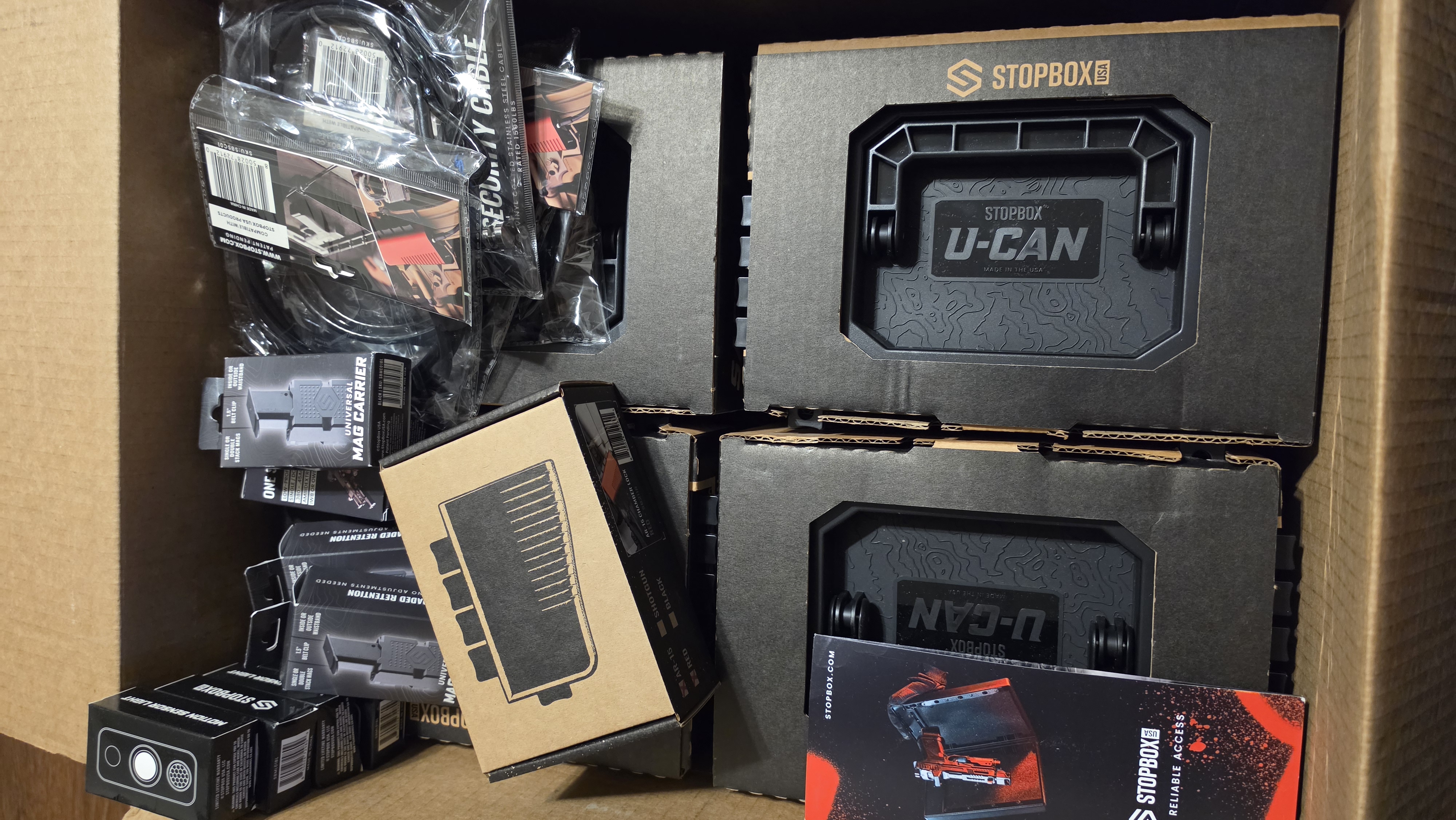
StopBox Pro Ward | Wall-Mounted
$179.00$199.99

StopBox Pro Compact
$159.00$179.99

Buckeye Hunter Hub Tee — No Tag Left Behind
$20.55

Buckeye Hunter Hub Hoodie — No Tag Left Behind
$32.87
E-Tag States
Harvest Tags
E-check means you supply the tag. Printed with the exact fields your state requires.
3-pack $19.95
More Articles
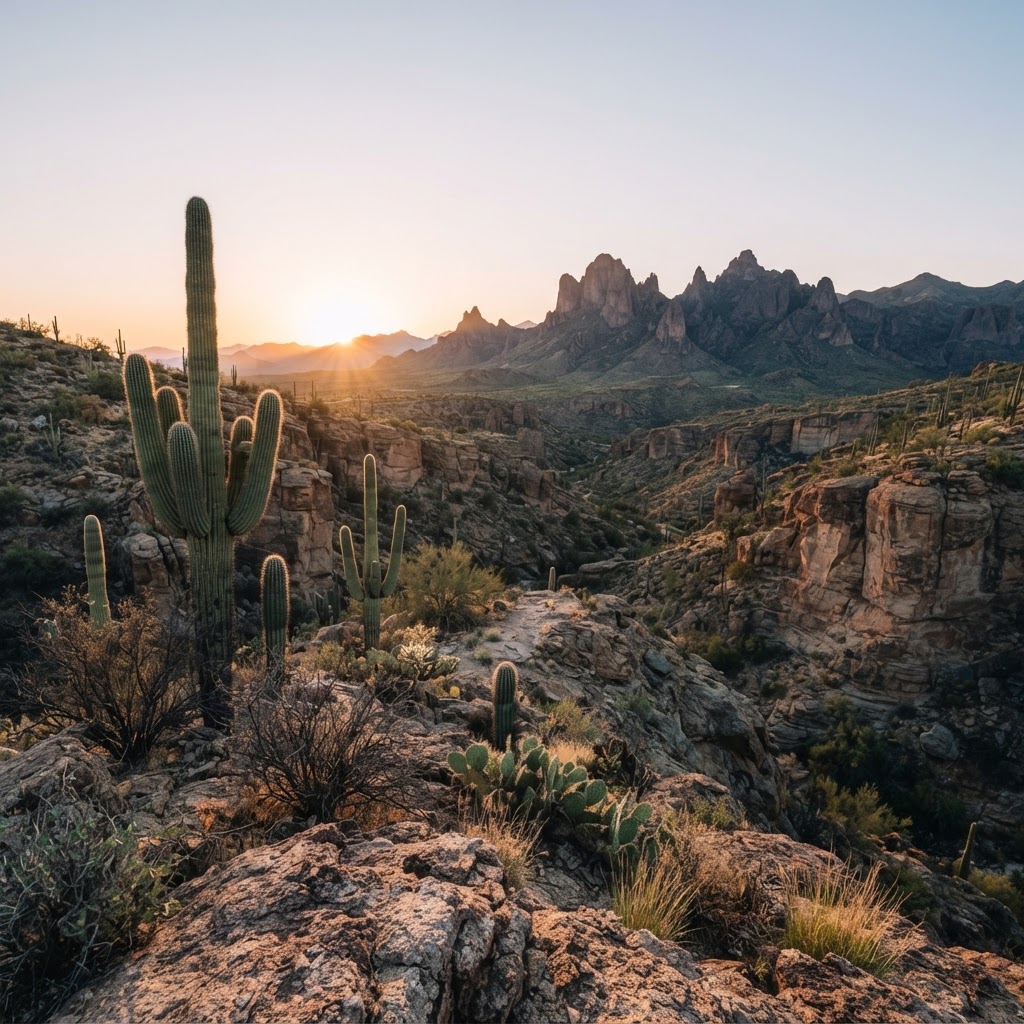
Desert Pursuits: A Comprehensive Guide to Arizona Big Game Hunting
From the high-country pines to the cactus-studded basins, Arizona offers some of the most challenging and rewarding hunting experiences in the American Southwest.
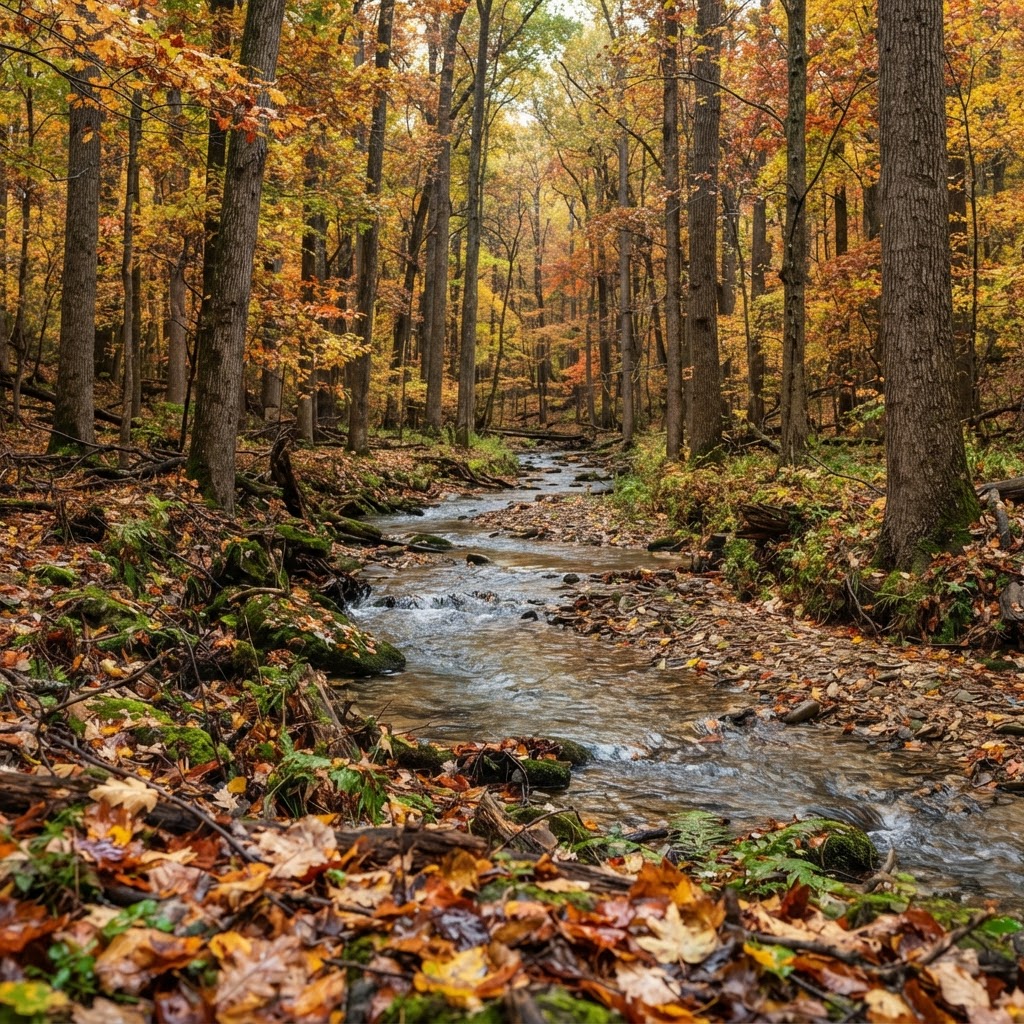
Hoosier Heartland Pursuit: A Tactical Guide to Indiana Public Land Hunting
Indiana is a hidden gem for the public land hunter. Discover how to navigate state-managed properties and national forests to find your next trophy while avoiding the crowd.

The Last Frontier: A Strategic Guide to Alaskan Big Game Hunting
Alaska offers the ultimate challenge for the American sportsman, combining vast wilderness with unmatched species diversity. From planning your logistics to understanding the unique terrain, here is how to navigate the complexities of hunting the Last Frontier.

Gear Up for the Field: Introducing the New Little Brown Duck Dog Hoodie
Meet your new favorite layer for the duck blind and beyond: the Buckeye Hunter Hub Little Brown Duck Dog hoodie is here to keep you warm and looking sharp.