
Mastering the Woodsmanship: Reading Deer Sign Like a Pro
Decoding the Language of the Whitetail
Every time a buck moves through the timber, he leaves behind a breadcrumb trail. For the casual observer, the woods are just trees and brush, but for the seasoned hunter, they are a narrative of animal movement, social hierarchy, and security. At Buckeye Hunter Hub, we believe that understanding deer sign is the bridge between spending long hours on stand and actually punching your tag. To consistently fill your freezer, you must learn to read the landscape.
Get in the Community feed
Hunters and anglers nationwide posting bucks, catches, trail cam pics and what's working right now.


The Anatomy of Rubs: Identifying Intent
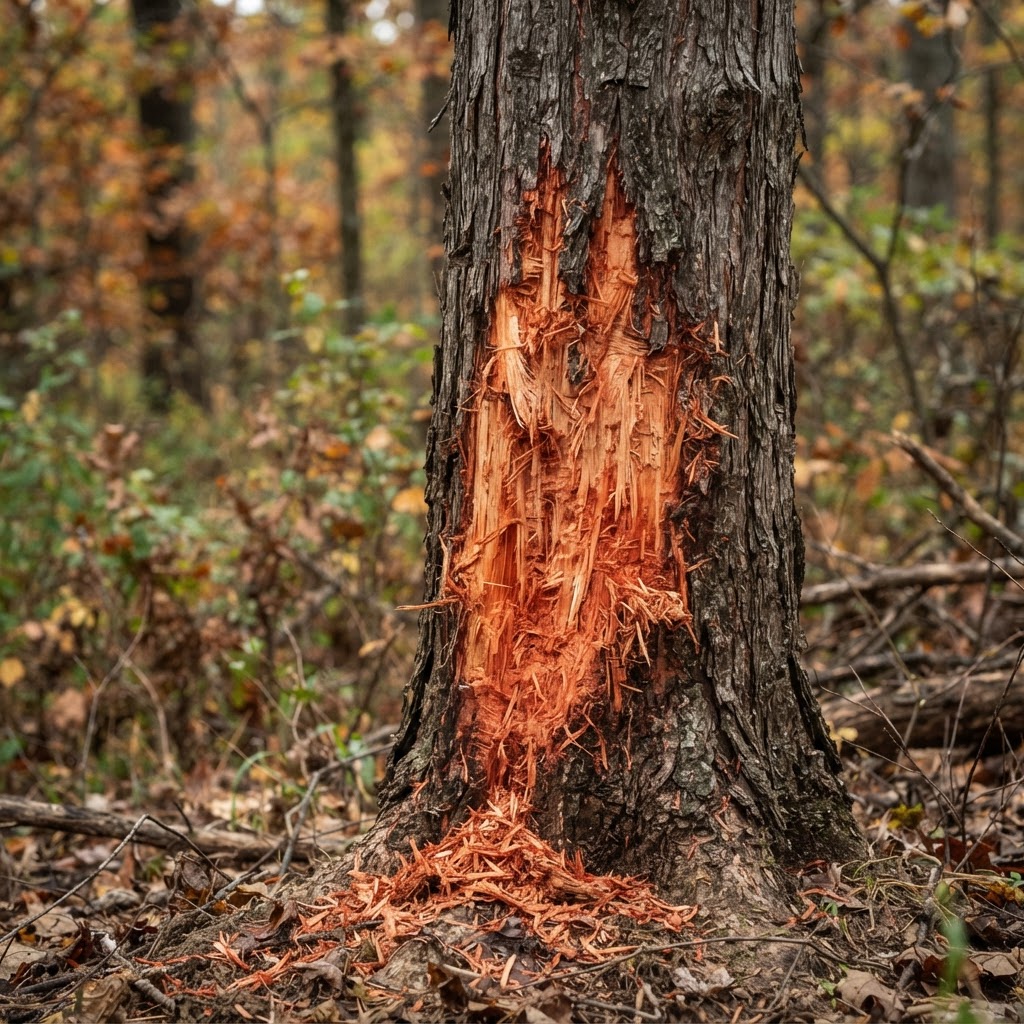
Rubs are perhaps the most misunderstood sign in the woods. Many hunters see a shredded sapling and assume a giant buck is nearby, but context is everything. When you encounter a rub, look for the 'why' behind it.
Size and Height Matter
A pencil-thin sapling rubbed at knee height might suggest a young buck practicing his sparring, but a thick cedar or pine trunk shredded up to chest height indicates a mature buck expressing dominance. These 'boundary line' rubs are often found along travel corridors or near the edge of core bedding areas.
The Timing of the Rub
Early-season rubs, often found in clusters, represent a buck’s transition from bachelor groups to solitary living. As the rut approaches, look for 'line rubs,' where a buck has traveled along a ridge or a creek drainage, marking territory as he goes. If you are scouting, use our to overlay these rub lines with terrain features like pinch points and saddles. Mapping these signs allows you to visualize the buck's travel route over time.
Scrapes: The Social Bulletin Board
Scrapes are the social hubs of the deer world. Throughout the pre-rut, bucks will paw away the leaves to expose bare earth, often licking the overhanging branch above to leave their scent.
The Overhanging Branch
The most important part of a scrape isn't the ground patch; it is the licking branch. A scrape without a distinct, broken, or rubbed branch is often just a random pawing spot. A 'community' scrape, where multiple bucks and does visit, will have a clearly defined, heavy branch. If you find a fresh, active scrape with a licking branch, you have found a location worth monitoring for several days.
E-Tag States

Harvest Tags
E-check means you supply the tag. Printed with the exact fields your state requires.
3-pack $19.95
Strategic Placement
Don't waste your time hunting a scrape that is buried deep in a thicket. Mature bucks often check scrapes during daylight hours only when they are located on the fringes of their home range or near travel corridors. To understand when these animals are most likely to move, check our . By pairing this data with real-world, ground-level scouting, you can predict exactly when a buck is likely to swing by and check his 'mail.'
Unlocking the Bed: High-Pressure Tactics
Raise a safe, confident young hunter.
Guide your kids ages 5–17 through interactive hunting safety missions, real decision drills, and earned trophies — all from one free parent account.




Finding a deer bed is the holy grail of hunting strategy, but it requires extreme caution. If you push a buck out of his bedroom, you may not see him on that property for weeks.
Reading the Bedding Architecture
A buck’s bed is not random. He selects locations based on three factors: wind, sightlines, and escape routes. Look for beds on sidehills, tucked into blowdowns, or amidst thick, impenetrable dogwood or cedar cover. A buck will almost always bed with his back to a solid object and a clear view or wind-scent check of the downwind side.
Respecting the Sanctuary
If you find a high-quality bedding area, do not sit directly on it. Instead, focus on the 'staging areas'—the transition zones where cover meets more open timber. Here, deer will often pause, browse, and check the wind before moving into the open as darkness falls. Understanding is critical here; deer are energy-efficient creatures that follow the path of least resistance. They will choose a bed that allows them to minimize movement while maximizing protection.
Putting It All Together
Reading sign is a cumulative skill. One rub, one scrape, and one bed tell a story, but collectively, they paint a map of a deer’s life. When scouting, carry a notebook or use the digital tools at Buckeye Hunter Hub to mark your findings. Look for how these signs connect to water sources, food plots, and travel corridors.
If you are feeling overwhelmed, remember that you don't need to reinvent the wheel. Reach out to local experts via our to see how others in your state are interpreting local patterns. Furthermore, always check your to ensure your scouting practices comply with local regulations and season dates.
By focusing on the subtle clues left behind in the mud and on the bark, you stop hunting where you hope a deer is and start hunting where the deer is. That shift in mindset is exactly what separates the occasional hunter from the lifetime woodsman.
Free hunting map, zones & 50-state resources
Save your spots, share zones with your group, and get deer & waterfowl movement forecasts — free.
Join 141 hunters and anglers on Buckeye Hunter Hub — free.
Everything you need to hunt smarter — free
Buckeye Hunter Hub is a free, nationwide platform. Create an account and unlock the full toolkit:
Free Interactive Hunting Map
Mark stands, cameras, and sign. Draw hunting zones with public land & county overlays across all 50 states.
Zones with Group Sharing
Share zones with your hunting group, split property into sections, assign stands, and check in — all in one place.
50 States of Hunting Resources
Season dates, license links, and DNR regulations for every state, kept current so you never miss an opener.
Deer Movement Forecast
Data-driven daily movement predictions using wind, moon, and pressure — know when to sit before you go.
Waterfowl Movement & Tools
Flight-potential forecasts, migration numbers, decoy spread planner, and a full species field guide.

American Express® Gold Card
Earn big on the things you love—dining, groceries, and travel. Apply through my referral link below.
- Up to 100,000 Membership Rewards® Points after you use your new Card to make $8,000 in purchases in the first 6 months—upon approval.
- 4X Membership Rewards® Points at restaurants worldwide, plus takeout and delivery in the U.S.
- 4X Points at U.S. supermarkets (on up to $25,000 per year, then 1X).
- 3X Points on flights booked directly with airlines or on amextravel.com.
- Up to $120 in annual dining credits at select partners (enrollment required).
Terms apply. Offer subject to approval by American Express. This is a referral link—I may receive Membership Rewards® Points if you are approved.
Shop This

StopBox Pro Ward | Wall-Mounted
$179.00$199.99

StopBox Pro Compact
$159.00$179.99

BHH Marsh Camo Socks
$19.99

Warden Ticket Men's Mesh Shorts
$47.99
E-Tag States
Harvest Tags
E-check means you supply the tag. Printed with the exact fields your state requires.
3-pack $19.95
More Articles
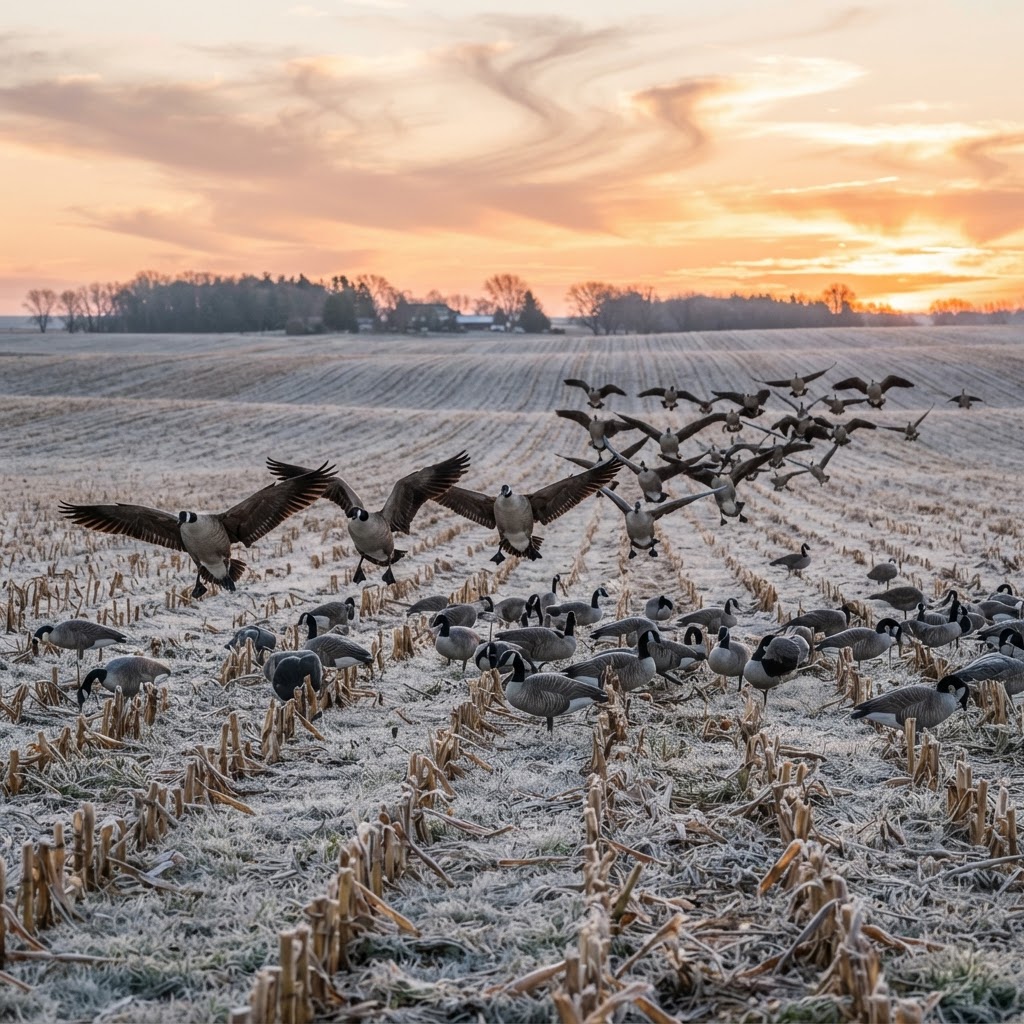
Tactical Honker Tactics: Deciphering Weather and Movement for Late Season Success
When the mercury drops and the migration intensifies, your field strategy must adapt. Learn how to read the barometer and adjust your spread to dominate late-season Canada geese.

Unlocking Idaho’s Vast Frontier: A Public Land Navigator
Vast, rugged, and full of opportunity, Idaho offers some of the most expansive public land hunting in the United States. Here is your roadmap to navigating the Gem State’s premier wilderness areas.
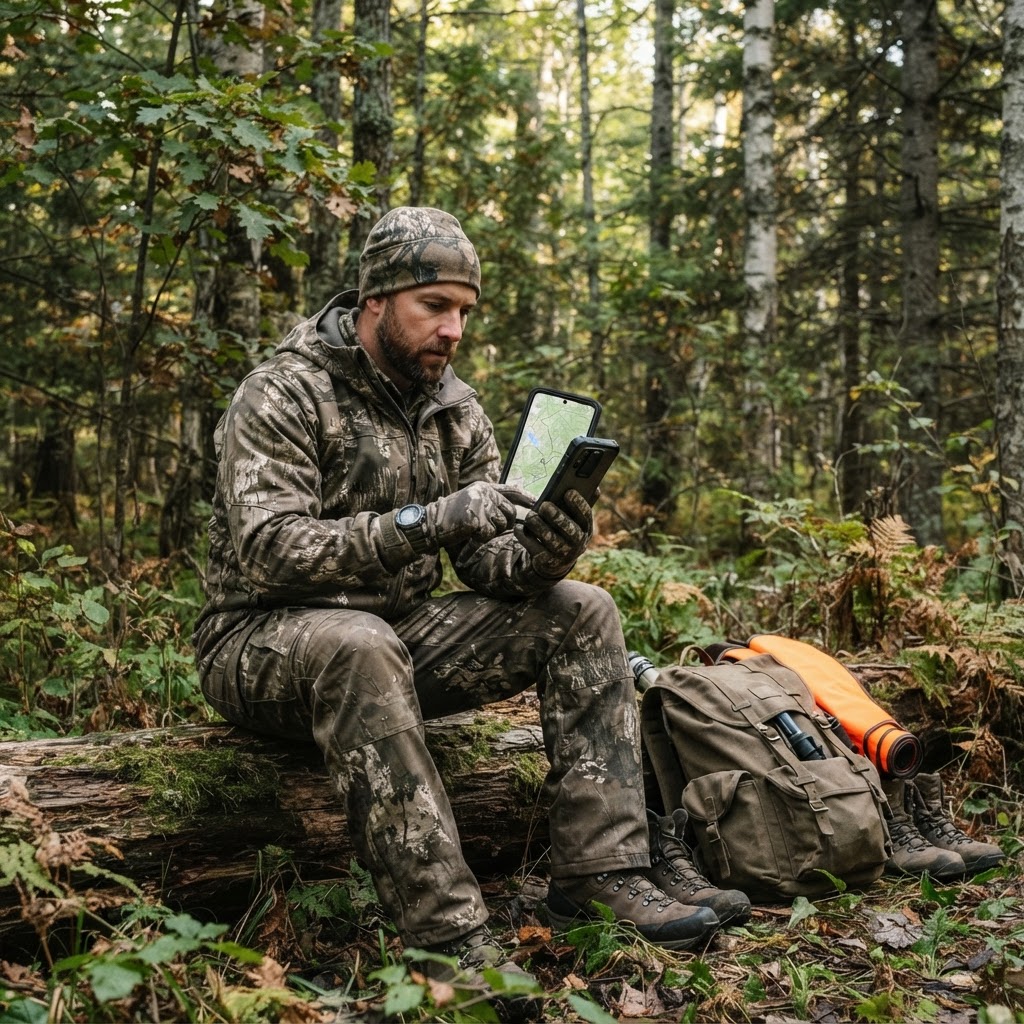
Behind the Patch: Joining the Buckeye Hunter Hub Ambassador Program
Curious what it takes to join the ranks of our national team? Discover the reality of the Buckeye Hunter Hub Ambassador Program, a dedicated network for serious sportsmen.
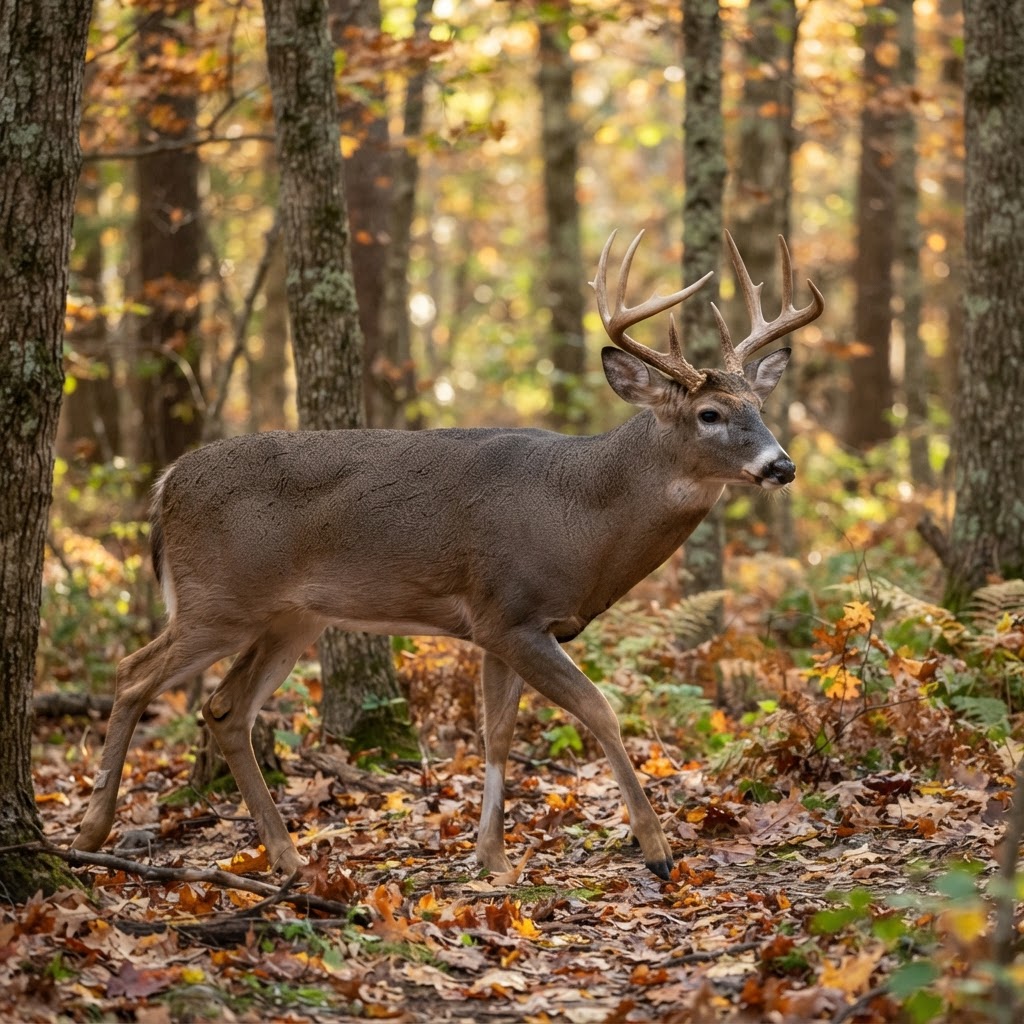
Data-Driven Scouting: Automating Your Trail Camera Analysis
Tired of spending hours sifting through thousands of trail camera images? Learn how to let AI do the heavy lifting so you can focus on putting a tag on your target buck.