Mastering the Woods: A Guide to Reading Deer Sign
Decoding the Landscape: A Hunter's Guide to Deer Sign
For many hunters, the excitement of the season begins the moment they step into the timber. However, true woodsmen know that the real hunt happens in the details left behind by the deer. Whether you are stalking in the early archery season or sitting in late-winter cover, learning how to read the landscape is the most effective way to turn a random encounter into a high-percentage shot. At Buckeye Hunter Hub, we believe that understanding the language of the woods is a skill that separates successful hunters from those who simply go for a walk in the leaves.
Raise a safe, confident young hunter.
Guide your kids ages 5–17 through interactive hunting safety missions, real decision drills, and earned trophies — all from one free parent account.



Rubs: The Calling Cards of Mature Bucks
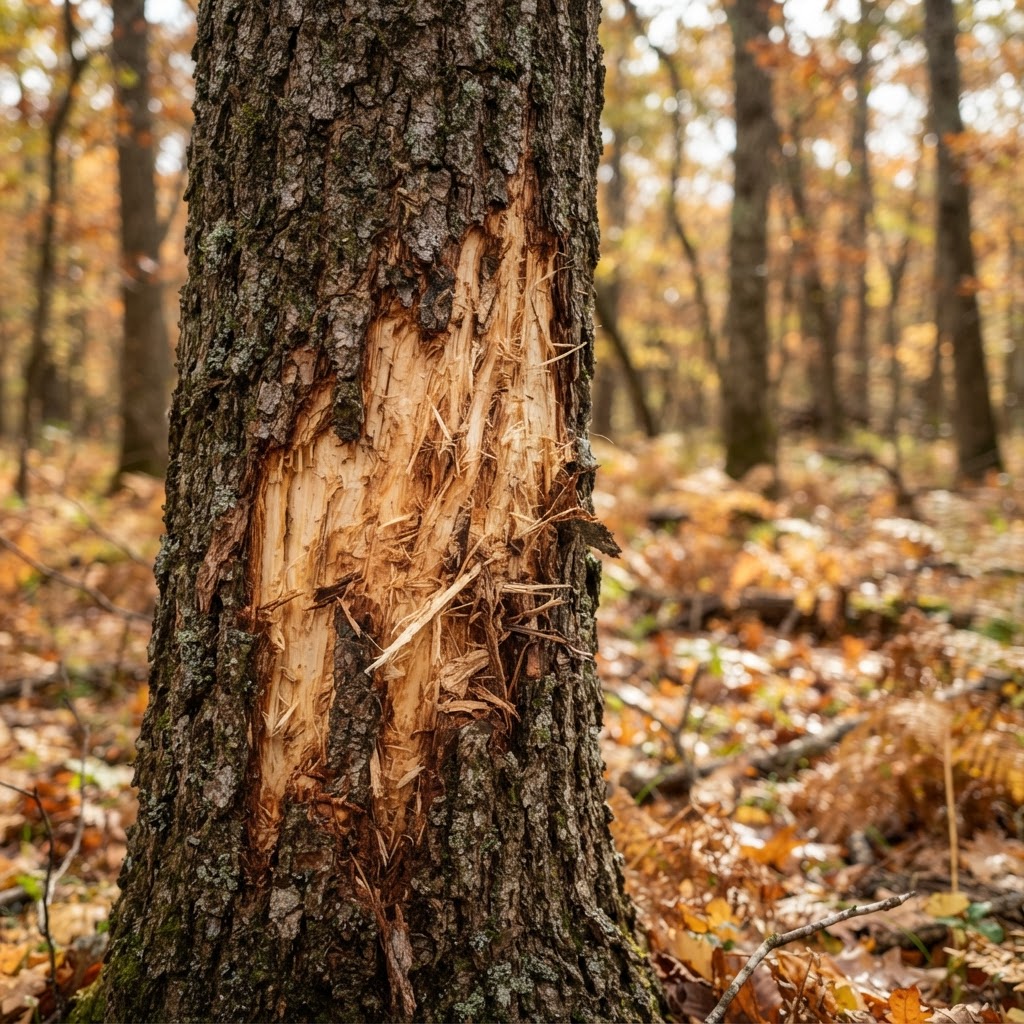
Rubs are perhaps the most misunderstood sign in the woods. Many hunters see a shredded sapling and think it indicates a 'hot' area, but the truth is more nuanced. A rub is simply a buck removing velvet or asserting dominance. While a random rub can appear anywhere, a 'rub line' tells a story.
Look for rub lines that follow terrain features like benches, ridges, or the edge of a thicket. These are travel corridors. If you find large trees being shredded—often termed 'big buck rubs'—you are looking at an area the buck visits frequently during the pre-rut. Pay attention to the height of the rub; if the buck is reaching high into a sapling, you are likely tracking a mature deer. Use our to mark these clusters, as a series of rubs often dictates the exact path a buck takes when transitioning between bedding and feeding areas.
Scrapes: The Social Hubs
Harvest Tags
E-tagging means you supply the tag. These weatherproof, write-on tags carry the exact fields your state requires — 3-pack $19.95, free shipping.
Shop Harvest TagsFree hunting map, zones & 50-state resources
Save your spots, share zones with your group, and get deer & waterfowl movement forecasts — free.
Scrapes are the social centers of the deer world. A scrape is an area where a buck has pawed away the leaves and organic matter to expose the dirt, often accompanied by an overhanging branch that the buck will rub with his forehead and preorbital glands.
Early in the season, scrapes are 'mock' or territorial. As the rut approaches, these become 'active' sites where bucks check for the scent of receptive does. If you find a scrape with fresh, moist dirt and a strong scent of musk, you have found a location worth monitoring. It is a common mistake to hunt directly over a scrape during the day; mature bucks are nocturnal around these hubs. Instead, set your stand 30 to 50 yards downwind on the likely travel path leading to the scrape. To better understand the timing of these activities, cross-reference your findings with to see how phases of the moon and weather influence social interactions.
Locating Bedding Areas
Finding a buck's bedroom is the 'holy grail' of scouting, but it comes with a warning: handle with care. If you push a deer out of its bed, you might not see that deer in that spot for the rest of the season.
Bedding areas are usually located in thick, high-cover spots that offer a mechanical advantage—usually an elevated position with a view of the downwind side. Look for 'dished out' areas in tall grass, ferns, or near fallen timber. Mature bucks love to bed on points that allow them to smell what is coming from behind them while watching the valley below. If you are struggling to find consistent activity, check to see if you are in a transition phase, as deer will often shift their bedding preferences from open hardwoods in the summer to thick pine or swamp cover as the temperature drops.
Putting it All Together
Reading sign is about looking for the 'why' behind the 'what.' Why is the scrape here? Why is the rub line parallel to the creek? When you start asking these questions, you transition from a spectator to a strategist. Remember that deer sign is fluid. A scrap line that is hot on October 20th might be abandoned by November 5th as the focus shifts from social interaction to breeding.
Never forget that scouting is an ongoing process. Use the off-season to walk your property and study the terrain without the pressure of a harvest. If you find your local territory is changing due to development or forestry, consult your for information on public land improvements or local wildlife management plans.
Ultimately, hunting is a game of patience and observation. By learning to decode the rubs, scrapes, and beds on your land, you are not just guessing where the deer will be—you are predicting their movements with the precision of a seasoned pro. Keep your eyes up, stay quiet, and trust the sign you find in the dirt. For more tips on habitat management and scouting tactics, check out the rest of here at Buckeye Hunter Hub.
Join 91 hunters and anglers on Buckeye Hunter Hub — free.
Everything you need to hunt smarter — free
Buckeye Hunter Hub is a free, nationwide platform. Create an account and unlock the full toolkit:
Free Interactive Hunting Map
Mark stands, cameras, and sign. Draw hunting zones with public land & county overlays across all 50 states.
Zones with Group Sharing
Share zones with your hunting group, split property into sections, assign stands, and check in — all in one place.
50 States of Hunting Resources
Season dates, license links, and DNR regulations for every state, kept current so you never miss an opener.
Deer Movement Forecast
Data-driven daily movement predictions using wind, moon, and pressure — know when to sit before you go.
Waterfowl Movement & Tools
Flight-potential forecasts, migration numbers, decoy spread planner, and a full species field guide.

American Express® Gold Card
Earn big on the things you love—dining, groceries, and travel. Apply through my referral link below.
- Up to 100,000 Membership Rewards® Points after you use your new Card to make $8,000 in purchases in the first 6 months—upon approval.
- 4X Membership Rewards® Points at restaurants worldwide, plus takeout and delivery in the U.S.
- 4X Points at U.S. supermarkets (on up to $25,000 per year, then 1X).
- 3X Points on flights booked directly with airlines or on amextravel.com.
- Up to $120 in annual dining credits at select partners (enrollment required).
Terms apply. Offer subject to approval by American Express. This is a referral link—I may receive Membership Rewards® Points if you are approved.
Shop This

StopBox Pro Ward | Wall-Mounted
$179.00$199.99

StopBox Pro Compact
$159.00$179.99

Night Marsh Women's Athletic Shorts
$46.99

Night Marsh Socks
$19.99
Harvest Tags
E-tagging means you supply the tag. These weatherproof, write-on tags carry the exact fields your state requires — 3-pack $19.95, free shipping.
Shop Harvest TagsMore Articles
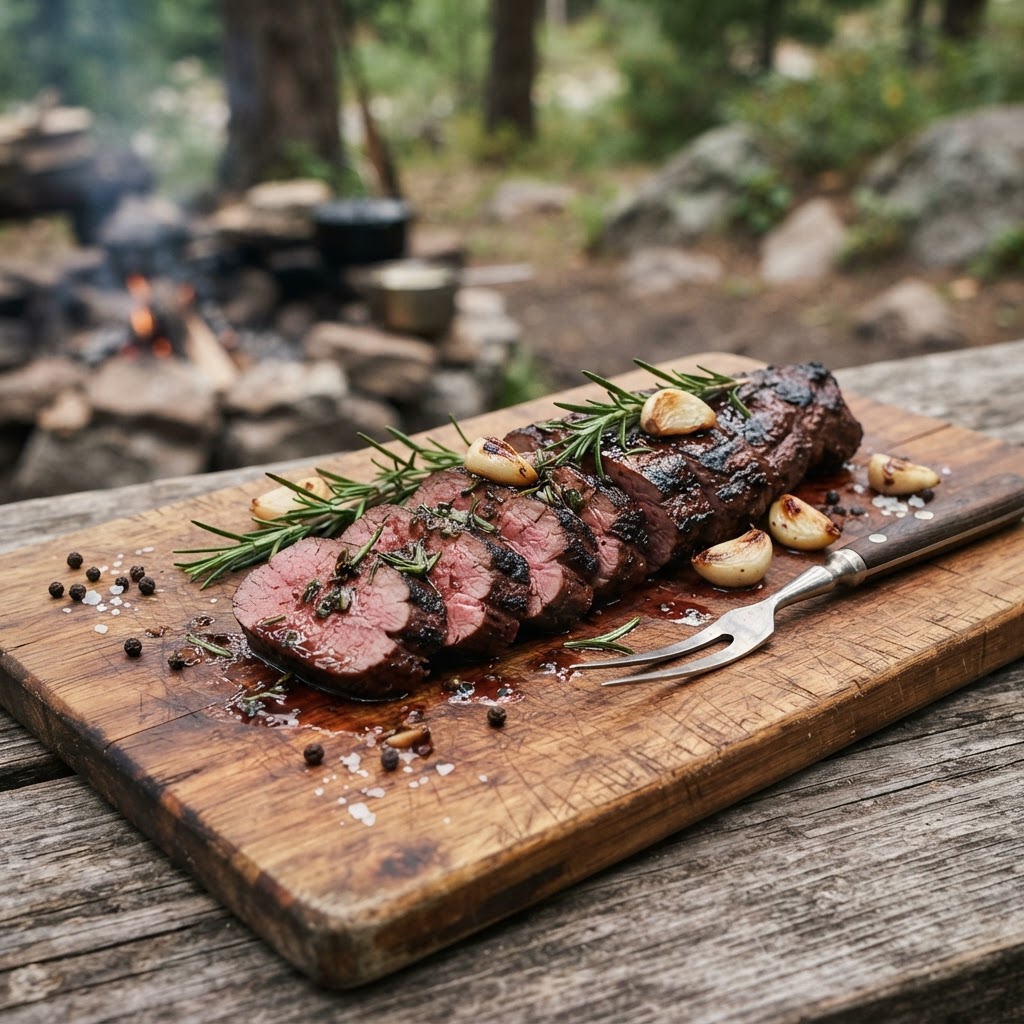
Mastering the Venison Backstrap: A Red Wine Reduction Guide
Elevate your harvest with the perfect pan-seared venison backstrap, finished with a rich, velvety red wine reduction that highlights the meat's natural flavor.

StopBox Pro/Compact BOGO Review: A Hunter's Tactical Advantage
Is the StopBox Pro/Compact BOGO the ultimate storage solution? We break down the value, security, and utility of this two-for-one defensive bundle.
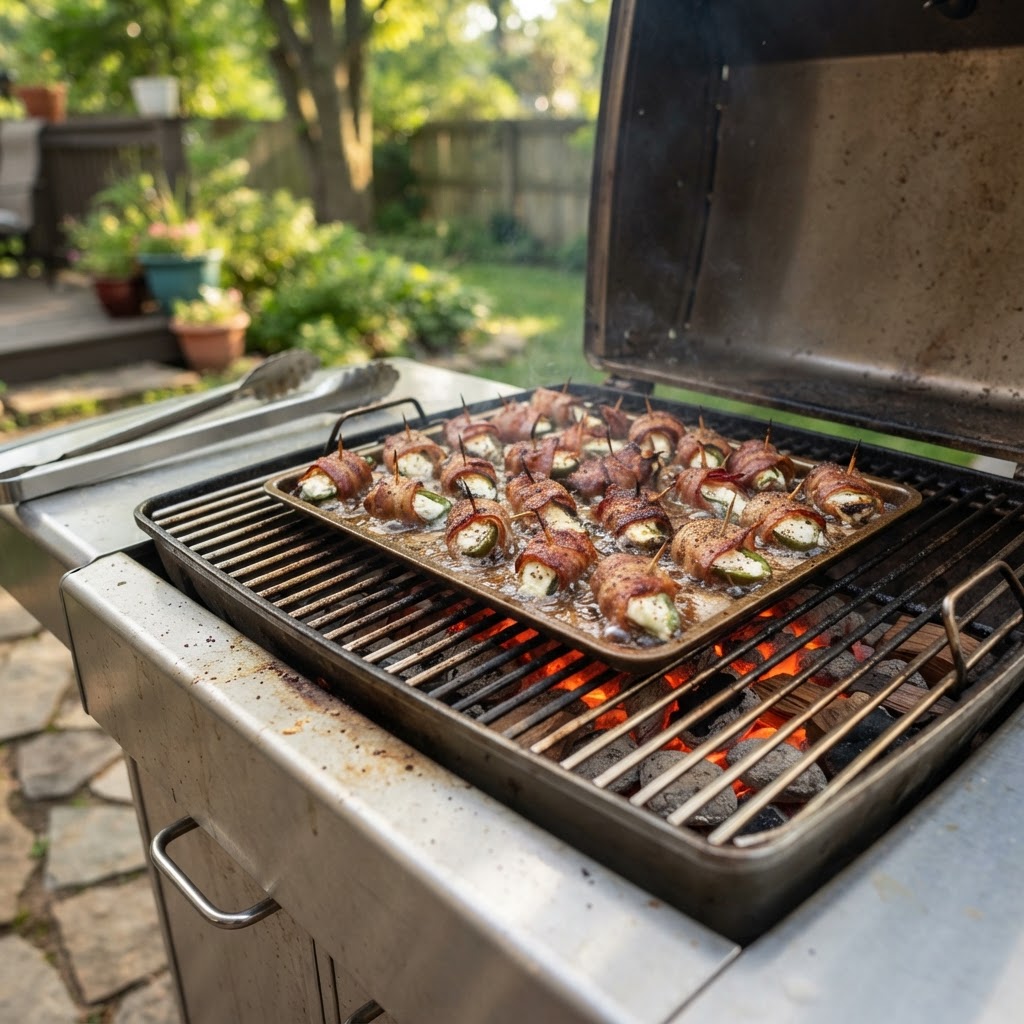
The Ultimate Grilled Dove Poppers: A Savory Game Day Classic
Turn your hard-earned dove harvest into the perfect appetizer with these bacon-wrapped, cream cheese-stuffed grilled poppers.
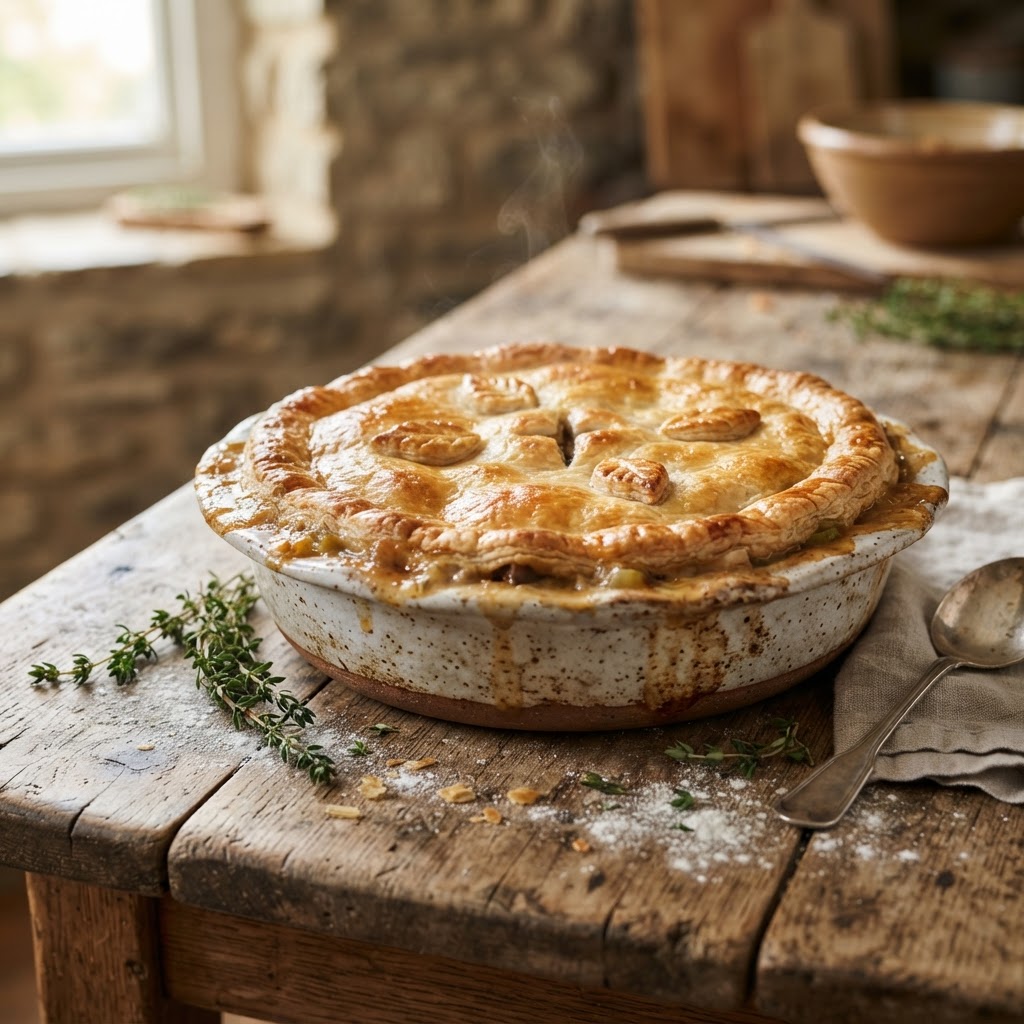
The Ultimate Pheasant Pot Pie: A Field-to-Table Classic
Transform your hard-earned pheasant harvest into a comforting, elevated classic with this foolproof pot pie recipe designed for the wild game kitchen.