
Field Hunting Canada Geese: Spreads, Motion, and Concealment
Understanding the Goose Mindset
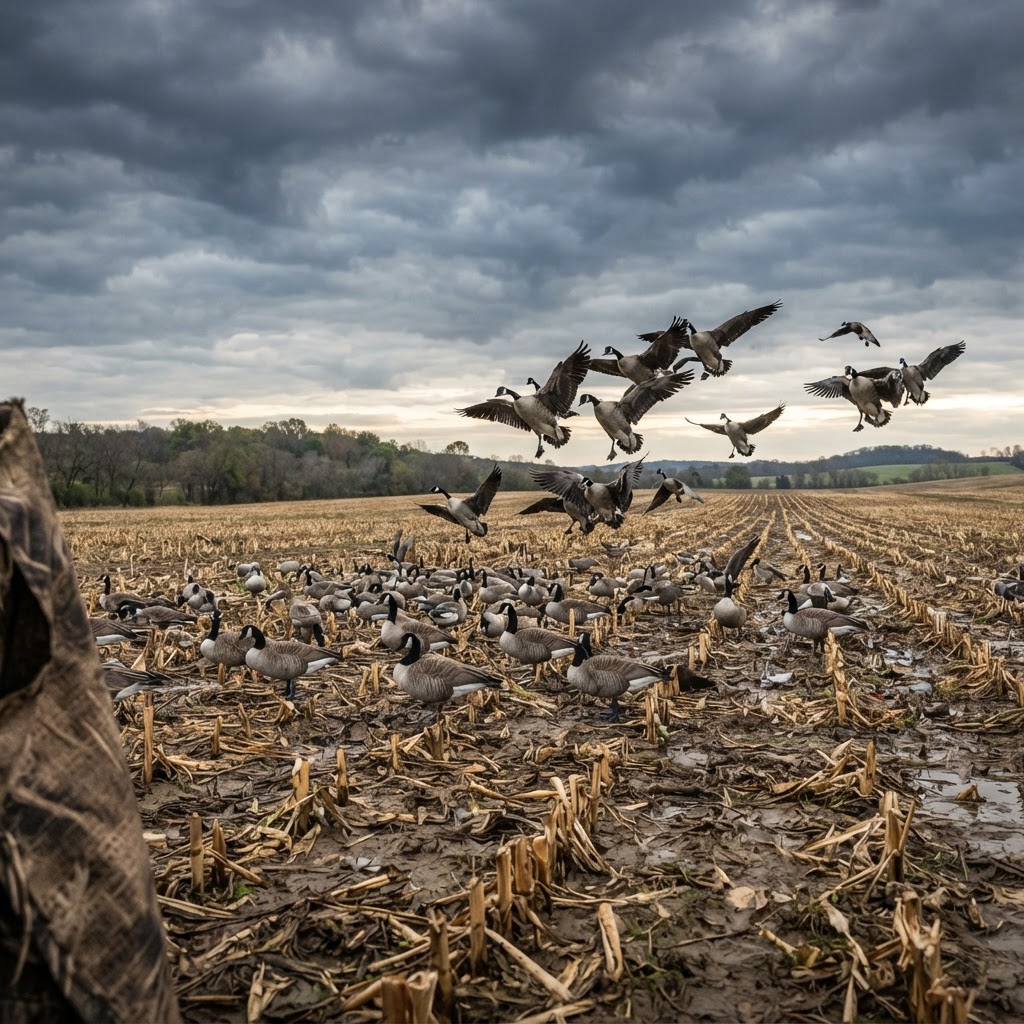
Field hunting Canada geese is a game of deception that starts long before you set your first decoy. Unlike local resident geese, migrators are often battle-hardened travelers that have seen every trick in the book from the Canadian prairies down to the southern reaches of the U.S. flyways. To be successful, you must understand what drives their movement. The most consistent triggers are cold fronts and falling barometric pressure. When the mercury drops and the north wind begins to howl at 10–20 mph, geese are biologically hardwired to move. If you are tracking these trends, check our to identify the windows when birds are most likely to dump into your fields.
Get in the Community feed
Hunters and anglers nationwide posting bucks, catches, trail cam pics and what's working right now.


Scouting: The Foundation of Success
There is no substitute for time in the truck. You need to identify exactly where the birds are feeding, not just where they are roosting. Look for waste grain—corn and soybeans are gold standards—and monitor the birds’ arrival times. Are they hitting the field mid-morning, or are they an early-arriving flock? Before you head out, you can review regional trends using to understand if a new push of northern birds has arrived in your area. If the birds have been pressured, they will change their patterns daily, so re-scouting the evening before a hunt is non-negotiable.
Building the Perfect Spread
Once you have found the X, the next challenge is creating a realistic presentation. Many hunters make the mistake of using too many decoys in a tight bunch. Canada geese are social, but they are also competitive. They want to land in the pocket, not on top of their peers. Use a landing zone (LZ) that is about 30 yards upwind of your blinds. A common mistake is crowding the LZ; keep it clear to encourage finishing birds to dump straight in. If you are unsure how to layout your gear, our can help you visualize how to integrate motion, confidence decoys, and feeders effectively.
The Importance of Motion
Static spreads look like a taxidermy shop to a seasoned goose. You need movement. Whether you use flags, motion stakes, or high-end rotary machines, the goal is to break up the silhouette of the plastic. In 10–20 mph winds, a few well-placed wind-sock decoys or spinning-wing flyers add a level of realism that solid bodies simply cannot match. However, do not overdo it. If the wind dies down, reduce the motion. Natural movement is better than erratic, frantic mechanical movement.
E-Tag States

Harvest Tags
E-check means you supply the tag. Printed with the exact fields your state requires.
3-pack $19.95
Concealment: The Final Frontier
Even a perfect spread will fail if the geese spot you. The most common cause of flared birds is poor concealment. Your blinds must match the field perfectly. If you are hunting a harvested corn field, use the stubble to brush in your layout blinds completely. Do not just throw a few corn stalks on top; weave them into the grass rails so the blind looks like a natural mound of earth or crop debris.
Remember, geese have incredible vision. If you are wearing a shiny watch, glasses with glare, or clothing that doesn't match the environment, they will pick it up from hundreds of yards away. Ensure your face is covered and stay still until the moment of truth.
Raise a safe, confident young hunter.
Guide your kids ages 5–17 through interactive hunting safety missions, real decision drills, and earned trophies — all from one free parent account.




Calling and Timing the Shot
Calling is an art, but it shouldn't be a symphony. Use aggressive, high-volume greeting calls when birds are at a distance to get their attention, but transition to subtle clucks and moans as they commit. If the birds are working well, stop calling. Nothing ruins a finish faster than an over-eager caller who won't quit.
When the birds hit that 10–20 yard range, keep your head down. Watching the birds with your eyes while keeping your face tucked is a skill that separates veteran hunters from novices. Wait for the command to 'take 'em' only when the birds have back-pedaled and are fully committed to the landing zone.
Preparing for the Conditions
As the season progresses and the weather turns, be prepared for 'bluebird' days to follow major fronts. During these periods, movement may slow, and birds will be more cautious. You may need to scale back your spread size and focus on maximum concealment. Always check to ensure you are maximizing your time in the field during the peak migration dates for your specific zone. For those new to identifying the specific sub-species moving through, our is a great resource to help you understand the behavioral nuances of different Canada goose strains.
Ultimately, field hunting is about adaptation. If the geese are landing 100 yards short of your spread, don't wait for them to fly into you—move your blinds or adjust your decoys. By staying flexible, scouting aggressively, and mastering the fine details of concealment, you will find that even the toughest migrators can be brought to the gun.
Free hunting map, zones & 50-state resources
Save your spots, share zones with your group, and get deer & waterfowl movement forecasts — free.
Join 141 hunters and anglers on Buckeye Hunter Hub — free.
Everything you need to hunt smarter — free
Buckeye Hunter Hub is a free, nationwide platform. Create an account and unlock the full toolkit:
Free Interactive Hunting Map
Mark stands, cameras, and sign. Draw hunting zones with public land & county overlays across all 50 states.
Zones with Group Sharing
Share zones with your hunting group, split property into sections, assign stands, and check in — all in one place.
50 States of Hunting Resources
Season dates, license links, and DNR regulations for every state, kept current so you never miss an opener.
Deer Movement Forecast
Data-driven daily movement predictions using wind, moon, and pressure — know when to sit before you go.
Waterfowl Movement & Tools
Flight-potential forecasts, migration numbers, decoy spread planner, and a full species field guide.

American Express® Gold Card
Earn big on the things you love—dining, groceries, and travel. Apply through my referral link below.
- Up to 100,000 Membership Rewards® Points after you use your new Card to make $8,000 in purchases in the first 6 months—upon approval.
- 4X Membership Rewards® Points at restaurants worldwide, plus takeout and delivery in the U.S.
- 4X Points at U.S. supermarkets (on up to $25,000 per year, then 1X).
- 3X Points on flights booked directly with airlines or on amextravel.com.
- Up to $120 in annual dining credits at select partners (enrollment required).
Terms apply. Offer subject to approval by American Express. This is a referral link—I may receive Membership Rewards® Points if you are approved.
Shop This

StopBox Pro Ward | Wall-Mounted
$179.00$199.99

StopBox Pro Compact
$159.00$179.99

BHH Marsh Camo Socks
$19.99

Warden Ticket Men's Mesh Shorts
$47.99
E-Tag States
Harvest Tags
E-check means you supply the tag. Printed with the exact fields your state requires.
3-pack $19.95
More Articles
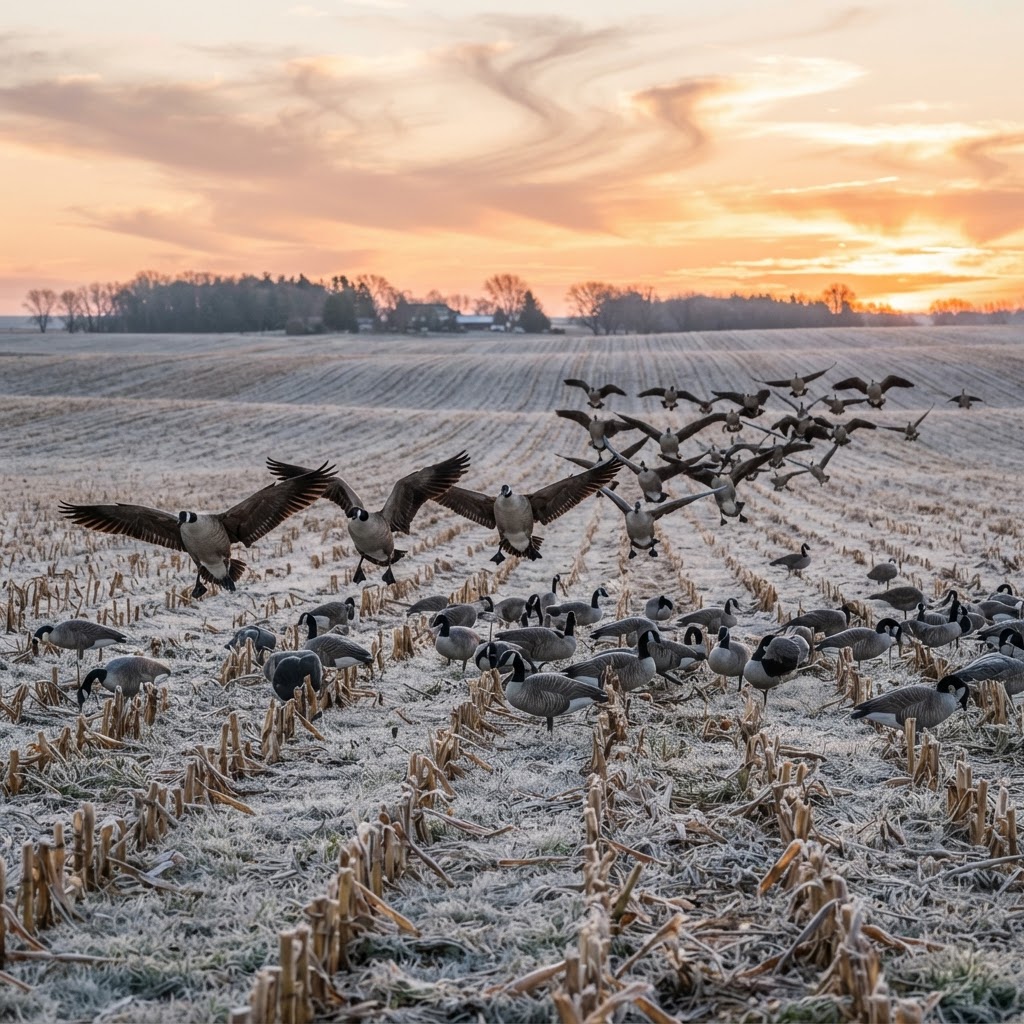
Tactical Honker Tactics: Deciphering Weather and Movement for Late Season Success
When the mercury drops and the migration intensifies, your field strategy must adapt. Learn how to read the barometer and adjust your spread to dominate late-season Canada geese.

Unlocking Idaho’s Vast Frontier: A Public Land Navigator
Vast, rugged, and full of opportunity, Idaho offers some of the most expansive public land hunting in the United States. Here is your roadmap to navigating the Gem State’s premier wilderness areas.
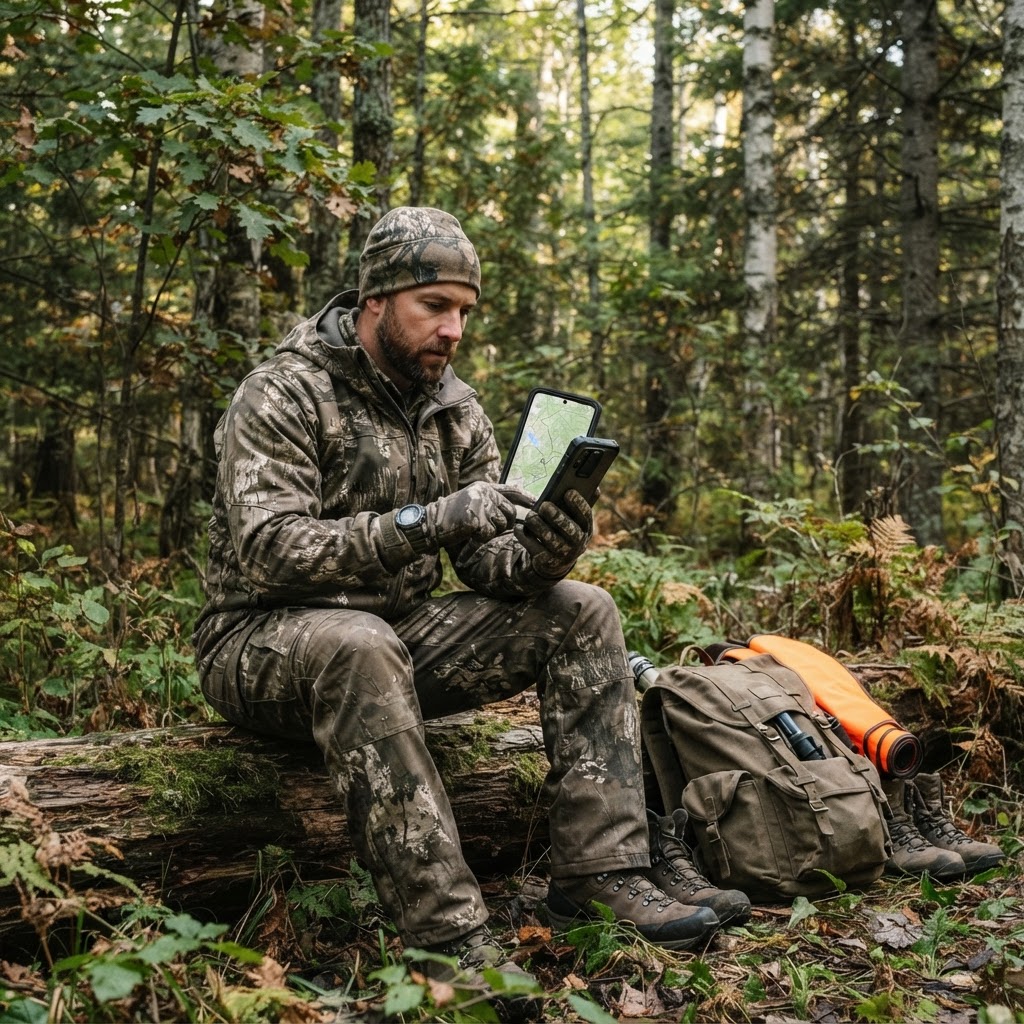
Behind the Patch: Joining the Buckeye Hunter Hub Ambassador Program
Curious what it takes to join the ranks of our national team? Discover the reality of the Buckeye Hunter Hub Ambassador Program, a dedicated network for serious sportsmen.
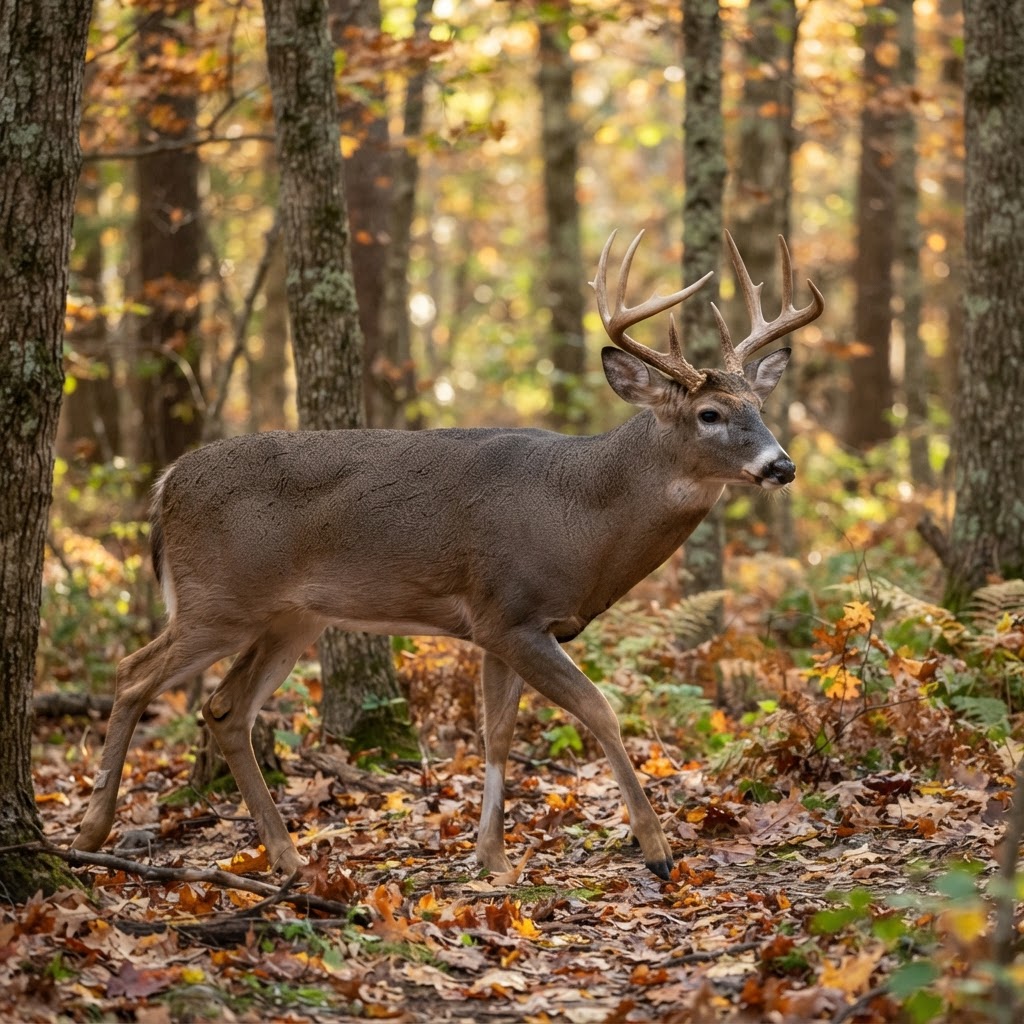
Data-Driven Scouting: Automating Your Trail Camera Analysis
Tired of spending hours sifting through thousands of trail camera images? Learn how to let AI do the heavy lifting so you can focus on putting a tag on your target buck.