
Chasing Speed: The Ultimate Guide to Pronghorn Antelope Hunting
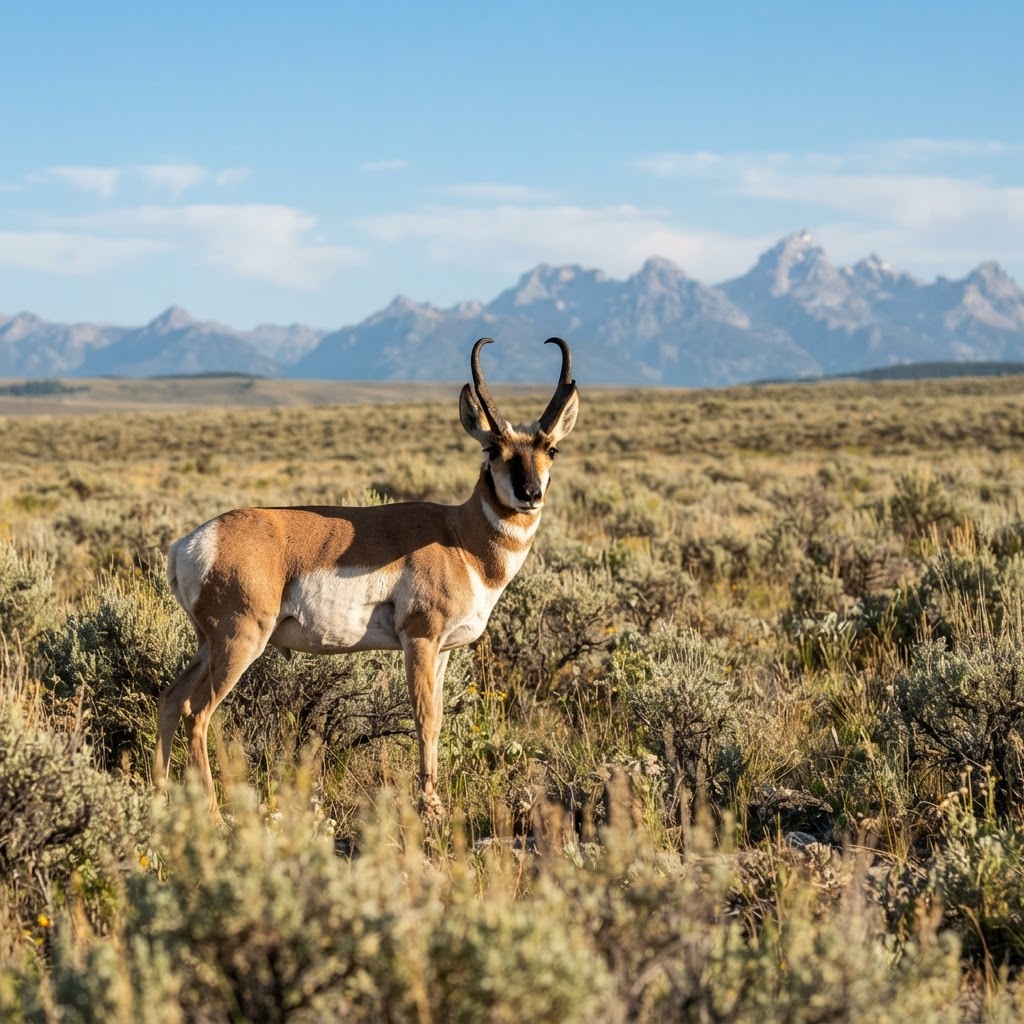
The Pronghorn: A Unique American Icon
To hunt the pronghorn antelope (Antilocapra americana) is to participate in a piece of living history. Despite the name, the pronghorn is not a true antelope; it is the sole surviving member of its family, Antilocapridae, evolved over millions of years on the open prairies of North America. Known for their incredible eyesight and blistering speed—reaching bursts of up to 60 miles per hour—these animals present a unique challenge to even the most seasoned hunters. At Buckeye Hunter Hub, we believe that understanding the biology and behavior of your quarry is the first step toward a successful harvest.
Biology and Behavior
Pronghorn are masters of the open country. Their eyes are roughly the size of a horse’s, providing a 320-degree field of vision and the ability to detect movement miles away. Their primary defense is not hiding in cover, but simply outrunning threats. When pursuing them, you are rarely competing against the animal’s lack of awareness, but rather against their ability to spot you at distances where you might feel completely concealed.
During the rut, which typically occurs from late August through September, bucks become highly territorial. You will often see them herding does and aggressively defending their range. This is often the best time for hunters to utilize decoys or calling, as the bucks are more focused on rivals than on their peripheral surroundings.
Range and Habitat
Pronghorn thrive in the arid high plains, sagebrush basins, and short-grass prairies of the Western United States. Wyoming remains the premier destination, holding the largest population in North America, but states like Montana, New Mexico, and Arizona offer excellent opportunities. Because these animals are highly migratory in some regions, checking is crucial to ensure you are hunting in units with stable populations and public access.
Essential Tactics
Spot and Stalk
This is the classic pronghorn hunting method. Use high-quality optics to scan the horizon from a vantage point. Once you have located a trophy buck, planning your approach is paramount. You must use the terrain to your advantage—crawling through coulees, dry creek beds, or tall sage. If you are new to scouting the vast public lands out West, utilizing is essential for identifying BLM or State Trust lands where you can legally pursue these animals without crossing private boundaries.
E-Tag States

Harvest Tags
E-check means you supply the tag. Printed with the exact fields your state requires.
3-pack $19.95
Decoying and Ambush
During the early season or the peak rut, a silhouette decoy can be highly effective. Place the decoy downwind or in a spot where a buck might expect a challenger. When stalking, use a 'cow elk' or 'pronghorn' decoy shield to break up your profile, allowing you to get within bow range. For those waiting near water holes, patience is key. Since pronghorn rely heavily on water in arid environments, sitting near a reliable source during the heat of the day can be incredibly productive.
Gear Selection
Raise a safe, confident young hunter.
Guide your kids ages 5–17 through interactive hunting safety missions, real decision drills, and earned trophies — all from one free parent account.




Gear for the plains needs to be lightweight and functional. Because you will spend hours behind glass, a high-quality 10x42 binocular and a reliable spotting scope are non-negotiable. For rifles, choose a flat-shooting caliber like the .243 Winchester, .270 Winchester, or 6.5 Creedmoor. Wind is a constant factor in pronghorn country, so practice your long-range ballistics before your trip.
Planning Your Hunt
Success in the field starts with thorough preparation. Before you set out, consult to ensure you are planning your trip during the optimal window for your chosen state. If you are traveling from the Midwest or East, remember that altitude and heat can significantly impact your physical performance. Build your cardio before you leave, and prioritize your hydration strategy.
While pronghorn hunting is vastly different from whitetail hunting, the fundamental principles of scouting and ethical shot placement remain the same. If you are curious about how animal movement patterns change under pressure or during weather shifts, reading up on can actually provide valuable insights into general big game behavior that apply to pronghorn as well.
Final Tips for Success
- Stay Low: Pronghorn have eyes that are essentially high-powered binoculars. If you can see them, they can see you.
- Glass More, Walk Less: Cover country with your eyes, not your boots.
- Respect the Meat: Pronghorn are excellent table fare, but they must be field-dressed and cooled quickly. The meat is mild, provided it is handled correctly in the field.
- Join the Community: If you are planning your first Western trip, consider connecting with others through to learn about unit-specific nuances or to find partners for your backcountry adventures.
Hunting the pronghorn is a bucket-list experience for any American hunter. By respecting the animal’s incredible natural defenses and putting in the time to scout, you will find that a successful hunt on the open plains is one of the most rewarding endeavors in the outdoors.
Free hunting map, zones & 50-state resources
Save your spots, share zones with your group, and get deer & waterfowl movement forecasts — free.
Join 251 hunters and anglers on Buckeye Hunter Hub — free.
Latest from the Community


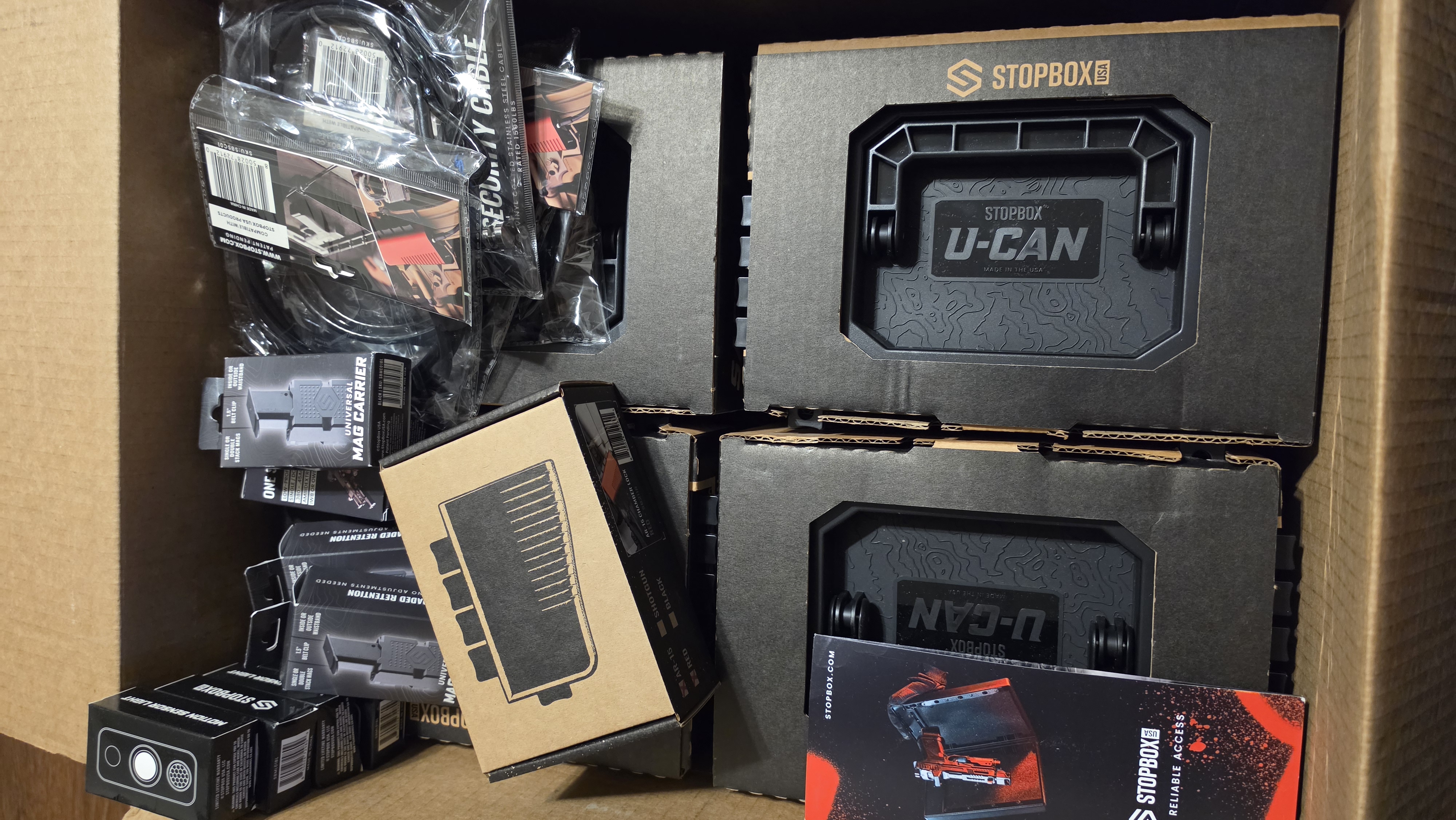

New drop
Fresh Buckeye Hunter Hub tees & hoodies


Everything you need to hunt smarter — free
Buckeye Hunter Hub is a free, nationwide platform. Create an account and unlock the full toolkit:
Free Interactive Hunting Map
Mark stands, cameras, and sign. Draw hunting zones with public land & county overlays across all 50 states.
Zones with Group Sharing
Share zones with your hunting group, split property into sections, assign stands, and check in — all in one place.
50 States of Hunting Resources
Season dates, license links, and DNR regulations for every state, kept current so you never miss an opener.
Deer Movement Forecast
Data-driven daily movement predictions using wind, moon, and pressure — know when to sit before you go.
Waterfowl Movement & Tools
Flight-potential forecasts, migration numbers, decoy spread planner, and a full species field guide.
From the Maker Bench

Taggart Outdoors
Padded Rifle Sling
Hand-built in the USA · $134.99
Shop the MakerNew drop
Fresh Buckeye Hunter Hub tees & hoodies
Shop This

StopBox Pro Ward | Wall-Mounted
$179.00$199.99

StopBox Pro Compact
$159.00$179.99

Buckeye Hunter Hub Tee — No Tag Left Behind
$20.55

Buckeye Hunter Hub Hoodie — No Tag Left Behind
$32.87
E-Tag States
Harvest Tags
E-check means you supply the tag. Printed with the exact fields your state requires.
3-pack $19.95
More Articles
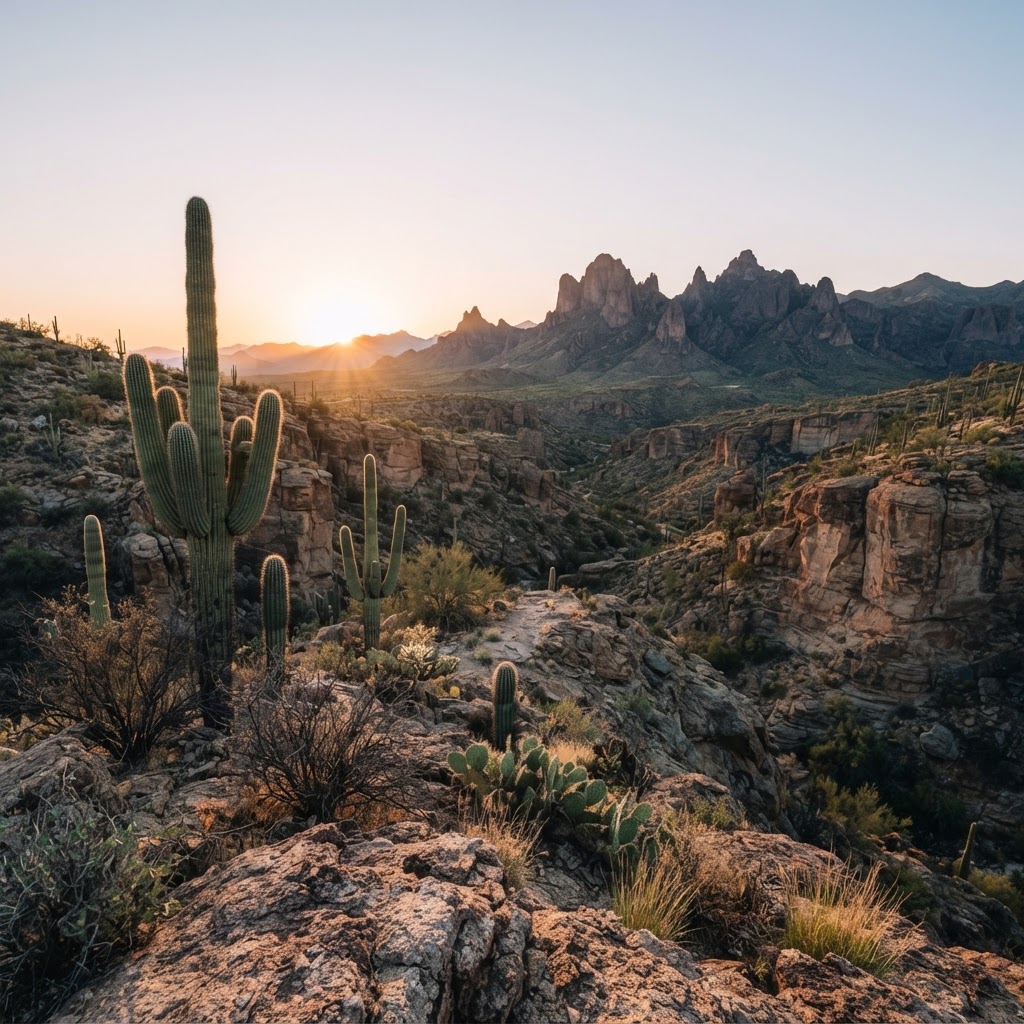
Desert Pursuits: A Comprehensive Guide to Arizona Big Game Hunting
From the high-country pines to the cactus-studded basins, Arizona offers some of the most challenging and rewarding hunting experiences in the American Southwest.
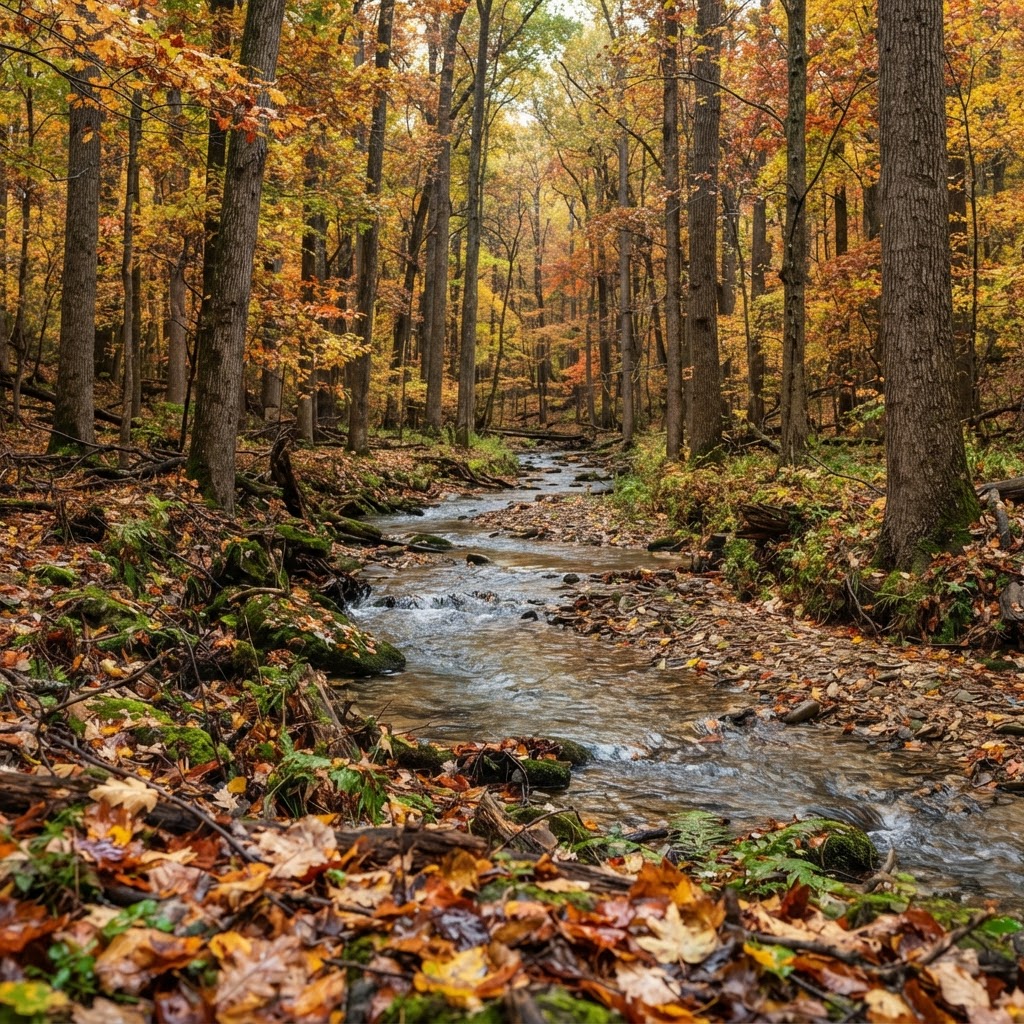
Hoosier Heartland Pursuit: A Tactical Guide to Indiana Public Land Hunting
Indiana is a hidden gem for the public land hunter. Discover how to navigate state-managed properties and national forests to find your next trophy while avoiding the crowd.

The Last Frontier: A Strategic Guide to Alaskan Big Game Hunting
Alaska offers the ultimate challenge for the American sportsman, combining vast wilderness with unmatched species diversity. From planning your logistics to understanding the unique terrain, here is how to navigate the complexities of hunting the Last Frontier.

Gear Up for the Field: Introducing the New Little Brown Duck Dog Hoodie
Meet your new favorite layer for the duck blind and beyond: the Buckeye Hunter Hub Little Brown Duck Dog hoodie is here to keep you warm and looking sharp.