Best Barometric Pressure for Deer Hunting: What the Data Really Says
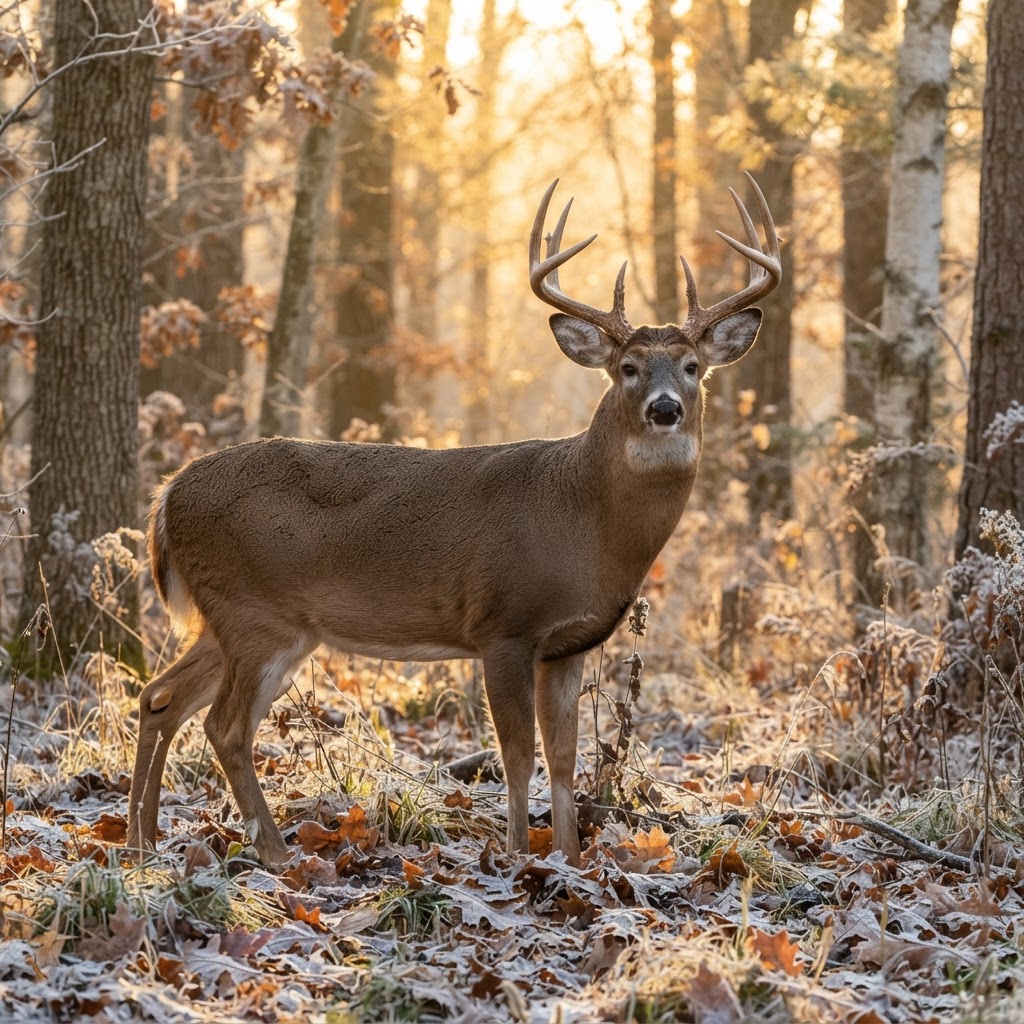
Understanding Barometric Pressure and Whitetails
Every seasoned hunter has heard the anecdotal wisdom: 'High pressure is good, low pressure is bad,' or vice versa. But when we strip away the myths and look at what the science of deer movement actually tells us, the relationship between atmospheric pressure and whitetail behavior is far more nuanced. As hunters at Buckeye Hunter Hub, we believe in relying on data rather than superstition. Understanding how meteorological changes trigger biological responses is the key to filling your tag.
Get in the Community feed
Hunters and anglers nationwide posting bucks, catches, trail cam pics and what's working right now.


What is Barometric Pressure?
Barometric pressure is the weight of the atmosphere pressing down on the Earth's surface. A high-pressure system (typically above 30.00 inches of mercury) usually brings clear skies and stable conditions, while a low-pressure system (typically below 29.80 inches) brings clouds, precipitation, and storms. Whitetails are highly sensitive to these shifts because their survival depends on anticipating environmental changes. While deer don't 'check the barometer,' they do feel the physiological shifts that accompany incoming fronts.
The Telemetry Data: Fact vs. Fiction
Modern GPS-collar studies conducted across the US have provided us with unprecedented insights into deer behavior. Researchers have found that while barometric pressure is a factor, it acts primarily as a secondary driver. The primary drivers are photoperiod (the amount of daylight), thermal regulation, and metabolic demand. When a significant cold front arrives, the rapid change in barometric pressure is the precursor to a temperature drop. Deer movement often spikes in the hours leading up to a front as they attempt to feed before the oncoming weather, and again after the front passes when temperatures stabilize.
The 'Pressure Drop' Phenomenon
Telemetry data consistently shows that deer increase movement when they sense a major shift in the atmosphere. Before a front arrives, the pressure begins to drop. Deer often capitalize on this period to feed aggressively. If you find yourself in the woods during that final 24-hour window before a major cold front hits, you are often in for a productive hunt. Conversely, during the eye of a storm, deer will seek shelter in dense bedding cover to conserve energy. If you want to dive deeper into the biology behind these behaviors, check out our resource on .
Why Temperature and Wind Trumps Pressure
While pressure gets all the attention, temperature and wind speed are far more predictive of daylight activity. Whitetails are ruminants with a high metabolic rate; they need to balance their caloric intake with the energy required to stay warm. During the rut, the photoperiod overrides even the most stagnant weather patterns, but during the early and late seasons, deer are strictly temperature-governed.
E-Tag States

Harvest Tags
E-check means you supply the tag. Printed with the exact fields your state requires.
3-pack $19.95
If the mercury drops below their thermoneutral zone, they must feed to generate body heat. This is why a crisp, clear day following a low-pressure front is often the holy grail of deer hunting. You can track these shifting windows throughout the season by checking our before planning your next hunt.
The Moon Phase Myth
We often hear hunters discussing the 'best moon phase' to be in the woods. Extensive wildlife studies have repeatedly shown that moon phase has a statistically insignificant impact on deer movement compared to weather variables. While the moon can affect light levels at night, it does not exert the same pull on deer behavior as an incoming cold front or a shift in the wind. Relying on the moon while ignoring the barometric trend is a common mistake that often leads to empty chairs in the stand.
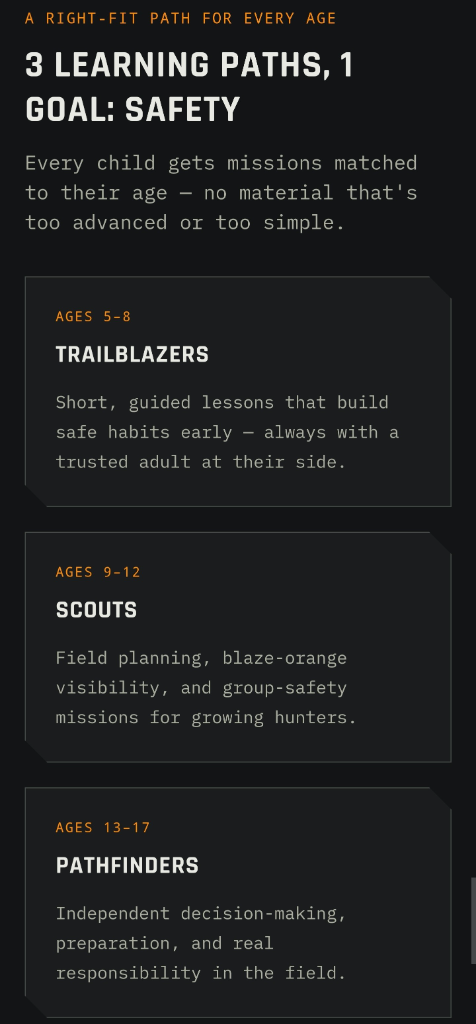
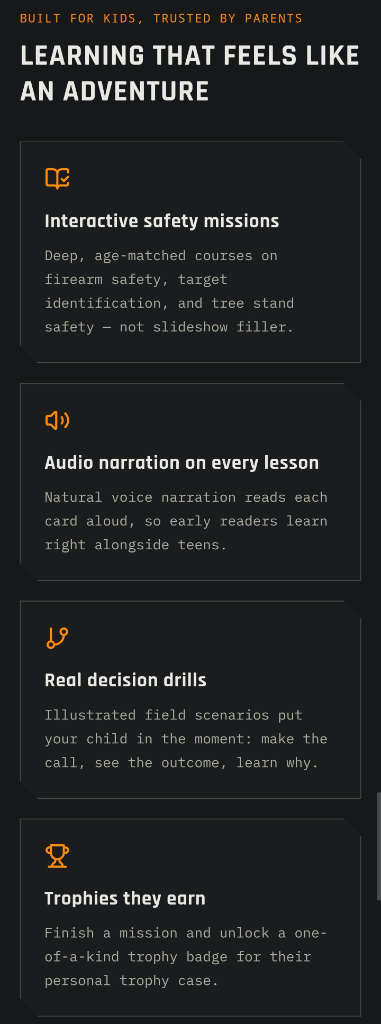
Raise a safe, confident young hunter.
Guide your kids ages 5–17 through interactive hunting safety missions, real decision drills, and earned trophies — all from one free parent account.


Actionable Takeaways for the Serious Hunter
To become more efficient in the field, stop chasing 'perfect' numbers and start hunting the 'change.' Here is your checklist for optimizing your time in the stand:
- Focus on the Fronts: Target the 24 hours immediately preceding a major pressure drop. This is when feeding activity is most likely to peak.
- The Post-Front Sweet Spot: The first few hours of a high-pressure system immediately following a storm are prime times for mature bucks to move, as they recover from being bedded during the worst of the weather.
- Monitor Thermals: On calm, high-pressure days, pay extreme attention to your scent control. Stable air allows human scent to travel in unpredictable ways, particularly in valley floors and ridges.
- Trust the Calendar: Remember that weather is the engine, but the rut is the steering wheel. During the peak of the breeding season, all bets are off—bucks will move regardless of the barometer.
Final Thoughts
Understanding the mechanics of weather is only part of the puzzle. Being successful in the field requires knowing your local terrain and staying consistent with your scouting. If you're looking for more ways to plan your season effectively, make sure you stay updated with . By synthesizing meteorological data with an understanding of whitetail biology, you can shift the odds in your favor, moving from a passive observer to an informed predator. Happy hunting.
Free hunting map, zones & 50-state resources
Save your spots, share zones with your group, and get deer & waterfowl movement forecasts — free.
Join 155 hunters and anglers on Buckeye Hunter Hub — free.
Everything you need to hunt smarter — free
Buckeye Hunter Hub is a free, nationwide platform. Create an account and unlock the full toolkit:
Free Interactive Hunting Map
Mark stands, cameras, and sign. Draw hunting zones with public land & county overlays across all 50 states.
Zones with Group Sharing
Share zones with your hunting group, split property into sections, assign stands, and check in — all in one place.
50 States of Hunting Resources
Season dates, license links, and DNR regulations for every state, kept current so you never miss an opener.
Deer Movement Forecast
Data-driven daily movement predictions using wind, moon, and pressure — know when to sit before you go.
Waterfowl Movement & Tools
Flight-potential forecasts, migration numbers, decoy spread planner, and a full species field guide.

American Express® Gold Card
Earn big on the things you love—dining, groceries, and travel. Apply through my referral link below.
- Up to 100,000 Membership Rewards® Points after you use your new Card to make $8,000 in purchases in the first 6 months—upon approval.
- 4X Membership Rewards® Points at restaurants worldwide, plus takeout and delivery in the U.S.
- 4X Points at U.S. supermarkets (on up to $25,000 per year, then 1X).
- 3X Points on flights booked directly with airlines or on amextravel.com.
- Up to $120 in annual dining credits at select partners (enrollment required).
Terms apply. Offer subject to approval by American Express. This is a referral link—I may receive Membership Rewards® Points if you are approved.
Shop This

StopBox Pro Ward | Wall-Mounted
$179.00$199.99

StopBox Pro Compact
$159.00$179.99

BHH Marsh Camo Socks
$8.21

Warden Ticket Men's Mesh Shorts
$28.66
E-Tag States
Harvest Tags
E-check means you supply the tag. Printed with the exact fields your state requires.
3-pack $19.95
More Articles
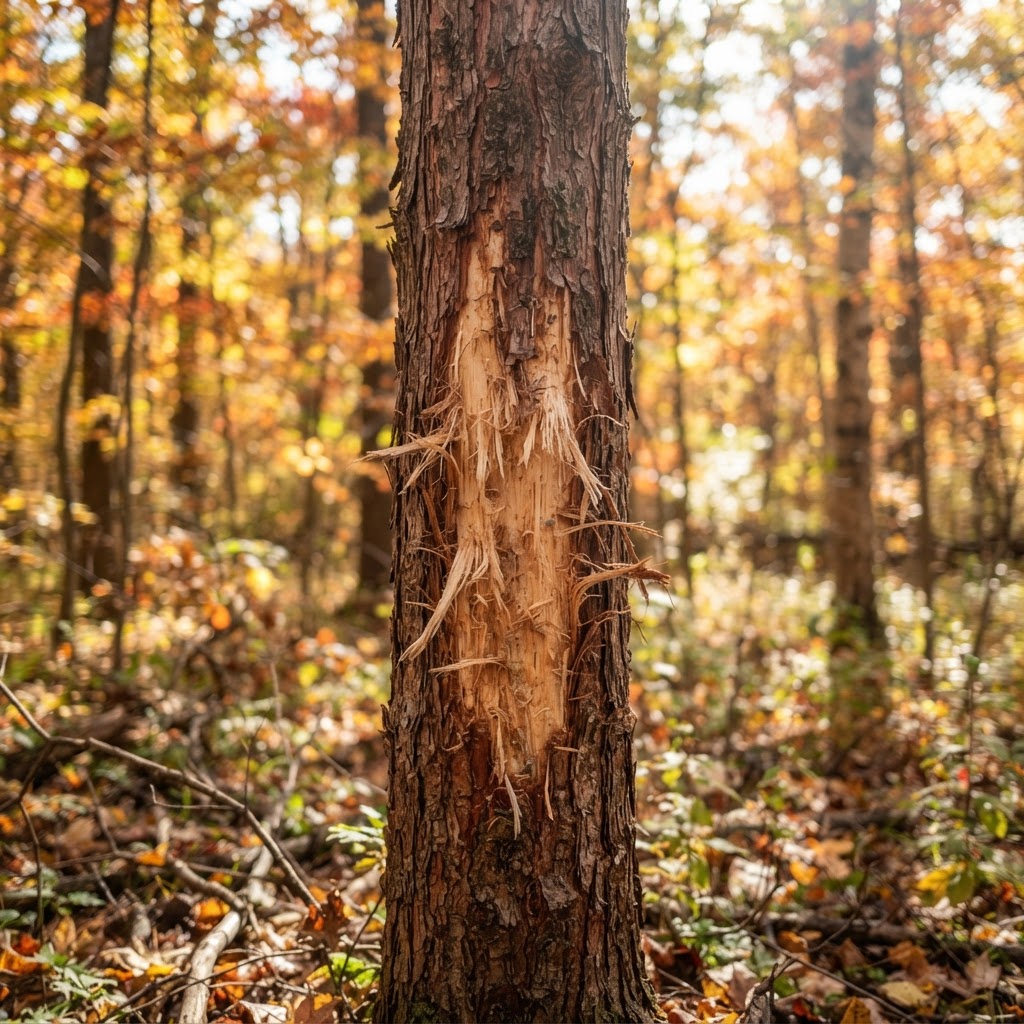
Unseen Trails: Decoding Forest Sign to Predict Buck Behavior
Move beyond basic scouting by learning how to interpret the subtle, layered history written on the forest floor, turning mere signs into a concrete harvest plan.
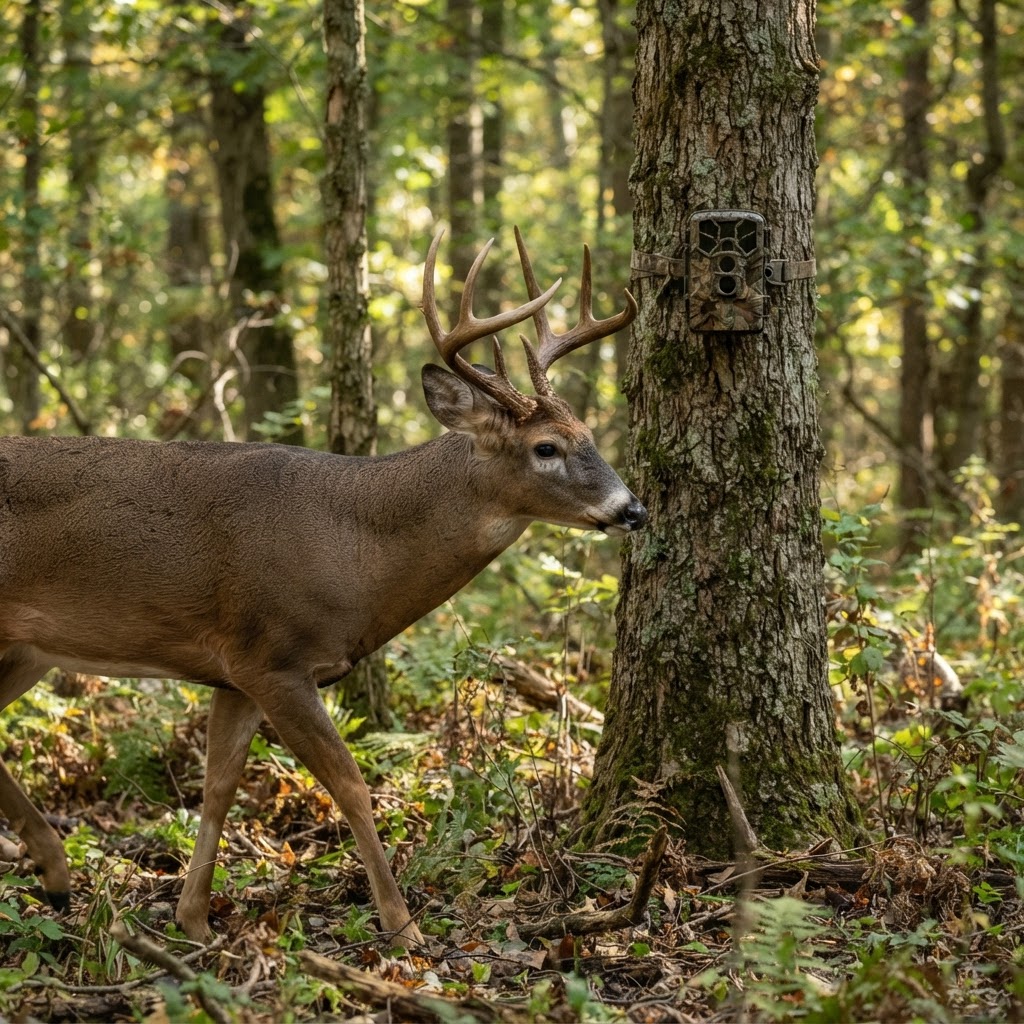
Deciphering the Digital Herd: A Practical Guide to Trail Camera Pattern Recognition
Drowning in thousands of trail camera images? Learn how to turn raw photos into a strategic hunting advantage using intelligent image sorting tools.
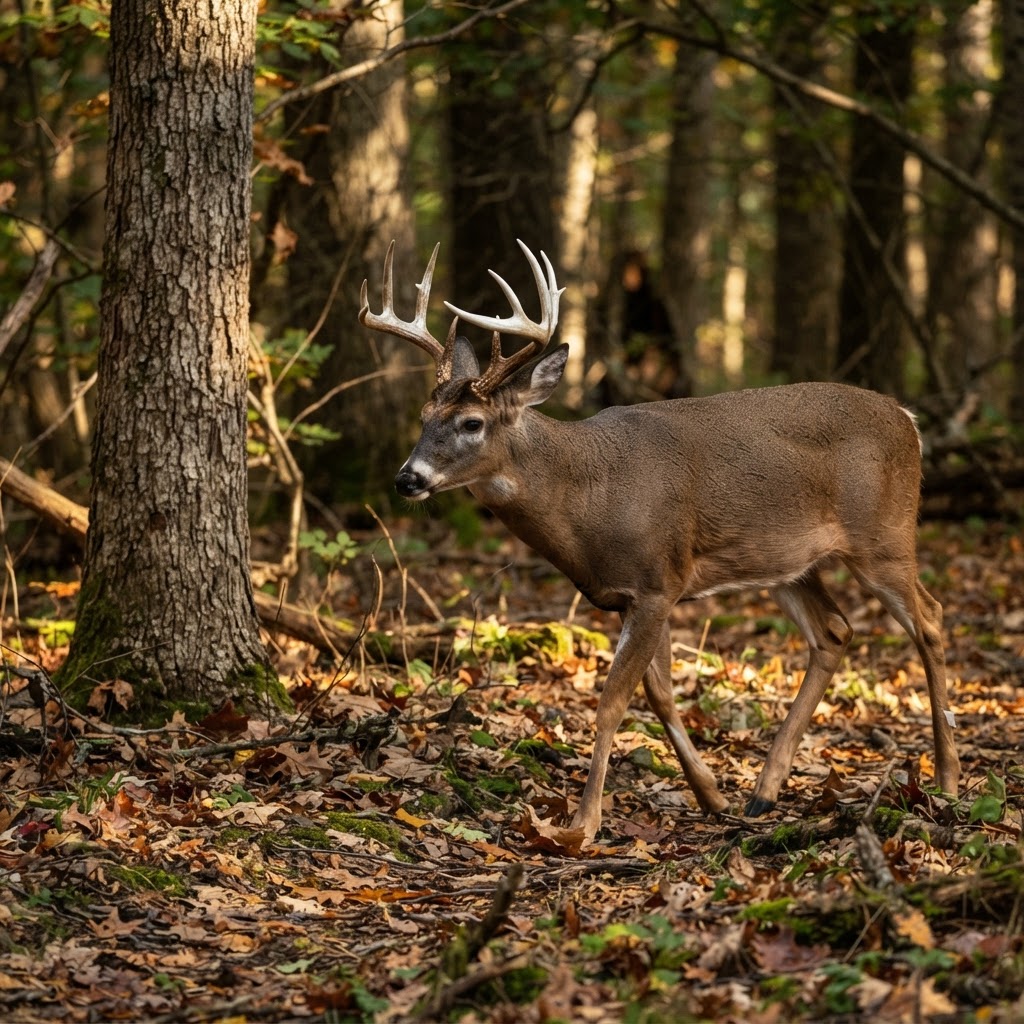
From Thousands of Images to a Harvest Plan: Using Artificial Intelligence to Sort Your Trail Camera Data
Drowning in hundreds of empty trail camera photos? Learn how to leverage automated AI analysis to pinpoint deer movement patterns and save hours of manual scouting.
Securing Your Legacy: Bridging Community and Safety in the Modern Hunt
Hunting is about more than just the harvest; it's about building a community of responsible sportsmen and ensuring the safety of your gear at home.