
Best Barometric Pressure for Deer Hunting: What the Data Really Says
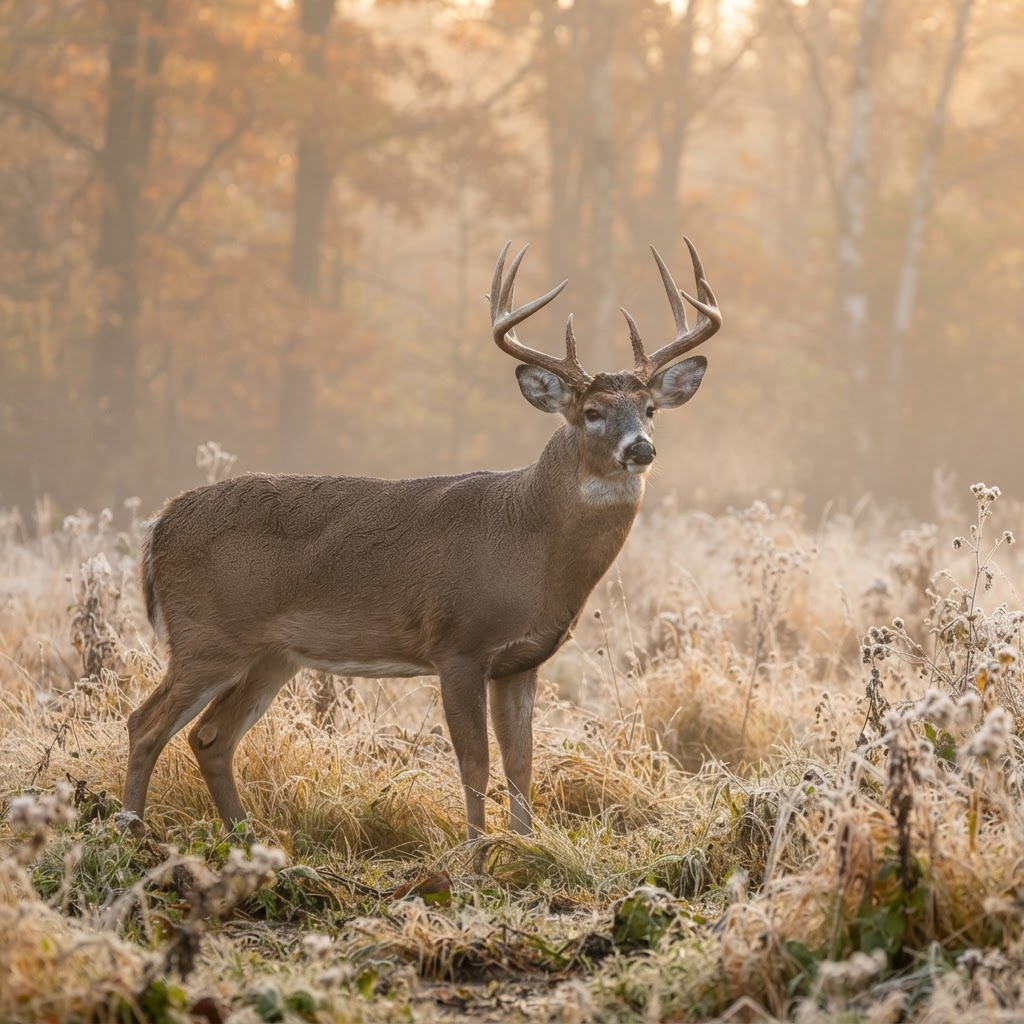
The Science of Pressure and Whitetails
For generations, deer hunters have obsessed over the barometer. From back-porch weather stations to the latest smartphone apps, the pursuit of the 'perfect' pressure reading has become a ritual. But as we look at , we have to ask: is there a direct causal link between the needle on a gauge and a buck standing in a food plot? The data, pulled from long-term GPS-collar studies, suggests that while pressure is a factor, its influence is often misunderstood.
Get in the Community feed
Hunters and anglers nationwide posting bucks, catches, trail cam pics and what's working right now.


Understanding Barometric Pressure
Barometric pressure is simply the weight of the atmosphere pushing down on the earth. A 'high' pressure system usually brings clear, stable, and cooler weather, while a 'low' pressure system is associated with clouds, precipitation, and rising temperatures. Whitetails, like all mammals, are incredibly sensitive to these shifts because they indicate changes in foraging conditions and predator-prey dynamics.
However, it is not the pressure itself that drives the deer; it is the atmospheric transition. Deer are biologically programmed to feed heavily before a storm front moves in. As pressure drops rapidly, deer experience an instinctual 'urgency' to optimize caloric intake. This is why the best hunting often occurs during the leading edge of a cold front, as the pressure bottoms out and the wind shifts, rather than when the barometer holds steady at a 'high' or 'low' number.
The Hierarchy of Movement Drivers
When analyzing movement patterns across different states, telemetry data reveals a clear hierarchy of drivers. Hunters often look for 'magic numbers,' but real-world data shows that pressure is just one piece of a much larger puzzle.
1. Photoperiod and the Rut
Nothing overrides photoperiod. Regardless of what the barometer says, if it is mid-November in the Midwest, a mature buck is going to be on his feet seeking does. The lengthening and shortening of days triggers hormonal changes that create a baseline of movement that is largely indifferent to minor weather fluctuations.
2. Temperature and Thermal Regulation
Temperature swings are perhaps the most significant environmental variable. GPS studies consistently show that during unseasonably warm weather, mature bucks move almost exclusively at night to minimize thermal stress. Conversely, a sharp drop in temperature—often accompanying a pressure shift—compels deer to move during daylight hours to replace the energy lost to heat regulation.
3. The 'Moon Phase' Myth
We often hear hunters swear by the moon. While the lunar cycle has a negligible effect on tides and nocturnal light, peer-reviewed telemetry studies have repeatedly found no statistically significant correlation between moon phases and daytime whitetail movement. If you are basing your vacation days on the moon, you are ignoring the data. Stick to the for a more accurate predictor of localized activity.
E-Tag States

Harvest Tags
E-check means you supply the tag. Printed with the exact fields your state requires.
3-pack $19.95
Actionable Thresholds for the Modern Hunter
Rather than aiming for a specific pressure reading—like the often-cited 30.00 inHg—focus on the rate of change. The most productive hunting windows generally occur when the barometer is changing by more than 0.10 inHg over a four-hour period. This change usually signals that a front is actively moving through your area, creating the 'pressure' to feed that makes deer vulnerable.
- Falling Pressure (Pre-Front): The absolute best time to be in the stand. Deer sense the impending storm and will feed aggressively. This is your high-probability window.
- Rising Pressure (Post-Front): The first 24 hours after a front passes can be slow as deer seek shelter to conserve heat. Wait for the skies to clear and the temperature to drop; the second and third days following a front are often excellent for daylight activity as deer return to feeding patterns.
- Stable Pressure: If the barometer has been steady for three or more days, deer activity will revert to a predictable, low-energy routine. During these times, focus on strict bed-to-feed patterns and check the to ensure you are hunting the most productive phase of the season.
Raise a safe, confident young hunter.
Guide your kids ages 5–17 through interactive hunting safety missions, real decision drills, and earned trophies — all from one free parent account.




Final Thoughts: Putting the Data to Work
There is no substitute for being in the woods, but there is a major advantage to being in the woods at the right time. Instead of relying on old-school folklore, use meteorological trends to inform your strategy. Look for the approaching front, watch the wind, and prioritize the timing of the rut. If you find yourself overthinking the barometric numbers, check in with to see if localized habitat conditions are a better predictor of where your target buck is hiding. By focusing on the confluence of cold fronts, food availability, and the breeding cycle, you will be miles ahead of the hunter just waiting for a specific number on a dial.
Free hunting map, zones & 50-state resources
Save your spots, share zones with your group, and get deer & waterfowl movement forecasts — free.
Join 148 hunters and anglers on Buckeye Hunter Hub — free.
Everything you need to hunt smarter — free
Buckeye Hunter Hub is a free, nationwide platform. Create an account and unlock the full toolkit:
Free Interactive Hunting Map
Mark stands, cameras, and sign. Draw hunting zones with public land & county overlays across all 50 states.
Zones with Group Sharing
Share zones with your hunting group, split property into sections, assign stands, and check in — all in one place.
50 States of Hunting Resources
Season dates, license links, and DNR regulations for every state, kept current so you never miss an opener.
Deer Movement Forecast
Data-driven daily movement predictions using wind, moon, and pressure — know when to sit before you go.
Waterfowl Movement & Tools
Flight-potential forecasts, migration numbers, decoy spread planner, and a full species field guide.

American Express® Gold Card
Earn big on the things you love—dining, groceries, and travel. Apply through my referral link below.
- Up to 100,000 Membership Rewards® Points after you use your new Card to make $8,000 in purchases in the first 6 months—upon approval.
- 4X Membership Rewards® Points at restaurants worldwide, plus takeout and delivery in the U.S.
- 4X Points at U.S. supermarkets (on up to $25,000 per year, then 1X).
- 3X Points on flights booked directly with airlines or on amextravel.com.
- Up to $120 in annual dining credits at select partners (enrollment required).
Terms apply. Offer subject to approval by American Express. This is a referral link—I may receive Membership Rewards® Points if you are approved.
Shop This

StopBox Pro Ward | Wall-Mounted
$179.00$199.99

StopBox Pro Compact
$159.00$179.99

BHH Marsh Camo Socks
$8.21

Warden Ticket Men's Mesh Shorts
$28.66
Washington · E-Tag State

Washington Harvest Tags
E-check means you supply the tag. Printed with the exact fields Washington requires.
3-pack $19.95
More Articles
From Thousands of Images to a Harvest Plan: Using Artificial Intelligence to Sort Your Trail Camera Data
Drowning in hundreds of empty trail camera photos? Learn how to leverage automated AI analysis to pinpoint deer movement patterns and save hours of manual scouting.
Securing Your Legacy: Bridging Community and Safety in the Modern Hunt
Hunting is about more than just the harvest; it's about building a community of responsible sportsmen and ensuring the safety of your gear at home.
Beyond the Stand: Elevating Your Hunt Through Specialized Peer Networks
Unlock the true potential of your hunting season by leveraging specialized digital communities to trade insights, refine tactics, and build lifelong friendships.
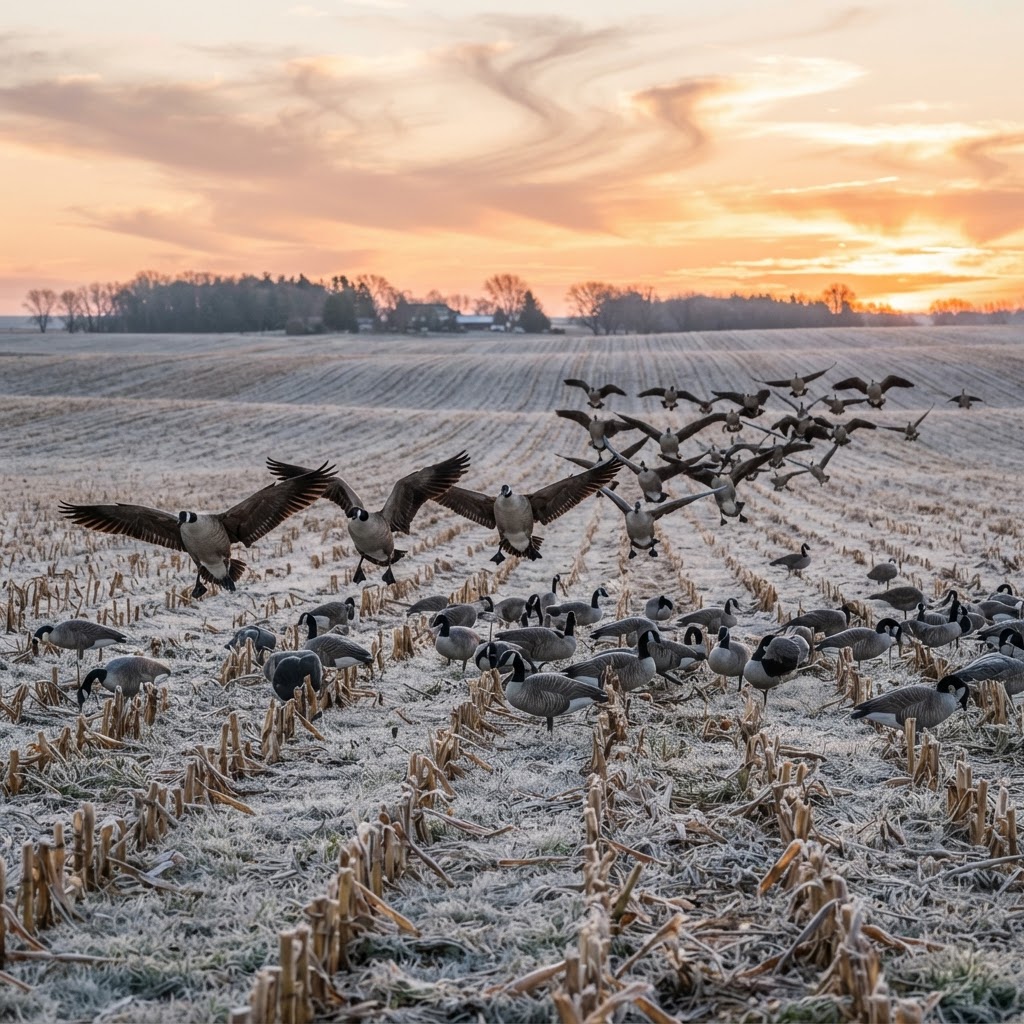
Tactical Honker Tactics: Deciphering Weather and Movement for Late Season Success
When the mercury drops and the migration intensifies, your field strategy must adapt. Learn how to read the barometer and adjust your spread to dominate late-season Canada geese.