
Best Barometric Pressure for Deer Hunting: What the Data Really Says
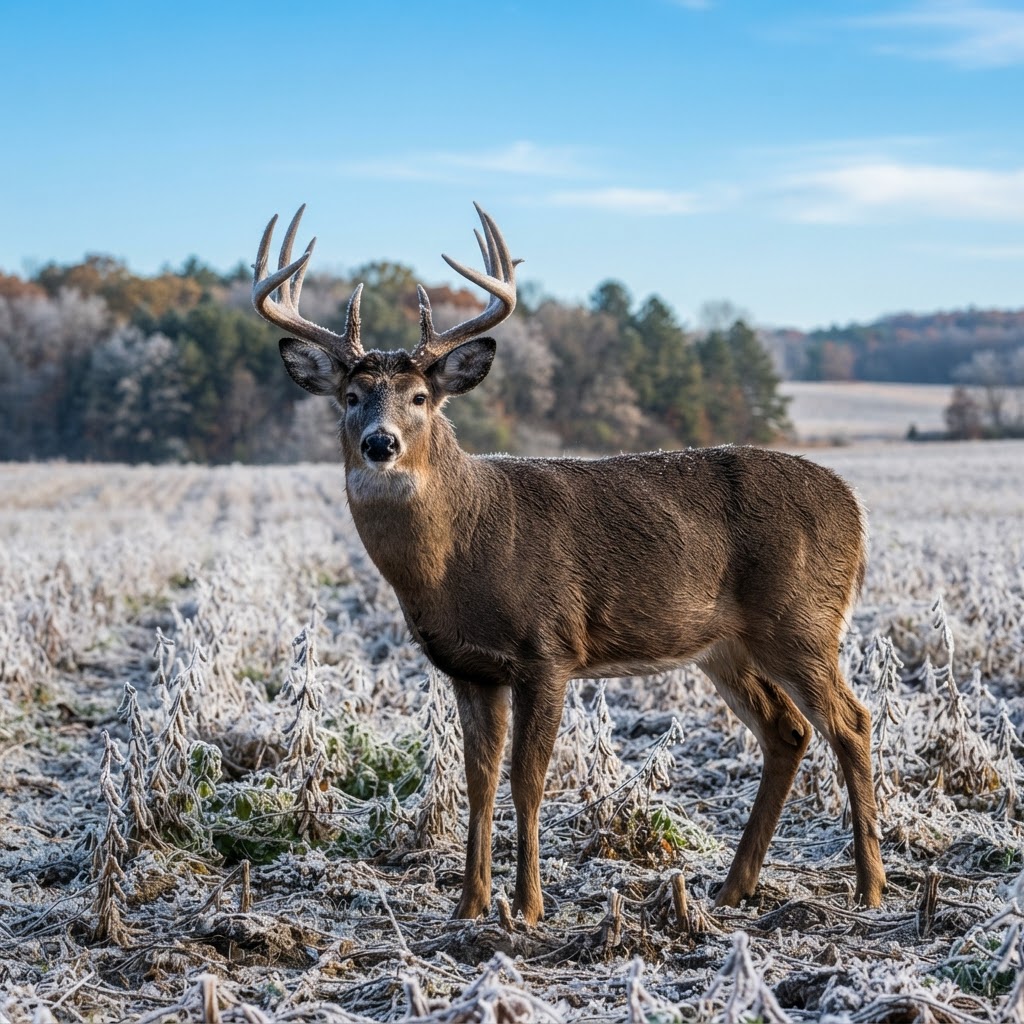
Decoding the Pressure: Does It Actually Matter?
If you have spent any time in a deer camp, you have heard the debates. Some hunters swear by the 'magic' of a rising barometer, while others claim deer only move when the pressure drops before a storm. At Buckeye Hunter Hub, we prefer to look at the hard data. When we examine , we find that while barometric pressure is a factor, it is often misunderstood as a standalone trigger.
What is Barometric Pressure?
Barometric pressure is simply the weight of the air pressing down on the earth. High-pressure systems are typically associated with clear, calm, and stable weather. Low-pressure systems generally bring clouds, precipitation, and moving weather fronts. Deer, like all animals, are acutely sensitive to these atmospheric changes. Because they have a highly developed sense of hearing and a cardiovascular system that reacts to environmental pressure, drastic shifts can trigger biological responses.
The Anatomy of a Cold Front
Most hunters associate the 'best' barometric pressure with the passage of a cold front. This is where the data gets interesting. Peer-reviewed telemetry studies utilizing GPS-collared whitetails have shown that deer activity significantly increases during the immediate transition periods of a front. As a low-pressure system moves out and a high-pressure system begins to build, the drop in temperature and the clearing skies create an 'energy window.'
Deer are ruminants with a high metabolic demand. When a cold front creates a sharp temperature dip, the deer's body requires more caloric intake to maintain homeostasis. The rising pressure that follows the storm—usually landing between 29.9 and 30.3 inches of mercury—signals a period of stabilization where deer feel comfortable leaving thick cover to feed. This isn't just luck; it is a physiological necessity for the animal to refuel after waiting out the storm.
The Hierarchy of Movement Drivers
It is vital for hunters to understand that barometric pressure is just one variable in a complex equation. If you are trying to predict movement, prioritize your data in this order:
E-Tag States

Harvest Tags
E-check means you supply the tag. Printed with the exact fields your state requires.
3-pack $19.95
- Photoperiod & Rut Timing: Nothing trumps the biological clock. During the rut, the hormonal drive to breed overrides almost all weather concerns. If the calendar says peak rut, be in the stand regardless of the barometer.
- Temperature Swings: A deviation from the seasonal average is more important than the absolute temperature. If it is 60 degrees in November, deer movement will be suppressed; if it drops to 40, they will move.
- Barometric Pressure: This is your secondary movement filter. Use it to time the intensity of the activity within those broader seasonal windows.
- Moon Phase: Contrary to popular belief, moon phase consistently ranks as a weak, statistically insignificant factor in modern telemetry studies. While some anecdotal evidence exists regarding nocturnal movement, it rarely translates to significant daylight activity compared to weather patterns.
Actionable Takeaways for the Field
Don't let the pressure readings paralyze you. Instead, use them to adjust your tactics. When you see a barometer climbing toward that sweet spot of 30.00+ after a rainy or windy system, plan an all-day sit. This is the time to sit near major food sources, as the deer are biologically pushed to browse after a period of dormancy.
Raise a safe, confident young hunter.
Guide your kids ages 5–17 through interactive hunting safety missions, real decision drills, and earned trophies — all from one free parent account.




Conversely, when the pressure is falling rapidly, keep your expectations tempered. Deer often stay bedded in thick, protected cover during the heaviest part of a pressure drop, as the lack of visual clarity and high winds make them vulnerable to predators. In these instances, focus on the transition zones between bedding and feeding, rather than the primary fields.
Utilize Modern Resources
To keep your strategy sharp, cross-reference these atmospheric trends with our . By layering localized weather data over your scouting efforts, you can refine your hunt to specific windows rather than burning out on a long, slow weekend. Remember, while weather dictates the tempo, the geography of your property dictates the opportunity. If you aren't sure where to start, looking at can help you identify those specific terrain features—like funnels and benches—that deer use to navigate during these high-pressure shifts.
Ultimately, no single metric guarantees a shot. However, by understanding that barometric pressure is a signal of environmental stability—which, in turn, allows for safer feeding behavior—you can better predict when the woods will come alive. Stop chasing the moon, and start chasing the cold fronts.
Free hunting map, zones & 50-state resources
Save your spots, share zones with your group, and get deer & waterfowl movement forecasts — free.
Join 186 hunters and anglers on Buckeye Hunter Hub — free.
Latest from the Community


Everything you need to hunt smarter — free
Buckeye Hunter Hub is a free, nationwide platform. Create an account and unlock the full toolkit:
Free Interactive Hunting Map
Mark stands, cameras, and sign. Draw hunting zones with public land & county overlays across all 50 states.
Zones with Group Sharing
Share zones with your hunting group, split property into sections, assign stands, and check in — all in one place.
50 States of Hunting Resources
Season dates, license links, and DNR regulations for every state, kept current so you never miss an opener.
Deer Movement Forecast
Data-driven daily movement predictions using wind, moon, and pressure — know when to sit before you go.
Waterfowl Movement & Tools
Flight-potential forecasts, migration numbers, decoy spread planner, and a full species field guide.

American Express® Gold Card
Earn big on the things you love—dining, groceries, and travel. Apply through my referral link below.
- Up to 100,000 Membership Rewards® Points after you use your new Card to make $8,000 in purchases in the first 6 months—upon approval.
- 4X Membership Rewards® Points at restaurants worldwide, plus takeout and delivery in the U.S.
- 4X Points at U.S. supermarkets (on up to $25,000 per year, then 1X).
- 3X Points on flights booked directly with airlines or on amextravel.com.
- Up to $120 in annual dining credits at select partners (enrollment required).
Terms apply. Offer subject to approval by American Express. This is a referral link—I may receive Membership Rewards® Points if you are approved.
Shop This

StopBox Pro Ward | Wall-Mounted
$179.00$199.99

StopBox Pro Compact
$159.00$179.99

Topo Map Men's Mesh Shorts
$28.66

Streamline Supper Trout Heritage Tee
$23.41
E-Tag States
Harvest Tags
E-check means you supply the tag. Printed with the exact fields your state requires.
3-pack $19.95
More Articles
Mastering Herd Intel: How to Automate Your Trail Camera Photo Analysis
Drowning in thousands of trail camera photos every week? Learn how to stop sorting images manually and start identifying movement patterns with AI-driven intelligence.
The Ribeye of the Sky: Mastering Sandhill Crane Hunting Tactics
Often called the 'ribeye of the sky' for their incredible table fare, Sandhill Cranes offer one of the most rewarding challenges in North American wing-shooting.

Introducing the Legacy Rack First Harvest Tee: Wear Your Outdoor Passion
Celebrate your time in the field with the new Legacy Rack First Harvest Tee, a premium shirt designed for hunters and anglers who value comfort and grit.

Introducing the Timberland Monarch Elk Heritage Tee: Gear Up for the Wild
Meet your new favorite go-to shirt. The Timberland Monarch Elk Heritage Tee combines rugged outdoor style with the comfort you need for the field, the boat, or the bar.