Best Barometric Pressure for Deer Hunting: What the Data Really Says
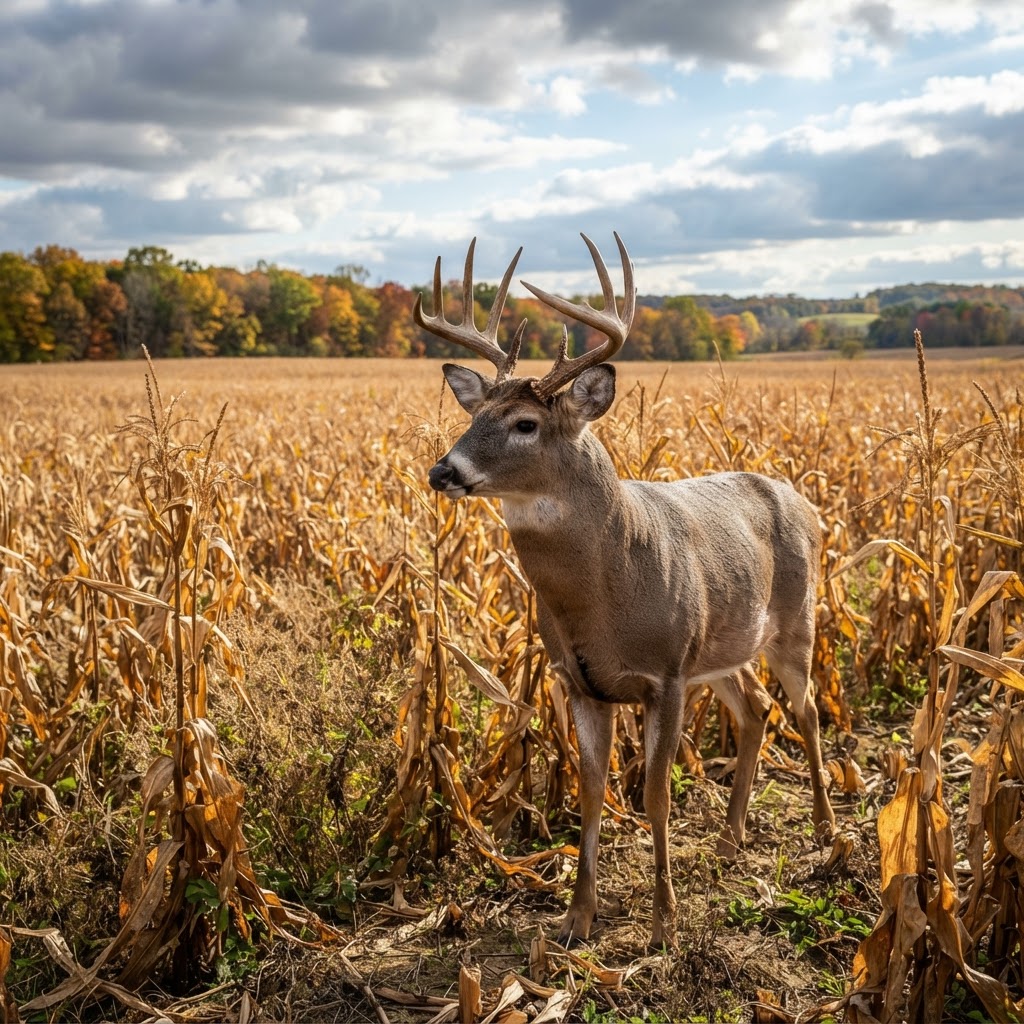
The Science of Pressure and Whitetails
For decades, hunters have sworn by the 'golden rule' of barometric pressure: when the needle rises, the deer move. But does the data back up this anecdotal wisdom? At Buckeye Hunter Hub, we believe in basing our tactics on rather than campfire lore. Modern GPS-collar studies have provided an unprecedented look at how whitetails respond to atmospheric shifts, and the reality is both more nuanced and more practical than the old 'high pressure is best' adage.
Understanding Barometric Pressure
Barometric pressure is essentially the weight of the air pressing down on the Earth's surface. High-pressure systems are typically associated with clear, stable, and cooler air, while low-pressure systems signal incoming storms, cloud cover, and warmer, unstable air. Deer, as highly tuned prey animals, are sensitive to these changes. Their internal biology is tied to the environment, and they often 'sense' the drop in pressure associated with an approaching front well before the first raindrop falls.
The Telemetry Truth: What GPS Data Tells Us
When researchers analyze movement data from thousands of collared whitetails, a clear trend emerges: it is not the pressure reading itself that dictates movement, but the change in pressure associated with weather fronts. Deer activity typically spikes immediately preceding a frontal passage. As a cold front approaches, the drop in pressure often correlates with a temporary surge in metabolic demand and a final 'feeding window' before the weather turns foul.
Conversely, during the heart of a high-pressure system—if it is stagnant and clear—movement can actually lull. While the weather is 'pleasant' for the hunter, the deer may have already gorged themselves in the lead-up to the front and are now bedded, conserving energy. If you are struggling to predict these shifts, our integrates these weather variables to help you plan your hunts.
The Hierarchy of Movement Drivers
If barometric pressure is a variable, where does it rank in the grand scheme of things? To be a successful hunter, you must understand that pressure is merely one factor in a much larger equation.
Washington · E-Tag State

Washington Harvest Tags
E-check means you supply the tag. Printed with the exact fields Washington requires.
3-pack $19.95
- Photoperiod & Rut Timing: Nothing overrides the urge to breed. During the peak rut, bucks will move regardless of pressure, temperature, or wind if they sense an estrous doe nearby. The calendar is your most important tool, and keeping track of ensures you are in the woods during the peak biological windows.
- Temperature Swings: Whitetails are built to conserve heat in winter and dump it in summer. A sudden drop in temperature following a cold front is a massive movement trigger. When the mercury falls, deer move earlier in the afternoon to fuel their metabolic needs.
- Wind and Thermal Stability: Wind direction and speed often impact deer more than pressure because it dictates their ability to detect predators. A steady, predictable wind allows deer to move with confidence.
- Barometric Pressure: As discussed, this is a secondary driver, useful for timing those 'pre-front' spikes.
- Moon Phase: Despite popular belief, peer-reviewed studies have consistently shown that moon phase has a negligible impact on daylight whitetail activity. Do not let the moon phase keep you out of the woods.
Actionable Thresholds for Your Next Hunt
So, how do you turn this data into a strategy? Focus on the 'transition zones.' When you see a low-pressure system (a storm front) forecasted to move through your area, target the window 12 to 24 hours before the front arrives. This is when the pressure is dropping and deer are often on their feet feeding aggressively.
Raise a safe, confident young hunter.
Guide your kids ages 5–17 through interactive hunting safety missions, real decision drills, and earned trophies — all from one free parent account.



Once the front passes and the high-pressure system settles in—usually characterized by clear, bright skies—look for the 'first cooling' period. The day after a front, when the air is crisp and the temperature has dropped significantly, is often the absolute best time to be in the stand. Deer are moving to replenish energy reserves after the storm.
Final Thoughts for the Field
Data is a tool, not a guarantee. While understanding barometric pressure can help you optimize your time in the stand, it should never replace woodsmanship. Always factor in local terrain, food sources, and travel corridors. For those looking to refine their scouting further, utilizing allows you to visualize how these weather patterns affect specific bottlenecks and bedding areas on your property. Hunting is a game of patience and preparation, and by aligning your efforts with the biological reality of the whitetail, you significantly increase your odds of success.
Free hunting map, zones & 50-state resources
Save your spots, share zones with your group, and get deer & waterfowl movement forecasts — free.
Join 244 hunters and anglers on Buckeye Hunter Hub — free.
Latest from the Community



New drop
Fresh Buckeye Hunter Hub tees & hoodies


Everything you need to hunt smarter — free
Buckeye Hunter Hub is a free, nationwide platform. Create an account and unlock the full toolkit:
Free Interactive Hunting Map
Mark stands, cameras, and sign. Draw hunting zones with public land & county overlays across all 50 states.
Zones with Group Sharing
Share zones with your hunting group, split property into sections, assign stands, and check in — all in one place.
50 States of Hunting Resources
Season dates, license links, and DNR regulations for every state, kept current so you never miss an opener.
Deer Movement Forecast
Data-driven daily movement predictions using wind, moon, and pressure — know when to sit before you go.
Waterfowl Movement & Tools
Flight-potential forecasts, migration numbers, decoy spread planner, and a full species field guide.
From the Maker Bench

Taggart Outdoors
Padded Rifle Sling
Hand-built in the USA · $134.99
Shop the MakerNew drop
Fresh Buckeye Hunter Hub tees & hoodies
Shop This

StopBox Pro Ward | Wall-Mounted
$179.00$199.99

StopBox Pro Compact
$159.00$179.99

Buckeye Hunter Hub Tee — No Tag Left Behind
$20.55

Buckeye Hunter Hub Hoodie — No Tag Left Behind
$32.87
E-Tag States

Harvest Tags
E-check means you supply the tag. Printed with the exact fields your state requires.
3-pack $19.95
More Articles
Hoosier Heartland Pursuit: A Tactical Guide to Indiana Public Land Hunting
Indiana is a hidden gem for the public land hunter. Discover how to navigate state-managed properties and national forests to find your next trophy while avoiding the crowd.
The Last Frontier: A Strategic Guide to Alaskan Big Game Hunting
Alaska offers the ultimate challenge for the American sportsman, combining vast wilderness with unmatched species diversity. From planning your logistics to understanding the unique terrain, here is how to navigate the complexities of hunting the Last Frontier.

Gear Up for the Field: Introducing the New Little Brown Duck Dog Hoodie
Meet your new favorite layer for the duck blind and beyond: the Buckeye Hunter Hub Little Brown Duck Dog hoodie is here to keep you warm and looking sharp.

Make a Statement: Introducing the Buckeye Hunter Hub Hoodie — Whoa.
Meet the ultimate addition to your outdoor wardrobe: the Buckeye Hunter Hub Hoodie — Whoa., designed for those who live for the pursuit and value a bit of personality in their gear.